Do You Need Special Coverage for a Trike or Sidecar?
Riding a trike or a motorcycle with a sidecar offers an incredibly unique and exhilarating experience, but it also often comes with a head-scratching question: "Do I need special insurance for this?" It's a common frustration for riders because these aren't your typical two-wheeled machines, and they don't always fit neatly into standard insurance boxes. This guide will cut through the confusion and explain exactly what kind of coverage you need for your three-wheeled marvel.
Understanding What Makes Trikes and Sidecars Different for Insurance
When you're dealing with a vehicle that has an extra wheel or a passenger attachment, the insurance world views things a bit differently than your standard two-wheeled motorcycle. It's not just about the number of wheels; it's about the entire dynamic of the vehicle, its classification, and the unique risks it presents.
Vehicle Classification Matters
One of the biggest hurdles is how your specific trike or sidecar rig is classified by your state's Department of Motor Vehicles (DMV) and, subsequently, by insurance companies. It’s not a one-size-fits-all situation, and this classification can drastically impact the kind of policy you need.
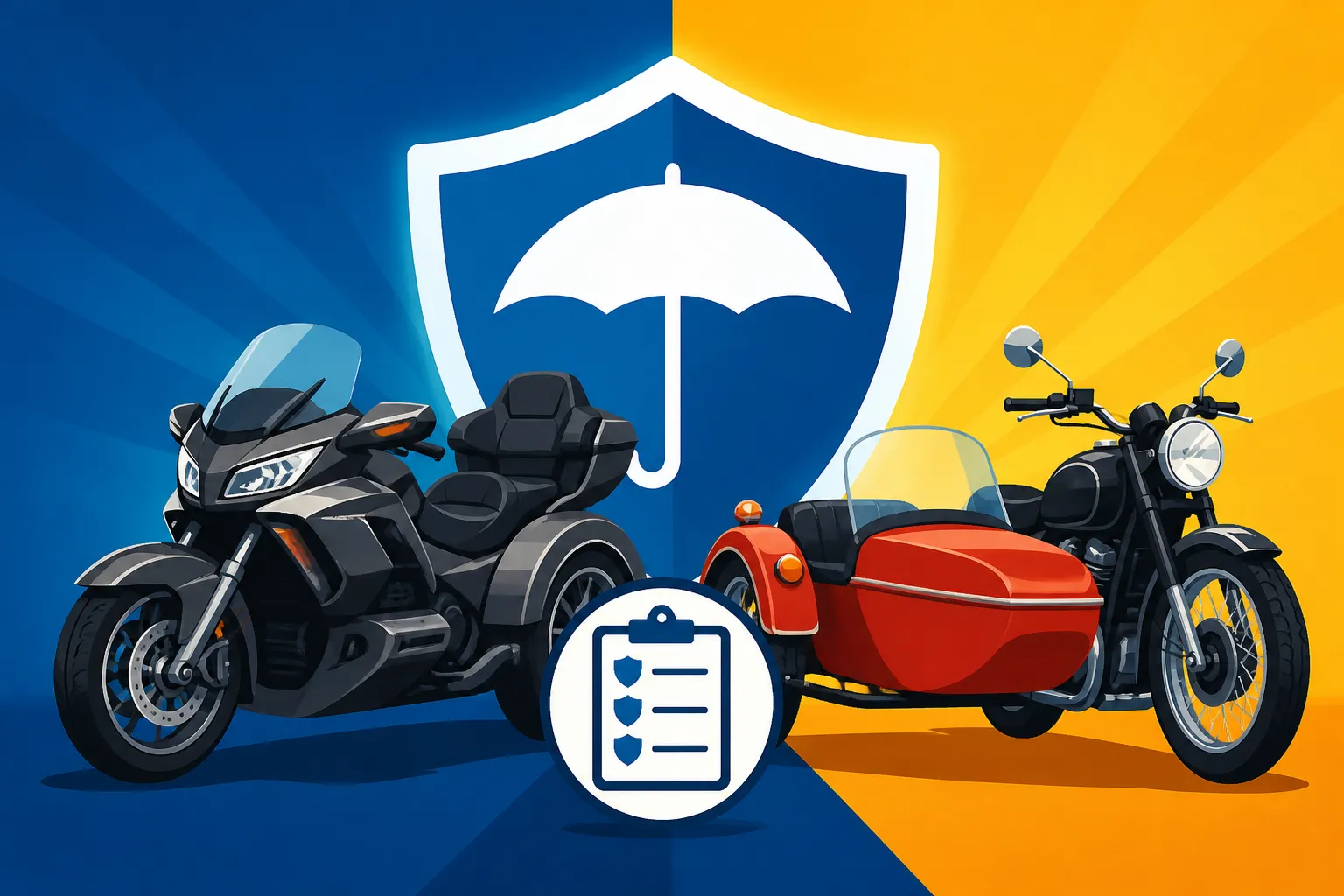
For example, a factory-built trike, like a Can-Am Spyder or a Harley-Davidson Tri Glide, is often manufactured and titled from the get-go as a three-wheeled motorcycle. In many states, these vehicles might be treated similarly to motorcycles for licensing and insurance purposes, though some states might have specific endorsements required for three-wheelers. On the other hand, if you've converted a two-wheeled motorcycle into a trike with an aftermarket kit, or added a sidecar, it might still be titled as a "motorcycle" but its physical configuration is entirely different. Some states like California might classify these conversions specifically, while others might simply lump them in with other motorcycles. This distinction is critical because an insurer needs to know exactly what they’re covering. If your vehicle’s classification doesn't match what's on your policy, you could face serious issues if you ever need to file a claim. Understanding your state's specific rules regarding Motorcycle Insurance Requirements by State (2026 Guide) is a great starting point here.
Unique Risks and Riding Dynamics
Let's be real, riding a trike or a sidecar rig is a different beast entirely from a two-wheeled motorcycle. While a standard motorcycle leans into turns, a trike or sidecar requires counter-steering and different cornering techniques. This fundamental difference in handling creates a unique set of risks that insurers take into account.
For instance, a sidecar outfit has an asymmetrical weight distribution and different braking characteristics. It's more stable at a stop but can be more challenging to maneuver at speed, especially in tight turns or emergency avoidance situations. Trikes, while stable, have a wider footprint and react differently to road imperfections or sudden inputs compared to a two-wheeler. These unique dynamics mean that accident scenarios, potential damages, and even liability considerations can be different. Insurers need to assess these factors to accurately price your policy, recognizing that the potential for certain types of incidents, or the severity of damage in a tip-over, might vary significantly from a standard motorcycle.
Essential Coverage Types for Three-Wheelers
Just like any other vehicle on the road, your trike or sidecar rig needs foundational insurance coverages. These are the protections that ensure you're compliant with the law and financially protected against common perils. While the basic categories remain the same, their application to a three-wheeler often comes with specific nuances. For a broader understanding of your options, it's good to familiarize yourself with the various Types of Motorcycle Insurance Coverage Explained.
Liability Coverage
This is the absolute cornerstone of any motorcycle insurance policy, and it's non-negotiable for trikes and sidecars too. Liability coverage protects you financially if you're at fault for an accident that causes bodily injury or property damage to others. Imagine you misjudge a turn on your trike and clip another car, causing fender damage and whiplash to the other driver. Your liability coverage would step in to cover the costs up to your policy limits.
The minimum liability limits are set by each state, often expressed in a format like 25/50/25 (e.g., $25,000 for bodily injury per person, $50,000 for bodily injury per accident, and $25,000 for property damage). However, for a trike or sidecar, which typically has a larger presence on the road than a two-wheeler, carrying just the minimum might not be enough. If you cause a severe accident, medical bills and repair costs can quickly skyrocket beyond these basic limits, leaving you personally responsible for the remainder. Many seasoned riders opt for higher liability limits to safeguard their assets, understanding that the consequences of an accident can be financially devastating without adequate protection. This is why understanding Minimum Liability Insurance Explained (The Three Numbers) is so crucial.
Collision and Comprehensive Coverage
While liability covers others, collision and comprehensive are the coverages that protect your own beloved trike or sidecar from damage or loss. These are typically part of what people refer to as What Does Full Coverage Motorcycle Insurance Mean? and are highly recommended for expensive or custom three-wheelers.
Collision coverage specifically covers damage to your trike or sidecar if it collides with another vehicle or object, or if it rolls over. Think about accidentally backing your sidecar into a pole at a gas station, or a more serious incident where you lay your trike down to avoid an obstacle. Collision coverage would pay for the repairs, minus your deductible. This is incredibly important, especially if your trike or sidecar is a significant investment. Given the unique bodywork and often custom nature of these vehicles, repair costs can be substantial.
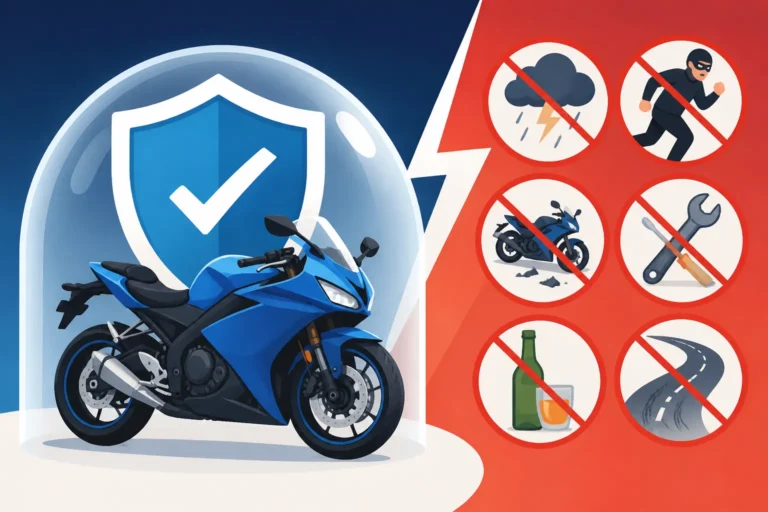
Comprehensive coverage, on the other hand, steps in for non-collision incidents. This includes things like theft, vandalism, fire, natural disasters (hail, flood, falling trees), and even hitting an animal. If your sidecar is stolen from your garage or your trike is damaged by a severe hailstorm while parked, comprehensive coverage would cover the repairs or replacement value, again, minus your deductible. For those who own high-value trikes, custom builds, or simply live in areas prone to specific risks, comprehensive coverage provides invaluable peace of mind. It’s also crucial if your trike or sidecar is financed, as lenders almost always require both collision and comprehensive coverage to protect their investment. For more details, you can read about Collision vs Comprehensive Motorcycle Coverage.
Special Considerations and Add-On Coverages
This is where the "special" part of "special coverage" really comes into play for trikes and sidecars. Because these vehicles are often highly customized, unique, or carry specific needs, standard policies might not cut it. You'll want to explore additional protections to ensure your investment is fully safeguarded.
Custom Parts and Accessories Coverage
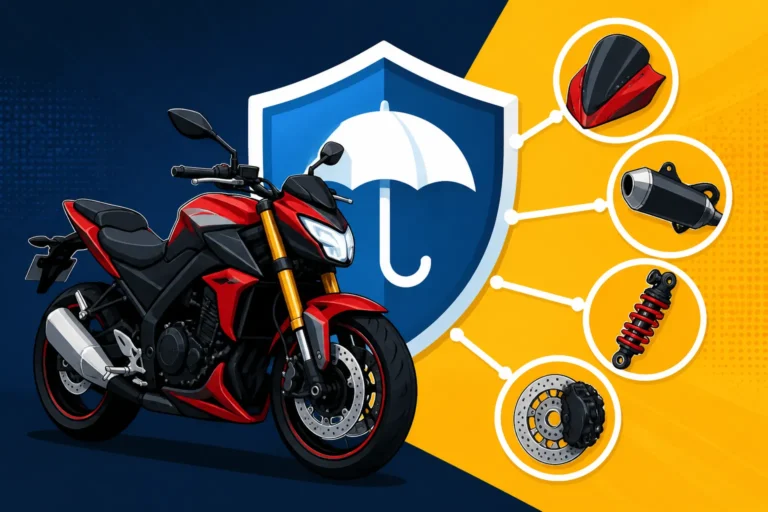
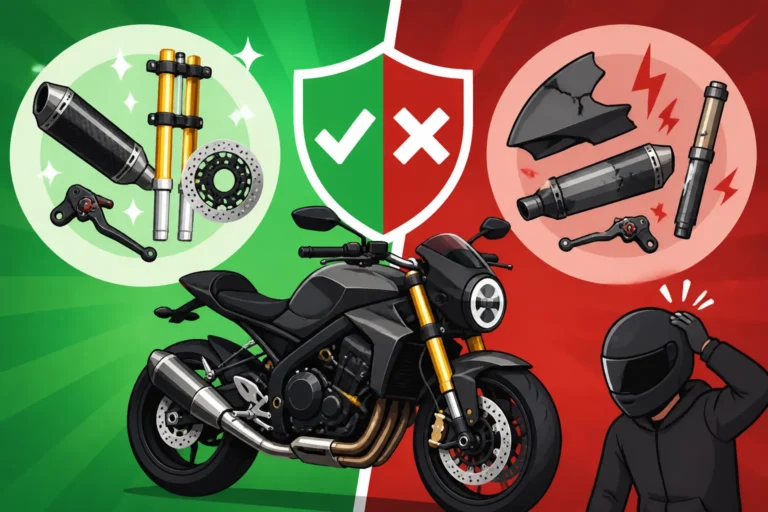
Let's face it: many trikes are either factory-built with premium features or are custom conversions. Sidecars themselves are often unique, bespoke additions. This means they're usually decked out with more than just the basics. Standard motorcycle insurance policies typically include a limited amount of coverage for custom parts and accessories, sometimes as little as $1,000 or $3,000. However, for a full trike conversion kit, an elaborate sidecar, or extensive aftermarket chrome, paint, audio systems, or engine modifications, that small amount can be woefully inadequate.
If your policy only covers $3,000 for accessories and you've put $15,000 into a trike conversion, you're looking at a huge out-of-pocket expense after an accident or theft. This is why adding specific Accessories & Custom Parts Coverage Explained is paramount. Most insurers, including major players like Progressive and Dairyland, offer options to increase this coverage substantially, sometimes up to $30,000 or even more, depending on the value of your modifications. It's absolutely crucial to itemize your custom parts and their value, keep receipts, and communicate these details clearly to your insurance agent when you're setting up or updating your policy. Otherwise, you might find yourself heartbroken and under-insured if something happens to your pride and joy.
Agreed Value vs. Actual Cash Value
For unique and often highly customized vehicles like trikes and sidecars, the payout method in the event of a total loss is a massive consideration. Most standard policies use Actual Cash Value (ACV), meaning the insurer will pay out the depreciated value of your vehicle at the time of the loss. For a newer, stock trike, this might be fine. But for a vintage sidecar rig, a highly customized trike build, or a rare model, ACV can be a huge disappointment. The market value of your unique machine might not reflect the true cost of replacement or the investment you've made.
This is where Agreed Value coverage becomes a game-changer. With an agreed value policy, you and the insurance company agree on the value of your trike or sidecar when you purchase the policy. If it's a total loss, that's the amount you get, no questions asked about depreciation. This is incredibly beneficial for custom builds, collector trikes, or any setup where market value doesn't truly capture its worth. Many riders with significant investments in their three-wheelers seek out insurers that offer agreed value, even if it comes at a slightly higher premium. Services like The Zebra can sometimes help you identify carriers that offer this specialized type of valuation for your unique ride. It's a key distinction that can make all the difference if your cherished vehicle is totaled. For a deeper dive, check out Agreed Value vs Stated Value vs Actual Cash Value.
Roadside Assistance and Trip Interruption
While any motorcyclist can benefit from roadside assistance, it takes on a different dimension when you're on a trike or hauling a sidecar. Imagine getting a flat tire on a two-wheeler; sometimes you can manage a roadside repair or a quick push to a shop. But a flat on a trike, or a breakdown with a loaded sidecar, often means you're stuck and definitely need a tow.
Roadside assistance coverage typically includes towing services to the nearest qualified repair shop if your vehicle breaks down, runs out of fuel, or gets a flat. For trikes and sidecars, you’ll want to confirm that the towing service can accommodate a three-wheeled vehicle, as some standard motorcycle towing services might not be equipped for the wider stance or additional weight. Additionally, if you frequently take your trike or sidecar on longer journeys, trip interruption coverage can be a lifesaver. This add-on provides reimbursement for expenses like lodging, food, and alternative transportation if your vehicle breaks down a certain distance from home. It's a small premium for a lot of peace of mind, especially when you're out exploring with your unique rig. You can learn more about this by reading Roadside Assistance & Towing for Motorcycles.
How to Shop for Trike and Sidecar Insurance
Finding the right insurance for your three-wheeled machine can feel like a quest, but with a bit of savvy, you can secure comprehensive coverage that fits your needs and budget. It's about being informed, thorough, and asking the right questions.
Comparing Quotes and Companies
Don't settle for the first quote you receive. Insurance rates for trikes and sidecars can vary significantly between providers, primarily because some insurers specialize in unique vehicles or have more experience with their specific risks. While major carriers like Progressive and State Farm certainly offer policies for these vehicles, sometimes smaller, specialized insurers or brokers might provide more tailored options or better rates, particularly for highly customized setups.
It’s always a good idea to cast a wide net and compare options. Use online comparison tools or work with an independent agent who can shop around multiple companies for you. When using platforms like The Zebra, make sure to accurately describe your vehicle – whether it's a factory trike, a conversion, or a motorcycle with a removable sidecar. Precision in your details will lead to more accurate quotes. Remember, the goal isn't just the cheapest premium; it's finding the best balance of comprehensive coverage and affordability for your specific three-wheeled pride and joy. Understanding How to Compare Motorcycle Insurance Quotes can really help in this process.
Disclosing Modifications and Attachments
This cannot be stressed enough: be completely transparent with your insurance provider about all modifications, conversions, and attachments on your trike or sidecar. Hiding custom work or not fully disclosing the presence of a sidecar is a recipe for disaster if you ever need to file a claim. If your policy is based on incomplete or inaccurate information, the insurer could deny a claim, leaving you responsible for all damages.
When you're getting a quote, whether through an agent or an online service like The Zebra, be ready to provide:
- The make, model, and year of your base motorcycle (if it's a conversion or sidecar addition).
- Details about the trike conversion kit (manufacturer, model, cost).
- Information about the sidecar (manufacturer, model, how it's attached, cost).
- A list of any other significant custom parts or accessories, with their estimated values.
Keeping detailed records, including receipts and photos of your modifications, will be invaluable during the quoting process and especially if you ever need to file a claim. The more information you provide upfront, the smoother the insurance process will be, and the more confident you can be that your special ride is properly protected. Don't forget that several factors can influence your premiums, so it's good to know What Affects Your Motorcycle Insurance Rate? before you start shopping.
Trike and Sidecar Insurance Considerations Summary
Let's break down the key differences and special needs for insuring your three-wheeled ride. While the core coverages are similar to a two-wheeler, the details for trikes and sidecars demand a closer look.
| Feature / Coverage Area | Standard Two-Wheeler Motorcycle | Trike / Sidecar Rig |
|---|---|---|
| Vehicle Classification | Straightforward "Motorcycle" | Can be "Motorcycle," "Three-Wheeled Motorcycle," or "Auto" (rarely) |
| Liability | Standard coverage for injury/damage to others | Crucial; higher limits often recommended due to larger footprint/weight |
| Collision/Comprehensive | Covers damage/loss to your bike | Essential due to higher vehicle value & potential for custom components |
| Custom Parts/Accessories | Basic coverage, easily maxed out for significant mods | Critical add-on; standard limits almost always insufficient for conversions or bespoke sidecars |
| Valuation (Total Loss) | Often Actual Cash Value (depreciated) | Agreed Value strongly recommended for custom builds/unique models |
| Roadside Assistance | Convenient for breakdowns, flat tires | Highly recommended; ensures tow services can handle 3-wheelers |
| Riding Dynamics/Risks | Leans into turns, different stability | Doesn't lean, wider stance, different handling & accident profiles |
| Premium Factors | Age, bike type, record, location | All standard factors plus conversion type, sidecar make/model, custom value |
This table clearly highlights why a generic motorcycle policy might fall short for these specialized machines. You really need to scrutinize the specifics to ensure adequate protection. If you're looking for ways to save, considering all available Motorcycle Insurance Discounts You're Missing can also help balance the cost of these specialized coverages.
Final Thoughts on Protecting Your Three-Wheeled Adventure
Riding a trike or a motorcycle with a sidecar is all about embracing freedom and a unique style of adventure. Don't let insurance worries put a damper on that spirit. The good news is that reliable coverage is available, but it requires a bit more attention to detail than insuring a standard two-wheeled motorcycle.
By understanding how these vehicles are classified, recognizing their unique risks, and specifically seeking out crucial coverages like enhanced custom parts protection and agreed value, you can ensure your investment is fully protected. Don't hesitate to reach out to different insurance providers, ask plenty of questions, and leverage comparison tools like The Zebra to find the policy that perfectly fits your three-wheeled dream machine. Safe riding!
Disclaimer
This article is for general informational purposes only and does not constitute professional advice. Laws, prices and regulations vary by location and change over time. Consult a qualified professional for guidance on your specific situation.