What Does an Insurance Adjuster Check After a Motorcycle Claim?
Getting into a motorcycle accident is one of the most jarring, frustrating experiences a rider can face. Beyond the immediate shock and potential injuries, a huge layer of stress comes from navigating the aftermath, especially when it comes to dealing with insurance. You've filed your claim, you've reported the incident, and now the insurance adjuster is coming to assess the damage to your beloved bike. It's natural to feel a mix of anxiety and curiosity about what exactly they'll be looking for and how it will impact your claim. This guide will pull back the curtain on an insurance adjuster's process, helping you understand their role and what to expect when they examine your motorcycle after a claim.
The Adjuster's Initial Assessment and First Contact
Once you've reported a motorcycle accident or incident to your insurance provider, one of the first crucial steps is the assignment of an insurance adjuster. This individual is effectively the eyes and ears of the insurance company, tasked with investigating the claim to determine coverage, liability, and the extent of damages. Their job is to ensure that the claim is handled fairly, both for you, the policyholder, and for the insurer.
Understanding the Adjuster's Role in Your Claim
It’s easy to feel like the adjuster is working against you, especially when you're already reeling from an incident involving your motorcycle. However, understanding their primary responsibilities can help you navigate the process more effectively. An adjuster isn't just there to find reasons to deny your claim; they're there to gather all pertinent facts to make an informed decision based on your policy and the circumstances. They'll look at everything from the incident report and witness statements to the physical damage on your bike. Their final assessment will directly influence the settlement offer you receive, so cooperating while also advocating for yourself is key. If you're wondering how to properly kick off this process, our guide on How to File a Motorcycle Insurance Claim offers a detailed walkthrough.
What They Look for at the Scene (If Applicable)
In some more serious or complex cases, an adjuster might visit the actual scene of the accident, especially if there are significant discrepancies in reports or if fault is hotly contested. While this isn't always the case, if they do visit, they're looking for physical evidence that supports the narrative of the incident. This can include:
- Skid Marks and Debris Fields: The length and direction of skid marks can indicate speed and braking, while the spread of vehicle debris can help determine the point of impact and the force involved. These details are critical in reconstructing the accident.
- Road Conditions and Hazards: Potholes, poor lighting, obscured signs, or spilled liquids can all contribute to an accident and affect liability. The adjuster will note these environmental factors.
- Traffic Signs and Signals: They'll verify the presence and condition of any relevant traffic controls, which is vital for establishing compliance or violations of traffic laws.
More often, adjusters rely on police reports and photographic evidence from the scene, so always make sure to document everything yourself if you're able to right after an incident. Our detailed post on What to Do After a Motorcycle Accident is a must-read for preparing for these situations.
Deep Dive into Motorcycle Damage Assessment
Once the preliminary information is gathered, the adjuster's focus shifts heavily to your motorcycle itself. This is where the rubber meets the road, so to speak, in terms of determining the financial impact of the damage. They meticulously examine your bike, often with the help of a professional appraiser or mechanic.
Visible and Obvious Damage
This is the stuff that hits you first: the scrapes, the dents, the broken bits. The adjuster will document every piece of visible damage.
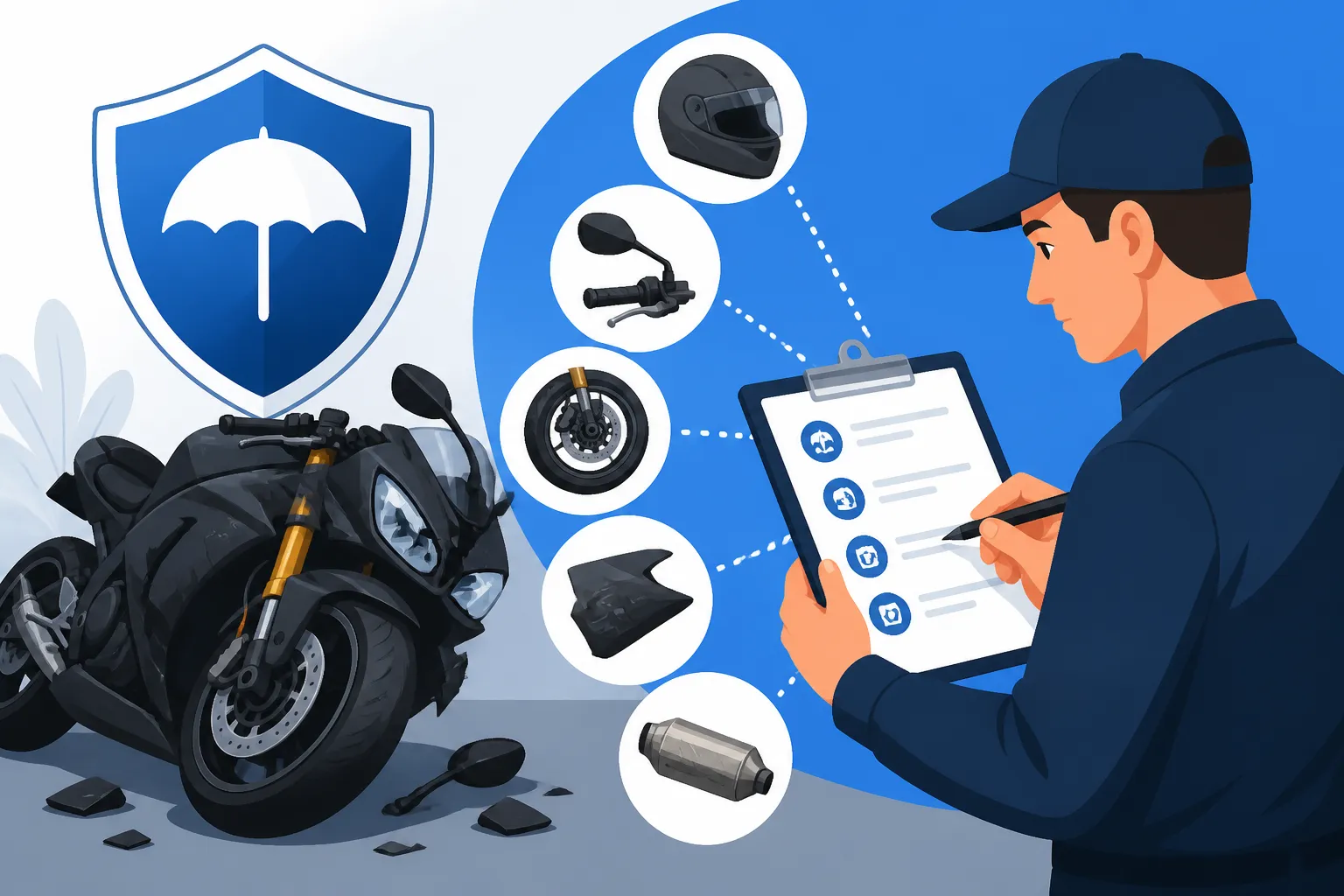
- Fairings, Panels, and Bodywork: Scratches, cracks, and outright breaks on plastic or fiberglass components are immediately apparent. They'll photograph these from multiple angles, often with a measuring tape for scale. They're not just looking for surface damage but also assessing if mounting points are compromised, which can lead to larger structural issues.
- Handlebars, Levers, and Foot Pegs: Bent handlebars, broken clutch or brake levers, or mangled foot pegs are common indicators of impact or a tip-over. These items are crucial for safe operation, so even minor bends will likely necessitate replacement.
- Wheels, Tires, and Suspension Components: Dents in rims, scuffs on tires, or visible damage to fork tubes and rear shocks are carefully noted. They'll check for alignment issues as well, which can be critical for the bike's handling and safety. Even a slight bend in a fork can mean a significant repair.
- Exhaust Systems: Scrapes, dents, or bends in the exhaust pipes or muffler are common, especially in side impacts or slides. Adjusters will assess if the damage is cosmetic or if it affects the functionality and structural integrity of the exhaust.
Hidden and Mechanical Damage
This is often where the real cost lies, and where an experienced adjuster or mechanic earns their keep. Hidden damage can be far more extensive and expensive than what meets the eye.
- Frame Integrity: A bent or cracked frame can often lead to a total loss declaration. Adjusters look for buckling, twists, or stress fractures in the frame, particularly at weld points or where components attach. Even a subtle misalignment can make a bike unsafe to ride. This is a critical component that often goes overlooked by the untrained eye.
- Fork and Triple Tree Alignment: Beyond visible damage to the forks, an adjuster will assess if the front end is out of alignment, often indicating damage to the triple trees (the clamps that hold the forks to the frame) or steering head. Misalignment severely affects handling and rider safety.
- Engine and Transmission Damage: Impact can transmit force through the frame to the engine and transmission cases, leading to cracks, oil leaks, or internal damage. The adjuster will check for obvious signs of impact on the engine cases and might recommend a mechanical inspection to uncover internal issues. This is especially true for bikes that had significant impact force.
- Electrical Systems: Wiring harnesses can be pinched, connections can be severed, or components like the ECU, lights, and gauges can be damaged in a crash. They'll visually inspect accessible wiring and note any non-functional electrical components.
- Braking System Components: Beyond bent levers, they'll inspect brake calipers, rotors, and lines for damage or leaks. A compromised braking system is an obvious safety hazard.
Assessing Riding Gear and Accessories
It's not just the motorcycle itself; your riding gear and any custom parts you've added also factor into the claim.
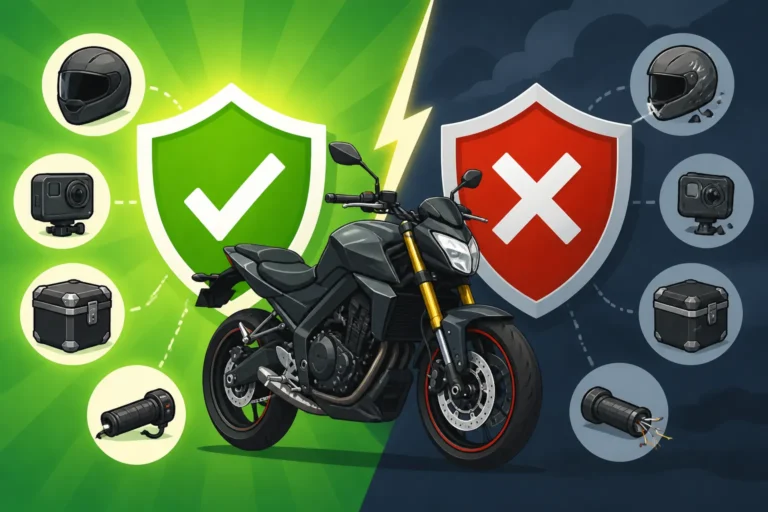
- Helmets: Helmets are designed to protect you in a single impact. Even if there's no visible damage, many manufacturers and insurance companies recommend replacing a helmet after any impact, as its protective integrity may be compromised. The adjuster will note the helmet's condition and if it was worn during the incident.
- Jackets, Pants, Gloves, and Boots: Tears, scuffs, or significant damage to your protective apparel will be assessed. If these items were damaged in the same incident that damaged your bike, they're often covered under comprehensive or collision coverage, depending on your policy.
- Custom Parts and Accessories: Aftermarket exhaust systems, custom paint jobs, saddlebags, navigation units, or upgraded suspension components – these can add significant value to your bike and significantly increase repair costs. The adjuster will look for proof of these additions (receipts, photos) and assess their damage. This is precisely why having Accessories & Custom Parts Coverage Explained on your policy is so important. Without it, you might be out of luck for these often-expensive additions.
Documentation and Data: Building the Claim File
The adjuster's job isn't just about looking at bent metal; it's about building a comprehensive file. This involves collecting and reviewing a mountain of paperwork and digital records to paint a full picture of the claim.
The Role of the Police Report
The police report is often the bedrock of any motorcycle accident claim. It provides an official, third-party account of the incident and usually includes:
- Officer's Findings: Details about the accident location, time, and weather conditions.
- Witness Information: Names and contact details of any independent witnesses.
- Citations Issued: If any party was cited for a traffic violation, this is a strong indicator of fault.
- Diagrams and Photos: Often, officers will include sketches or photos of the scene, showing vehicle positions and points of impact.
The adjuster will scrutinize this report for consistency with other evidence and to help establish liability.
Your Policy Details and Coverage Limits
This is where your insurance contract comes into play. The adjuster will meticulously review your specific policy to understand what coverages you have, your limits, and your deductibles. They'll confirm:
- Liability Coverage: To cover damages or injuries you might be responsible for if you're at fault.
- Collision Coverage: For damage to your own motorcycle resulting from a collision.
- Comprehensive Coverage: For non-collision events like theft, vandalism, fire, or hitting an animal.
- Uninsured/Underinsured Motorist (UM/UIM): Critical if the other party lacks adequate insurance.
- Medical Payments (MedPay) or Personal Injury Protection (PIP): For your medical expenses, regardless of fault.
Understanding the nuances of your policy, especially what your Types of Motorcycle Insurance Coverage Explained actually covers, is paramount. They'll ensure that the damages claimed fall within the scope of your purchased coverages and within the specified limits. For example, if you only have minimum liability, they won't be assessing your bike for collision damage.
Repair Estimates and Total Loss Considerations
The adjuster will typically get one or more repair estimates from qualified motorcycle repair shops. These estimates detail the cost of parts, labor, and any necessary paintwork.
- Comparing Estimates: They might obtain multiple estimates to ensure competitive pricing and that the proposed repairs are reasonable and necessary.
- Total Loss Threshold: If the cost of repairs (plus salvage value, in some states) exceeds a certain percentage of your motorcycle's Actual Cash Value (ACV), the bike will be declared a "total loss." This threshold varies by state and insurer, but it's a critical calculation. Our article on What Happens When Your Motorcycle Is Totaled? goes into this process in more detail.
- Actual Cash Value vs. Agreed Value: The adjuster calculates the ACV of your motorcycle, which is its fair market value just before the incident, accounting for depreciation, mileage, and condition. If you have an "agreed value" policy, the payout will be based on a predetermined value. This distinction is thoroughly explored in our post on Agreed Value vs Stated Value vs Actual Cash Value.
| Assessment Area | What the Adjuster Looks For (Examples) | Why It Matters |
|---|---|---|
| Scene Documentation | Skid marks, debris, road hazards, traffic signs, police report details. | Establishes accident dynamics, potential fault, and contributing factors. |
| Visible Damage | Scratches, dents, cracks on fairings, bent levers, broken mirrors, damaged exhaust. | Direct cost of replacement parts and labor for cosmetic/functional components. |
| Structural Damage | Bent frame, twisted forks, compromised swingarm, subframe damage. | Safety, rideability, often leads to total loss due to high repair costs. |
| Mechanical Damage | Engine casing cracks, fluid leaks, transmission issues, electrical system faults. | Impacts core functionality, requires specialized diagnosis and expensive repairs. |
| Gear/Accessories | Damage to helmet, jacket, boots, custom exhaust, navigation, saddlebags. | Reimbursable personal property/custom parts under specific coverages. |
| Policy Review | Coverage types (Liability, Collision, Comp), limits, deductibles, endorsements (e.g., custom parts). | Determines what the policy will pay for and up to what amount. |
| Repair Estimates | Detailed breakdown of parts, labor, paint, taxes from certified shops. | Basis for repair payout or total loss calculation. |
| Motorcycle Value | Pre-accident market value (ACV), depreciation, mileage, condition (or agreed value if applicable). | Defines the maximum payout for total loss or repair thresholds. |
Factors Influencing the Adjuster's Final Decision
The adjuster's final recommendation and the subsequent settlement offer are not arbitrary. They are the culmination of all the data and evidence collected, filtered through the lens of your insurance policy and state regulations.
Fault Determination
This is arguably the most significant factor. Who was at fault?
- Evidence Review: The adjuster uses police reports, witness statements, accident reconstruction, and physical evidence to determine who is primarily responsible for the accident.
- Impact on Payout: If you are deemed at fault, your collision coverage (if you have it) will pay for your bike's damage, and your liability coverage will pay for the other party's damages. If the other party is at fault, their liability insurance should cover your damages. States have different rules regarding comparative fault, which can affect the percentage of damages you can recover if both parties share some blame.
- Legal Implications: Fault can also lead to legal ramifications beyond insurance, such as traffic citations or lawsuits, although the adjuster's role is primarily insurance-related.
Your Specific Coverage and Limits
As mentioned earlier, your policy is the contract. The adjuster can only approve claims that fall within your chosen coverages and up to your stated limits.
- Deductibles: You'll be responsible for your deductible before your insurance company starts paying for covered damages. The adjuster will factor this into the final payout.
- Endorsements: If you added specific endorsements like What Is OEM Parts Coverage on a Motorcycle? or roadside assistance, the adjuster will ensure these are applied where relevant. This is where those extra coverages really shine, ensuring you're not left footing the bill for unique parts or services.
State-Specific Regulations
Motorcycle insurance is regulated at the state level, and these laws can influence an adjuster's process.
- Minimum Requirements: Each state has minimum liability insurance requirements, and these might come into play if you're dealing with an underinsured motorist or if your own liability is being assessed. You can learn more about this in our Motorcycle Insurance Requirements by State (2026 Guide).
- Financial Responsibility Laws: Some states operate under "financial responsibility laws" where you're required to prove you can cover damages you cause, even if you don't have traditional insurance. This impacts how a claim is handled if one party is uninsured. Our post on Financial Responsibility Laws for Riders breaks this down.
- Total Loss Formulas: As discussed, the threshold for declaring a bike a total loss varies by state, directly affecting the adjuster's calculation of your bike's value versus repair costs.
Working with Your Adjuster and Advocating for Your Claim
Dealing with an insurance claim can be overwhelming, but remember, you have rights, and being proactive can significantly impact the outcome.
Effective Communication and Documentation
Your interaction with the adjuster is crucial.
- Be Prepared: Have all your documentation ready: accident report numbers, photos you took, witness contact information, receipts for custom parts, and medical records if applicable. The more organized you are, the smoother the process will be.
- Be Honest and Specific: Provide accurate information. Don't exaggerate, but don't downplay your damages or injuries either.
- Keep Records: Document every interaction: date, time, who you spoke with, what was discussed, and any agreements made. Follow up important conversations with an email to create a paper trail.
- Provide Your Own Evidence: Don't rely solely on the adjuster's findings. If you have clear photos of the damage, video from a helmet cam, or statements from your own witnesses, share them. This can sometimes counter initial assumptions or provide details the adjuster might have missed.
Understanding Your Options and Recourse
Sometimes, despite your best efforts, you might feel the adjuster's offer is too low or that your claim isn't being handled fairly.
- Negotiate: Don't be afraid to negotiate. If you have repair estimates that are higher, or if you believe the adjuster's ACV for your motorcycle is too low, present your evidence. This could include recent sales data for similar bikes in your area or receipts for maintenance that kept your bike in excellent condition. Our guide on How to Negotiate a Motorcycle Total Loss Settlement provides practical tips for this exact scenario.
- Seek Independent Appraisals: For significant damage or a total loss, you can obtain an independent appraisal of your motorcycle's value or repair costs. This might involve hiring a neutral third-party expert.
- Consult a Lawyer: If you're struggling to reach a fair settlement, or if there are serious injury claims involved, consulting a personal injury lawyer specializing in motorcycle accidents can be a wise move. They can advocate on your behalf and navigate complex legal and insurance procedures.
- File a Complaint: If you believe your insurer is acting in bad faith, you can file a complaint with your state's Department of Insurance. This should generally be a last resort.
Managing Expectations for the Timeline
Insurance claims rarely resolve overnight. The process involves multiple steps, assessments, and communications.
- Investigation Phase: This can take days to weeks, depending on the complexity of the accident and the availability of information.
- Repair Estimates and Approvals: Getting estimates and approving repairs (or declaring a total loss) adds more time.
- Payout Process: Once a settlement is reached, the actual payment can take several more days.
While there's no fixed timeline, understanding the typical steps involved can help you manage your expectations. Our article How Long Does a Motorcycle Insurance Claim Take? delves deeper into this often frustrating waiting game. Throughout this entire process, companies like The Zebra can be a great resource for comparing market values for motorcycles, helping you confirm if an adjuster’s offer aligns with current pricing, especially when you're trying to figure out if you're getting a fair shake.
Disclaimer
Please remember that this article provides general information about motorcycle insurance claims and the role of an adjuster. Insurance policies, coverages, and state laws vary widely. It is crucial to review your specific policy documents and consult with your insurance provider or a qualified legal professional for advice tailored to your individual situation. The information provided here is not a substitute for professional legal or insurance advice.