Roadside Assistance & Towing for Motorcycles
There’s nothing quite like the freedom of the open road on two wheels, but let’s be honest, every rider has that quiet fear in the back of their mind: what happens if your bike decides to quit on you in the middle of nowhere? Breaking down on a motorcycle isn't just an inconvenience; it can be downright dangerous and incredibly stressful. This comprehensive guide is here to unravel everything you need to know about motorcycle roadside assistance and towing coverage, ensuring you’re prepared for whatever the road throws your way.
What Exactly Is Motorcycle Roadside Assistance Coverage?
When you’re out there, cruising along, the last thing you want is for your ride to sputter to a halt. Motorcycle roadside assistance coverage is essentially your personal safety net for those unexpected mechanical glitches or roadside emergencies. It’s an add-on service designed to get you and your bike to a safe place or get you back on the road with minimal fuss. Think of it as your guardian angel on call, ready to swoop in when your trusty steed decides to take an unplanned nap.
Beyond Just a Flat Tire: What's Covered?
While many riders immediately think of a flat tire when they hear "roadside assistance," this coverage often extends far beyond that single scenario. It’s a package deal that covers a range of common, frustrating breakdowns. Imagine you’re on a long-distance tour, maybe somewhere in rural Georgia, and suddenly your battery dies. With roadside assistance, a service vehicle can be dispatched to give you a jump-start. Or perhaps you misjudged your fuel tank and ran out of gas miles from the nearest station; many policies will bring you enough fuel to get to the next pump.
Beyond those, coverage can include minor mechanical adjustments that can be done on the spot, like a loose chain or a minor electrical issue that prevents your bike from starting. If your key decides to play hide-and-seek or simply breaks in the ignition, locksmith services are often part of the deal. The goal is to provide immediate, on-site help to resolve small issues and prevent you from being utterly stranded. It’s not about fixing major engine problems, but rather addressing those common, irritating hiccups that can ruin a ride.
The Difference Between Towing and Roadside Assistance
It’s easy to use "roadside assistance" and "towing" interchangeably, but there's a crucial distinction. Roadside assistance refers to those minor services performed directly at the breakdown site – the jump-start, the tire change, the fuel delivery. These are designed to get your bike operational again quickly without moving it.
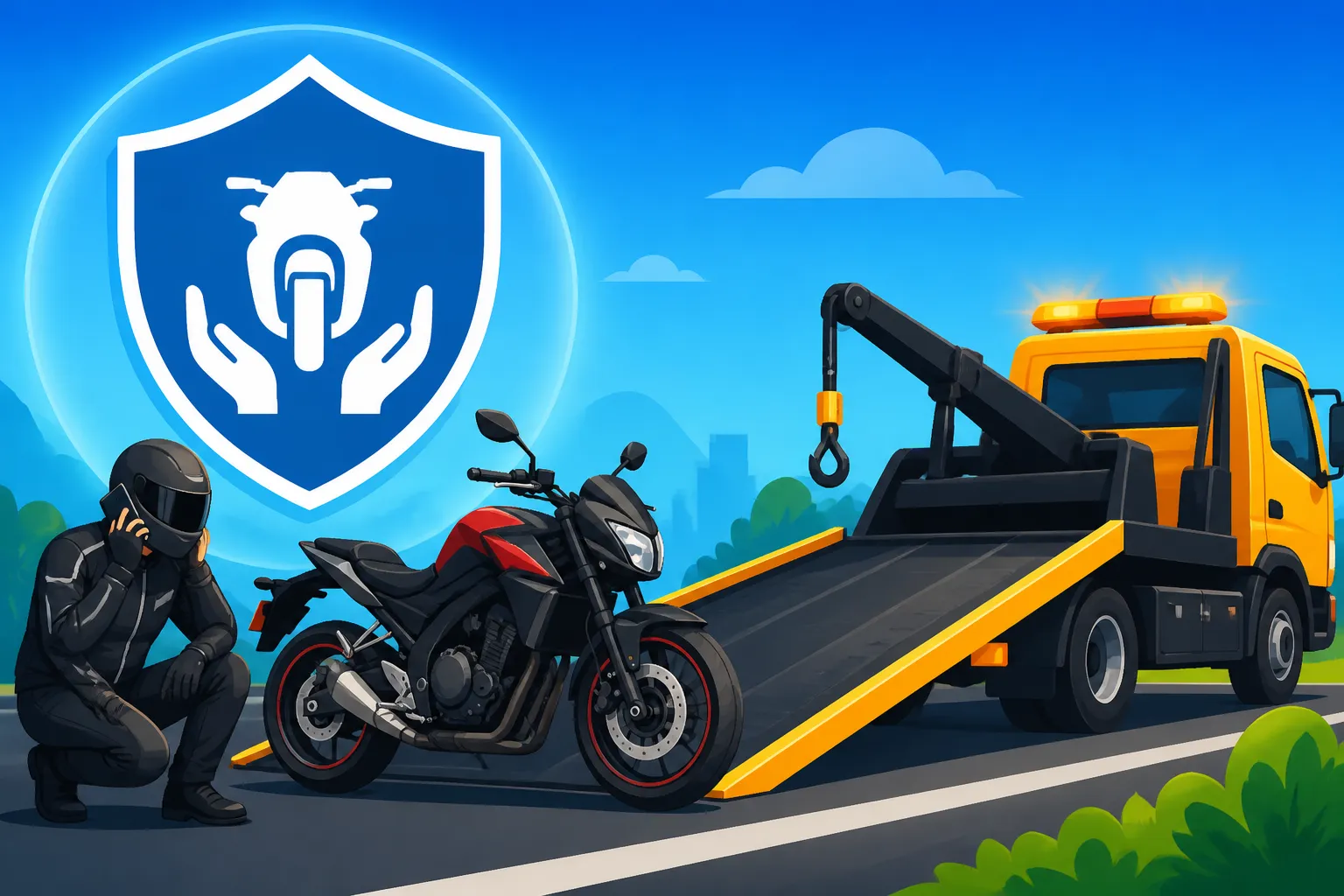
Towing, on the other hand, comes into play when those quick fixes aren't enough, or if the problem is too severe for on-site repair. If your transmission gives out on Interstate 10 in Arizona, or you have a major engine malfunction, you're not getting a roadside patch-up. That’s when towing coverage kicks in to transport your motorcycle to the nearest qualified repair shop or a location of your choice within a specified distance. While they often come bundled together as part of a single "roadside assistance" package, understanding that difference is key to knowing what help to expect when you call. Knowing the nuances of your coverage can save you a headache when you're actually stuck on the side of the road.
Why Every Rider Needs Roadside Assistance
Let’s be honest, riding a motorcycle comes with inherent risks, but also incredible rewards. However, one common denominator for all riders is the potential for unexpected breakdowns. For motorcyclists, being stranded isn't just inconvenient; it can quickly become a serious safety concern. That's why roadside assistance isn't just a nice-to-have; it's a vital component of a comprehensive safety plan.
The Perils of Being Stranded on a Motorcycle
Picture this: you're riding solo on a less-traveled highway in, say, rural Idaho, the sun is starting to set, and suddenly your engine sputters and dies. There’s no cell service, no gas station in sight, and oncoming traffic isn't slowing down for your parked bike. This isn't just a hypothetical scenario; it's a reality many riders face. Being stranded on a motorcycle exposes you to a unique set of dangers. You're far more vulnerable than in a car; there's no protective metal cage, no climate control, and often, less visibility for other drivers.
Weather can become a significant threat quickly. A sunny afternoon can turn into a thunderstorm, or temperatures can drop rapidly, leaving you exposed. In remote areas, the risk of theft or vandalism to your unattended bike, while you seek help, is also a very real concern. Even in a busy urban environment, being stuck on the shoulder of a highway can be incredibly dangerous due to fast-moving traffic and distracted drivers. The vulnerability and exposure a motorcyclist faces when their bike breaks down are simply on another level compared to a car driver. You can read more about what types of motorcycle insurance coverage explained to see how roadside fits in with a full policy.
Peace of Mind for Long Rides and Daily Commutes
Beyond the obvious safety aspects, having motorcycle roadside assistance provides an invaluable layer of peace of mind. For those epic cross-country rides, knowing you have a reliable backup plan allows you to truly relax and enjoy the journey, rather than constantly worrying about what might go wrong miles from home. You're free to explore new routes, venture further, and simply immerse yourself in the riding experience.
It’s not just for grand adventures, either. Even for daily commuters navigating the busy streets of Los Angeles or the highways of Texas, roadside assistance offers comfort. A simple flat tire on your way to work can turn a normal day into a logistical nightmare. Knowing a quick call can get you help, whether it's a tire change or a tow to the nearest repair shop, alleviates a significant amount of stress. This allows you to focus on the ride itself, knowing that if something does go wrong, you won't be left alone to figure it out. Companies like The Zebra offer tools to compare different insurance providers that include this coverage, making it easier to find a plan that fits your needs and gives you that essential peace of mind.
How Roadside Assistance Works for Motorcycles
So, your bike broke down. Now what? The process for getting help through your motorcycle roadside assistance coverage is typically straightforward, but knowing the steps beforehand can make a stressful situation much more manageable. It's not just about making a call; it's about staying safe and providing the right information to get the fastest help.
The Step-by-Step Process When You Break Down
The moment your bike gives up the ghost, your first priority is safety. If possible, pull over to the furthest possible side of the road or into a safe pull-off area. Turn on your hazard lights immediately to increase your visibility to other drivers, especially if it's dark or weather conditions are poor. If you have a safety vest or reflective triangles, now is the time to deploy them. Once safe, retrieve your insurance card or membership information that includes the roadside assistance contact number.
Next, make the call. When you speak to the representative, clearly state your location (be as specific as possible, including highway numbers, exits, mile markers, and cross streets), the type of motorcycle you ride, and the nature of the breakdown. They will ask for your policy number or membership ID. The dispatcher will then arrange for a service vehicle to come to your aid. Stay by your bike in a safe spot, but away from traffic, until help arrives. If you need to file a claim later, knowing what to do after a motorcycle accident can be useful, even for a breakdown.
Understanding Service Limits and Towing Distances
One of the most important aspects of your roadside assistance coverage is understanding its limits, particularly when it comes to towing. Most policies don't offer unlimited towing; rather, they specify a maximum towing distance, often anywhere from 15 to 100 miles, or up to a certain dollar amount per incident. For instance, a policy might cover towing up to 35 miles to the nearest qualified repair facility. If your breakdown occurs 60 miles from the nearest suitable shop, you'd be responsible for the extra 25 miles of towing costs.
It’s also crucial to clarify if the towing distance is "to the nearest qualified repair facility" or "to a destination of your choice." The latter offers more flexibility, allowing you to take your bike to your trusted mechanic rather than just the closest one. Some premium plans might offer longer towing distances or a higher dollar allowance per tow. Always check your policy details so you're not surprised by unexpected fees. This table illustrates typical towing limits you might encounter:
| Provider/Policy Type | Towing Distance Limit | Notes |
|---|---|---|
| Basic Insurance Add-on | 15-25 miles | Often to the nearest qualified facility. May have a low per-incident limit. |
| Mid-Tier Insurance Add-on | 30-50 miles | More flexibility, sometimes to a destination of choice within range. |
| Premium Insurance Add-on | 75-100 miles | Higher dollar limits, wider choice of destination. |
| AAA (Motorcycle) | 7-200 miles | Varies by membership level (Basic, Plus, Premier). Higher levels offer longer tows. |
| Motorcycle Manufacturer | Varies by brand | Often limited to warranty period, typically 30-50 miles. Specific brand service. |
When comparing options, consider how far you typically ride and the density of repair shops in those areas. Tools like those on The Zebra can help you compare coverage details, including towing limits, from various providers side-by-side.
What Happens If Your Bike Needs More Than a Quick Fix?
If the roadside technician determines your bike needs more than a simple battery jump or tire change – perhaps it's a blown head gasket or a major electrical failure – then the towing portion of your coverage becomes critical. The service provider will typically tow your motorcycle to the repair shop you designate, provided it's within your policy's towing limit.
Once your bike arrives at the shop, the roadside assistance provider's job is generally done. At this point, any repair costs become your responsibility, or they might be covered by other parts of your insurance policy, such as collision or comprehensive coverage, depending on the cause of the breakdown. For example, if your bike was damaged in an accident, collision coverage would likely kick in for repairs after the tow. If it was vandalized or caught fire, comprehensive coverage would apply. It’s a good idea to understand what does full coverage motorcycle insurance mean, so you know all your bases are covered beyond just the tow. Always coordinate with your primary insurance carrier if the breakdown might lead to a larger claim.
Different Ways to Get Roadside Assistance Coverage
You've decided that motorcycle roadside assistance is a non-negotiable for your riding adventures – smart move! But where do you actually get it? There are several avenues, each with its own benefits and considerations. Understanding your options will help you choose the best fit for your riding style and budget.
Adding It to Your Motorcycle Insurance Policy
For many riders, the easiest and often most affordable way to get roadside assistance is by adding it as an endorsement to their existing motorcycle insurance policy. Most major insurance carriers, like Progressive, Geico, Dairyland, and Markel, offer this as an inexpensive add-on. We're talking about a few extra dollars a month, sometimes even less, for a significant boost in peace of mind.
The biggest pro here is convenience. It's bundled with your existing policy, meaning one bill, one point of contact, and all your information is already on file. You don't have to manage a separate membership or remember different details. Plus, since insurance companies often have extensive networks of towing and service providers, you usually get reliable service. However, it's worth noting that the specific limits (like towing distance) can vary greatly, so always check the fine print. For instance, if you have minimal liability coverage, adding roadside assistance might still make your total premium quite reasonable. You can research how much is motorcycle insurance and factors affecting cost to see how this add-on impacts your overall premium.
Standalone Memberships and Third-Party Services
Another popular option is to sign up for a standalone roadside assistance membership or utilize a third-party service. The most well-known example here is AAA, which offers motorcycle-specific coverage options as part of its various membership tiers. Organizations like the American Motorcyclist Association (AMA) also provide roadside assistance benefits to their members, often with a focus on motorcycle-specific needs.
The benefits of these standalone services are often broader. AAA, for instance, typically covers you in any vehicle you're driving, not just your motorcycle, which is great if you also own a car or often borrow vehicles. These memberships often include additional perks like trip interruption benefits, travel discounts, and locksmith services, which can be invaluable on long trips. A potential downside is the separate annual fee and the need to remember a different membership number and contact information. These services usually won't impact your insurance rates directly if you use them, unlike claims through your insurance provider, and they often offer higher towing limits.
Manufacturer-Provided Roadside Assistance
If you’ve recently purchased a brand-new motorcycle, especially from a premium brand, you might already have roadside assistance coverage without even knowing it! Many motorcycle manufacturers include a period of complimentary roadside assistance with the purchase of a new bike. Brands like Harley-Davidson, BMW, Honda, and Kawasaki often offer this as part of their new vehicle warranty package.
This coverage is usually premium-level, often with specific benefits tailored to the brand's motorcycles, sometimes even including flatbed towing as a standard to prevent damage to your bike. The catch? It's typically limited in duration – usually for the first year or two of ownership. Once that period expires, you'll need to seek coverage through an insurance add-on or a standalone membership. It's a fantastic perk while it lasts, providing excellent peace of mind during your initial ownership, but it's not a long-term solution. When you're considering your options for how to get cheap motorcycle insurance, don't overlook this initial benefit if you've bought a new bike.
Key Factors to Consider When Choosing a Provider
Choosing the right roadside assistance provider for your motorcycle isn't a one-size-fits-all decision. What works for a daily commuter in a metropolitan area might not be ideal for a touring enthusiast who often ventures off the beaten path. Taking a moment to weigh these factors will help you make an informed choice and avoid disappointment when you actually need help.
Coverage Limits and Cost Comparison
The most tangible factors to compare are the coverage limits and the cost. As we discussed, towing distance is a big one. Does the policy cover 25 miles, 50 miles, or more? If you frequently ride far from home or major cities, a longer towing range is crucial. Some policies might also have limits on the number of service calls you can make in a year. Is it unlimited, or are you capped at two or three? Hitting that limit during an unlucky year could leave you scrambling for help on your own dime.
Then there's the cost. An insurance add-on might be as little as $10-$30 per year, making it an incredibly cheap layer of protection. Standalone memberships like AAA can range from $60-$150 annually, depending on the tier and benefits. While seemingly more expensive upfront, these often come with higher limits and additional perks. Don't just look at the lowest price; compare what you get for that money. A slightly higher premium for significantly better towing limits could save you hundreds if you ever need a long-distance tow. This is where resources like The Zebra come in handy; they allow you to compare multiple quotes and coverage details, including roadside assistance, from various insurers to find the best value.
Response Times and Service Network
What's the point of roadside assistance if help takes hours to arrive? Response time is a critical, though sometimes harder to quantify, factor. Larger providers often have more extensive networks of service vehicles and towing operators, which can translate to quicker response times, especially in well-populated areas. However, if you frequently ride in remote regions, it's worth inquiring about their service capabilities in those less-trafficked zones.
Some providers might use general towing services, while others specialize in motorcycle-specific transport. Ideally, you want a service that uses flatbed trucks or motorcycle dollies to safely transport your bike without causing further damage. A standard wheel-lift tow truck can damage a motorcycle if not properly secured. Don't be afraid to ask potential providers about the type of equipment they use for motorcycle towing. For riders venturing across state lines, it's also important to confirm that your chosen provider offers coverage nationwide. You can also explore Riding Across State Lines: Insurance & Helmet Rules to see if your primary insurance covers you.
Specific Motorcycle-Friendly Services
Motorcycles have unique needs compared to cars, and a truly motorcycle-friendly roadside assistance plan recognizes this. Beyond just proper towing equipment, look for providers that understand motorcycle mechanics. For example, a basic tire repair kit for a car might not be suitable for a motorcycle tire. Does the service have the correct tools for common motorcycle flat tires?
Another consideration is fuel delivery. While some services offer a gallon or two of gas, for a motorcycle, even that small amount can be enough to get you to a station. Furthermore, some policies might include transportation for the rider to a safe location if the bike is being towed far away or if the rider isn't comfortable waiting alone. These small, thoughtful additions can make a huge difference in a stressful situation. It’s not just about getting the bike moved; it’s about taking care of the rider too. Before you sign up, ensure you know what motorcycle coverage do you actually need, and if specific motorcycle-friendly services are included.
What's Not Covered by Standard Roadside Assistance
While motorcycle roadside assistance is a fantastic safety net, it's not a magic bullet that covers every conceivable scenario. Understanding its limitations is just as important as knowing what it does cover. This knowledge helps manage expectations and prevents unpleasant surprises when you're in a bind.
Accident-Related Towing vs. Breakdown Towing
This is a common point of confusion for many riders. Standard roadside assistance coverage is generally designed for mechanical breakdowns – things like a dead battery, a flat tire, running out of gas, or a minor engine issue that renders your bike inoperable.
However, if your motorcycle needs towing because of an accident, that typically falls under your collision coverage, not roadside assistance. For example, if you lay your bike down or are involved in a collision with another vehicle, the tow from the accident scene to a repair shop would be handled as part of your collision claim. Your roadside assistance would not typically cover this initial tow. Some comprehensive policies might include accident towing as a separate benefit, but it's not standard for a basic roadside assistance add-on. It's crucial to understand the distinction: roadside is for "oops, my bike stopped working," while collision is for "oops, I crashed my bike."
Preventable Issues and Mechanical Breakdowns
Roadside assistance is there for unexpected inconveniences, not for chronic neglect. It's not a substitute for proper motorcycle maintenance. For instance, if your battery is repeatedly dying because you haven't replaced it in five years, or your engine seizes because you skipped oil changes, while the tow might be covered, the underlying repair costs definitely won't be. Roadside assistance only covers the act of getting your bike to a repair facility or providing minor on-the-spot aid; it does not cover the cost of parts or labor for the actual repairs needed to fix the problem.
Think of it this way: if your tires are bald and you get a flat, the tire change might be covered, but the cost of new tires to replace worn-out ones is entirely on you. Similarly, if your bike breaks down due to known, unresolved mechanical issues that should have been addressed during routine maintenance, the service might still tow you, but don't expect them to foot the bill for fixing the actual breakdown.
Off-Road and Racing Exclusions
For those who love to get their wheels dirty or hit the track, be aware that most standard motorcycle roadside assistance policies come with specific exclusions for off-road riding, competitive events, or even riding on unpaved roads. If your dirt bike breaks down deep in the woods of Oregon or your sport bike stalls during a track day, your regular policy's roadside assistance likely won't cover it.
These activities are considered high-risk, and if you plan to participate in them, you'll need specialized coverage. Some niche insurers or enthusiast clubs offer specific off-road or track-day roadside assistance, but it’s separate from your everyday policy. Always check the terms carefully if you intend to venture off the pavement. This exclusion even applies to seemingly innocent activities like riding on a gravel road, so it’s essential to know the boundaries of your coverage. For specific needs, you might need to look into Off-Road & Dirt Bike Insurance Requirements to see what additional coverage applies.
Real-World Scenarios and Practical Tips
Knowing what roadside assistance is and how it works is one thing, but being prepared for when you actually need it is another. A little bit of foresight can go a long way in turning a potentially disastrous breakdown into a minor bump in the road. Let’s talk about some practical advice.
Prepping for a Trip: What to Carry and Who to Tell
Before you even turn the key for a long ride, a little preparation can save you a world of hurt. First, make sure you always have your phone fully charged, and consider carrying a portable power bank. A dead phone means no way to call for help. Next, ensure you have your roadside assistance contact number easily accessible, perhaps programmed into your phone and also written down on a card in your wallet – just in case your phone dies.
Consider carrying a small, basic tool kit that includes essentials like a tire repair kit (with CO2 cartridges or a mini-compressor), a set of Allen wrenches, a multi-tool, and duct tape. These simple items can sometimes fix a minor issue and prevent a tow altogether. Lastly, and this is crucial for solo riders, let someone know your route and your estimated time of arrival. Share your live location if your phone allows. That way, if you don't check in, someone knows where to start looking, which can be vital if you end up stranded without cell service. Think about your Motorcycle Insurance Requirements by State (2026 Guide) and make sure your policy covers you for interstate travel.
What to Do While Waiting for Help
Breaking down is stressful, but once you've made the call for help, your job shifts to staying safe and visible. As soon as your bike becomes disabled, try to maneuver it to the safest possible location – off the road, behind a guardrail, or on a wide shoulder. Turn on your hazard lights immediately. If it's dark, or visibility is poor due to weather, use any reflective gear you have, like a vest or reflective strips on your helmet or jacket, to make yourself more noticeable to passing traffic.
While waiting, try to stay calm. Panicking won’t make help arrive any faster. Stay with your motorcycle if it's safe to do so, but maintain a safe distance from active traffic. Avoid trying to flag down passing vehicles yourself, as this can be dangerous. If you have any water or snacks, now's the time to hydrate and maintain your energy, especially if you anticipate a long wait. Keep an eye out for the service vehicle, and when it arrives, be prepared to show your identification and policy details to confirm your identity.
Remember, your safety is paramount. Having roadside assistance gives you a powerful tool against the unexpected, but remaining alert and proactive in a breakdown situation can make all the difference. Knowing how to prepare, what documents you need to insure a motorcycle, and what to do will turn a potential nightmare into a manageable hiccup.
Disclaimer
This article is for general informational purposes only and does not constitute professional advice. Laws, prices and regulations vary by location and change over time. Consult a qualified professional for guidance on your specific situation.