Wisconsin Motorcycle Helmet Law
Riding through the rolling hills of the Driftless Area or cruising along the Lake Michigan shoreline is a dream for many Wisconsin riders, but navigating the legal landscape of safety gear can feel like a headache. Many riders find themselves unsure of when a helmet is a choice and when it is a mandate, leading to unnecessary stops or legal confusion. This guide clarifies every detail of the Wisconsin motorcycle helmet law to ensure you stay safe and compliant.
Understanding the Current Helmet Requirements in Wisconsin
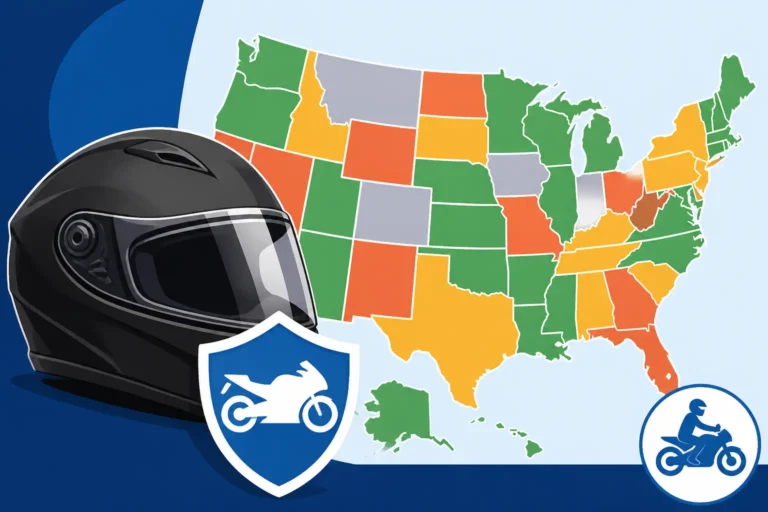
Wisconsin operates under what is known as a partial helmet law. Unlike "universal" states that require every single rider and passenger to gear up regardless of age or experience, the Badger State takes a tiered approach. This often leads to a bit of a "wait, do I need it or not?" moment for people visiting from out of state or those who have just recently obtained their license. If you are a veteran rider over the age of 18 with a full endorsement, the law generally views helmet use as a personal choice, but the nuances are where things get tricky.
The Age Factor: Who is Legally Required to Wear a Helmet
The most significant dividing line in Wisconsin law is the age of 18. If you are under 18 years old, whether you are the operator of the motorcycle or a passenger sitting on the pillion, you are legally required to wear a protective helmet. This is non-negotiable. Law enforcement in cities like Milwaukee or Madison is particularly vigilant about this during the busy riding season. If you are caught riding without one as a minor, you can expect a citation that will likely involve a fine and potentially impact your driving record before you even have a chance to fully establish it.
For parents and guardians, it is vital to understand that the responsibility often falls on you to ensure that younger riders are protected. Even if you are an adult rider who chooses to go lidless, if you have a 16-year-old on the back of your bike, they must be wearing a DOT-approved helmet. This distinction is a frequent point of confusion during family rides, and it is a common reason for being pulled over. It is also important to consider how your Motorcycle License, Endorsement & Insurance status affects your legal standing during a routine traffic stop.
Instructional Permits and the Law
New riders often fall into a secondary category of requirement. In Wisconsin, if you are operating a motorcycle under an instructional permit (often called a Class M permit), you are legally required to wear a helmet regardless of your age. This means a 40-year-old learning to ride for the first time must wear a helmet until they successfully pass their skills test and receive their full motorcycle endorsement.
This rule is designed to provide maximum protection during the highest-risk phase of a rider's journey—the learning period. Most accidents involving new riders occur within the first few months of riding, and the state mandates the helmet as a safety net during this educational phase. Once you transition from a permit to a full license, the mandatory requirement drops away for those over 18, but many safety experts recommend keeping the gear on as you continue to build muscle memory. If you are wondering about the broader context of these rules, you can look into how Is Motorcycle Insurance Required in Wisconsin? to see how legal compliance affects your overall standing as a rider.
Helmet Specifications: What Qualifies as Legal
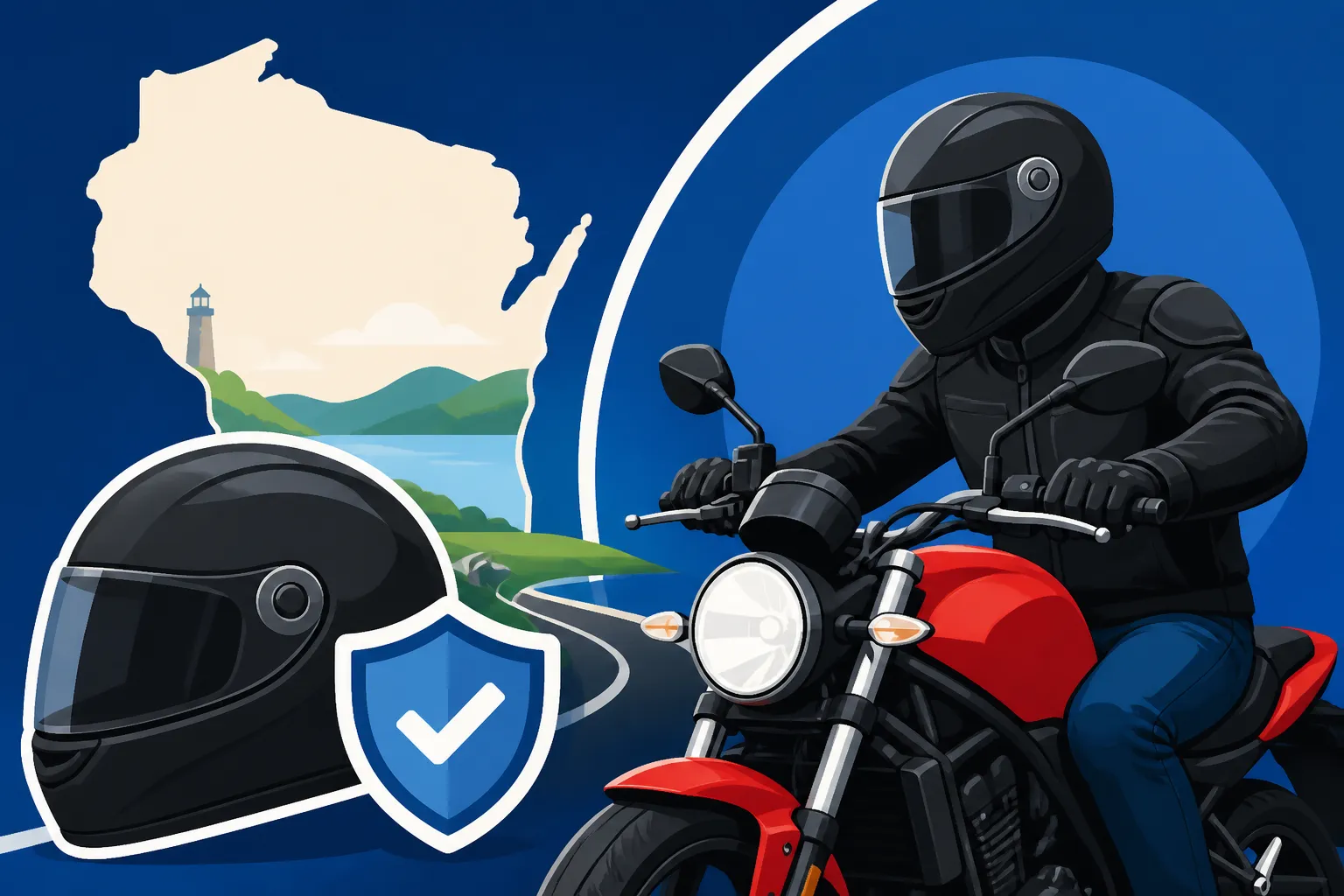
Simply throwing on a novelty "brain bucket" that you found at a swap meet won't cut it under Wisconsin law if you are in a category that requires a helmet. The law specifically mandates the use of a helmet that meets the standards established by the Department of Transportation (DOT). These helmets undergo rigorous testing for impact attenuation, penetration resistance, and chin strap retention.
You can identify these helmets by the "DOT" sticker usually found on the back of the shell, though high-end helmets will also have interior labels with manufacturing dates and model names. If you are under 18 or riding on a permit, using a non-compliant helmet is legally the same as wearing no helmet at all. This becomes incredibly important if you ever have to deal with the aftermath of an incident and need to know How to Handle a Motorcycle Insurance Claim in Wisconsin effectively. Using non-approved gear can sometimes complicate the claims process if the insurer argues you were not in compliance with state safety laws.
Beyond the Law: Why Choice Matters for Wisconsin Riders
Even though Wisconsin allows adults the freedom to choose, that choice carries significant weight beyond just the wind in your hair. For many of us who have spent decades on two wheels, we know that the "choice" isn't just about comfort; it's about risk management and financial protection. Wisconsin is one of many Helmet Laws: Universal vs Partial States that places the burden of safety on the individual once they reach adulthood, but that doesn't mean there aren't consequences for going without.
Impact on Insurance Claims and Liability
One of the most overlooked aspects of the helmet choice is how it plays out in a courtroom or an insurance adjustor’s office. Wisconsin follows a "comparative negligence" rule. This means that if you are involved in an accident that wasn't your fault, the other party’s insurance company might try to argue that your injuries—specifically head injuries—were made worse because you chose not to wear a helmet.
If a jury or an adjustor determines that your lack of a helmet contributed to 20% of your medical bills, they could potentially reduce your payout by that same 20%. This is a harsh reality that many riders don't consider until they are already in the hospital. Understanding Minimum Liability Insurance Explained (The Three Numbers) is a good start, but realizing that your payout could be slashed based on gear choice adds another layer of complexity. It is always wise to know How to File a Motorcycle Insurance Claim in Wisconsin before you ever need to do it, so you aren't caught off guard by these defensive tactics from insurance companies.
Passenger Safety and Shared Responsibility
When you have someone on the back of your bike, you are responsible for their life. In Wisconsin, the law allows an adult passenger to ride without a helmet if the operator is also an adult. However, this creates a significant ethical and financial responsibility for the rider. If you are involved in a crash and your passenger suffers a traumatic brain injury because they weren't wearing a helmet, your own insurance policy’s guest passenger liability coverage will be triggered.
If you haven't checked your policy lately, you might find that your limits are lower than you think. This is why many veteran riders have a strict "no helmet, no ride" policy for their passengers, regardless of what the state law says. A single accident can lead to a lifetime of medical costs, and those costs are one of the primary reasons What Affects Your Motorcycle Insurance Rate? over time. High-cost claims in a specific region can eventually lead to a rise in the Average Motorcycle Insurance Cost by State, impacting the entire community.
| Feature | Requirement for Under 18 | Requirement for Over 18 | Permit Holder Requirement |
|---|---|---|---|
| Helmet Use | Mandatory (DOT Approved) | Optional | Mandatory (DOT Approved) |
| Eye Protection | Mandatory | Mandatory | Mandatory |
| Pillion Passenger | Mandatory Helmet | Optional Helmet | N/A (No passengers allowed) |
| DOT Standards | Yes | Recommended | Yes |
Eye Protection and Other Safety Equipment Mandates
While helmets are optional for many in Wisconsin, eye protection is a completely different story. This is a point of the law that catches many "out-of-towners" by surprise. You can ride without a lid, but you cannot ride "blind." The state is very clear that some form of eye protection must be used by all operators, regardless of age or license status.
The Mandatory Eye Protection Rule
In Wisconsin, you must wear a face shield, goggles, or safety glasses unless your motorcycle is equipped with a windshield that rises at least 15 inches above the handlebars. Standard prescription glasses or sunglasses are generally acceptable, but they don't provide the same level of protection against high-speed debris, insects, or wind-induced tearing as dedicated motorcycle goggles or a helmet visor.
Think about it this way: at 70 mph, a simple honeybee or a small pebble from a truck tire becomes a projectile. If that hits your eye while you're navigating a curve on Highway 33, the results can be catastrophic. Law enforcement will pull you over if they see you riding without any eye protection, and it’s a quick way to turn a pleasant afternoon into a roadside lecture and a fine.
Recommended Gear for the Wisconsin Climate
Wisconsin weather is notoriously fickle. You can start a ride in 75-degree sunshine and end it in a 50-degree downpour. While the law only mandates helmets for some and eye protection for all, the "all-the-gear, all-the-time" (ATGATT) philosophy is highly prevalent among experienced Wisconsin riders.
A good leather or textile jacket, reinforced gloves, and over-the-ankle boots aren't just for protection in a slide; they are for protection against the elements. Hypothermia can set in even in the summer if you're riding through a damp evening in the Northwoods without proper layers. Staying warm and dry keeps your reaction times sharp, which is the best way to avoid ever needing to know What Happens If You Ride Without Insurance? or dealing with the aftermath of a collision.
Legal Consequences and Financial Realities
Ignoring the helmet laws for those who are required to wear them, or skipping the eye protection, carries more than just physical risk. There are practical, everyday consequences that affect your wallet and your ability to keep riding.
Penalties for Non-Compliance
If you fall into the mandatory helmet category (under 18 or on a permit) and are caught without one, the immediate result is a traffic citation. In Wisconsin, these fines vary by county but generally hover between $150 and $200 for a first offense when court costs are factored in. More importantly, it adds points to your license.
For young riders, points are a fast track to a suspended license and astronomical insurance premiums. If you are already struggling with high rates, an equipment violation is the last thing you need. It's often much cheaper to buy a high-quality, comfortable helmet than to pay for a single ticket and the subsequent three years of increased insurance costs.
How Helmet Use Affects Your Overall Risk Profile
Insurance companies are in the business of calculating risk. While they cannot legally force you to wear a helmet in Wisconsin if the state doesn't require it, they certainly take note of your gear habits and your safety record. Riders who invest in safety courses and wear full gear are often seen as "lower risk," which can lead to various discounts.
On the flip side, if you have a history of equipment violations or accidents where your lack of gear led to massive medical payouts, you might find yourself pushed into a "high-risk" category. This can make it difficult to find affordable coverage, and you might end up needing specialized policies that are far more expensive than the standard market rates. Being proactive about your safety is the best way to ensure you can keep enjoying the Wisconsin roads for years to come without being buried in legal or financial paperwork.
Wisconsin Motorcycle Helmet Law Disclaimer
The information provided in this guide is for educational and informational purposes only and does not constitute legal or professional insurance advice. While we strive to keep our content accurate and up to date, Wisconsin state laws and local ordinances are subject to change. Always consult with the Wisconsin Department of Transportation or a qualified legal professional to verify current statutes and requirements before riding. Coverage options and insurance impacts may vary significantly based on your individual policy and provider.