How to Handle a Motorcycle Insurance Claim in Wisconsin
Riding your motorcycle in Wisconsin is an incredible experience, but the unfortunate reality is that accidents can happen. When they do, the aftermath can feel overwhelming, especially when you're trying to figure out how to deal with your motorcycle insurance claim. It's a maze of paperwork, phone calls, and worrying about your bike and your well-being. This guide is here to walk you through the entire process of handling a motorcycle insurance claim in the Badger State, offering clear steps and empathetic advice to help you navigate this stressful time.
Immediate Steps After a Motorcycle Accident in Wisconsin
The moments right after a motorcycle accident are often chaotic and confusing. Your adrenaline is pumping, you might be injured, and your bike could be damaged. Knowing what to do in these critical first steps is paramount, not just for your safety, but for the success of your insurance claim down the line.
Prioritizing Safety and Seeking Medical Attention
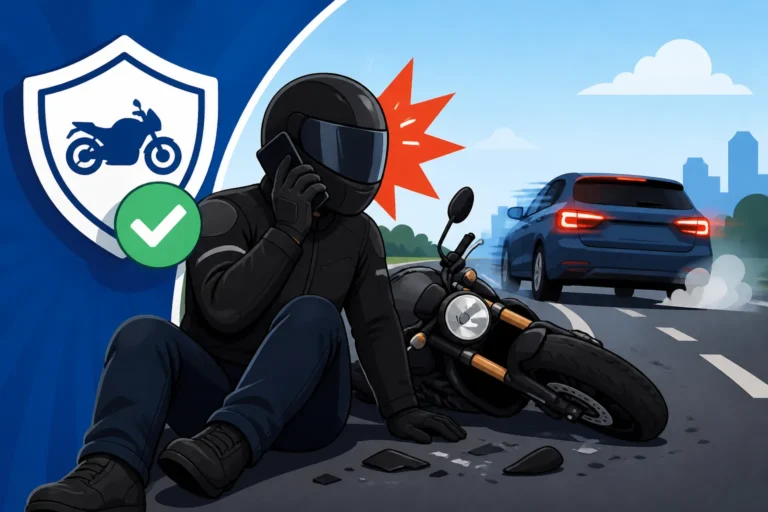
First and foremost, your health and safety are the top priority. If you're able to move, try to get yourself and your motorcycle out of the flow of traffic to prevent further incidents. Even if you feel fine, it’s crucial to assess yourself for injuries. Many injuries, especially soft tissue damage or concussions, might not manifest symptoms immediately. Call 911 right away. Emergency services will not only attend to any injuries but also ensure law enforcement arrives to create an official accident report. This report will be a vital piece of evidence for your insurance claim, detailing the scene, involved parties, and often, initial findings about fault. Don't try to tough it out; always seek medical attention. A visit to the emergency room or urgent care can document injuries that might otherwise be overlooked, establishing a clear medical record from the incident.
Documenting the Scene and Gathering Information
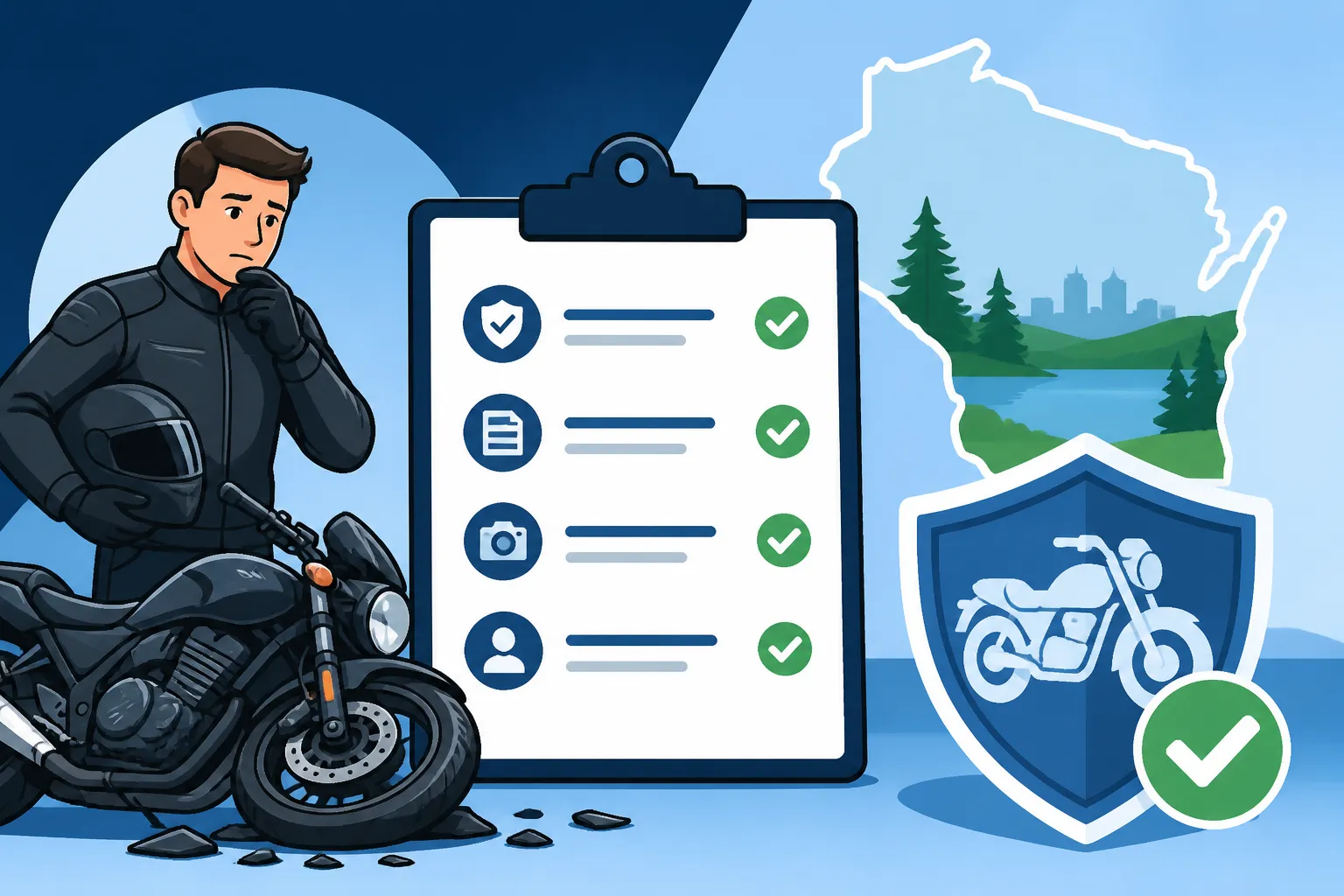
Once immediate safety is addressed, and if your condition allows, start documenting everything you can. This might feel secondary in the moment, but the more information you gather, the stronger your claim will be. Use your phone to take pictures and videos from multiple angles. Capture the position of your motorcycle, any other vehicles involved, road conditions, traffic signs, and any visible damage to property or your bike. Don't forget to take photos of any visible injuries you or your passenger might have.
Exchange information with everyone involved: names, phone numbers, insurance companies, and policy numbers. Note down vehicle make, model, year, and license plate numbers. If there were any witnesses, kindly ask for their contact information too. Their unbiased account can be incredibly valuable. Remember, a police report will usually contain a lot of this information, but having your own record is a good backup. The more data points you have, the clearer the picture will be for your insurance company when you initiate your claim. This diligent documentation becomes your shield against potential disputes later on.
Notifying Your Insurance Company and Starting the Claim Process
With the immediate aftermath handled, the next critical step is to inform your insurance provider. It's easy to procrastinate this, especially if you're recovering from injuries or just feeling overwhelmed, but timely notification is crucial.
Understanding Wisconsin's "Fault" System
Wisconsin operates under a "modified comparative negligence" rule (specifically, the 51% rule). What does this mean for your motorcycle insurance claim? It means that in an accident, fault can be assigned to one or more parties. If you are found to be 51% or more at fault for the accident, you generally cannot recover damages from the other driver. If you are less than 51% at fault, you can recover damages, but the amount will be reduced by your percentage of fault. For example, if you sustained $10,000 in damages but were found 20% at fault, you could only recover $8,000 from the other party's insurance.
This system highlights why accurate documentation and a thorough police report are so important. When you contact your insurance company, they will open a claim and assign an adjuster to investigate the accident, determine fault, and evaluate damages. If another driver was at fault, their insurance company will also get involved. It's often recommended to contact your own insurance company first, regardless of who you believe is at fault, as they can guide you through the initial steps and protect your interests. Many riders worry about their rates going up, but often, if you're not at fault, your rates won't be significantly impacted. Understanding the nuances of liability is key to understanding your potential recovery, and why having proper liability coverage for motorcycles is so essential.
The Role of Your Adjuster and Initial Assessment
Once you've reported the accident, your insurance company will assign a claims adjuster. This person is your primary point of contact and is responsible for investigating the accident, determining coverage, and processing your claim. They'll ask for details about the accident, any injuries, and the damage to your motorcycle. Be prepared to provide all the information you gathered at the scene, including photos, witness contacts, and the police report number.
The adjuster will typically arrange for an inspection of your damaged motorcycle. They'll assess the extent of the damage, estimate repair costs, and determine if the bike is repairable or a total loss. This is where your personal documentation truly shines; it helps the adjuster verify the damage and the circumstances. If you have custom parts or accessories on your bike, make sure to mention them explicitly, as they often require separate coverage beyond standard collision. Companies like Progressive or The Zebra offer specific riders for custom parts and accessories, which can make a huge difference in your payout. Don't hesitate to ask your adjuster questions throughout this process. It's their job to help you understand what's happening.
Here's a quick overview of what to expect during the initial claim:
| Step | Description | Why It's Important |
|---|---|---|
| 1. Report the Accident | Contact your insurer as soon as safely possible, usually within 24-72 hours. Provide date, time, location, and brief details. | Timely notification prevents delays and helps establish a clear timeline. |
| 2. Claims Adjuster Assigned | An adjuster will be your main point of contact, investigating the claim and guiding you. | They determine fault, coverage, and the path forward (repair/total loss). |
| 3. Information Gathering | Provide all documentation: photos, witness contacts, police report number, medical records (if applicable). | Strengthens your claim, helps establish fault, and verifies damages. |
| 4. Vehicle Inspection | The adjuster or a designated inspector will examine your motorcycle to assess damage and estimate repair costs. | Determines if the bike is repairable or a total loss, and the cost of repairs. |
| 5. Determine Fault/Liability | Based on all evidence, the adjuster will determine who is at fault, impacting which policies pay for what, especially in Wisconsin's comparative negligence system. | Crucial for understanding what portion of damages you can recover from the other party's insurance. |
| 6. Medical Records (if applicable) | Submit all medical bills and records related to accident injuries. Your Personal Injury Protection (PIP) or Medical Payments (MedPay) coverage might kick in here. | Ensures all injury-related costs are covered by relevant policies. |
Navigating the Repair or Total Loss Process
One of the most emotional parts of an insurance claim is seeing your beloved motorcycle damaged. The next hurdle is figuring out if it can be fixed or if it's considered a total loss. This involves careful evaluation and understanding your policy.
Getting Repair Estimates and Choosing a Shop
If your motorcycle is deemed repairable, your adjuster will provide you with an estimate for the cost of repairs. You typically have the right to choose your own repair shop, rather than being forced to use one recommended by the insurance company. This is a big deal, especially for motorcycle enthusiasts. Many riders have a trusted mechanic who understands the nuances of their specific bike model or custom modifications. Take your time, get multiple estimates if you feel the initial one is too low, and discuss the repair plan with your chosen shop. Ensure they are using genuine OEM parts if that's what your policy covers or if you prefer it.
Keep open communication with both your repair shop and your insurance adjuster throughout the repair process. Sometimes, hidden damage is discovered after the initial tear-down, which can lead to supplemental claims. It's a good idea to understand what affects your motorcycle insurance rate, as making sure repairs are done correctly can prevent future issues that might impact your policy. Don't be shy about asking questions if you don't understand something in the estimate or the repair timeline.
Understanding Total Loss Valuations
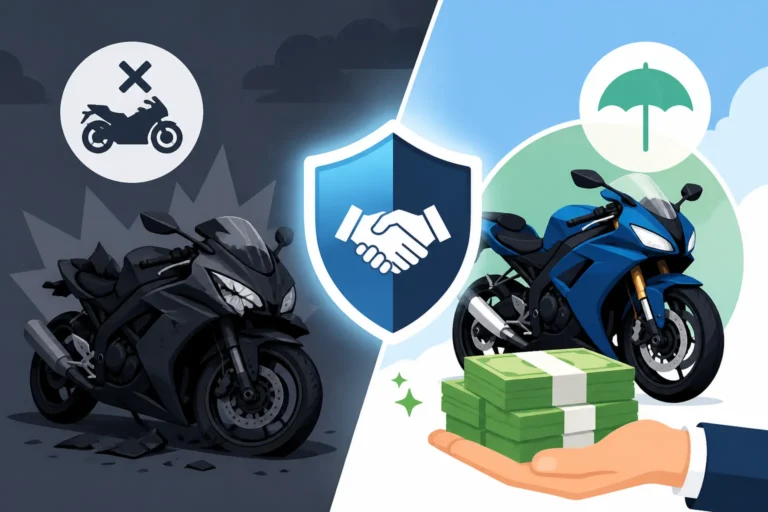
Sometimes, the damage to your motorcycle is so extensive that the cost to repair it exceeds a certain percentage of its actual cash value (ACV). When this happens, your bike is declared a "total loss." In Wisconsin, like most states, insurance companies will use various factors to determine your bike's ACV, including its age, make, model, mileage, condition before the accident, and local market values. They might use services that aggregate sales data or certified appraisers.
This can be a contentious point for many riders, especially if your motorcycle holds sentimental value or has extensive custom work. Often, the initial offer for a total loss can feel low. It's vital to understand the difference between actual cash value, stated value, and agreed value coverage. If you have a custom bike or a vintage model, you might have opted for stated value or agreed value coverage, which typically offers a more favorable payout by pre-determining the bike's worth. If you don't, and you believe the ACV offer is too low, you have the right to negotiate. Gather evidence of your bike's pre-accident value, such as recent sales of similar models, receipts for upgrades, or professional appraisals. This can significantly impact your final settlement.
Dealing with Common Claim Challenges and Seeking Assistance
Even with a clear process, motorcycle insurance claims can hit roadblocks. Knowing how to react when things don't go smoothly is essential for protecting your rights and ensuring a fair outcome.
When Your Claim is Denied or Offer is Low
It's disheartening to hear that your claim has been denied or that the settlement offer is significantly lower than what you believe your damages are worth. This is a common frustration for many riders. If your claim is denied, the insurance company must provide a reason. Carefully review their explanation against your policy terms and the facts of the accident. Common reasons for denial include policy exclusions (e.g., you were racing, or the damage wasn't covered by your specific policy), disputes over fault, or failure to report the claim in time.
If the offer for repairs or total loss is low, it's time to gather your evidence for negotiation. For repairs, get competing estimates from reputable shops. For a total loss, compile documentation like photos of your bike before the accident, receipts for modifications, and comparable listings from websites like Cycle Trader or local dealerships. Don't be afraid to escalate your concerns within the insurance company, speaking to a supervisor or filing a formal complaint. In cases of significant dispute or persistent lowball offers, especially if injuries are involved, consulting a personal injury lawyer who specializes in motorcycle accidents might be a wise next step. They can help you understand your rights and advocate on your behalf. Remember, you have the right to challenge their assessment.
Resources for Riders in Wisconsin
Navigating an insurance claim can feel like a solo battle, but there are resources available to help you, especially in Wisconsin.
- Wisconsin Office of the Commissioner of Insurance (OCI): This state agency is responsible for regulating the insurance industry in Wisconsin. If you feel your insurance company is acting in bad faith, denying a legitimate claim without proper reason, or not handling your claim fairly, you can file a complaint with the OCI. They can investigate your grievance and help mediate disputes.
- Legal Counsel: As mentioned, if you're facing serious injuries, significant property damage, or a tough battle with the insurance company, consider speaking with a local attorney specializing in motorcycle accidents. They understand state laws, negotiation tactics, and can protect your interests, ensuring you receive fair compensation.
- Motorcycle Clubs and Forums: Local riding communities often have experienced members who have navigated insurance claims. They can offer advice, recommend reliable repair shops, or even share their experiences with different insurance providers like Progressive. Sometimes, simply talking to someone who has "been there, done that" can be incredibly helpful.
- Independent Appraisers: If you disagree with your insurer's valuation of your motorcycle (especially in a total loss scenario), you can hire an independent appraiser. Their professional assessment can be used to counter the insurance company's offer. This is particularly useful if you have a highly customized bike or a rare model.
Remember that riding without insurance carries severe penalties for riding without insurance in Wisconsin. It's not just about compliance; it's about protecting yourself financially. Being prepared and knowing your rights is your best defense against the unexpected. If you're ever in doubt about your coverage, don't hesitate to review your policy documents or contact your insurance agent to clarify what you have. Understanding types of motorcycle insurance coverage explained can save you a lot of headache down the road.
Disclaimer
Please remember, the information provided in this article is for general informational purposes only and does not constitute legal or financial advice. Motorcycle insurance laws and regulations, as well as individual policy terms, can vary significantly. Always consult with a qualified legal professional, your insurance provider, or a financial advisor for advice tailored to your specific situation.