How to File a Motorcycle Insurance Claim in Wisconsin
Riding the open roads of Wisconsin on your motorcycle is an unparalleled feeling of freedom, but that peace can shatter in an instant if you’re involved in an accident. The immediate aftermath can be a whirlwind of adrenaline, confusion, and fear, leaving you wondering what to do next, especially when it comes to your insurance. This guide is here to walk you through the precise steps for filing a motorcycle insurance claim in Wisconsin, ensuring you understand the process and can protect your interests when you need it most.
Immediate Steps After a Motorcycle Accident in Wisconsin
When the unthinkable happens, your actions in the moments following a motorcycle accident are absolutely critical. It’s not just about your immediate safety, but also about gathering the necessary evidence and starting the official process that will ultimately dictate the success of your insurance claim. Panic is a natural reaction, but taking a deep breath and following a clear set of steps can make all the difference.
Prioritizing Safety and Seeking Medical Attention
Your well-being is paramount. First and foremost, check yourself and anyone else involved for injuries. Even if you feel fine, adrenaline can mask pain, and some injuries, like concussions or internal trauma, might not be immediately apparent. In Wisconsin, if there are any injuries or significant property damage (typically over $1,000 for crashes involving at least one vehicle, or any injury/death), you are legally required to report the accident to law enforcement. Call 911 immediately. Don't try to "tough it out" or dismiss minor aches; medical documentation from the scene or soon after is invaluable for any personal injury claim.
Moving your motorcycle, if safe to do so, to prevent further hazards is a good idea, but only if you can do it without risking further injury to yourself or others. If your bike is blocking traffic, you might gently move it to the shoulder. However, avoid moving anything if there are serious injuries or fatalities, as the scene needs to be preserved for official investigation. Always seek professional medical evaluation as soon as possible, even if it's just a visit to an urgent care facility or your primary doctor the next day. This creates a clear record of your injuries directly linked to the accident, which insurance companies will require.
Gathering Critical Information and Evidence at the Scene
Once safety is addressed and emergency services are en route, switch into information-gathering mode. This is often the most overwhelming part, but a systematic approach helps. You'll need information from all parties involved, including other drivers, passengers, and even witnesses. Get their full names, contact information, insurance details (company and policy number), and driver’s license numbers. Don't forget their vehicle information: make, model, year, license plate number, and Vehicle Identification Number (VIN) if possible.
Photos are your best friend here. Use your smartphone to take pictures from multiple angles: your motorcycle, the other vehicles involved, damage to all vehicles, the overall accident scene, road conditions, traffic signs, skid marks, and any visible injuries. The more photos, the better. If there are witnesses, politely ask for their names and contact information, and if they'd be willing to provide a brief statement. Do not admit fault or get into arguments about who was to blame; simply collect facts. Remember that police reports are a crucial document for any claim, so ensure the responding Wisconsin State Patrol or local police officer files one and get the report number.
Understanding Wisconsin's Insurance Laws and Your Policy
Navigating the aftermath of an accident requires a solid grasp of how insurance works, especially within the context of Wisconsin’s specific laws. The state's regulations, combined with the specifics of your own motorcycle insurance policy, will largely determine what happens next and what you can expect in terms of coverage.
Wisconsin's At-Fault System and Minimum Requirements
Wisconsin operates under an "at-fault" system, which means the person who caused the accident is financially responsible for the damages. This is a crucial distinction from "no-fault" states. In a motorcycle accident claim, your insurance company, or the other driver's insurer, will investigate to determine who was primarily at fault. If you are found to be less than 51% at fault, you can recover damages from the other driver's insurance. If you are 51% or more at fault, you generally cannot recover from the other party’s insurance for your damages, though your own collision coverage might still apply.
Wisconsin law mandates that all motorcyclists carry minimum liability insurance. As of early 2024, the minimums are typically 25/50/10:
- $25,000 for bodily injury liability per person
- $50,000 for total bodily injury liability per accident
- $10,000 for property damage liability per accident
It’s important to remember that these are just the bare minimums. While they keep you legal on the road, they often fall far short of covering serious accident costs. Many riders choose to carry higher limits or additional coverages, which can be invaluable in a significant incident. Understanding Minimum Liability Insurance Explained (The Three Numbers) can give you a clearer picture of these figures.
Deciphering Your Motorcycle Insurance Coverage
Your own policy is your safety net, and understanding its various components is vital. Beyond the state-mandated liability, most riders opt for additional coverages that offer more comprehensive protection.
- Collision Coverage: This pays for damage to your motorcycle resulting from a collision with another vehicle or object, regardless of who is at fault. If you financed your bike, your lender almost certainly requires this.
- Comprehensive Coverage: This covers damages to your motorcycle from non-collision events, such as theft, vandalism, fire, natural disasters, or hitting an animal. If your motorcycle is damaged while stored for winter, this is the coverage you'd turn to.
- Uninsured/Underinsured Motorist (UM/UIM) Coverage: Given that Wisconsin is an at-fault state, this coverage is incredibly important. It protects you if you’re involved in an accident with a driver who has no insurance or not enough insurance to cover your damages. Considering how many drivers on the road might be uninsured, this is a smart addition to any policy.
- Medical Payments (MedPay): This covers medical expenses for you and your passengers, regardless of fault, up to a certain limit. It can be a quick source of funds for immediate medical care.
- Accessories and Custom Parts Coverage: If you’ve invested in custom paint, chrome, saddlebags, or a performance exhaust, standard policies might not cover their full value. This add-on ensures your unique modifications are protected.
Before you even need to file a claim, familiarize yourself with your policy details. Knowing what you're covered for, what your deductibles are, and what your limits are will make the claims process less stressful. If you’re ever unsure about your coverage, calling your insurance provider or checking your policy documents is always the best first step. Companies like Progressive offer clear breakdowns of their coverage options, making it easier for riders to understand their protections.
The Motorcycle Insurance Claim Process Step-by-Step
Filing an insurance claim can feel like navigating a maze, especially when you're dealing with the stress of an accident. But by breaking it down into manageable steps, you can approach the process with confidence and ensure you provide all the necessary information for a smooth resolution.
Notifying Your Insurance Company
As soon as possible after addressing immediate safety and medical needs, you need to contact your insurance company. Don't delay; most policies require prompt notification. Even if the accident wasn't your fault, informing your insurer is a good idea. They can offer guidance and explain your options, and if the other driver's insurance is slow to respond, your own insurer might be able to help process certain aspects of the claim under your own coverage.
When you call, have all the information you gathered at the scene ready. This includes dates, times, locations, contact information for other parties and witnesses, police report numbers, and details about the damage to your motorcycle and any injuries you sustained. You'll typically be assigned a claims adjuster who will be your main point of contact throughout the process. Be honest and factual in your description of events, but avoid speculating or admitting fault. Remember, your insurer is there to help you, but they also have a vested interest in verifying the facts.
Working with the Claims Adjuster and Documentation
Once you've filed your initial report, your claims adjuster will take over. Their job is to investigate the accident, determine fault, assess damages, and ultimately process your claim. This involves several key steps:
- Vehicle Inspection: An adjuster will arrange to inspect your damaged motorcycle. They might send someone to your home, a body shop, or a tow yard where your bike is stored. This inspection is crucial for documenting the extent of the damage and estimating repair costs. If your motorcycle has custom parts, make sure to point these out and have receipts or photos proving their existence and value.
- Information Review: The adjuster will review the police report, witness statements, medical records (if applicable), and any photos or videos you provided. They may also contact other drivers' insurance companies.
- Communication: Be prepared for regular communication with your adjuster. Respond promptly to their requests for information or documentation. If you have questions, don't hesitate to ask. Clear and consistent communication helps keep the process moving.
It's absolutely vital to keep meticulous records of everything related to your claim. This means:
- A "Claim File": Create a dedicated folder or digital file.
- Correspondence: Save all emails, letters, and notes from phone calls (including dates, times, and who you spoke with) from your insurance company, other parties, and repair shops.
- Receipts: Keep all receipts for repairs, medical treatment, alternative transportation, or any other expenses incurred because of the accident.
- Photos/Videos: Store all your collected evidence securely.
This thorough documentation can be a lifesaver if there are any disputes or delays later in the process.
What to Expect After Filing Your Claim
Once your claim is officially filed and the investigation is underway, you'll be entering a waiting period that can sometimes feel frustrating. It's important to understand the potential outcomes and how to advocate for yourself throughout.
Damage Assessment and Repair or Total Loss
After the adjuster inspects your motorcycle, they'll make a determination about the extent of the damage.
- Repairs: If your motorcycle is repairable, the adjuster will provide an estimate for the repairs. You can usually choose your preferred repair shop, though your insurer might have a network of approved shops. Make sure the estimate covers all necessary repairs, including custom parts if you have that coverage. If the shop finds additional damage during repairs, they'll contact the adjuster for a supplemental estimate.
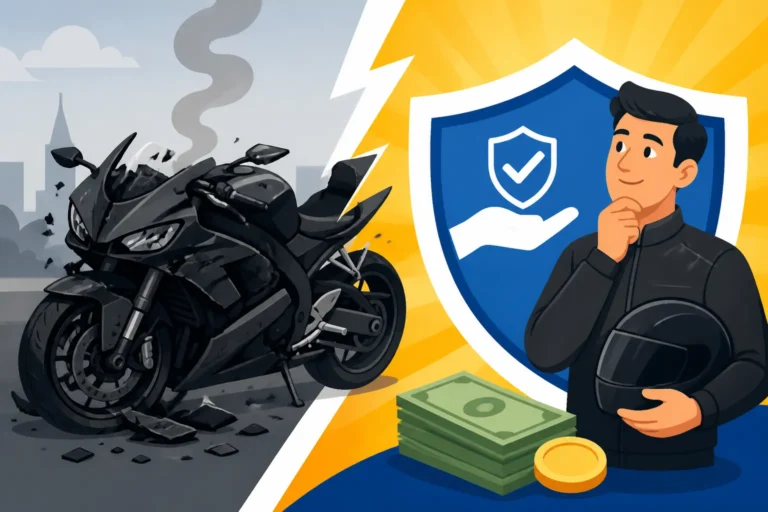
- Total Loss: In some cases, the damage to your motorcycle might be so severe that the cost of repairs exceeds a certain percentage of its actual cash value (ACV). This is known as a "total loss." In Wisconsin, if your motorcycle is deemed a total loss, the insurance company will pay you the ACV of your bike before the accident, minus your deductible. This can be a point of contention, especially for highly customized or vintage bikes. Understanding How to Negotiate a Motorcycle Total Loss Settlement is incredibly helpful if you find yourself in this situation.
It's common for insurance companies to rely on third-party valuation services to determine ACV. If you disagree with their valuation, be prepared to present your own evidence, such as recent sales of similar bikes in your area, expert appraisals, or documentation of custom upgrades.
Receiving Payment and Potential Challenges
Once an agreement is reached regarding repairs or a total loss, the payment process begins. For repairs, the payment might go directly to the repair shop, or to you to then pay the shop. For a total loss, the payment typically goes to you (and your lienholder if you have a loan). If you have Gap Insurance on a Motorcycle, that will cover the difference between your loan balance and the ACV payout if your bike is totaled.
However, the claims process isn't always smooth sailing, and you might encounter challenges:
- Disputed Fault: If there's disagreement over who caused the accident, the claim can get bogged down. This is where your collected evidence, especially the police report and witness statements, becomes invaluable.
- Lowball Offers: The initial offer for damages or a total loss might seem low. Don't be afraid to negotiate, especially if you have compelling evidence to support a higher valuation.
- Delays: Insurance claims can sometimes take time, especially if injuries are involved or if there are multiple parties. Persistence and consistent follow-up with your adjuster are key. If you feel like your claim is being unfairly delayed, you can inquire about the specific reasons and steps being taken.
- Claim Denial: While rare for legitimate claims, a claim can be denied. If this happens, your insurer must provide a reason. If you believe the denial is unfair, you have the right to appeal the decision and potentially seek legal counsel.
If you're having trouble, don't hesitate to seek advice. Independent insurance resources like The Zebra can provide neutral guidance on navigating complex claims, and for more serious incidents, a personal injury attorney specializing in motorcycle accidents can be a powerful advocate. They understand Wisconsin's specific laws and how to deal with insurance companies. Filing a claim correctly is crucial, but knowing your rights and advocating for a fair outcome is just as important.
Disclaimer
Please remember that this article provides general information and guidance. Insurance laws and policies can be complex and may change. It is always recommended to consult directly with your insurance provider or a legal professional for advice tailored to your specific situation.