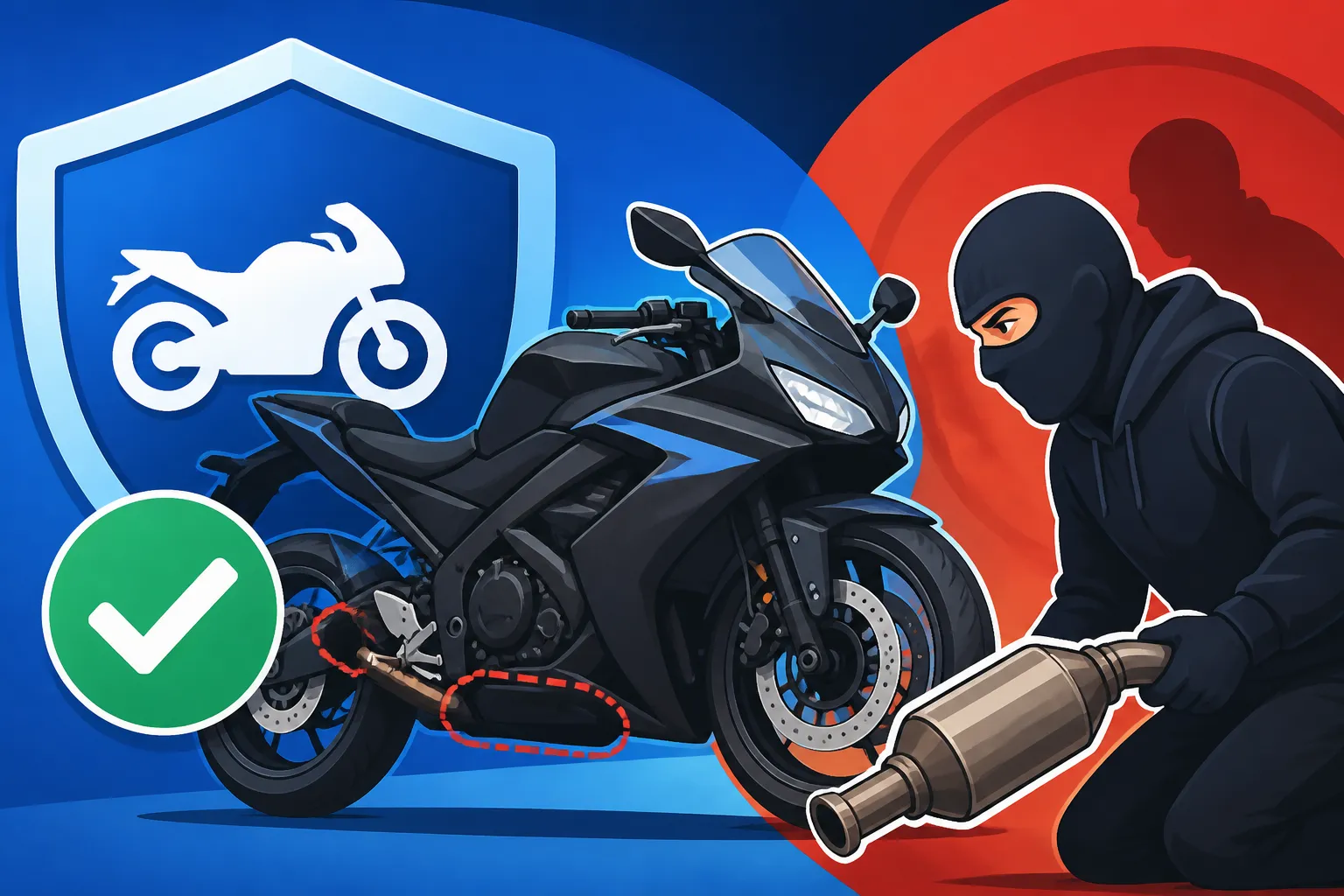
Does Motorcycle Insurance Cover a Stolen Catalytic Converter?
Discovering your motorcycle has been vandalized, or worse, a crucial component like your catalytic converter is missing, can be an absolute gut punch. It’s a frustrating and increasingly common problem that leaves many riders wondering if their insurance policy will even cover such a specific type of theft. This guide will walk you through exactly how motorcycle insurance typically handles a stolen catalytic converter, what coverage you need, and the essential steps to take if this unfortunate event happens to you.
Unpacking Your Policy: Does Motorcycle Insurance Cover a Stolen Catalytic Converter?
The short answer is: yes, your motorcycle insurance can cover a stolen catalytic converter, but it almost always boils down to one specific type of coverage you need to have in place: comprehensive coverage. Without it, you're likely out of luck. It's a harsh reality, but understanding your policy's nuances before something happens is key.
The Lifeline of Comprehensive Coverage
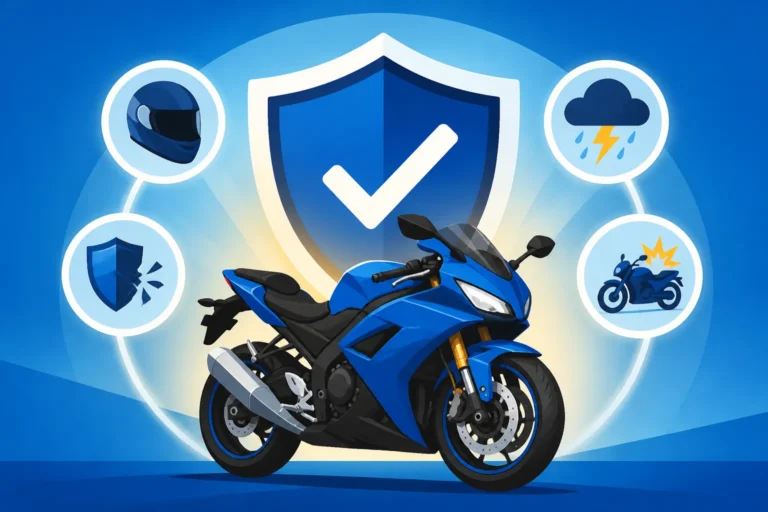
Comprehensive coverage is often seen as the unsung hero of a motorcycle insurance policy. While liability coverage handles damages you might cause to others and their property, and collision coverage kicks in if your bike is damaged in an accident with another vehicle or object, comprehensive coverage is your shield against a whole host of non-collision related incidents. This includes things like fire, vandalism, natural disasters (think hail, floods, falling trees), hitting an animal, and, most importantly in this scenario, theft.
When your catalytic converter is stolen, it falls squarely under the "theft" or "vandalism" categories that comprehensive coverage is designed to address. Imagine waking up to find your bike, which was parked securely in your driveway, has been tampered with, and that tell-tale silence from where your exhaust used to rumble confirms the worst. In this scenario, your comprehensive policy would typically cover the cost to repair the damage caused by the theft and replace the stolen catalytic converter, minus your deductible. This is crucial because a stolen catalytic converter isn't just a missing part; thieves often damage exhaust pipes, oxygen sensors, and wiring in the process, leading to additional repair costs. For instance, if you live in a dense urban area like Los Angeles, where such thefts are more prevalent, having robust comprehensive coverage can offer immense peace of mind. Without it, you’re left to cover the full expense of repairs out of pocket, which can easily run into hundreds or even thousands of dollars. It's truly the primary answer to the question, "Does Motorcycle Insurance Cover Theft?"
The Nuance of Aftermarket and Custom Parts Coverage
Now, here's where things can get a little more complicated, especially for those of us who love to customize our rides. Many motorcycles come with stock catalytic converters, and their replacement would typically be covered under comprehensive. However, if you've upgraded to an aftermarket performance catalytic converter or an entire custom exhaust system that includes one, your standard comprehensive coverage might not cover its full value. Most standard policies have a limited amount of coverage for custom parts and accessories – sometimes as low as a few hundred dollars. This is often based on the actual cash value (ACV) of the part, which accounts for depreciation, not necessarily the replacement cost of your shiny, new custom component.
This is why having dedicated Accessories & Custom Parts Coverage Explained is so important for many riders. This add-on allows you to increase the coverage limits for your modifications, ensuring that your expensive aftermarket catalytic converter or full exhaust system is adequately protected. For example, if you have a Harley-Davidson with a Vance & Hines exhaust system, which includes a catalytic converter, and it gets stolen, a standard policy might only give you a fraction of what it costs to replace. But with custom parts coverage, you could declare a higher value, like $2,000 or $5,000, specifically for those upgrades. When you're shopping for motorcycle insurance, comparison sites like The Zebra can really help you see which providers offer robust comprehensive coverage and specific add-ons for custom parts, allowing you to tailor your policy to your bike's unique value. It’s always a good idea to itemize any significant modifications you’ve made to your bike and discuss them with your insurer to ensure they’re properly accounted for. Otherwise, you might face a nasty surprise at claim time.
Understanding the Threat and Initial Steps After Theft
Catalytic converter theft isn't just a car problem anymore; motorcycles, especially certain models with easily accessible converters, have become targets. Knowing why this is happening and what to do immediately after discovering the theft can make a significant difference in the recovery process and your insurance claim.
Why Your Catalytic Converter is a High-Value Target
The reason behind the surge in catalytic converter thefts is simple: money. These seemingly innocuous parts contain precious metals like platinum, palladium, and rhodium. These metals are incredibly valuable, often worth more per ounce than gold, due to their essential role in reducing harmful emissions. Thieves can quickly remove a catalytic converter, especially from vehicles with higher ground clearance or, in the case of many motorcycles, an exposed exhaust system, and then sell the components to scrap metal dealers for a decent, untraceable profit. The ease and speed of theft, combined with the high street value of the metals, make them an attractive target for organized crime rings and opportunistic individuals alike.
For motorcyclists, this often means specific models might be more vulnerable. Cruisers and touring bikes, like a Honda Gold Wing or many Harley-Davidson models, sometimes have more accessible converters under the bike, making them easier targets than, say, a sportbike with a tightly tucked exhaust. Thieves often use a battery-powered saw to cut through the exhaust pipes, a process that can take mere minutes. This quick, destructive method causes significant damage beyond just the converter itself. The result is not only a missing part but also severed exhaust pipes and potentially damaged sensors, leaving your bike unridable and facing costly repairs. The rise in these thefts has even prompted some law enforcement agencies, like those in Seattle or Denver, to issue warnings to vehicle owners, highlighting the widespread nature of this particular crime.
Immediate Actions When You Discover the Theft
The moment you realize your catalytic converter is gone, it can feel overwhelming. Your first priority, once you’ve confirmed the theft, should be to contact the authorities. Filing a police report is not just about catching the perpetrators; it's a critical step for your insurance claim. Your insurer will almost certainly require a police report number before they will process your comprehensive claim. Be prepared to provide details like where and when your motorcycle was last seen intact, the location of the theft, and any identifying features of your bike. Document any other damage to your motorcycle that occurred during the theft, such as cut wires or scratched paint, as these will also be part of your claim.
After contacting the police, your next call should be to your motorcycle insurance provider. Don't delay. Most policies require you to report thefts promptly. When you call, have your policy number handy and be ready to describe the incident in detail. They will initiate the claims process and assign an adjuster to your case. This is also the time to secure your motorcycle, if possible. If the bike can't be ridden safely, arrange for towing to a secure location or a repair shop. Remember, preventing further damage or loss is your responsibility, so don't leave your bike exposed. Taking these initial steps swiftly and methodically will lay the groundwork for a smoother insurance claim and increase your chances of a positive outcome. Knowing How to File a Motorcycle Insurance Claim correctly can save you a lot of headaches.
Navigating the Insurance Claim Process and Protecting Your Investment
Dealing with a stolen part, especially a catalytic converter, can be a hassle. But with the right knowledge about the claims process and proactive prevention methods, you can minimize stress and protect your precious ride.
Filing Your Claim: What to Expect and Prepare
Once you've reported the theft to both the police and your insurance company, the real claims process begins. Your insurer will assign an adjuster who will be your primary point of contact. They will review your policy, the police report, and any documentation you can provide. This is where those photos you took of your bike before the theft, or receipts for any aftermarket parts, become invaluable. The adjuster will assess the damage to your motorcycle and determine the cost of repairing it and replacing the catalytic converter. They might also want to inspect the bike in person or have a preferred shop provide an estimate.
Be prepared for a bit of back-and-forth. The adjuster’s job is to ensure the claim aligns with your policy's terms. You'll need to clearly explain the situation, answer their questions truthfully, and provide any requested documents promptly. This could include photos of the damage, repair estimates, and proof of ownership for custom parts. If you have an aftermarket catalytic converter, be ready to provide receipts or invoices to prove its value. If you don't have these, the insurance company might only offer to replace it with a standard, OEM (Original Equipment Manufacturer) part or base the payout on the depreciated value of a similar stock item. The whole process can take a few days to a few weeks, depending on the complexity of the claim and your insurer's efficiency. For more general advice on what to do after any incident, consult our guide on What to Do After a Motorcycle Accident Insurance Steps.
Smart Strategies for Deterring Future Thefts
Losing a catalytic converter is a harsh lesson, and prevention is always better than recovery. Thankfully, there are several steps you can take to make your motorcycle less appealing to thieves. One of the most effective strategies is investing in physical security devices. Catalytic converter locks or cages, while more common for cars, are becoming available for some motorcycle models. These devices encase the converter in a tough, hard-to-cut material, significantly increasing the time and effort a thief would need to steal it. Alarm systems, especially those with tilt sensors or motion detectors, can also act as a strong deterrent by alerting you (and hopefully others) to any tampering.
Where you park your motorcycle also makes a huge difference. Always choose well-lit, visible areas, preferably with security cameras nearby. If you have a garage, use it. Parking your bike behind a locked garage door is one of the best deterrents available. If you're parking on the street or in a shared lot, try to park near other vehicles or in high-traffic pedestrian areas where thieves would be more exposed. Some riders also opt for etching their vehicle's VIN (Vehicle Identification Number) onto their catalytic converter. While this won't prevent theft, it can make the stolen part identifiable, reducing its resale value to unscrupulous scrap dealers and potentially aiding in recovery. When exploring insurance options, remember that some insurers, like Progressive or Dairyland, even offer discounts for certain security features. Platforms like The Zebra are excellent resources for comparing policies and seeing which ones reward your efforts to protect your motorcycle. Investing in these measures not only safeguards your investment but can also potentially lower your Motorcycle Insurance Cost by Bike Type or by showing you're a responsible owner.
Financial Realities: Deductibles, Valuation, and Policy Limits
Even with comprehensive coverage, understanding the financial implications of a claim is crucial. Your deductible, how your insurer values your bike's components, and your overall policy limits will directly affect your out-of-pocket expenses.
The Impact of Your Deductible on Payouts
When you file a claim for a stolen catalytic converter under your comprehensive coverage, your deductible comes into play. A deductible is the amount of money you agree to pay out-of-pocket before your insurance coverage kicks in. For example, if your deductible is $500 and the cost to replace your catalytic converter and repair associated damage is $1,200, your insurance company would pay $700, and you would be responsible for the initial $500. It's a key factor in how much you'll ultimately pay.
Choosing a higher deductible typically results in lower monthly premiums, and conversely, a lower deductible means higher premiums. It's a balancing act many riders grapple with. For a relatively inexpensive repair, a high deductible might mean you pay most of the cost yourself, making the insurance claim less financially beneficial. However, for a major theft or damage event, having insurance still provides a safety net. Before selecting your deductible, consider the typical costs of repairs for common incidents and your own financial comfort level. It’s part of a broader strategy for How to Get Cheap Motorcycle Insurance, but it’s vital to understand the trade-offs.
Understanding Motorcycle Valuation: ACV vs. Agreed Value
How your motorcycle and its components are valued by your insurance company can significantly impact the payout for a stolen catalytic converter, especially if it's an older bike or has numerous custom parts. There are primarily two methods insurers use: Actual Cash Value (ACV) and Agreed Value.
-
Actual Cash Value (ACV): Most standard comprehensive policies use ACV. This method pays out the replacement cost of the stolen item minus depreciation. So, if your original catalytic converter was five years old, the insurance company would calculate its value today, taking into account its age, wear and tear, and market conditions. This means the payout might be less than what it costs to buy a brand-new replacement. This can be particularly frustrating if you're dealing with an older bike where market value might be low, but repair costs are still substantial.
-
Agreed Value: This is a less common option, usually reserved for classic, vintage, or highly customized motorcycles. With an agreed value policy, you and the insurer agree upon the bike's value when you purchase the policy. If the bike or a covered component (like a custom exhaust system) is stolen, the insurer pays out that pre-agreed amount, regardless of depreciation. This is a fantastic option for riders who have invested heavily in modifications or own unique bikes, as it provides a predictable payout and ensures your investment is truly protected. When you’re comparing policies, especially through services like The Zebra, it’s worth asking if an agreed value option is available, particularly if you have a custom or high-value catalytic converter. Our guide on Agreed Value vs Stated Value vs Actual Cash Value dives deeper into these important distinctions.
| Feature | Standard Comprehensive Coverage (ACV) | Enhanced Accessories/Custom Parts Coverage (often ACV or Stated Value) |
|---|---|---|
| Catalytic Converter Type | OEM (Original Equipment Manufacturer) | OEM or Aftermarket/Custom |
| Theft Coverage | Yes, for the factory-installed part | Yes, for the declared custom/aftermarket part(s) |
| Valuation Method | Actual Cash Value (ACV) – replacement cost minus depreciation | Typically ACV, but Stated Value may be available for specific items |
| Payout Limit | Based on depreciated value of stock part | Higher declared limit (e.g., $1,000, $3,000, $5,000+) |
| Deductible Applies | Yes | Yes |
| Key Benefit | Covers basic theft of stock components | Ensures higher-value custom parts are adequately covered |
Ultimately, having the right blend of comprehensive coverage and, if applicable, custom parts coverage, is essential for truly protecting your motorcycle from the increasing threat of catalytic converter theft. Don't assume your base policy covers everything; take the time to review your options and tailor your coverage to your specific needs. This diligence can save you a significant amount of money and heartache down the road.
Disclaimer
Please remember that insurance policies can vary significantly by provider and state. The information provided in this guide is for general informational purposes only and does not constitute professional insurance advice. Always review your specific policy documents or consult with a licensed insurance agent to understand your coverage fully.