What Does Full Coverage Actually Include on a Motorcycle?
You've heard the term "full coverage" thrown around a lot when it comes to motorcycle insurance, and let's be honest, it can be downright confusing. Many riders assume it's one magical policy that covers absolutely everything, but that's not quite how it works. This guide will cut through the jargon, break down what "full coverage" really entails for your motorcycle, and help you understand the essential components to truly protect your ride and your wallet.
Understanding the "Full Coverage" Myth
When someone talks about "full coverage" for a motorcycle, they aren't referring to a single, all-encompassing policy type that you can just tick a box for. That's one of the biggest misconceptions in the insurance world, and it can leave riders feeling frustrated or, worse, underinsured when they need protection most. Instead, "full coverage" is a convenient, catch-all phrase that typically refers to a combination of several different insurance coverages bundled together.
What "Full Coverage" Isn't: A Single Policy
It's easy to imagine a "Full Coverage" button when you're getting a quote, isn't it? You click it, and poof, you're supposedly covered for everything under the sun. But the reality is far more nuanced. No insurance policy, whether for a motorcycle, car, or home, covers every single possible scenario without limits or exclusions. Think of it like a custom-built motorcycle: you choose the engine, the frame, the fairings, and the accessories. Each choice adds a layer, and "full coverage" is essentially the culmination of many smart choices working in harmony. This means your "full coverage" might look very different from another rider's, depending on their bike, their needs, and their state's requirements.
The True Meaning of "Full" Protection
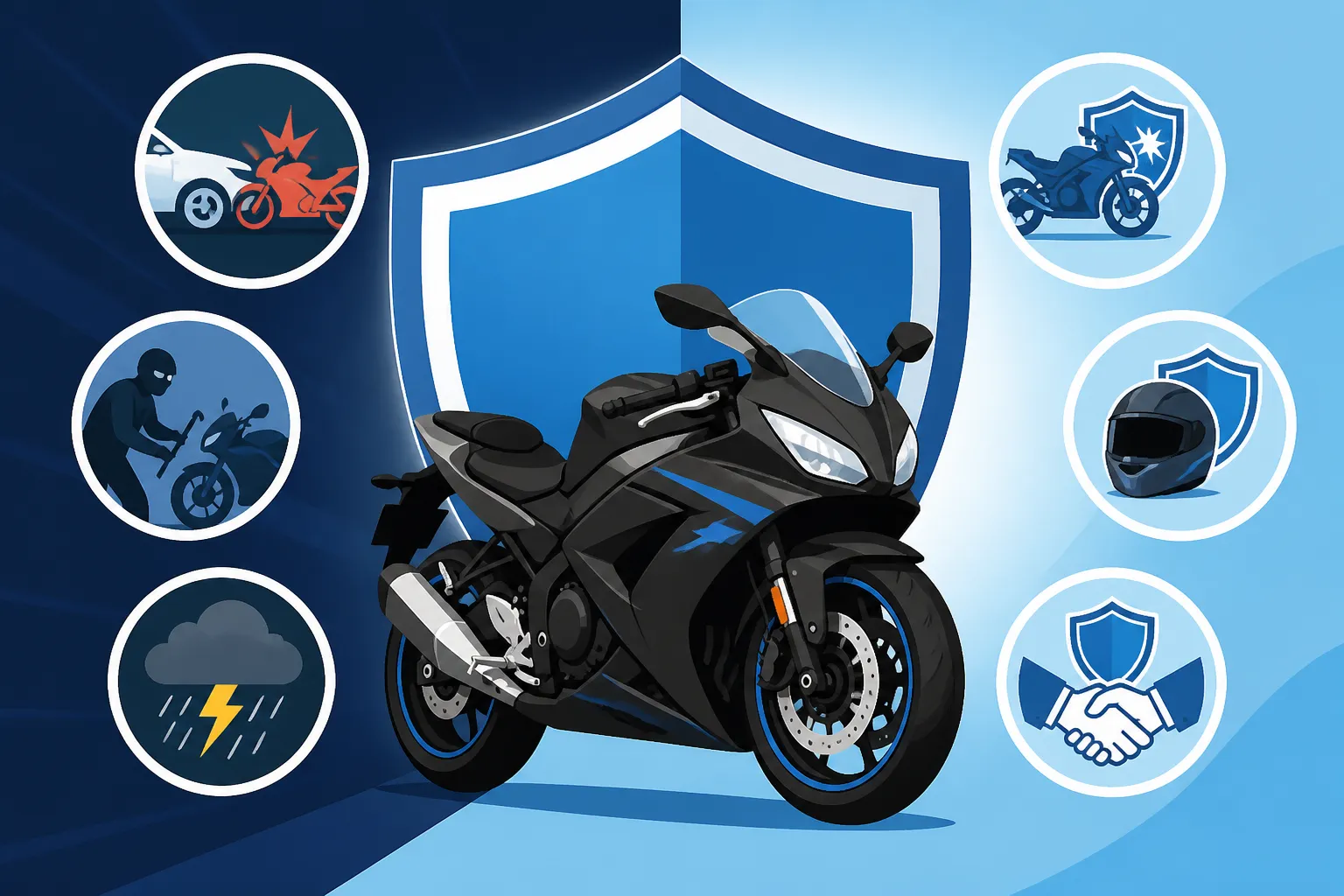
So, if it's not a single policy, what does "full coverage" actually signify? At its heart, it means combining the most crucial types of coverage to provide robust protection for both your liabilities to others and for damage to your own motorcycle. This typically includes your state's minimum liability requirements, plus collision and comprehensive coverage for your bike, and often key add-ons like uninsured motorist protection. It's about building a comprehensive shield around you and your bike, addressing a wide range of potential incidents from minor fender benders to major accidents, theft, or even natural disasters. Understanding these individual components is key to ensuring you're genuinely "fully" covered.
The Foundation of Your Full Coverage Policy: Core Protections
At the very core of any robust motorcycle insurance plan, especially one considered "full coverage," are the fundamental protections designed to address accidents and damages. These are the workhorses of your policy, the ones that step in when things go wrong on the road.
Liability Coverage: Protecting Others
This is the non-negotiable cornerstone of virtually all vehicle insurance, including motorcycles. Liability Coverage for Motorcycles Explained is mandated in almost every state (though a few states don't require motorcycle insurance, it's always wise to carry it). Its primary purpose isn't to protect your bike, but to protect you from financial ruin if you're at fault in an accident and cause harm or damage to other people or their property. If you cause an accident and injure someone or damage their car, without sufficient liability, you could be personally responsible for those costs.
Bodily Injury Liability
Imagine you're cruising down a sunny highway, and due to a momentary lapse in judgment, you clip the back of a car, sending it spinning into the ditch. The occupants suffer serious injuries, racking up substantial medical bills, lost wages, and pain and suffering. This is where bodily injury liability steps in. It covers the medical expenses of the injured third parties, their lost income if they can't work, and even legal fees if they decide to sue you. Most states require minimums, often expressed in a "split limit" format like 25/50/25, where the first number is the maximum paid per person for bodily injury, and the second is the total maximum paid for all bodily injuries in one accident. For instance, if your policy has a $25,000/$50,000 bodily injury limit and two people in the other car are injured, your insurance would pay up to $25,000 for each person, with a total cap of $50,000 for the entire accident. Going bare minimum on this coverage is a huge risk, especially with the rising cost of medical care.
Property Damage Liability
Following our earlier scenario, not only were the car's occupants injured, but their vehicle is also a total loss. Property damage liability is the part of your policy that pays for the repairs or replacement of other people's property that you damage in an at-fault accident. This could be another vehicle, a fence, a mailbox, or even a building. The third number in that common "25/50/25" split limit example, the "25" at the end, usually refers to $25,000 in property damage coverage. While it might seem like a lot, a modern luxury car or even a new mid-range SUV can easily exceed that $25,000 in repair or replacement costs. Skimping here can leave you exposed to significant out-of-pocket expenses.
Protecting Your Ride: Collision and Comprehensive
While liability takes care of others, collision and comprehensive are the coverages that truly embody the "full" in full coverage when it comes to your own motorcycle. These are the protections you pay for that directly benefit you by covering damage to your bike, regardless of who is at fault (for collision) or from non-collision incidents (for comprehensive). These coverages almost always come with a deductible, which is the amount you pay out of pocket before your insurance kicks in.
Collision Coverage Deep Dive
This is the coverage that really puts the "crash" in crash protection for your bike. Collision coverage pays for damage to your motorcycle resulting from a collision with another vehicle, an object (like a guardrail or a tree), or even if you simply lay your bike down. It covers repair costs or the actual cash value of your bike if it's totaled. For example, if you misjudge a turn and slide into a curb, or if a car unexpectedly brakes in front of you and you can't avoid hitting it, your collision coverage would help cover the damages to your bike, less your chosen deductible. This coverage is usually mandatory if you have a loan or lease on your motorcycle, as lenders want to protect their investment. For detailed insights, check out our guide on Collision vs Comprehensive Motorcycle Coverage.
Comprehensive Coverage Deep Dive
Often referred to as "other than collision" coverage, comprehensive is your shield against a wide array of non-accident related damages. Think of all the unfortunate things that can happen to your bike when it's just sitting there, not even moving. This includes theft (a devastating reality for many riders), vandalism, fire, natural disasters like floods, hail, or falling objects (like a tree branch), and even striking an animal. If your prized Harley-Davidson is stolen from your garage or vandalized while parked at a concert, comprehensive coverage would cover the loss or repair, minus your deductible. It's an absolute must-have, especially for higher-value bikes or if you live in an area prone to harsh weather or crime.
Expanding Your "Full Coverage" Shield: Important Add-Ons
While liability, collision, and comprehensive form the bedrock of "full coverage," true peace of mind often comes from adding extra layers of protection. These optional coverages address specific scenarios and can prevent significant out-of-pocket expenses, making your "full coverage" truly robust.
Uninsured & Underinsured Motorist (UM/UIM)
This is one of the most critical, yet often overlooked, add-ons, and frankly, I can't stress its importance enough. Despite state laws, many drivers (and riders!) on the road are either uninsured or carry only the absolute minimum liability coverage. If you're hit by one of these drivers, and they are at fault, your UM/UIM coverage will step in to cover your medical bills and, in some cases, damage to your motorcycle (depending on the type of UM/UIM). Considering the sheer number of uninsured drivers out there, this coverage is a lifeline. Without it, if an uninsured driver totals your bike and puts you in the hospital, you might be left paying for everything yourself. Check out our deep dive into Uninsured & Underinsured Motorist Coverage (UM/UIM) for more specifics.
Medical Payments (MedPay) or Personal Injury Protection (PIP)
These coverages help pay for medical expenses for you and your passengers, regardless of who is at fault for an accident. MedPay is typically available in most states, while PIP (Personal Injury Protection) is more common in "no-fault" states like Michigan or Florida. These can cover ambulance rides, hospital stays, doctor visits, and even funeral expenses. While you might have health insurance, MedPay or PIP can provide immediate coverage without deductibles or co-pays, and can even cover health insurance deductibles. For riders, who are inherently more vulnerable on the road, having this immediate medical safety net can be incredibly valuable, especially if you have a passenger. Understanding What Is Medical Payments (MedPay) for Riders? can help you decide if it's right for you.
Accessories & Custom Parts Coverage
If you've spent countless hours and hard-earned cash decking out your bike with custom paint, a new exhaust, aftermarket saddlebags, or a fancy navigation system, standard collision and comprehensive coverage might not cover the full value of those additions. Most basic policies only cover original manufacturer parts. Accessories & Custom Parts Coverage Explained is specifically designed to protect your investment in these modifications. Whether your custom pipes are damaged in a low-side spill or your expensive GPS unit is stolen, this add-on ensures you can repair or replace them without dipping into your personal savings. Always ensure your coverage limits reflect the true value of your custom work.
Roadside Assistance & Trip Interruption
Breaking down on the side of the road is never fun, but on a motorcycle, it can be particularly precarious. Roadside assistance coverage provides services like towing, jump-starts, flat tire repair, and even fuel delivery if you run out of gas. If you're on a long road trip and your bike breaks down far from home, trip interruption coverage can help reimburse you for expenses like lodging, transportation, and meals while your bike is being repaired. For avid tourers or those who frequently ride far from their usual routes, these coverages offer a small but mighty dose of security, ensuring you're not stranded. Our guide on Roadside Assistance & Towing for Motorcycles offers more details.
Gap Insurance
If you financed your motorcycle, especially if it's a brand new one that depreciates quickly, gap insurance is a smart consideration. In the unfortunate event that your motorcycle is totaled, your standard collision or comprehensive coverage will pay out the Actual Cash Value (ACV) of the bike at the time of the loss. This ACV can often be less than what you still owe on your loan. Gap insurance covers the "gap" between what your insurance pays and the remaining balance on your loan. This prevents you from being upside down on your loan, still owing money on a bike you no longer have. It's often highly recommended for new bike owners, and you can learn more about it in our article Do You Need Gap Insurance on a Motorcycle?.
Navigating Your Choices and Securing the Right Full Coverage
Choosing the right "full coverage" isn't just about ticking boxes; it's about making informed decisions that align with your riding style, your motorcycle's value, and your personal financial situation. It involves understanding how various factors influence your rates and knowing how to compare options effectively.
Factors Influencing Your Full Coverage Policy and Cost
The cost and specifics of your full coverage policy are influenced by a multitude of variables. It's not a one-size-fits-all scenario, and what might be affordable for one rider could be prohibitive for another. Understanding these factors can help you find ways to save without sacrificing essential protection.
Rider Profile
Your personal characteristics play a significant role. Your age, riding experience, driving record (including any past accidents or tickets), and even your credit history (in most states) all impact your rates. Younger, less experienced riders, for instance, generally face higher premiums than seasoned veterans. A clean driving record can lead to substantial savings, while even a single speeding ticket can cause your rates to jump. Living in an area with high motorcycle theft rates or frequent accidents can also drive up your premium, as can keeping your bike in a high-crime zip code.
Bike Type and Value
Not all motorcycles are created equal in the eyes of an insurer. A high-performance sport bike like a Yamaha R1 will almost always cost more to insure for full coverage than a standard cruiser like a Harley-Davidson Street Glide or a dual-sport bike. The more powerful, expensive, or prone to theft a motorcycle is, the higher the cost to cover it. The age and value of your bike also matter. A brand new, high-value touring motorcycle will cost more to insure for collision and comprehensive than an older, lower-value bike. You can find average costs by bike type in our guide on Motorcycle Insurance Cost by Bike Type.
Location, Deductibles, and Limits
Where you live, park, and ride significantly affects your rates. Urban areas often have higher theft and accident rates, leading to higher premiums than rural locales. Your chosen deductibles – the amount you pay out of pocket before your insurance kicks in for collision and comprehensive claims – directly influence your premium. A higher deductible generally means a lower premium, but be sure you can comfortably afford to pay it if you need to file a claim. Similarly, the coverage limits you select for liability, UM/UIM, and other add-ons will impact your cost; higher limits offer more protection but come with a higher price tag.
Potential Discounts
Insurance companies often offer a variety of discounts that can significantly reduce your full coverage premium. These can include multi-policy discounts (bundling your motorcycle with auto or home insurance), discounts for completing a certified motorcycle safety course, discounts for anti-theft devices, loyalty discounts, and even discounts for being a mature rider or part of a motorcycle club. Always ask your provider about available discounts; sometimes you just need to know to ask!
Comparing Your Options and Making Smart Choices
The absolute best way to ensure you're getting the right "full coverage" for your needs at a competitive price is to shop around and compare quotes from multiple providers. Don't settle for the first quote you receive.
Getting Multiple Quotes
It's a common mistake to just go with the first insurer you find or stick with your current car insurance company without checking alternatives. Different insurers specialize in different types of risks and offer varying rates. Companies like Progressive, Dairyland, and Markel are well-known in the motorcycle insurance space, but don't overlook major players like GEICO, State Farm, or Allstate, which also offer strong motorcycle policies. Online comparison tools, such as those offered by The Zebra, can be incredibly helpful for quickly gathering and comparing multiple quotes side-by-side, saving you a ton of time and effort. When you use a platform like The Zebra, you input your information once and receive quotes from several reputable insurers, giving you a clear overview of the market. This empowers you to make an informed decision rather than relying on a single option.
Reviewing Policy Details Thoroughly
Once you have quotes, resist the urge to simply pick the cheapest one. Dig into the details of each policy. Look at the specific coverage types, the limits for each, and the deductibles. Are the liability limits sufficient for your assets? Is there enough Accessories & Custom Parts Coverage Explained for your modifications? What are the exclusions? A slightly higher premium for a policy with better limits or more robust add-ons could save you tens of thousands of dollars in the event of a major incident. Make sure you understand the difference between Actual Cash Value (ACV) and Stated/Agreed Value, especially for custom or vintage bikes, as this significantly impacts payout after a total loss.
When to Re-evaluate Your Full Coverage
Your insurance needs aren't static; they change over time. It's a smart habit to re-evaluate your full coverage motorcycle policy periodically, ideally once a year or whenever a major life event occurs. Did you get a new job with a longer commute? Did you add expensive modifications to your bike? Did your credit score improve? Are you moving to a new state? All these factors can impact your insurance needs and rates. By regularly reviewing your policy and shopping around for new quotes, perhaps again using a comparison tool like The Zebra, you ensure that your "full coverage" remains truly full and cost-effective for your evolving situation. Remember, the goal is not just to have "insurance," but to have the right insurance that provides genuine protection when you need it most.
Disclaimer
This article is for general informational purposes only and does not constitute professional advice. Laws, prices and regulations vary by location and change over time. Consult a qualified professional for guidance on your specific situation.