What Happens When Your Motorcycle Is Totaled?
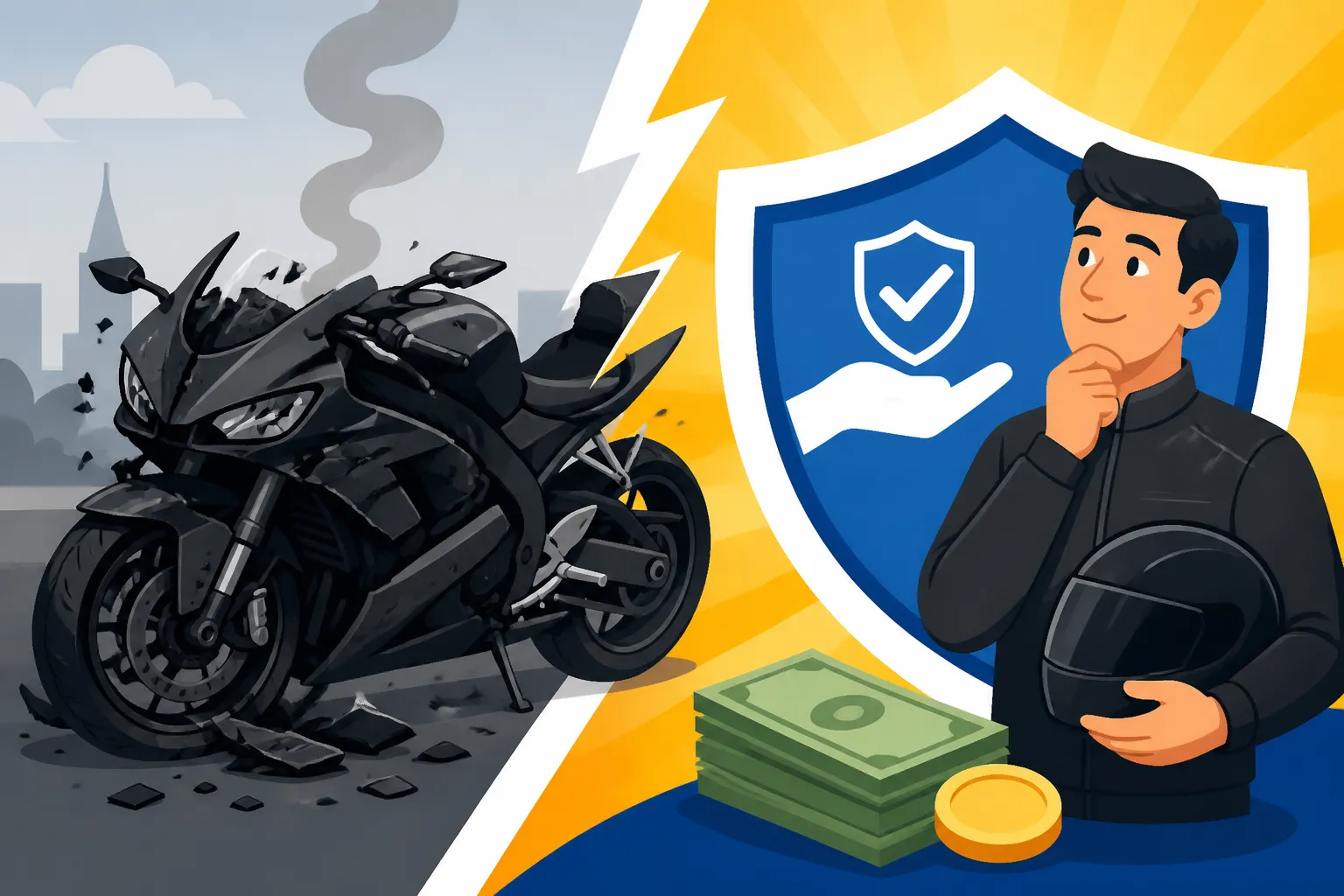
Finding your beloved motorcycle in a state where it's deemed a "total loss" is easily one of the most gut-wrenching experiences a rider can face. It's not just about the monetary value; it's about the machine you poured your passion, time, and hard-earned cash into, now reduced to a crumpled mess. This guide is here to walk you through exactly what happens when your motorcycle is totaled by the insurance company, demystifying the process and helping you navigate the challenging path toward a resolution.
Understanding the "Total Loss" Designation for Motorcycles
When an insurance company declares your motorcycle a "total loss," it means they've determined that the cost to repair the damage, plus the salvage value of the wrecked bike, exceeds a certain percentage of its Actual Cash Value (ACV) or a specific total loss threshold. It's a calculation, not just a visual assessment of how bad things look. For riders, this can be a bitter pill to swallow, especially when the damage might look reparable to an untrained eye.
The Repair Cost vs. Actual Cash Value Calculation
At its core, the total loss calculation is a financial equation. Insurance adjusters will meticulously assess the damage, often dismantling parts to uncover hidden issues that aren't visible on the surface. They'll generate an estimated repair cost, including parts, labor, and paint. Simultaneously, they'll determine the motorcycle's Actual Cash Value (ACV) just before the accident. ACV factors in depreciation, meaning they consider the bike's original purchase price, age, mileage, condition, and any modifications you've made (if covered by your policy) to arrive at its market value.
The total loss threshold varies by state, but it often hovers around 70-80% of the bike's ACV. For instance, in Texas, the total loss threshold is 100% of the ACV, meaning the repair costs must equal or exceed the ACV for it to be totaled. However, many states, like Florida, use a "total loss formula" where if the cost of repairs plus the salvage value exceeds the ACV, the vehicle is totaled. This means if your bike had an ACV of $10,000, and repairs are estimated at $7,000, plus the salvage value is $1,500 (totaling $8,500), it might be deemed a total loss even though the repairs alone are "only" 70% of the ACV. It's a nuanced process, and understanding What Is Total Loss on a Motorcycle? is crucial.
State-Specific Total Loss Thresholds
As mentioned, the specific percentage or formula used to declare a total loss can differ significantly depending on where you live. Some states employ what's known as a "total loss threshold" (TLT), which is a fixed percentage. If repair costs hit or exceed that percentage of the ACV, the bike is totaled. Other states use the "total loss formula" (TLF), which compares the cost of repairs plus the salvage value against the ACV.
It's not always straightforward, and these percentages can range from a relatively low 50% in states like Iowa to 100% in others like Texas. This variability can lead to situations where the same damage on the same bike might be totaled in one state but considered repairable in another. For a rider, this means that even if you're holding out hope for repairs, the insurance company's decision is largely dictated by these state regulations and the cold hard numbers. This is why it's so important to familiarize yourself with Motorcycle Insurance Requirements by State (2026 Guide) to understand the legal framework that governs these decisions.
The Immediate Steps After a Motorcycle Accident
Before anyone can even think about "total loss," there are critical steps you need to take right after an accident. Your actions in the moments and hours following a crash can significantly impact the entire insurance claim process, including how quickly and fairly your total loss claim is handled. It's an overwhelming time, but staying as calm and methodical as possible is vital.
Ensuring Safety and Documenting the Scene
First and foremost, your safety and the safety of others is paramount. Move yourself and your motorcycle out of traffic if possible and safe to do so. If you or anyone else is injured, call 911 immediately. Even if you feel fine, adrenaline can mask injuries, so it's always best to get checked out by medical professionals. Once safety is addressed, start documenting everything. Take clear, well-lit photos and videos of the accident scene from multiple angles, capturing the positions of all vehicles involved, road conditions, traffic signals, and any relevant landmarks.
Don't forget to photograph the damage to your motorcycle and any other vehicles involved. Get contact and insurance information from all parties, including witnesses. If the police respond, ensure a police report is filed and get the report number. This official documentation will be invaluable to your insurance company. Remember, this initial evidence gathering sets the stage for your claim, so be as thorough as possible.
Reporting the Accident to Your Insurance Company
Once you're safe and have gathered initial information, notify your insurance company as soon as possible. Delaying this can sometimes complicate the claims process. Even if you're unsure whether you want to file a claim, it's often wise to inform them of the incident, especially if there's significant damage or injury. They will open a claim and assign an adjuster to your case. Be prepared to provide them with all the details you collected at the scene, including the police report number if applicable.
When you call, stick to the facts and avoid speculating or admitting fault, even if you think you might be to blame. Let the investigation determine fault. Your insurance provider, whether it's Progressive, Geico, or another company, will guide you through their specific reporting procedures. They'll ask for your policy number, the date and time of the accident, its location, and a general description of what happened. This initial report kicks off the formal claims process, moving you closer to understanding How to File a Motorcycle Insurance Claim.
Navigating the Motorcycle Insurance Claim Process After a Total Loss
The journey from reporting an accident to receiving a settlement for a totaled motorcycle can feel like navigating a maze. It involves several key steps, each with its own intricacies and potential for frustration. Understanding this process will empower you to advocate for yourself and ensure you receive a fair settlement.
The Role of the Insurance Adjuster and Damage Assessment
Once you report your claim, your insurance company will assign a claims adjuster. This person is responsible for investigating the accident, determining fault, and assessing the damage to your motorcycle. The adjuster will want to inspect your bike, often at a designated repair shop or a salvage yard where it might have been towed. They will meticulously examine the frame, engine, suspension, and all components for visible and hidden damage.
During this assessment, the adjuster will estimate the cost of repairs. They'll consult with mechanics, parts suppliers, and sometimes even motorcycle dealerships to get accurate pricing for labor and replacement parts. It's during this stage that the "total loss" determination is made based on the repair cost versus the bike's ACV and your state's total loss threshold. This is a critical juncture where an objective, thorough assessment is vital. If you have any custom parts or modifications, make sure you've informed your adjuster and provided documentation, as they may not be automatically included in standard damage assessments without proof.
Determining Your Motorcycle's Value: ACV, Agreed Value, and Stated Value
The most crucial part of a total loss claim is determining the value of your motorcycle. There are generally three ways an insurance company will value your bike:
- Actual Cash Value (ACV): This is the most common valuation method. ACV is defined as the replacement cost of the motorcycle minus depreciation. Imagine you bought a new bike for $15,000 five years ago. Its ACV might only be $8,000 due to wear, tear, and market conditions, even if you paid more for it. The adjuster uses market data, such as recent sales of similar bikes in your area, to arrive at this figure.
- Agreed Value: This is a much more favorable valuation for riders, particularly those with vintage, custom, or rare motorcycles. With an agreed value policy, you and the insurance company agree on a specific value for your motorcycle when you purchase the policy. In the event of a total loss, the insurer pays out this agreed-upon amount, less your deductible, regardless of the ACV at the time of the loss. This coverage is often found with specialized insurers like Markel or Dairyland.
- Stated Value: This can be a bit tricky. While it sounds similar to agreed value, stated value policies typically cap the payout at the lesser of the stated value, the ACV, or the cost to repair. It acts more as a maximum limit the insurer will pay, rather than a guaranteed payout amount. If your stated value is $20,000 but the ACV at the time of loss is $15,000, you'll likely only receive $15,000. It's easy to confuse with agreed value, so understanding the nuances is critical.
It's incredibly important to know which type of valuation your policy carries. If you have a custom or classic bike, an agreed value policy is almost always the superior choice to protect your investment. You can learn more about these differences in Agreed Value vs Stated Value vs Actual Cash Value.
Understanding Your Payout Options and What to Expect
Once your motorcycle has been declared a total loss and its value determined, the next step is the financial settlement. This is where the rubber meets the road, and what you can expect to receive depends heavily on your specific policy, financing situation, and deductible. It's a moment of truth that can either provide a sense of relief or another layer of frustration.
Receiving Your Actual Cash Value Payout
If your policy is based on Actual Cash Value (ACV), the insurance company will offer you a settlement amount that represents the market value of your motorcycle just before the accident, minus your deductible. For example, if your bike's ACV was determined to be $12,000 and your collision deductible is $500, you would receive $11,500. This is the most common scenario for total loss claims.
It's important to remember that the initial ACV offer is just that – an offer. You have the right to negotiate if you believe the valuation is too low. Gather evidence to support a higher valuation, such as recent classified ads for similar motorcycles in your area, receipts for recent maintenance, or documentation of aftermarket parts and accessories that increased its value (and were covered by your policy). Be polite but firm in your negotiations. The goal is to reach a fair settlement that allows you to replace your lost ride. To help you with this, consider reading How to Negotiate a Motorcycle Total Loss Settlement.
The Crucial Role of Gap Insurance for Financed Motorcycles
If your motorcycle was financed, the situation becomes a bit more complex. When a bike is totaled, your insurance company will send the settlement check directly to your lender, covering the outstanding loan balance up to the ACV. However, motorcycles, like cars, depreciate quickly, often faster than you pay down the loan. This can lead to a "gap" where the ACV payout from your insurance company is less than what you still owe on the loan.
This is where gap insurance comes in. If you have gap coverage, it will pay the difference between the ACV payout and your outstanding loan balance, preventing you from being upside down on a totaled motorcycle. Without it, you'd be responsible for paying the remaining loan balance out of your own pocket, even though you no longer have the bike. This can be a financially devastating situation. For anyone financing a motorcycle, exploring Do You Need Gap Insurance on a Motorcycle? is highly recommended, as it provides a crucial safety net.
How Deductibles Impact Your Total Loss Settlement
A deductible is the amount of money you're responsible for paying out-of-pocket before your insurance coverage kicks in. For a total loss claim resulting from a collision, your collision deductible will apply. If your motorcycle was stolen or damaged by something other than a collision (like fire or vandalism), your comprehensive deductible would apply.
For example, if your totaled bike has an ACV of $10,000 and your collision deductible is $1,000, your insurance payout will be $9,000. The higher your deductible, the lower your premium, but also the less you'll receive in the event of a total loss. When choosing your deductible, it's a balance between saving money on monthly premiums and having enough financial liquidity to cover your deductible should an accident occur. Always choose a deductible amount you can comfortably afford, as it directly impacts your final payout.
Navigating the Salvage Title and Your Options
When your motorcycle is declared a total loss, its title status changes. It typically receives a "salvage title," which is a whole new ballgame in itself. This new title indicates that the vehicle has been extensively damaged and deemed uneconomical to repair by an insurance company. For riders, understanding what this means and the options it presents is vital.
What a Salvage Title Means for Your Motorcycle
A salvage title is issued by your state's Department of Motor Vehicles (DMV) or equivalent agency after an insurance company determines the vehicle is a total loss. This title marks the bike as having sustained severe damage. While a salvage title doesn't necessarily mean the motorcycle is irreparable, it signifies that the cost to repair it to its pre-accident condition would exceed the total loss threshold.
The primary implication of a salvage title is that the motorcycle cannot be legally ridden on public roads in most states. It cannot be registered, insured (beyond storage or liability-only, if even that), or sold as a standard road-legal vehicle. This status dramatically reduces its market value and flags it as a high-risk vehicle for potential buyers and future insurers. If you're interested in more details, a deeper dive into What Is a Salvage Title After a Total Loss? can provide clarity.
The Option to Buy Back Your Totaled Motorcycle
Even if your insurance company declares your motorcycle a total loss, you often have the option to "buy back" the salvage. This means that instead of the insurance company taking possession of the bike after paying out the ACV, you can keep the damaged motorcycle. However, if you choose this option, the insurance company will deduct the salvage value (the amount they would have gotten by selling it at auction) from your total loss payout.
For instance, if your bike's ACV was $12,000, your deductible was $500, and the salvage value is estimated at $1,500, your payout would typically be $11,500 if the insurer takes the bike. If you buy it back, you'd receive $10,000 ($11,500 – $1,500) and get to keep the motorcycle. This option is appealing to riders who have the skills, resources, and dedication to repair the bike themselves or use it for parts. However, it's a commitment, as restoring a salvage-titled motorcycle to road-legal status involves significant hurdles.
The Process of Rebuilding and Retitling a Salvage Motorcycle
If you decide to buy back your totaled motorcycle with a salvage title and intend to ride it again, you're embarking on a significant project. The process for rebuilding and retitling a salvage vehicle is stringent and varies by state. Generally, it involves:
- Repairs: You must meticulously repair all the damage that led to the total loss declaration. This often requires sourcing new or used parts, and you must keep detailed records, including all receipts for parts and labor.
- Salvage Inspection: Once repairs are complete, the motorcycle must undergo a thorough inspection by your state's DMV or a certified inspection station. This inspection verifies that the bike has been properly repaired, is safe for operation, and meets all state regulations. They will often check for stolen parts and proper VIN validation.
- New Title Application: If it passes inspection, you can apply for a "rebuilt" or "restored" title. This new title acknowledges that the bike was once salvage but has been repaired and deemed roadworthy.
- Insurance: Even with a rebuilt title, insuring a formerly salvage motorcycle can be challenging. Some insurers may be hesitant, and those who do offer coverage might charge higher premiums. It's crucial to shop around and be transparent about the bike's history. The Zebra is a good resource for comparing quotes from different insurers who might specialize in unique situations like this.
It's a lengthy, often costly, and bureaucratic process, but for some riders, the emotional attachment or the joy of bringing a bike back to life makes it worthwhile.
Impact on Your Future Insurance and Rates
Experiencing a total loss, especially if you were at fault, can have a ripple effect on your motorcycle insurance for years to come. It’s not just about getting a payout for your current bike; it's about understanding how this incident will influence your premiums and options down the line.
Potential Rate Increases and the Value of Accident Forgiveness
One of the most immediate concerns after a total loss accident, particularly one where you were found at fault, is the inevitable increase in your insurance premiums. Insurance companies view at-fault accidents as an indicator of higher risk, and they adjust your rates accordingly. The exact increase will vary based on your driving record, the severity of the accident, your insurer, and your state's regulations.
However, some insurance companies offer "accident forgiveness" programs. If you have this endorsement on your policy, your rates might not increase after your first at-fault accident, or the increase could be significantly mitigated. This can be an invaluable feature, saving you hundreds or even thousands of dollars in increased premiums over several years. It's always worth checking if your current policy includes this and considering it for future policies, especially if you're a new or less experienced rider.
Shopping for New Insurance After a Total Loss
Whether your totaled bike was replaced, you bought a new one, or you’re simply looking for coverage after the incident, you'll need new insurance. This is an excellent opportunity to shop around, especially if your rates have increased due to the total loss. Don't assume your current insurer will still offer the best deal. Different companies have different underwriting criteria and risk assessments.
When shopping, be completely transparent about the total loss incident. Insurers will check your claims history, so honesty is the best policy. Obtain quotes from multiple providers to compare rates and coverage options. Online comparison tools, like those offered by The Zebra, can be incredibly helpful for this, allowing you to see side-by-side quotes from various insurers like Progressive, Dairyland, and Geico without having to call each one individually. Look for discounts you might now qualify for, such as multi-policy discounts if you bundle with auto insurance, or defensive rider course discounts. Taking a fresh look at your coverage needs and comparing How to Compare Motorcycle Insurance Quotes can lead to substantial savings.
Understanding SR-22 Requirements Post-Total Loss
In certain situations, particularly if the total loss accident involved severe violations like a DUI/DWI, reckless driving, or repeated offenses, you might be required to obtain an SR-22 filing. An SR-22 isn't an insurance policy itself, but rather a certificate your insurance company files with your state's DMV, proving you carry the minimum required liability insurance. It essentially tells the state you are financially responsible.
Being required to carry an SR-22 signifies you are considered a high-risk driver, and this will almost certainly result in significantly higher insurance premiums. The requirement typically lasts for a specific period, often three years, but it can vary by state. If you are required to have an SR-22, your insurer must file it, and if your policy lapses or is canceled, they are legally obligated to inform the state, which can lead to license suspension. Understanding SR-22 for Motorcycles: When It's Required is crucial for any rider facing this situation.
Practical Tips for a Smoother Total Loss Experience
Dealing with a totaled motorcycle is stressful enough without added complications from the insurance process. A little preparation and proactive communication can go a long way in ensuring a smoother experience and a fair settlement. As a veteran rider and blogger, I've seen firsthand how these tips can make a real difference.
Document Everything Meticulously
From the moment an accident occurs until your claim is settled, documentation is your best friend. Keep a physical or digital folder for everything related to the incident and your claim. This includes:
- Accident Scene Photos/Videos: Comprehensive visuals from different angles, capturing damage, road conditions, and surroundings.
- Police Report: Get the report number and a copy of the official report.
- Witness Information: Names, phone numbers, and any statements.
- Medical Records: If you sustained injuries.
- Motorcycle Maintenance Records: Proof of regular upkeep can support a higher ACV.
- Aftermarket Parts & Accessory Receipts: Documentation of any upgrades or custom work, especially if you have custom parts coverage.
- Communication Log: Date, time, who you spoke with (adjuster, agent, mechanic), what was discussed, and any agreed-upon actions. Follow up important phone calls with an email summarizing the conversation.
- Policy Documents: Your full insurance policy, not just the declarations page.
Having these records organized and readily accessible can expedite the claims process, back up your claims about your bike's condition and value, and help you dispute any discrepancies in the adjuster's assessment.
Know Your Policy Inside and Out
Don't wait until an accident happens to understand your motorcycle insurance policy. Take the time to read through it when you first purchase it and review it annually. Pay close attention to:
- Coverage Types and Limits: What exactly are you covered for? What are the maximum payouts for liability, collision, comprehensive, and any additional coverages like custom parts or gap insurance? Knowing What Does Full Coverage Motorcycle Insurance Mean? is more than just a phrase; it's understanding the components.
- Deductibles: How much will you have to pay out-of-pocket for different types of claims?
- Valuation Method: Is your policy ACV, agreed value, or stated value? This is paramount for custom or classic bikes.
- Exclusions: Are there any specific situations or damages your policy doesn't cover?
- Rental Reimbursement/Trip Interruption: Does your policy offer these benefits if your bike is out of commission?
Understanding these details empowers you to confidently discuss your claim with the adjuster and ensures you're aware of what you're entitled to. It's a proactive step that can prevent nasty surprises when you're already dealing with a difficult situation.
Don't Rush to Accept the First Offer
It's tempting to quickly accept the first settlement offer from your insurance company, especially when you're anxious to move on. However, this initial offer might not always be the best or final offer. Insurance companies aim to settle claims efficiently, but their initial valuation might underestimate your motorcycle's true market value, particularly if it had unique features, low mileage, or was exceptionally well-maintained.
Take your time to review the offer carefully. Compare their ACV valuation to independent market research you've done for similar bikes in your area. If you find discrepancies, present your evidence respectfully but firmly. This negotiation process can add a significant amount to your final payout, often enough to make a real difference in replacing your totaled bike with something comparable. Remember, the insurance company's goal is to settle fairly, but it's your responsibility to ensure they have all the information to do so.
What to Do With Your Next Motorcycle
After the dust settles from a total loss, the thought of getting back on two wheels can be daunting, exciting, or a mix of both. Whether you're looking for a replacement or upgrading, making informed decisions about your next motorcycle and its insurance is just as important as navigating the total loss claim itself.
Deciding on a Replacement or Upgrade
Once you have your settlement in hand, you'll face a decision: find a direct replacement for your totaled bike, or use this as an opportunity to upgrade to something new, different, or more powerful. This choice often comes down to budget, your riding style, and lessons learned from the previous incident.
If you loved your previous bike, finding a similar model might bring comfort and familiarity. However, a total loss can also be a catalyst for change. Perhaps you realized your previous bike wasn't quite right for your needs, or maybe you're ready to explore a different class of motorcycle, like moving from a cruiser to a touring bike, or vice versa. Research new and used models, consider test rides, and think about how your riding habits might evolve. This is also the time to factor in how the new bike's characteristics might affect your insurance rates – a high-performance sport bike will almost certainly cost more to insure than a standard cruiser. For more information, you may want to look into Motorcycle Insurance Cost by Bike Type.
Ensuring Proper Coverage for Your New Ride
Once you've chosen your next motorcycle, securing the right insurance coverage is paramount. Don't simply opt for the minimum legal requirements, especially after experiencing a total loss. Think about the vulnerabilities you just faced and how to better protect yourself moving forward.
Consider:
- Full Coverage: Beyond liability, comprehensive and collision coverage are essential for protecting your investment, especially if you're financing your new bike.
- Gap Insurance: If you're financing, revisiting the need for gap insurance is a must.
- Accessories and Custom Parts Coverage: If you plan on customizing your new bike, ensure your policy specifically covers these additions at their actual value.
- Uninsured/Underinsured Motorist Coverage: This is incredibly important. Many riders on the road unfortunately don't carry sufficient, or any, insurance. This coverage protects you if you're hit by one of them. Find out more about Uninsured & Underinsured Motorist Coverage (UM/UIM).
- Roadside Assistance: A flat tire or mechanical breakdown miles from home is no fun. This add-on can be a lifesaver.
When you purchase your new policy, ensure you understand all the terms and conditions. Many riders find that getting How Much Is Motorcycle Insurance? 2026 Cost Guide helps them budget and choose wisely. You've been through the total loss process; now you have the experience to make even smarter choices for your next two-wheeled adventure.
Disclaimer
The information provided in this guide is intended for general informational purposes only and does not constitute legal, financial, or insurance advice. Motorcycle insurance laws and regulations vary by state and individual circumstances. Always consult with a qualified insurance professional or legal advisor to discuss your specific situation and ensure compliance with all applicable laws and policy terms.