What Coverage Protects Against Motorcycle Theft?
There are few things more gut-wrenching for a rider than stepping out and realizing your prized motorcycle isn't where you left it. The thought alone sends shivers down the spine. It's not just a machine; it's freedom, a passion, and often a significant financial investment. When that happens, knowing what motorcycle insurance coverage protects against theft can make all the difference between a devastating loss and a manageable recovery. This guide will walk you through the essential coverages and practical steps to safeguard your ride.
Understanding the Risk of Motorcycle Theft
Let's be real, motorcycles are a common target for thieves. They're often easier to move, can be stripped for parts quickly, and might not have the same level of security as a car, especially if you're not proactive about it. The feeling of vulnerability can be a real concern for many riders, whether you own a gleaming new Harley-Davidson or a classic Triumph you've painstakingly restored.
Common Theft Scenarios and Statistics
Motorcycle theft isn't just about someone hot-wiring your bike in a dark alley (though that still happens). It can be far more subtle and brazen. You might park it outside your apartment complex, thinking it's safe, only to find it gone in the morning. Or perhaps it's snatched from a "secure" parking garage. In some cases, thieves target specific models for their parts, making even partially dismantled bikes attractive targets. Recent data from the National Insurance Crime Bureau (NICB) consistently shows thousands of motorcycles reported stolen each year across the United States. While the numbers can fluctuate, the threat is ever-present, reminding us that no bike is truly immune. Urban areas, especially cities like Los Angeles, Houston, and New York, tend to see higher rates, but rural areas aren't entirely safe either.
The Emotional and Financial Toll of Theft
When your motorcycle is stolen, it's not just about the money. There's a deep emotional impact. The violation of your personal space, the loss of your mobility, and the frustration of dealing with law enforcement and insurance companies can be incredibly stressful. Financially, if you don't have the right coverage, you could be out thousands, or even tens of thousands, of dollars. Imagine having a loan on a bike that gets stolen and no insurance to cover it – you'd be stuck paying for a vehicle you no longer own. This is why having adequate protection, especially coverage against theft, is so vital. It provides not just financial security, but also a significant measure of peace of mind when you park your bike.
The Primary Protection: Comprehensive Coverage
If you're asking, "What coverage protects against motorcycle theft?", the answer almost always starts with comprehensive coverage. This is your knight in shining armor when it comes to non-collision incidents, and theft is right at the top of that list. Many riders often confuse different types of insurance, but comprehensive is distinct from liability or collision.
What Comprehensive Coverage Actually Covers
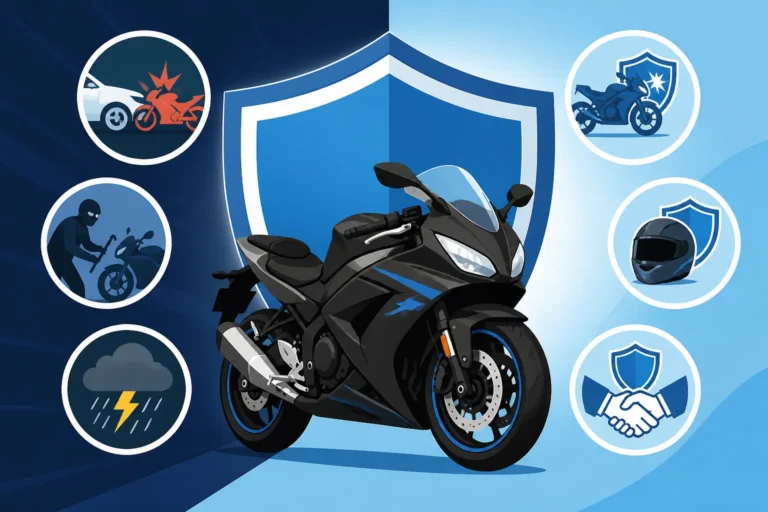
Comprehensive coverage is designed to protect your motorcycle from damages that aren't caused by a collision with another vehicle or object. Think of it as your "Acts of God and other misfortunes" coverage. This includes events like:
- Theft: This is the big one we're talking about. If your motorcycle is stolen, comprehensive coverage will typically pay to replace it (minus your deductible) up to its actual cash value or, if you have it, its agreed value.
- Vandalism: If someone scratches your paint, slashes your tires, or otherwise intentionally damages your bike.
- Fire: Damage from a garage fire, an electrical fire, or any other fire event.
- Natural Disasters: Hail, floods, windstorms, earthquakes, etc. Imagine a heavy hailstorm pummeling your bike while it's parked.
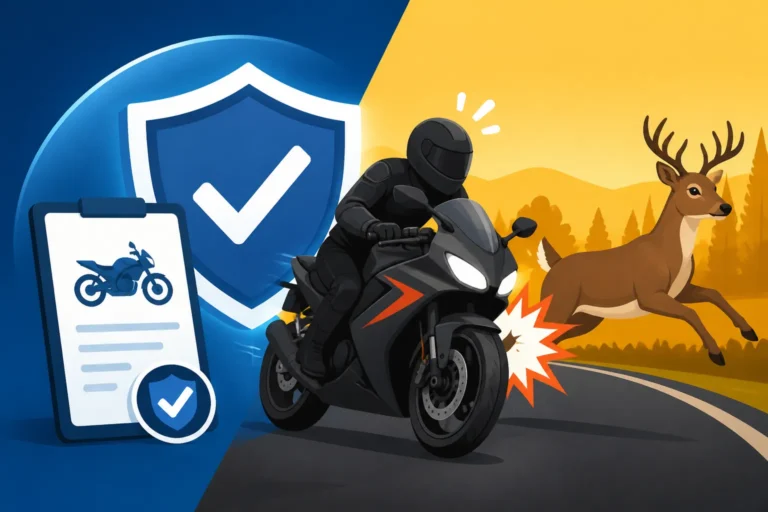
- Animal Strikes: Hitting a deer or other animal on the road.
Without comprehensive coverage, if your motorcycle vanishes into thin air, you'd likely be on the hook for the full cost of replacing it yourself. This is why for most riders, especially those with newer or more valuable bikes, comprehensive coverage is non-negotiable. It's often bundled with collision coverage to form what many call "full coverage motorcycle insurance."
How Comprehensive Differs from Other Coverages
It's crucial to understand how comprehensive stands apart from other common types of motorcycle insurance.
- Liability Coverage: This is the bare minimum most states require. It pays for damages and injuries you cause to others in an at-fault accident. It absolutely does nothing to protect your own bike from theft, damage, or anything else. You can learn more about Minimum Liability Insurance Explained (The Three Numbers) to see just how limited this basic coverage can be.
- Collision Coverage: This pays for damages to your motorcycle if you hit another vehicle, an object (like a guardrail or a tree), or if it overturns. So, if you lay your bike down or get into a fender bender, collision steps in. But if your bike is simply stolen while parked, collision coverage offers no protection.
- Uninsured/Underinsured Motorist (UM/UIM) Coverage: This protects you if you're involved in an accident with another driver who doesn't have insurance or doesn't have enough insurance. Again, vital for accidents, but irrelevant for theft.
As you can see, comprehensive coverage fills a very specific and critical gap that other coverages simply don't address. It's the dedicated theft protection you need.
Deductibles and Payouts for Theft Claims
Just like with other types of insurance, comprehensive coverage comes with a deductible. This is the amount of money you agree to pay out-of-pocket before your insurance company starts paying for the damages. For example, if your comprehensive deductible is $500 and your stolen motorcycle is valued at $8,000, the insurance company would pay you $7,500 after you've paid the first $500.
When your motorcycle is stolen, the insurance company will typically wait a short period (often 30 days) before settling the claim, just in case the bike is recovered. If it's not found, they'll determine its value. Most standard comprehensive policies pay out the Actual Cash Value (ACV) of the motorcycle at the time of the theft. This means they factor in depreciation. If you bought your bike for $15,000 five years ago, its ACV today will be significantly less. For riders with custom bikes or those who want guaranteed value, it's worth exploring options like Agreed Value vs Stated Value vs Actual Cash Value coverage. Agreed value means you and the insurer agree on a specific value for the bike upfront, ensuring you get that amount if it's totaled or stolen.
Beyond Comprehensive: Additional Coverages to Consider
While comprehensive coverage is your main line of defense against theft, there are other coverages that can complement it, especially if your bike is customized or you're concerned about the entire experience of loss.
Accessories and Custom Parts Coverage
Many riders invest heavily in their bikes, adding custom exhausts, upgraded seats, chrome accents, saddlebags, or even performance modifications. Standard comprehensive policies often have limited coverage for these extras, typically a small amount like $1,000 or $3,000. If your bike is stolen and it's loaded with thousands of dollars in aftermarket parts, that standard limit might not even scratch the surface of your investment.
This is where Accessories & Custom Parts Coverage Explained becomes incredibly valuable. This add-on extends your coverage specifically to these modifications. When comparing policies, make sure to get a clear understanding of how much additional coverage you can purchase and what limitations might apply. Some insurers might require receipts or photos of custom parts to properly value them. If you've spent a lot of time and money making your bike uniquely yours, you definitely want to ensure those personal touches are protected.
Total Loss Coverage and Agreed Value
As mentioned, standard comprehensive coverage often pays out the Actual Cash Value. But what if your bike is relatively new, financed, or a rare classic? Depreciation can hit hard.
- Total Loss Coverage (New Bike Replacement): Some policies offer "new bike replacement" or "total loss coverage" for newer motorcycles, typically within the first year or two. If your new bike is stolen and not recovered, this coverage could pay for a brand new identical or similar model, rather than just the depreciated value of your stolen one. This can be a huge relief if you're still making payments on a new bike.
- Agreed Value Coverage: For custom builds, vintage bikes, or high-value motorcycles where market value is subjective or doesn't reflect your investment, agreed value coverage is paramount. With this, you and your insurer agree on a specific value for the motorcycle before the policy begins. If it's stolen, that's the amount you'll receive, assuming you meet all policy conditions. This removes the uncertainty of ACV and protects your unique investment. This is often available through specialized motorcycle insurers like Markel or Dairyland, known for catering to custom and classic bikes.
Roadside Assistance and Recovery
While not directly a theft protection, roadside assistance can play a small role in the aftermath of a recovered stolen bike, or even just in preventing a bike from becoming a target. If your bike is recovered but damaged or abandoned somewhere, roadside assistance might help with towing it to a repair shop or back home. It's more of a convenience, but it adds to the overall safety net. More broadly, if your bike breaks down in an unsafe location, towing it quickly can reduce its exposure to potential theft, before it even happens.
Practical Steps to Deter Theft and Enhance Protection
Insurance is fantastic for financial recovery, but preventing the theft in the first place is always the best outcome. Combining smart riding habits with practical security measures can significantly reduce your risk.
Physical Security Measures and Devices
You can make your motorcycle less appealing to thieves by implementing physical deterrents. Think like a thief and then block their easiest routes.
- Disk Locks: Small, portable, and effective. These attach to your brake disc and prevent the wheel from turning. Many come with an alarm that sounds if the bike is moved. Brands like Abus or Xena offer highly-rated disk locks.
- Chain Locks: A heavy-duty chain lock anchored to an immovable object (like a street lamp or a ground anchor) can be a significant deterrent. It makes it much harder for thieves to simply roll your bike away or lift it into a van. Kryptonite is a popular brand known for strong chain and U-locks.
- Ground Anchors & Wheel Chocks: If you park your bike in a garage or driveway, installing a ground anchor can provide a solid, immovable point to chain your bike to. A wheel chock can stabilize it and make it harder to roll away.
- Cover It Up: A simple motorcycle cover can make your bike less visible to opportunistic thieves. Out of sight, out of mind, even if only for a moment. Plus, they won't know what kind of bike it is or what security it might have.
Remember, no single security measure is foolproof, but layers of security make a bike a much less attractive target. A thief looking for an easy score will likely move on to the next, less protected bike.
Leveraging Technology for Theft Prevention
In today's world, technology offers powerful tools to protect your ride.
- GPS Trackers: These devices can be hidden on your motorcycle and allow you to track its location in real-time via a smartphone app. If your bike is stolen, you can provide its exact location to law enforcement, significantly increasing the chances of recovery. Many companies offer dedicated motorcycle GPS trackers, and some bikes even come with them pre-installed.
- Alarms: Beyond disk lock alarms, full-fledged motorcycle alarm systems can alert you and others if your bike is tampered with. Some even have motion sensors and remote pagers.
- Kill Switches: A hidden kill switch can prevent a thief from starting your bike, even if they manage to hotwire it. This is a relatively low-cost addition that can be surprisingly effective.
- Smart Security Systems: Some advanced systems integrate alarms, GPS tracking, and even remote engine disabling features, all controlled from your phone.
Using a combination of these technological deterrents, along with your comprehensive insurance, creates a robust defense against theft.
Choosing the Right Insurance Provider for Theft Protection
Not all insurance providers are created equal when it comes to motorcycle theft protection. Some specialize in motorcycles, offering more tailored options, while others are generalists.
When you're shopping for coverage, consider:
- Specialized Insurers: Companies like Dairyland and Markel often focus specifically on motorcycles and may offer more flexible or comprehensive options for custom parts, agreed value, and even specialized recovery services.
- Major Carriers: Big names like Progressive, Geico, State Farm, and Allstate also offer robust motorcycle insurance. They often excel in customer service and may provide bundling discounts if you insure your car or home with them. It's often worth getting quotes from a few different places. You can use platforms like The Zebra to quickly compare motorcycle insurance quotes from multiple carriers side-by-side, which can be super helpful in finding the best deal and the right coverage for theft.
- Discounts: Many insurers offer discounts for anti-theft devices, motorcycle safety course completion (which also makes you a safer rider!), and even garage storage. Asking about these can help lower your premium while increasing your protection. You might be surprised at how much you can save! Check out our guide on How to Get Cheap Motorcycle Insurance for more ideas.
Ultimately, the best approach is to get multiple quotes, compare the comprehensive coverage limits, deductibles, and any optional coverages for custom parts or agreed value. Don't just look at the price; look at what you're actually getting in return for that premium. It's about finding the right balance of protection and affordability.
Here's a quick comparison table of common coverages and their role in theft protection:
| Coverage Type | Primary Purpose | Protects Against Theft? | Covers My Bike? | Covers Others? |
|---|---|---|---|---|
| Comprehensive | Non-collision incidents (theft, vandalism, fire, animal strikes, natural disasters) | Yes | Yes | No |
| Collision | Damage to your bike from a collision or overturning | No | Yes | No |
| Liability (BI/PD) | Injuries/damages you cause to others in an accident | No | No | Yes |
| Uninsured/Underinsured Motorist | Damages/injuries if hit by uninsured/underinsured driver | No | Yes (your injuries/damages) | No (for your bike) |
| Accessories & Custom Parts | Damage/theft of aftermarket parts and modifications | Yes (addon to comprehensive) | Yes | No |
| Agreed Value | Ensures a pre-agreed payout for total loss/theft | Yes (enhances comprehensive) | Yes | No |
Disclaimer
Please remember that this information is intended for general guidance only and should not be considered legal or professional insurance advice. Insurance policies can vary significantly by state, provider, and individual terms. Always consult with a licensed insurance professional to discuss your specific needs and ensure you have the appropriate coverage for your motorcycle. Policy details, exclusions, and limitations will be outlined in your individual insurance contract.