Is It Worth Getting Comprehensive-Only Coverage in Winter?
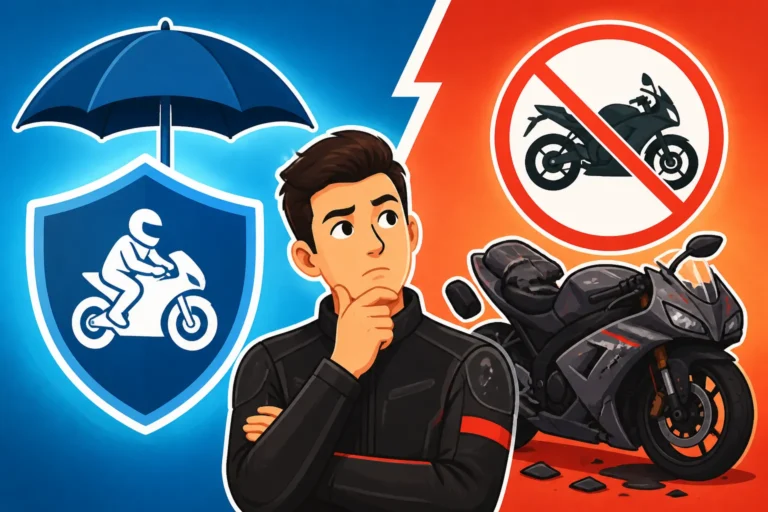
Ah, winter. The season of cozy fires, holiday cheer, and for many of us motorcycle enthusiasts, the bittersweet reality of tucking our bikes away for a few months. It's a real bummer, and what makes it even worse is paying for full coverage insurance when your beloved machine is just sitting in the garage. This guide is all about navigating that common dilemma: exploring if comprehensive-only motorcycle insurance during the off-season is a smart move for your wallet and your peace of mind.
Understanding Comprehensive-Only Coverage for Motorcycles
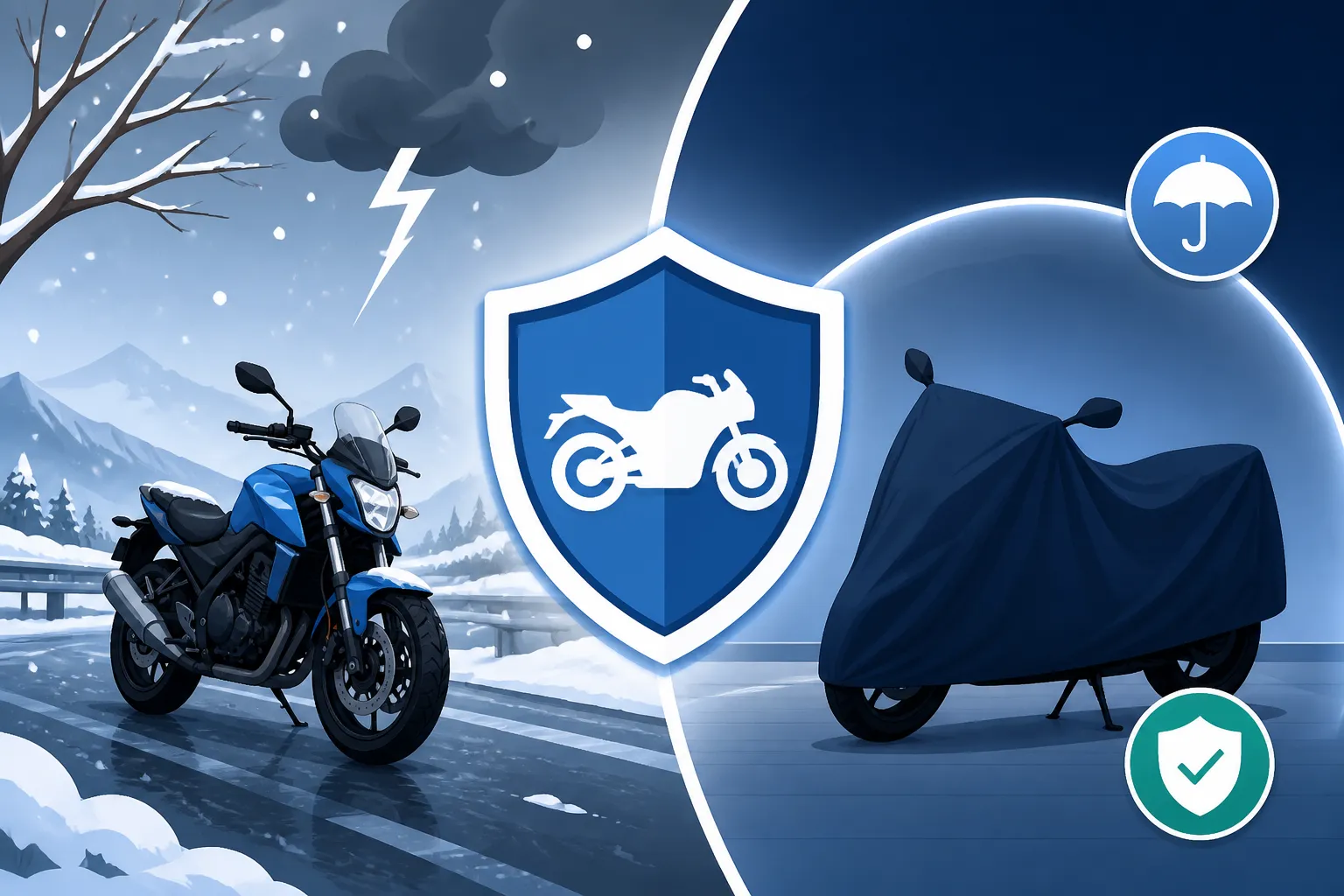
When you first hear "comprehensive-only," it can sound a bit intimidating or confusing, especially when you're used to thinking about full coverage or just basic liability. But it's actually a pretty straightforward concept, specifically designed for situations where your bike isn't actively being ridden on the road. It’s like putting a protective bubble around your stored investment.
What Comprehensive Coverage Actually Protects Against
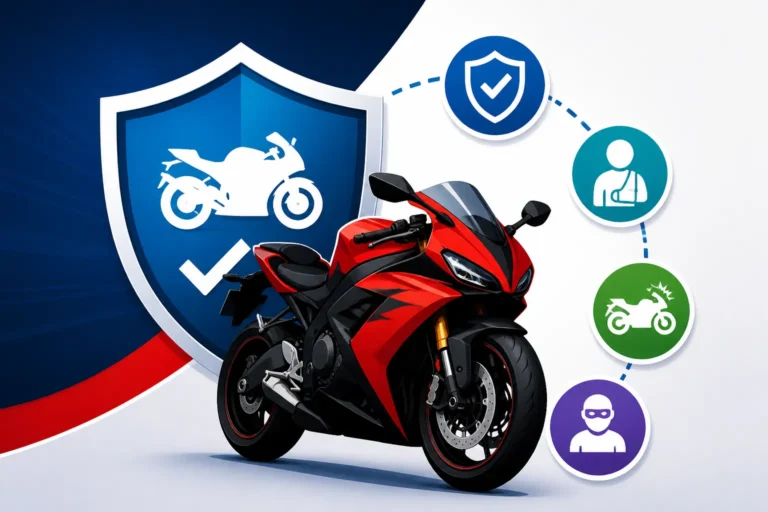
Let's break down what comprehensive coverage is really there for. Think of it as protection against all those "Act of God" moments and unexpected, non-collision incidents that can still happen even when your bike is parked. It's truly a lifesaver when the unforeseen strikes.
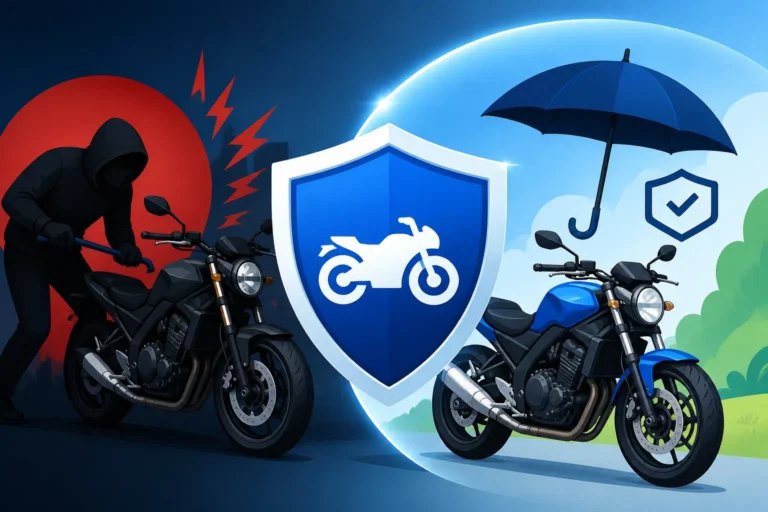
For instance, imagine a massive hailstorm rolls through your town in the dead of winter, pelting your garage roof and, unfortunately, leaving dents all over your shining tank and fairings. That's where comprehensive steps in. It covers damage from natural disasters like hail, floods, wildfires, and even strong winds that might knock something onto your bike. Or, consider the heartbreaking scenario of walking into your garage one morning only to find your motorcycle missing – a victim of theft. Comprehensive coverage is your financial safeguard here, helping you recover the value of your stolen bike. This also extends to acts of vandalism, like someone keying your paintwork or slashing your tires while your bike is stored. Even less dramatic events, like a tree branch falling on your bike during a winter storm or striking a deer if you're out for a quick, brave ride before the real winter hits, are typically covered by comprehensive. It’s a vital layer of protection for all those unpredictable moments that aren't related to a crash with another vehicle.
How It Differs from Full Coverage or Liability Only
Now, let's talk about how comprehensive-only fits into the bigger picture of motorcycle insurance, and why it's distinct from full coverage or just having liability.
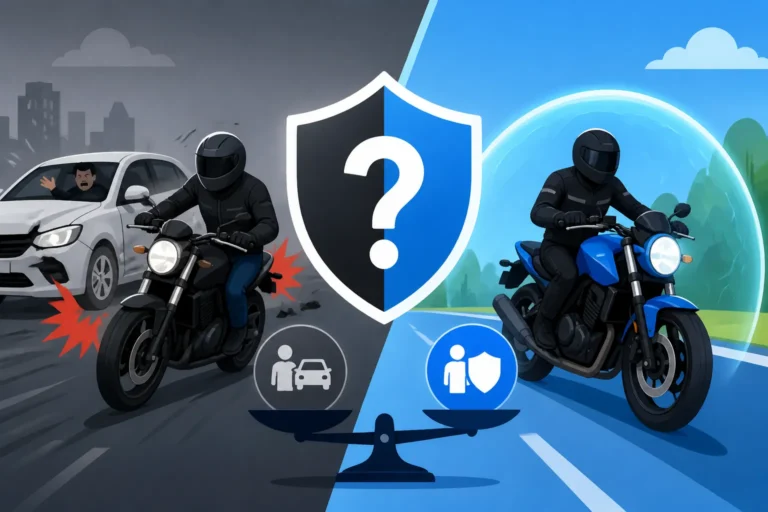
When most riders talk about "full coverage," they're generally referring to a policy that includes not only comprehensive but also collision coverage. Collision coverage is what pays for damages to your own motorcycle if you're involved in an accident with another vehicle, or if you hit an object like a lamppost or a guardrail. It's absolutely essential when you're actively riding because, let's face it, accidents happen. However, if your bike is safely tucked away for the winter and not going anywhere, the risk of a collision is pretty much zero. That's why considering dropping collision temporarily becomes attractive. You can learn more about what "full coverage" entails in our detailed guide on What Does Full Coverage Motorcycle Insurance Mean?.
On the other end of the spectrum is liability-only insurance. This is the bare minimum required in most states, and it only covers damages or injuries you might cause to other people or their property in an accident that's deemed your fault. It offers absolutely no protection for your own bike if it's stolen, vandalized, or damaged by a natural event. While it’s the cheapest option, it leaves your personal investment completely exposed, which can be a huge risk if you own a valuable motorcycle. If you're curious about the specifics, check out our piece on Liability Coverage for Motorcycles Explained. Comprehensive-only coverage, then, sits right in the middle: it's more than basic liability because it protects your bike from specific non-collision risks, but it's less than full coverage because it specifically excludes collision damage. It's a strategic choice for specific periods, usually when riding isn't an option.
The Seasonal Dilemma: Why Riders Consider Comprehensive-Only in Winter
Every year, as the temperatures drop and the roads get slick, motorcyclists face the same nagging question: "Why am I paying full price for insurance when my bike's just sitting there?" It's a completely valid frustration, and it's precisely why many riders start looking into comprehensive-only options. You want to protect your investment, but you also don't want to feel like you're throwing money away.
The Cost-Saving Appeal During Off-Season
Let's be honest, the biggest driving factor behind considering comprehensive-only coverage during the colder months is saving money. Motorcycle insurance, especially full coverage, can be a significant expense, and it feels counterintuitive to pay those premiums when your bike isn't even seeing the light of day. For many riders, the riding season is distinct – maybe six to eight months out of the year – and for the remaining four to six months, the bike is in storage.
When your bike is stored, the risks associated with riding, like hitting another car or falling over at a low speed, are eliminated. Collision coverage, which typically accounts for a substantial portion of your premium, becomes unnecessary. By temporarily removing collision (and sometimes even liability, though this requires careful consideration of your state's laws and lender requirements, especially for financed bikes), you can significantly reduce your monthly or annual insurance payments. It’s like pressing a pause button on the most expensive parts of your policy while still maintaining a baseline of protection. This can translate into hundreds of dollars in savings over the winter, which can then be put towards maintenance, upgrades, or even saved for your next riding adventure. If you're looking for more ways to cut down on costs, our guide on How to Lower Your Motorcycle Insurance Premium offers some fantastic tips.
Protecting Your Investment Even When Stored
But it's not just about saving money. It's also about smart protection. Just because your motorcycle isn't on the road doesn't mean it's immune to all dangers. In fact, being stored can expose it to a unique set of risks that comprehensive coverage is perfectly designed to handle.
Consider this: your prized Harley-Davidson is tucked away in your garage for the winter. One frigid night, a pipe bursts in your home, causing water damage that floods part of your garage and damages your bike. Or, a less dramatic but equally frustrating scenario, someone breaks into your garage and attempts to hotwire or steal your motorcycle, causing significant damage in the process. These are exactly the kinds of incidents that comprehensive coverage protects against. It’s about securing your asset from non-collision perils like theft, vandalism, fire, and a whole host of natural events – anything from a rogue tree branch during a blizzard to a local flood. For riders with valuable or custom bikes, this peace of mind is invaluable. Even if your state doesn't require insurance for stored vehicles, protecting your investment financially against these types of damages is a smart move. Our article Do You Need Insurance to Store a Motorcycle? delves deeper into this topic.
Weighing the Pros and Cons: Is It Truly Worth It?
Deciding whether to go comprehensive-only in the winter isn't a one-size-fits-all answer. It depends heavily on your specific situation, your bike, your budget, and your risk tolerance. It's a calculation that involves both financial savings and potential risks.
Advantages of Going Comprehensive-Only
There are some clear upsides to opting for comprehensive-only coverage during your motorcycle's hibernation period. These benefits often make it a very attractive option for many riders.
Firstly, as we discussed, the cost savings can be substantial. Reducing or eliminating the most expensive components of your policy – collision and potentially liability – can free up significant cash. Imagine saving $50-$100 or even more per month during the four to six months your bike is off the road. That adds up! These savings can then be allocated to other essential expenses, or even towards upgrades for your bike when spring rolls around. Secondly, it provides crucial peace of mind against those unpredictable, non-riding related risks. Knowing that your bike is protected from theft, fire, vandalism, and natural disasters, even when it's just sitting there, means you don't have to constantly worry about what could happen while it's out of commission. Thirdly, it helps in maintaining a continuous coverage history. Even though you're modifying your policy, you're not letting it lapse entirely. A continuous insurance history can often lead to better rates in the long run when you reinstate full coverage. When you're ready to compare, using a service like The Zebra can really help you quickly see how different policies stack up and which companies offer the best rates for this type of seasonal adjustment.
Potential Drawbacks and Risks
While the advantages are appealing, it's crucial to understand the potential downsides and risks associated with switching to comprehensive-only coverage. Overlooking these could lead to serious financial headaches.
The most significant risk is that you'll have no coverage if you decide to ride, even for a quick, impromptu spin on an unseasonably warm winter day. We've all been there: a sunny 50-degree day in January, and the temptation to take the bike out for a quick blast is almost unbearable. But if you do, and you get into an accident – even a minor one like dropping the bike in a parking lot – you will be entirely on the hook for all damages to your motorcycle and any third-party liability. This can be a financially devastating mistake. Furthermore, remember that collision coverage isn't just for road accidents. It also covers incidents like accidentally knocking your bike over in the garage, or if it tips over while parked. With comprehensive-only, these types of self-inflicted damages would not be covered. You'd be paying out of pocket for any repairs.
Another critical point to consider is the status of liability coverage. Some riders consider dropping liability entirely during storage. However, if your motorcycle is financed, your lender will almost certainly require you to maintain continuous full coverage, including liability. Failing to do so could be a breach of your loan agreement, leading to penalties or even your lender purchasing expensive "force-placed" insurance for you, which you'd have to pay for. Even if your bike is paid off, letting your liability lapse completely might lead to issues when you try to reinstate it, potentially resulting in higher premiums or even requiring an SR-22 filing if you're caught riding without it, as detailed in our guide on What Happens If You Ride Without Insurance?. Finally, there's the administrative hassle of changing your policy twice a year. You have to remember to switch to comprehensive-only before winter and then, crucially, remember to switch back to full coverage before you hit the road in spring. Forgetting to reinstate full coverage could lead to major problems.
Practical Steps for Implementing Seasonal Coverage Changes
If you've weighed the pros and cons and decided that comprehensive-only coverage is the right move for your winter storage period, there are a few practical steps you should take to ensure a smooth transition and avoid any unwelcome surprises.
Reviewing Your Current Policy and State Laws
Before you make any changes, the very first thing you need to do is thoroughly review your existing motorcycle insurance policy. Pull out those documents and understand exactly what coverages you currently have, what your deductibles are, and when your policy renews. This will give you a baseline for comparison.
More importantly, if your motorcycle is still financed, you must check your loan agreement. Most lenders will explicitly require you to maintain specific levels of collision and comprehensive coverage for the entire duration of the loan. Dropping or altering this coverage without their explicit permission could put you in breach of contract, leading to serious repercussions like forced insurance at a higher rate or even repossession. It’s a huge risk to take without checking first. Also, understand your state's minimum insurance requirements. While you're not planning to ride, knowing the baseline can help you make informed decisions, especially if you're considering dropping liability altogether. For a comprehensive look at what your state expects, take a look at our Motorcycle Insurance Requirements by State (2026 Guide). Don't forget to also consider any specific rules about how long you can maintain comprehensive-only, as some insurers might have stipulations.
Getting Quotes and Making the Switch
Once you understand your current situation and obligations, it's time to explore your options. You don't just have to stick with your current insurer; it's a great opportunity to shop around.
Start by contacting your existing insurance provider. Ask them about their "seasonal lay-up" or "storage" options. Many companies, like Progressive or Dairyland, are very familiar with this concept and have specific procedures for it. They can tell you exactly how much you would save by switching to comprehensive-only for a certain period. Don't be shy about asking for specific dates for the change, and make sure you understand any implications, such as how it affects multi-policy discounts if you also insure a car with them. Beyond your current insurer, it’s always a smart move to get quotes from several different companies. This is where online comparison tools really shine. Websites like The Zebra allow you to input your information once and receive multiple quotes from various providers. This can help you find the absolute best rate for comprehensive-only coverage. Be sure to specify that you're looking for comprehensive-only for a specific period of time. When you decide to make the switch, confirm the effective date of the change and get all the details in writing. You want absolute clarity that your collision and liability coverage are suspended and comprehensive remains active, without any gaps in protection.
Reinstating Full Coverage for Riding Season
This is arguably the most critical step of all. It’s easy to remember to reduce your coverage to save money, but it’s just as easy to forget to reinstate it when spring fever hits. Seriously, don't let the excitement of the first warm day make you forget this crucial step!
Mark your calendar, set phone reminders, or do whatever it takes to ensure you remember to contact your insurer and reinstate your full coverage well before you plan to take your motorcycle out for its first ride of the season. Ideally, you should do this a week or two in advance. This gives your insurance company enough time to process the change and ensures there's no lapse in your liability or collision protection when you need it most. Imagine the horror of getting into an accident on that glorious first ride of spring, only to realize you still only have comprehensive coverage! Not only would your bike not be covered for collision damage, but you’d also be personally responsible for any damage or injuries to others. This could financially ruin you. Make sure the effective date of your full coverage reinstatement is before your planned first ride. Your insurer might even offer a reminder service for this. It's also a good time to review your policy again to see if there are any new discounts available or if your rates have changed.
Comparison of Winter Motorcycle Insurance Coverage Options
To help you visualize the differences, here’s a quick comparison of what each coverage type generally offers during the winter storage period.
| Coverage Type | Cost during Winter (Relative) | Theft Protection | Fire/Vandalism Protection | Natural Disaster Protection (Hail, Flood) | Collision Protection (e.g., hitting a deer, falling over) | Liability Protection (damage to others) | Lender Requirements (if financed) | Peace of Mind |
|---|---|---|---|---|---|---|---|---|
| Full Coverage | Highest | Yes | Yes | Yes | Yes | Yes | Usually Required | Highest |
| Comprehensive-Only | Moderate (Significant Savings) | Yes | Yes | Yes | No | No (if dropped) / Yes (if kept) | Often Sufficient (check with lender for liability) | High |
| Liability-Only | Lowest | No | No | No | No | Yes | Not usually sufficient for financed bikes | Lowest |
| No Insurance | Zero | No | No | No | No | No | Not Allowed for Financed Bikes, Risky | None |
Note: If you maintain comprehensive-only, you can choose to keep liability coverage if your state or lender requires it, though this would slightly increase your premium compared to dropping all but comprehensive.
Ultimately, choosing comprehensive-only for winter can be a smart, money-saving move for many riders. It protects your valuable asset from a host of non-collision threats while it's out of commission, without forcing you to pay for collision coverage you don't need during that time. Just be absolutely diligent about checking your financing requirements, understanding state laws, and most importantly, remembering to reinstate your full coverage before you hit the open road again in the spring. Ride safe, and enjoy the savings!
Disclaimer
This article is for general informational purposes only and does not constitute professional advice. Laws, prices and regulations vary by location and change over time. Consult a qualified professional for guidance on your specific situation.