How to Handle a Motorcycle Insurance Claim in Illinois
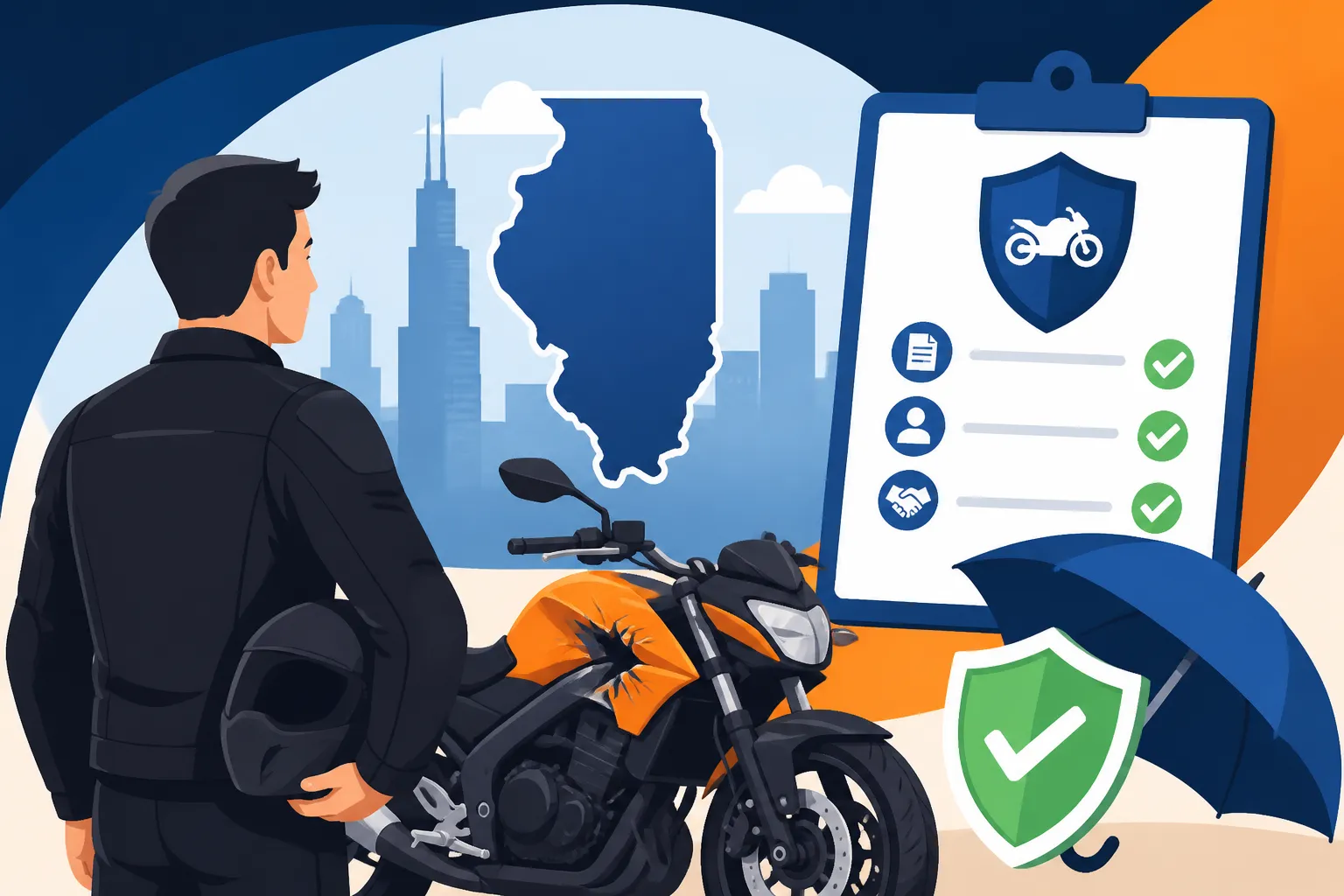
Riding your motorcycle through Illinois is an incredible experience, whether you're cruising along Lake Michigan or tackling the scenic routes downstate. But the freedom of the open road can quickly turn into a nightmare if you're involved in an accident. The immediate aftermath is chaotic, and dealing with an insurance claim can feel like navigating a complex maze, especially when you're shaken up and just want your bike fixed or replaced. This guide is here to walk you through exactly how to handle a motorcycle insurance claim in Illinois, from the moment an accident happens to the final settlement.
Immediate Steps After a Motorcycle Accident in Illinois
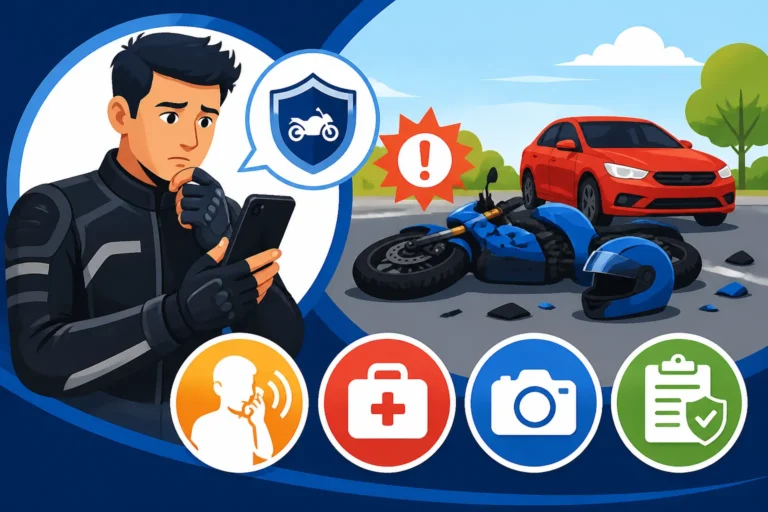
The moments right after a motorcycle accident can be disorienting, and it's easy to feel overwhelmed. But taking a few critical steps immediately can significantly impact your insurance claim's success and your overall well-being. Think of these as your essential checklist to protect yourself, your claim, and your future.
Ensuring Safety and Calling Emergency Services
First and foremost, your safety and the safety of others are paramount. Even if you feel fine, adrenaline can mask injuries. If you can move, try to get yourself and your motorcycle to a safe location, away from the flow of traffic. However, if you suspect any serious injuries or if your bike is too damaged to move, stay put and wait for help.
Once you're safe, call 911 immediately. In Illinois, as in most places, law enforcement will typically respond to any accident involving injuries, significant property damage, or if traffic is obstructed. A police report is an invaluable document for your insurance claim, providing an official, unbiased account of the incident. It will include details like the date, time, location, involved parties, witness statements, and often, an initial assessment of fault. Without this official report, proving what happened later on can become a "he said, she said" situation, which is a headache no one needs. For more on official documentation, you might find our guide on Proof of Insurance & Registration for Motorcycles helpful.
Gathering Information at the Scene
After calling for help and ensuring safety, the next crucial step is to gather as much information as possible from the accident scene. This can feel daunting, especially if you're in pain or shock, but the more details you collect, the smoother your claim process will be.
Start by exchanging information with all other drivers involved. Get their full name, contact information, driver's license number, license plate number, and insurance company details, including their policy number. Don't rely solely on what they tell you; snap photos of their driver's license and insurance card with your phone. This helps avoid transcription errors and provides clear evidence.
Beyond the other driver's details, look for witnesses. People who saw the accident but aren't directly involved can offer an objective perspective. Get their names and phone numbers. Often, police officers will also collect witness statements, but having your own contact information for them can be a lifesaver if you need to follow up.
And don't forget your phone is a powerful tool. Take pictures and videos of everything: your motorcycle, the other vehicles involved, road conditions, traffic signs, skid marks, debris, and any visible injuries on yourself or others. Capture wide shots to show the overall scene, and close-ups of specific damage. The more visual evidence you have, the better. Memories fade, but photos are forever. This detailed approach can also be crucial when understanding What Happens If You Ride Without Insurance?.
Understanding Illinois Motorcycle Insurance Laws for Claims
Navigating an insurance claim in Illinois requires a basic understanding of the state's specific laws. Illinois operates under a fault-based system, which significantly impacts how your motorcycle insurance claim will proceed.
Illinois' Fault-Based Insurance System
Unlike some "no-fault" states, Illinois is an "at-fault" state when it comes to vehicle accidents. This means that the person who causes the accident is financially responsible for the damages and injuries of all parties involved. If another driver is at fault for your motorcycle accident, you will generally file a claim with their insurance company (a third-party claim) to cover your medical expenses, bike repairs, and other losses. Conversely, if you are found at fault, your liability insurance would cover the damages to others.
This fault determination is a critical part of the claims process. Insurance companies will investigate to determine who was responsible. Factors like police reports, witness statements, photographic evidence, and even accident reconstruction can play a role. The stronger your evidence, the better your position in demonstrating the other driver's fault. Our detailed guide on Motorcycle Insurance Requirements by State (2026 Guide) further explains these nuances.
Minimum Coverage Requirements in Illinois
Every rider in Illinois is legally required to carry minimum amounts of liability insurance. These minimums are often expressed as a series of three numbers, like 25/50/20.
Let's break down what those numbers mean:
- $25,000 for bodily injury liability per person: This is the maximum amount your insurance will pay for injuries to one person in an accident where you are at fault.
- $50,000 for total bodily injury liability per accident: This is the maximum amount your insurance will pay for all injuries in a single accident where you are at fault, regardless of how many people were hurt.
- $20,000 for property damage liability per accident: This is the maximum amount your insurance will pay for damage to another person's property (their vehicle, a fence, etc.) in an accident where you are at fault.
In addition to these liability coverages, Illinois also requires uninsured motorist (UM) and underinsured motorist (UIM) bodily injury coverage, typically at the same 25/50 limits. This is a huge benefit to riders, especially considering how many drivers are on the road without adequate coverage. UM/UIM helps protect you if the at-fault driver has no insurance or not enough insurance to cover your injuries. You can learn more about Uninsured & Underinsured Motorist Coverage (UM/UIM) in our dedicated article.
Here's a quick look at the Illinois minimums:
| Coverage Type | Minimum Required in Illinois | What It Covers |
|---|---|---|
| Bodily Injury Liability (per person) | $25,000 | Injuries to one person in an at-fault accident |
| Bodily Injury Liability (per accident) | $50,000 | Total injuries in an at-fault accident |
| Property Damage Liability | $20,000 | Damage to others' property in an at-fault accident |
| Uninsured Motorist Bodily Injury | $25,000 per person / $50,000 per accident | Your injuries if hit by an uninsured driver |
| Underinsured Motorist Bodily Injury | $25,000 per person / $50,000 per accident | Your injuries if hit by an underinsured driver |
It’s crucial to understand that these are just the legal minimums. Many riders, especially in a state like Illinois with busy urban areas and high traffic volumes, choose to carry much higher limits to better protect themselves financially. For example, if you cause an accident with serious injuries, $50,000 might barely scratch the surface of medical bills, leaving you personally responsible for the rest.
Filing Your Claim with an Insurer in Illinois
Once the immediate aftermath is handled and you understand the basic legal framework, it's time to actually get the claims process rolling. This involves contacting the right insurance company and providing them with all the necessary information.
Notifying Your Insurance Company
Even if you believe the other driver is 100% at fault, you should still notify your own insurance company about the accident. Many policies have clauses requiring prompt notification, often within a specific timeframe, regardless of fault. This is also important because your insurance company can guide you on the process, especially if you need to use your own collision or comprehensive coverage, or if the other driver's insurance is unresponsive.
When you call, have all the information you gathered at the scene ready: the other driver's details, witness contacts, the police report number, and your photos. Be factual and stick to what you know. Avoid speculating or admitting fault, even if you feel partially responsible. Let the insurance companies and their adjusters conduct their investigations. They will assign a claims adjuster who will be your primary point of contact throughout the process. Companies like Progressive offer easy online or app-based claims filing, but a phone call can often get you direct answers right away.
Working with the Claims Adjuster
The claims adjuster is the person from the insurance company (either yours or the at-fault driver's) who will investigate your claim. Their job is to determine fault, assess damages, and ultimately, facilitate a settlement. This relationship can feel adversarial, but remember they are processing many claims, and clear communication is key.
They will want to see all your documentation: police reports, medical records, repair estimates for your bike, and any photos or videos you took. They might also want to inspect your motorcycle themselves. Be prepared to provide detailed accounts of your injuries, how they affect your daily life, and any lost wages. Keep a meticulous record of all communications you have with the adjuster, including dates, times, names, and a brief summary of what was discussed. Send important documents via certified mail or email with a read receipt.
It's common for an adjuster to offer a settlement that might seem low, especially for injuries. Don't feel pressured to accept the first offer. You have the right to negotiate. This is where good documentation and potentially legal counsel can be invaluable. If you feel like you're getting stonewalled or the offer is unfairly low, consider getting an attorney specializing in motorcycle accidents. They can help navigate the complexities and fight for fair compensation. For comprehensive advice, checking our article on How to File a Motorcycle Insurance Claim is a good next step.
Getting Your Motorcycle Repaired or Replaced
One of the most immediate concerns after an accident is getting your beloved motorcycle back on the road. The process for repairs or replacement depends on the extent of the damage and whose insurance is covering it.
If your bike is repairable, the insurance company will typically ask for estimates from qualified repair shops. It’s a good idea to get at least two estimates. Make sure the shop specializes in motorcycles and understands the nuances of your particular make and model. Companies like The Zebra can help you compare different repair options and policy benefits. The adjuster will review these estimates and authorize repairs. Be aware that most policies will cover the cost of repairs up to the actual cash value (ACV) of your motorcycle, minus your deductible if you're using your own collision coverage.
What happens when your motorcycle is deemed "totaled"? This usually occurs when the cost of repairs exceeds a certain percentage of its actual cash value (the total loss threshold), which varies by insurer and state, but is often around 70-80% in Illinois. In this scenario, the insurance company will pay you the ACV of your motorcycle, minus your deductible. This is where understanding What Happens When Your Motorcycle Is Totaled? becomes extremely important. If your bike was financed, this payout might go directly to your lender first. If the ACV is less than what you owe on the loan, you could be left with a gap, which is why some riders opt for Do You Need Gap Insurance on a Motorcycle?.
Potential Challenges and What to Do Next
Even with all the right steps, the claims process can present unexpected hurdles. Knowing what challenges might arise and how to address them can save you a lot of stress and ensure you get a fair outcome.
Dealing with Disputed Fault or Lowball Offers
One of the most frustrating scenarios is when fault is disputed, or the insurance company offers a settlement amount that feels inadequate. In Illinois, if the other driver's insurer disputes fault, they might try to argue that you were partially responsible for the accident. Illinois uses a "modified comparative negligence" rule. This means if you are found to be 50% or more at fault for the accident, you cannot recover any damages. If you are less than 50% at fault, your compensation will be reduced by your percentage of fault. For instance, if you're 20% at fault for $10,000 in damages, you'd only receive $8,000.
If fault is disputed, or you receive a lowball offer for your injuries or property damage, it's time to gather more evidence. Revisit your photos, witness statements, and the police report. Consider consulting an attorney who specializes in personal injury or motorcycle accidents. They can help build a stronger case, negotiate on your behalf, and even file a lawsuit if necessary. They understand the intricacies of Illinois law and how to deal with insurance companies. Our article on What to Do After a Motorcycle Accident (Insurance Steps) gives further insights into these situations.
Handling Uninsured or Underinsured Motorists
Despite Illinois's mandatory UM/UIM coverage, dealing with an uninsured or underinsured driver can still be a headache. If the at-fault driver has no insurance, you'll generally file a claim with your own insurance company under your Uninsured Motorist coverage for your bodily injuries. If they have some insurance but not enough to cover your damages, your Underinsured Motorist coverage would kick in to bridge the gap.
While your own insurer is usually on your side in these cases, they are still a business, and they might scrutinize your claim. Again, detailed documentation of your injuries, medical treatments, and bike damage is crucial. Keep track of all medical bills, lost wages, and pain and suffering. If you have significant losses, don't hesitate to seek legal counsel to help ensure your own insurance company gives you a fair payout. Understanding How to File a Claim When Hit by an Uninsured Driver is vital in these circumstances.
Medical Bills and Long-Term Recovery
Motorcycle accidents often result in significant injuries, from road rash and broken bones to more severe conditions. Managing medical bills and long-term recovery is a huge part of any claim. In Illinois, your medical expenses will typically be covered by the at-fault driver's bodily injury liability insurance. If you have medical payments (MedPay) coverage on your own policy, that can provide immediate coverage for your medical bills, regardless of fault, before the final settlement from the at-fault driver's insurer.
Keep every single medical record, bill, and receipt related to your accident. Document all doctor visits, physical therapy, medications, and even transportation costs to appointments. If your injuries prevent you from working, keep records of lost wages. For long-term injuries, it's essential to understand that a settlement should ideally cover not just your current medical costs but also projected future medical expenses, lost earning capacity, and compensation for pain and suffering. This can be complex to calculate, and again, a personal injury attorney can be a powerful advocate. For a deeper dive into this type of coverage, look at What Is Medical Payments (MedPay) for Riders?.
Remember, the goal is to get you back to health and your financial situation restored as much as possible. Don't rush through treatment or settlement if you're still experiencing pain or uncertainty about your long-term prognosis. It's your right to heal fully and be fairly compensated for your losses.
Disclaimer
Please note that this article provides general information about handling motorcycle insurance claims in Illinois and should not be considered legal advice. Motorcycle insurance laws and claims processes can be complex, and individual situations vary. It is always recommended to consult with a qualified insurance professional or a legal expert for advice tailored to your specific circumstances.