How to File a Claim When Hit by an Uninsured Driver
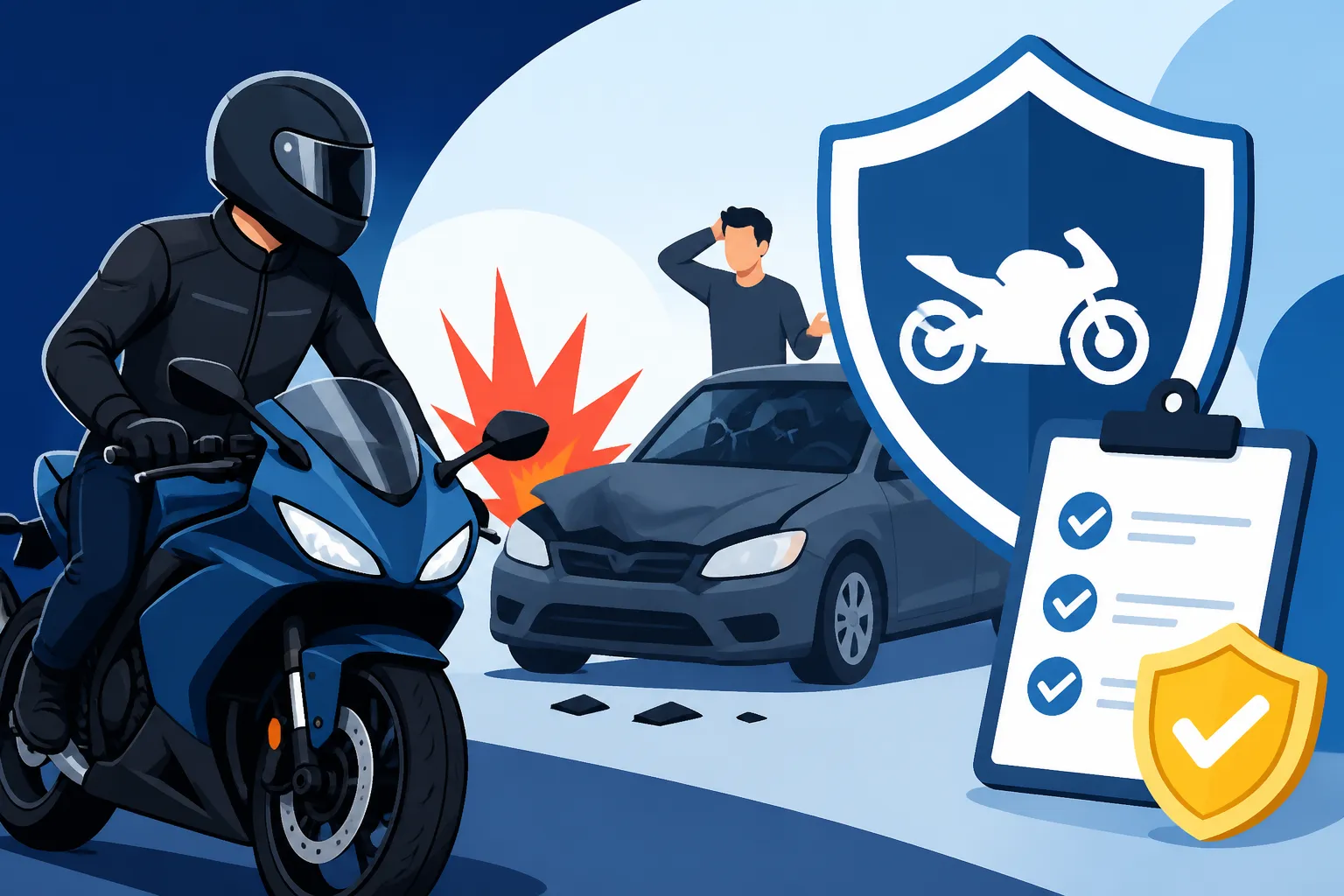
Getting hit by a car on your motorcycle is a terrifying experience, but discovering the other driver has no insurance? That’s a whole new level of panic and frustration, often leaving riders feeling exposed and financially vulnerable. It's a common, heartbreaking scenario that can turn a simple commute into a nightmare of medical bills and repair costs. This comprehensive guide is here to walk you through exactly what to do, step-by-step, to file a claim when you've been hit by an uninsured driver, ensuring you understand your rights and options.
The Harsh Reality of Uninsured Motorists on Two Wheels
It’s a sad truth that despite legal requirements, many drivers on the road simply don't carry the proper insurance. For us motorcyclists, who are already more exposed, this problem is amplified. An accident with an uninsured driver can quickly become a devastating financial burden, not just a physical one.
The Legal Obligation and Its Frequent Disregard
Every state in the U.S., with very few exceptions, mandates that drivers carry a minimum amount of liability insurance. This is meant to protect others on the road if you're at fault in an accident. You can learn more about specific requirements in our detailed guide on Motorcycle Insurance Requirements by State (2026 Guide). However, the reality is that a significant percentage of drivers choose to ignore this basic legal responsibility. Whether it's due to cost, negligence, or simply a misunderstanding of the law, their lack of coverage puts everyone else at risk.
For motorcyclists, this disregard is particularly dangerous. We don't have the steel cage of a car to protect us. Our bodies take the brunt of an impact, leading to potentially much more severe injuries and higher medical costs. When the at-fault driver has no insurance, the system that's supposed to help you recover financially simply isn't there, leaving you scrambling for solutions. It’s a frustrating and unfair situation that no rider should have to face, but it happens all too often.
Why Uninsured Motorist Coverage is Your Knight in Shining Armor
This is where Uninsured Motorist (UM) and Underinsured Motorist (UIM) coverage truly becomes your personal hero. While liability insurance protects other drivers if you cause an accident, UM/UIM protects you when the other driver is at fault but can’t pay for your damages. It's an often-overlooked but absolutely critical component of a robust motorcycle insurance policy, especially given the prevalence of uninsured drivers. You can dive deeper into this essential protection by reading our article on Uninsured & Underinsured Motorist Coverage (UM/UIM).
Think of it this way: if you get into an accident and the other driver bolts, or you find out they have no insurance, your UM coverage steps in to cover your medical expenses, lost wages, and even damage to your motorcycle, up to your policy limits. Underinsured Motorist coverage works similarly, but it kicks in when the at-fault driver has some insurance, but not enough to cover all your damages. It’s not just a nice-to-have; it's a financial lifeline that can prevent you from facing ruinous out-of-pocket costs after an accident that wasn't your fault. This coverage basically acts as the other driver's insurance when they don't have any, or enough, effectively shielding you from their irresponsible choices.
Immediate Steps After an Accident with an Uninsured Driver
Being involved in an accident is chaotic, stressful, and often painful. When the at-fault driver is uninsured, it adds another layer of anxiety. But taking the right steps immediately after the incident can make a world of difference in the success of your claim later on.
Prioritizing Safety and Seeking Medical Attention
First and foremost, your safety and well-being are paramount. Even if you feel shaken but generally "okay" after being knocked off your bike, assume you're not. Adrenaline can mask injuries, and internal damage might not be immediately apparent. Move yourself and your motorcycle out of traffic if it's safe to do so. If you can’t move, try to signal for help and wait for emergency services. Call 911 immediately to report the accident and request medical assistance. Paramedics can assess you on the scene, and it's always advisable to get a full medical check-up at an emergency room or your doctor as soon as possible, regardless of how minor you think your injuries are.
This isn't just about your health; it's crucial for your insurance claim. Medical documentation created immediately after the accident provides an undeniable link between the incident and your injuries. Any delay in seeking treatment could be used by an insurance adjuster to argue that your injuries weren't directly caused by the accident. Don't try to tough it out; prioritize your health and create a clear record from the start.
Documenting the Scene and Gathering Information
Once your immediate safety is addressed, it's time to become a diligent investigator. This might feel overwhelming, but every piece of information you gather can strengthen your claim.
Here’s a checklist of what you need to do:
- Call the Police: Always call the police, even if it seems like a minor fender bender. A police report is an official, unbiased account of the accident and will be invaluable for your claim. Insist on a report being filed, especially if the other driver is uninsured or uncooperative. The report will document the other driver's information (or lack thereof), witness statements, and the officer's assessment of fault.
- Exchange Information (if possible): If the other driver is present and cooperative, get their name, contact information, driver's license number, license plate number, and insurance information (even if they claim they don’t have any, still ask). If they don't have insurance, explicitly note that.
- Gather Witness Information: Look for anyone who saw the accident. Get their names and phone numbers. Independent witnesses can corroborate your story and the other driver's actions, which is incredibly powerful.
- Take Photos and Videos: Use your smartphone to take as many pictures and videos as you can. Capture:
- Damage to your motorcycle from multiple angles.
- Damage to the other vehicle.
- The position of both vehicles after the accident.
- Skid marks, debris on the road, traffic signs, and road conditions.
- The general accident scene, showing the intersection or road layout.
- Any visible injuries you or your passenger sustained.
- The other driver's license plate and even their face, if appropriate.
- Note the Location and Time: Be precise about the street names, nearest cross streets, city, and state. Note the exact time of the accident.
- Do Not Admit Fault: Even if you think you might have made a mistake, do not admit fault to anyone at the scene – not the other driver, witnesses, or even the police. Stick to the facts. Let the investigation determine fault.
The more detailed your documentation, the smoother your claim process will be. This information is your evidence, and it’s critical when you're dealing with an uninsured motorist, as your own insurance company will need strong proof to process your UM claim.
Notifying Your Insurance Company and Starting the Claim Process
Once the immediate aftermath is handled and you're in a safer place, the next crucial step is to contact your own motorcycle insurance provider. This isn't a step to delay; timely notification is often a requirement of your policy.
The Critical First Call: What to Expect
You need to call your insurance company as soon as reasonably possible after the accident. Many policies have a clause requiring prompt notification. Have all the information you gathered at the scene ready, including the police report number if you have it. When you call, you’ll speak with a claims representative who will open a new claim. They will ask you a series of questions about the accident, such as:
- The date and time of the incident.
- The location of the accident.
- A detailed description of how the accident occurred.
- Information about the other driver and their vehicle, including the fact that they were uninsured.
- Details about your injuries and any medical treatment sought.
- Damage to your motorcycle.
Be honest and clear, but don't volunteer information beyond what's asked. Stick to the facts as you observed them. This initial conversation is vital for getting the process started. They'll assign an adjuster to your case, who will be your main point of contact throughout the claim process. Remember, even though it's your insurance company, their goal is still to assess the claim fairly and accurately, which means they'll need all the pertinent details.
Understanding Your Uninsured Motorist Coverage
When you notify your insurer about being hit by an uninsured driver, they will focus heavily on your Uninsured Motorist (UM) and possibly Underinsured Motorist (UIM) coverage. It’s important to understand exactly what these policies cover and what your limits are. Many riders add these coverages as an afterthought, not fully grasping their importance until a situation like this arises. For a general overview of your policy, check out Types of Motorcycle Insurance Coverage Explained.
UM coverage typically comes in two forms:
- Uninsured Motorist Bodily Injury (UMBI): This covers your medical expenses, lost wages, and pain and suffering if you or your passengers are injured by an uninsured driver. The limits are usually expressed as split limits, like 25/50/25, meaning $25,000 per person for bodily injury, $50,000 per accident for bodily injury, and $25,000 for property damage. For a deeper understanding of these numbers, read our guide on Motorcycle Insurance Minimums: 25/50/25 Meaning.
- Uninsured Motorist Property Damage (UMPD): This covers the damage to your motorcycle when caused by an uninsured driver. It often has a separate deductible, similar to collision coverage.
It's also worth noting that some states bundle UM and UIM, while others keep them separate. UIM coverage kicks in if the at-fault driver has liability insurance, but their limits aren't high enough to cover all your damages. Your UIM coverage would then pay the difference, up to your policy limit.
Here's a quick comparison of common coverage types and how they relate to an uninsured motorist claim:
| Coverage Type | What It Primarily Covers (General) | How It Applies to Uninsured Driver Accident |
|---|---|---|
| Liability (Bodily Injury) | Injuries to others if you're at fault | Does NOT cover your injuries |
| Liability (Property Damage) | Damage to others' property if you're at fault | Does NOT cover your motorcycle damage |
| Collision | Damage to your motorcycle from an accident, regardless of fault | Can cover your bike, but UMPD is specific |
| Comprehensive | Non-collision damage (theft, fire, vandalism, animal strikes) | Does NOT cover accident with uninsured driver |
| Uninsured Motorist Bodily Injury (UMBI) | Your injuries, lost wages, pain and suffering from uninsured driver | YES, directly applicable for personal injuries |
| Uninsured Motorist Property Damage (UMPD) | Your motorcycle damage from uninsured driver | YES, directly applicable for bike damage |
| Medical Payments (MedPay) | Medical bills for you/passengers, regardless of fault (limited) | Can supplement UMBI, but usually lower limits |
When you file your claim, your adjuster will confirm your UM/UIM limits and explain how they apply to your specific situation. This is why selecting adequate UM/UIM limits is so important – it’s your primary defense against irresponsible drivers. If you're unsure about what is considered "full coverage" for motorcycles, we also have a great guide titled What Does Full Coverage Motorcycle Insurance Mean?.
Navigating the Claim: From Investigation to Settlement
Once you've made that initial call, your insurance company will begin its investigation. This phase can sometimes feel slow, but it's a necessary part of determining the facts and ensuring a fair payout.
The Investigation Phase and Evidence Submission
Your assigned claims adjuster will be the point person for your case. Their job is to gather all the necessary information to evaluate your claim under your Uninsured Motorist policy. This is where all those photos, witness statements, and the police report you collected come into play. You'll likely be asked to formally submit these documents.
Here's what the investigation typically involves:
- Reviewing the Police Report: The adjuster will obtain a copy of the official police report. This is often the cornerstone of establishing that an accident occurred, who was involved, and often the initial assessment of fault. It's also critical for confirming the other driver's uninsured status.
- Witness Interviews: If you provided contact information for witnesses, the adjuster may reach out to them to get their account of the accident.
- Reviewing Medical Records: For bodily injury claims, you'll need to sign authorizations allowing your insurance company to obtain all your medical records related to the accident. This includes emergency room visits, doctor's appointments, therapy notes, and billing statements. This helps them understand the extent of your injuries and the costs associated with your treatment.
- Assessing Vehicle Damage: An adjuster will arrange for an inspection of your damaged motorcycle. This might involve you taking it to an approved repair shop or an adjuster coming to you. They'll get repair estimates to determine the cost of fixing your bike or if it's considered a total loss.
- Loss of Wages Documentation: If your injuries have caused you to miss work, you'll need to provide documentation from your employer confirming your lost income. This might include pay stubs, W-2s, or a letter from your HR department.
Your cooperation throughout this phase is crucial. Respond promptly to requests for information and provide everything accurately. Remember, your insurance company needs to be confident in the facts before they can move forward with a settlement. This process is designed to protect both you and the insurer from fraudulent claims.
Dealing with Adjusters and Settlement Negotiations
After the investigation is complete, your adjuster will come back with a settlement offer for your bodily injury and/or property damage claims. This is often where things get a bit more complex, and knowing how to communicate effectively is key.
When the adjuster presents an offer, don't feel pressured to accept it immediately. It’s okay to take your time to review it. Here are some tips for navigating this stage:
- Understand the Offer: Ask the adjuster to clearly explain how they arrived at their offer. What factors did they consider for your medical bills, lost wages, pain and suffering, and motorcycle repair/value? Make sure all your documented expenses are accounted for.
- Compare to Your Damages: Do the proposed amounts adequately cover your medical bills, physical therapy, lost income, and the cost to repair or replace your motorcycle? If you had custom parts or accessories, ensure those are covered too, especially if you have specific Accessories & Custom Parts Coverage Explained.
- Negotiate if Necessary: If you feel the offer is too low, you have the right to negotiate. Provide additional evidence, such as further medical bills, future treatment plans, or more detailed repair estimates. Explain why you believe a higher amount is justified. Be prepared to back up your position with facts and documentation.
- Consider Legal Counsel: If negotiations stall, or if your injuries are severe, it might be wise to consult with a personal injury attorney experienced in motorcycle accidents. An attorney can help you understand your rights, deal with the insurance company on your behalf, and potentially secure a more favorable settlement. They are experts at navigating the complexities of personal injury claims and understanding the true value of your damages. While your own insurer is generally on your side with a UM claim, they are still a business, and sometimes a legal advocate can ensure your interests are fully protected.
Dealing with the aftermath of an accident, especially one involving an uninsured driver, is tough. Your UM/UIM coverage is there for this exact reason, acting as a crucial safety net when another rider’s irresponsibility puts you at risk.
What If You Don't Have Uninsured Motorist Coverage?
This is the scenario every rider dreads, and it's a stark reminder of why UM/UIM coverage is so important. If you’ve been hit by an uninsured driver and don’t have this critical protection, your path to recovery becomes significantly more challenging.
The Perilous Path of Out-of-Pocket Expenses
Without UMBI coverage, you are personally responsible for your medical bills, lost wages, and any pain and suffering. Without UMPD, you’re on the hook for your motorcycle's repair or replacement costs. This can quickly amount to tens of thousands of dollars, or even hundreds of thousands for severe injuries, putting immense financial strain on you and your family.
You might be thinking, "Can't I just sue the at-fault driver?" Legally, yes, you can pursue a personal injury lawsuit against the uninsured driver. However, the practical reality is often grim. If a driver can't afford basic liability insurance, it's highly unlikely they have significant assets or income to pay a judgment. Even if you win your lawsuit, collecting the money can be incredibly difficult, often resulting in an empty victory where you're still left with unpaid bills. It's a truly perilous path that rarely yields satisfactory results for the victim. This is why proactively protecting yourself with comprehensive coverage is so vital. Being prepared for a situation like this is far better than hoping for a positive outcome from someone who couldn't even meet minimum legal requirements. The penalties for riding without insurance, for both cars and motorcycles, are severe, and this is a clear illustration of why. If you're curious about this, you can read our article on Penalties for Riding Without Insurance.
Exploring Other Avenues: MedPay and Health Insurance
While not ideal, if you lack UM coverage, you'll need to explore other options to cover your expenses.
- Medical Payments (MedPay) Coverage: If you have MedPay on your motorcycle policy, this is a lifesaver. MedPay pays for your medical expenses and those of your passengers, regardless of who was at fault in the accident. The limits are often lower than UMBI (e.g., $5,000 or $10,000), but it can provide immediate relief for initial medical bills. It kicks in quickly and doesn't require a fault determination, making it very valuable. You can learn more about this specific coverage in What Is Medical Payments (MedPay) for Riders?.
- Your Personal Health Insurance: Your primary health insurance plan will be crucial for covering medical costs if you don't have UMBI or if your MedPay limits are exhausted. Be prepared for deductibles and co-pays. Your health insurer may also have subrogation rights, meaning if you eventually recover money from the at-fault driver (however unlikely) or through other means, they may seek reimbursement for the costs they covered.
- Your Collision Coverage: For damage to your motorcycle, if you have collision coverage, it will pay for the repairs or the actual cash value of your bike (minus your deductible), regardless of who was at fault. While it won't help with your personal injuries, it's a crucial component for getting your bike back on the road.
The key takeaway here is that not having Uninsured Motorist coverage leaves you significantly exposed. It underscores the importance of having a robust insurance policy that covers all angles, even when the other party is irresponsible.
Preventing Future Headaches: Protecting Yourself
The best defense is a good offense, and that holds true for motorcycle insurance. Taking proactive steps now can save you immense stress and financial hardship down the road.
Reviewing and Enhancing Your Policy
Don't wait until an accident happens to find out you're underinsured. Make it a habit to regularly review your motorcycle insurance policy, ideally once a year or whenever your circumstances change (e.g., buying a new bike, moving).
Here’s what to focus on:
- Uninsured/Underinsured Motorist (UM/UIM) Limits: Re-evaluate your UM/UIM limits. Are they high enough to cover significant medical expenses and lost wages? Many experts recommend carrying UM/UIM limits that match your liability limits. If your current policy has minimum UM/UIM coverage, seriously consider increasing it. It's often one of the most affordable coverage enhancements for the protection it provides.
- Medical Payments (MedPay): If you don't have MedPay, consider adding it. It's an affordable way to get immediate coverage for medical costs, regardless of fault.
- Collision and Comprehensive: These coverages protect your bike from a wide range of perils, including accidents and non-collision damage like theft or vandalism. Learn more about Collision vs Comprehensive Motorcycle Coverage. If your bike is financed, full coverage, which includes these, is usually mandatory.
- Accessories and Custom Parts: If you've customized your ride, make sure your policy adequately covers those aftermarket parts.
- Roadside Assistance: This can be invaluable if you're stranded after an accident or breakdown.
Don't hesitate to reach out to your insurance agent or company directly to discuss your options. They can help you understand what various coverage levels mean for your premium and give you peace of mind. Comparison shopping is also key. Websites like The Zebra can help you compare quotes from multiple insurers, ensuring you get the best coverage for your needs at a competitive price. You might be surprised at how much you can enhance your protection without breaking the bank. Finding How to Get Cheap Motorcycle Insurance is easier when you compare options.
The Importance of a Good Riding Record and Safety Courses
While insurance protects you financially, a good riding record and continuous improvement in your skills are your primary safeguards against accidents in the first place.
- Defensive Riding: Motorcyclists are taught defensive riding for a reason. Always assume other drivers don't see you. Practice constant situational awareness, anticipate potential hazards, and always have an escape route. The safer you ride, the less likely you are to be involved in an accident, regardless of another driver's negligence.
- Motorcycle Safety Courses: Taking a certified motorcycle safety course, even if you’re an experienced rider, can refresh your skills and teach you advanced techniques. Many states offer courses, and completing one often qualifies you for an insurance discount. Companies like Progressive and others frequently offer discounts for riders who complete approved safety courses, demonstrating their commitment to safe riding. It’s a win-win: you become a better, safer rider, and you save money on your premiums.
- Regular Maintenance: A well-maintained motorcycle is a safer motorcycle. Regular checks on tires, brakes, lights, and fluid levels can prevent mechanical failures that could contribute to an accident.
By combining robust insurance coverage with a commitment to safe, skilled riding, you’re creating the strongest possible shield against the unexpected challenges on the road, including those posed by uninsured drivers. Protecting yourself is about more than just your bike; it's about protecting your financial future and your ability to keep doing what you love. If you're curious about how to evaluate different companies, you can check out our article on the Best Motorcycle Insurance Companies (2027).
Disclaimer
Please remember that this guide provides general information and is not a substitute for professional legal or insurance advice. Motorcycle insurance laws and coverages can vary significantly by state and policy. Always consult with your insurance provider or a qualified legal professional for advice tailored to your specific situation.