What to Do After Motorcycle a Single-Vehicle Crash for Insurance
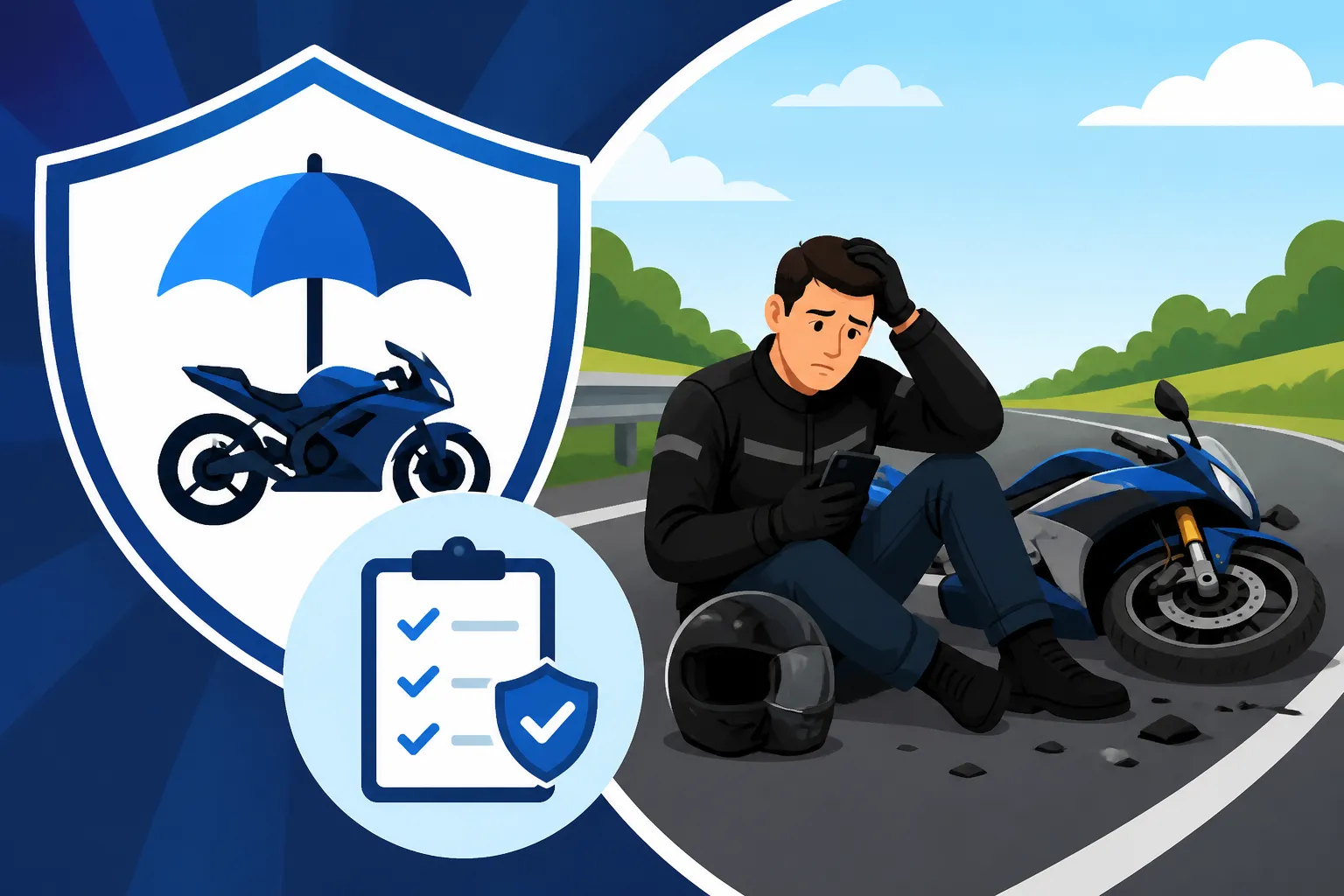
There's nothing quite like the stomach-dropping, heart-pounding moment when your motorcycle decides to part ways with the pavement, and you realize you're in a single-vehicle accident. The immediate aftermath is a blur of shock, potential pain, and a frantic mental checklist of what just happened and what you need to do next. This guide is here to walk you through the essential steps for handling the insurance side of a solo motorcycle crash, helping you navigate the process with clarity and confidence.
Immediate Actions After the Crash
When you're the only one involved in a crash, it can feel incredibly isolating. You might be focused on your bike, or worse, your injuries. But taking the right steps immediately after the incident is absolutely crucial for your well-being and for ensuring your insurance claim goes as smoothly as possible.
Prioritizing Your Physical Safety and Well-being
First and foremost, your health is paramount. If you've had a spill, even if you feel okay in the moment, adrenaline can mask injuries. This isn't just about pain; it's about potential concussions, internal injuries, or fractures that might not be immediately apparent.
- Assess for Injuries: Take a moment to check yourself for any obvious injuries. Can you move all your limbs? Is anything bleeding excessively? Don't try to move if you feel severe pain, especially in your neck or back. It's always better to err on the side of caution. Even if you think you're fine, getting checked out by paramedics or heading to an urgent care clinic within a day or two is a smart move. Insurance companies often look for documentation of injuries, and a delay in seeking medical attention can sometimes make your claim more complicated.
- Move to a Safe Location (If Possible): If your bike is blocking traffic or you're in a dangerous spot, and you are physically able to do so without exacerbating any injuries, try to move yourself to the side of the road or a safer area. Your bike might be too heavy or damaged to move, but your personal safety is the priority.
- Call for Help: Don't hesitate to call 911. Even if no other vehicles are involved, you might need medical attention, and a police report is incredibly valuable for your insurance claim. The police can secure the scene, direct traffic, and ensure that a proper, official report is filed, documenting the time, location, and initial assessment of the incident. This official record can be a game-changer when dealing with your insurance company later.
Securing the Scene and Preventing Further Harm
Once you've addressed your immediate safety, think about the scene itself. A solo crash can still pose risks to other motorists or to your damaged bike.
- Activate Hazard Lights: If your motorcycle's electrical system is still functioning, turn on your hazard lights. This makes your bike more visible to oncoming traffic, especially if it's laying in a roadway or on a shoulder where visibility might be poor.
- Use Reflective Gear or Warning Triangles: If you carry reflective gear, a high-visibility vest, or emergency triangles (though less common for motorcyclists to carry), now is the time to deploy them. Place them a safe distance from your bike to warn other drivers, giving them ample time to react and steer clear of the accident site. This helps prevent secondary accidents, which sadly, are not uncommon.
- Don't Move the Bike (Unless Absolutely Necessary): Unless your motorcycle is directly blocking a major thoroughfare and creating an imminent danger, it's often best to leave it in place until the police arrive and you’ve documented the scene. This preserves the evidence and allows the police to accurately assess the situation. If you absolutely must move it for safety, take as many photos as possible before moving it, showing its original position.
Collecting Critical Information and Evidence
This is where the detective work begins, and it’s arguably the most important step for your insurance claim. The more detailed information you have, the stronger your position will be.
- Take Extensive Photographs and Videos: Your smartphone is your best friend here. Take pictures and videos from every angle imaginable.
- Overall Scene: Capture wide shots showing the environment, road conditions, any relevant signage, and the position of your bike.
- Close-ups of Damage: Get detailed shots of all damage to your motorcycle – scratches, dents, broken parts. Don't forget to photograph your riding gear too, especially your helmet, jacket, and pants, as these can also be part of a claim if you have appropriate coverage.
- Road Conditions: Document any factors that might have contributed to the crash, such as potholes, gravel, oil spills, debris, or tricky road markings. Even if you just "lost control," there might be an underlying environmental factor.
- Weather Conditions: Note the weather at the time of the accident. Was it raining? Sunny? Did glare play a role?
- Note Down Details: While the details are fresh in your mind, jot down everything.
- Date, Time, Location: Be as precise as possible. Cross streets, mile markers, or specific landmarks.
- Your Account of the Accident: Write down exactly what happened, step by step, leading up to and during the crash. Don't speculate, just state the facts as you remember them. Include your speed, direction of travel, and any specific actions you took.
- Witness Information: Even in a single-vehicle crash, there might be bystanders who saw what happened. Get their names, phone numbers, and email addresses. Their unbiased account can be invaluable, particularly if you're dealing with a complex claim or a particularly skeptical adjuster.
- Police Report Details: Get the name and badge number of the responding officer, and the police report number. You'll need this when you file your claim. Remember, you can usually obtain a copy of the official police report after a few business days, and this document is a cornerstone of any insurance claim.
Notifying Your Insurance Provider
Once the immediate chaos subsides, the next critical step is to inform your insurance company. This isn't a step to delay, as prompt reporting can significantly streamline your claim.
The Importance of Timely Reporting
Insurance policies typically have clauses requiring timely notification of an accident. While there's usually not a strict hour-by-hour deadline, delaying could potentially complicate your claim. The sooner you report it, the fresher the details are in your mind, and the quicker your insurer can begin their investigation.
- Contact Your Insurer Directly: Call your insurance provider's claims department as soon as you are safe and able. Many companies, like Progressive, offer 24/7 claims service, which can be a huge relief in these stressful moments. You might also find their claims reporting process accessible online or through a mobile app.
- Be Prepared with Information: When you call, have all the information you collected at the scene ready. This includes the date, time, and location of the accident, a summary of what happened, details of any injuries, and the police report number. The clearer and more organized you are, the easier it will be for the representative to initiate your claim.
- Open a Claim: The representative will guide you through opening a claim. They'll assign a claim number and likely an adjuster. Make sure you record both of these details for future reference. This is your official entry into the insurance process after a motorcycle accident.
Understanding Your Coverage: Liability, Collision, and Comprehensive
Before you even make that call, it's a good idea to refresh your memory on what exactly your policy covers. A single-vehicle crash typically falls under specific types of coverage.
- Collision Coverage: This is the primary coverage that will pay for damage to your own motorcycle if you hit another object (like a guardrail, a tree, or even the ground) or if your bike overturns. Most riders who finance their motorcycles are required to carry collision coverage, but if your bike is paid off, it might be an optional choice. If you only have minimum liability, collision won't cover your bike's repairs.
- Comprehensive Coverage: While less directly related to the actual "crash" aspect of a solo accident, comprehensive coverage is still vital for other potential single-vehicle incidents. This covers damage from things like fire, theft, vandalism, falling objects, or hitting an animal. For instance, if your solo crash was a result of swerving to avoid a deer, comprehensive might kick in, though often the impact with the ground or an inanimate object would still fall under collision.
- Medical Payments (MedPay) or Personal Injury Protection (PIP): If you sustained injuries, this is where these coverages come in. MedPay or PIP can help cover your medical expenses, regardless of fault. Some states don't offer PIP for motorcycles, but MedPay is often available. Even if you have good health insurance, MedPay can cover deductibles, co-pays, or provide quick access to care without waiting for health insurance approvals.
- Roadside Assistance & Towing: If your bike is immobilized, having this add-on coverage means your insurer will arrange and pay for towing services. This is a lifesaver when you're stranded. Without it, you'll be footing the bill for a tow, which can be surprisingly expensive, especially if you're far from home. Make sure you understand if your policy includes Roadside Assistance & Towing for Motorcycles.
- Accessories and Custom Parts Coverage: If your bike has custom paint, aftermarket exhaust, or other modifications, standard collision might not fully cover them. You’d need specific Accessories & Custom Parts Coverage Explained to ensure these valuable additions are protected.
Understanding your policy's specifics, which you can often review through your insurer's online portal or by calling them, will help you manage expectations and know what benefits you're entitled to.
Communicating Effectively with Your Adjuster
Once your claim is open, an insurance adjuster will be assigned. This person is your main point of contact throughout the claims process.
- Be Honest and Factual: Always provide a truthful and factual account of the accident. Stick to what you know and avoid speculating or admitting fault unnecessarily. If you don't know an answer, say so.
- Provide All Documentation: Share all the photos, videos, notes, and the police report number you gathered at the scene. This evidence will be crucial for the adjuster to assess the damage and the circumstances of the crash.
- Keep Records of Communication: Keep a log of every conversation with your adjuster – date, time, who you spoke with, and a summary of what was discussed. Save all emails and letters. This paper trail can be invaluable if any disputes arise.
- Ask Questions: Don't be afraid to ask your adjuster questions about the process, what to expect, timelines, and your coverage. Their job is to guide you, and understanding each step will reduce stress. This includes asking about things like What Is the Deductible on Motorcycle Insurance? and how it applies to your claim.
Navigating the Motorcycle Insurance Claim Process
After you've reported the accident and had your initial conversation with the adjuster, the real work of assessing damage and determining payouts begins. This phase can sometimes feel slow, but patience and proactive communication are key.
Damage Assessment and Repair Estimates
This is where your motorcycle's fate will largely be decided. The insurer needs to know the extent of the damage to your bike.
- Arranging for Inspection: Your adjuster will arrange for an inspection of your damaged motorcycle. This might involve having a certified appraiser visit the bike's location, or you might need to have it towed to an approved repair shop for an estimate. If you've elected Roadside Assistance & Towing for Motorcycles as part of your policy, this process will be much smoother, as your insurer will handle the logistics and costs of moving the bike.
- Getting Repair Estimates: The repair shop will provide a detailed estimate of the costs to fix your motorcycle. It’s a good idea to get an estimate from a shop you trust, ideally one specializing in motorcycles. Some insurers have preferred shops, but you usually have the right to choose your own. If the estimates differ significantly, your adjuster might ask for clarification or send their own appraiser.
- Reviewing the Estimate: Carefully review the repair estimate with your adjuster. Ensure all damaged parts are listed and that the labor rates seem reasonable. If you have custom parts, ensure they are accounted for under your Accessories & Custom Parts Coverage Explained. This is also a good time to remember the conversation about What Does Full Coverage Motorcycle Insurance Mean? as the breadth of your coverage will dictate what repairs are approved.
When Your Motorcycle is Deemed a Total Loss
Sometimes, the damage is so extensive that repairing your motorcycle isn't economically viable. This is when your bike is declared a "total loss."
- Total Loss Threshold: Each state has a different total loss threshold, which dictates at what percentage of the bike's value it's considered totaled. For instance, in some states, if the repair cost exceeds 75% of the bike's Actual Cash Value (ACV), it's totaled.
- Understanding Actual Cash Value (ACV): Most standard policies pay out the Actual Cash Value of your motorcycle at the time of the crash. This means the replacement cost minus depreciation. This can be a point of contention, especially for older or custom bikes, where the sentimental value or investment in modifications far exceeds the depreciated market value. If you have Agreed Value vs Stated Value vs Actual Cash Value coverage, you might be in a better position, as this locks in a value upfront.
- Negotiating the Settlement: If your bike is totaled and you disagree with the insurer's ACV offer, you can negotiate. Gather evidence of your bike's market value, such as comparable sales listings, maintenance records, and receipts for upgrades. This is a crucial step if you want to get a fair payout, and knowing How to Negotiate a Motorcycle Total Loss Settlement is empowering.
Understanding Deductibles and Payouts
Once the damage is assessed and approved, the payout process begins.
- The Deductible: Your deductible is the amount you're responsible for paying out-of-pocket before your insurance coverage kicks in. For example, if your repairs cost $3,000 and you have a $500 deductible, the insurance company will pay $2,500. This is usually deducted from the total payout, whether for repairs or a total loss. Choosing a higher deductible can lower your premiums, but it also means a larger out-of-pocket expense after an accident.
- Receiving Your Payout: If your bike is repaired, the insurance company will typically pay the repair shop directly, or reimburse you if you've already paid. For a total loss, you'll receive a check for the agreed-upon Actual Cash Value (minus your deductible and any outstanding loan amount, if applicable).
- Potential Rate Changes: Be aware that filing a claim, especially a collision claim where you are at fault (as is often the case in a solo accident), can impact your insurance rates when it's time to renew your policy. Understanding What Happens to My Rate After a Motorcycle Claim? can help you prepare for this possibility.
Common Challenges and Smart Strategies for Solo Claims
Navigating an insurance claim for a single-vehicle crash isn't always straightforward. There are common hurdles riders face, but with the right approach, you can overcome them.
Avoiding Mistakes That Can Impede Your Claim
Even with the best intentions, it's easy to make missteps that can make your claim process harder.
- Delaying Reporting: As mentioned, procrastination is your enemy. The longer you wait, the harder it is to recall precise details, and it can raise questions with your insurer.
- Lack of Documentation: Without thorough photos, videos, and notes, it's your word against, well, the circumstances. Comprehensive documentation strengthens your narrative and removes ambiguity.
- Admitting Fault: While you might feel responsible, especially in a solo crash, avoid explicitly stating "it was my fault" to anyone at the scene or even your insurer until you've fully assessed the situation and understood any contributing factors. Stick to the facts. Let the investigation determine fault.
- Ignoring Medical Attention: Even minor aches can become major problems later. Always get checked out. Delaying medical care can be interpreted by insurers as your injuries not being serious or not directly related to the accident.
- Discarding Damaged Gear: Your helmet, jacket, gloves, and boots can all be damaged in a crash. Don't throw them away. If you have personal effects coverage or if they're considered part of your bike's accessories, they could be covered. Does Motorcycle Insurance Cover Riding Gear? is a common question, and the answer often depends on your specific policy.
The Value of Detailed Documentation and Persistence
You're your own best advocate in a single-vehicle claim. The police report might be brief, as there are no other parties to investigate. This makes your personal efforts even more vital.
| Action Item | Why It's Important | Details to Capture |
|---|---|---|
| Photos/Videos | Visual proof of damage, scene conditions, and contributing factors. | Wide shots, close-ups of bike damage, road hazards (potholes, gravel), skid marks, weather, lighting. |
| Written Account | Detailed timeline and factual narrative, helps maintain consistency. | Date, time, exact location, what happened leading up to and during the crash, your speed, actions taken, immediate aftermath. |
| Witness Contact Info | Independent verification of the incident. | Name, phone number, email address. |
| Police Report Number/Officer Info | Official record; crucial for insurer's investigation. | Report number, officer's name, badge number, department. |
| Medical Records | Proof of injuries and treatment; necessary for MedPay/PIP claims. | Dates of treatment, diagnosis, doctor's notes, bills. |
| Communication Log | Record of all interactions with insurer, adjusters, repair shops. | Date, time, person spoken with, summary of conversation, next steps. |
| Repair Estimates/Total Loss Documents | Ensures fair assessment and helps in negotiation. | Itemized repair costs, parts lists, labor hours, ACV calculations, comparable sales data. |
Persistence doesn't mean being aggressive, but it does mean following up regularly, providing requested information promptly, and ensuring your claim is moving forward. Don't be afraid to politely escalate if you feel your claim is being unfairly delayed or denied.
Considering Legal or Professional Assistance
While many solo claims are straightforward, there are times when seeking outside help is beneficial.
- Disputed Claims: If your insurer denies your claim, offers a significantly low payout for a total loss, or drags their feet excessively, you might consider consulting a legal professional. An attorney specializing in personal injury or insurance claims can review your case, advise you on your rights, and help you negotiate with the insurance company.
- Complex Injuries: If your single-vehicle crash results in severe or long-term injuries, managing the medical bills and potential lost wages can be overwhelming. A lawyer can help ensure you receive proper compensation for all your damages, especially if you have MedPay or UM/UIM coverage that might apply in certain scenarios (though less common for solo at-fault).
- Uninsured/Underinsured Scenarios: While less relevant for a purely solo accident, it's worth noting that if an unidentified road hazard caused your crash (e.g., debris that fell off a truck that fled the scene), your Uninsured & Underinsured Motorist Coverage UM/UIM might, in some rare cases, come into play for your injuries, depending on your state's laws and policy language. This is where professional advice is paramount.
Ultimately, a single-vehicle motorcycle crash is a tough experience, both physically and mentally. But by understanding the insurance process and taking proactive, documented steps, you can significantly ease the burden and ensure you get the coverage you're entitled to.
Disclaimer
The information provided in this article is for general informational purposes only and does not constitute professional financial, insurance, or legal advice. Motorcycle insurance requirements and laws vary by state and individual circumstances. Always consult with a qualified insurance professional or legal expert to discuss your specific situation and policy details.