How to File a Motorcycle Insurance Claim in Arizona
Riding a motorcycle in Arizona, with its stunning desert landscapes and open roads, is an experience like no other. But even the most cautious rider can find themselves in an unexpected situation. When an accident happens, the last thing you want is to feel lost in a confusing maze of insurance paperwork and unfamiliar rules. This guide is here to cut through that fog, providing a clear, step-by-step roadmap for filing a motorcycle insurance claim in Arizona, ensuring you know exactly what to do when it matters most.
Immediate Steps After a Motorcycle Accident in Arizona
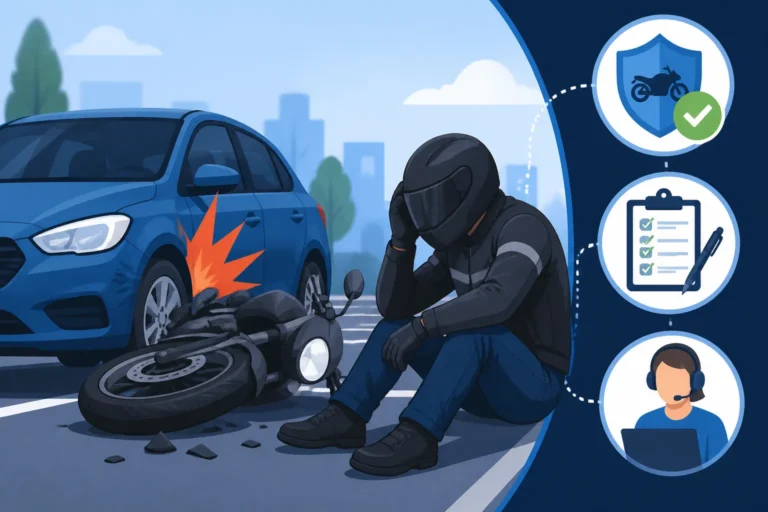
The moments immediately following a motorcycle accident can be disorienting and stressful. It's easy to feel overwhelmed, but taking the right steps in these initial moments is crucial for your safety and the success of any future insurance claim.
Prioritizing Safety and Well-being
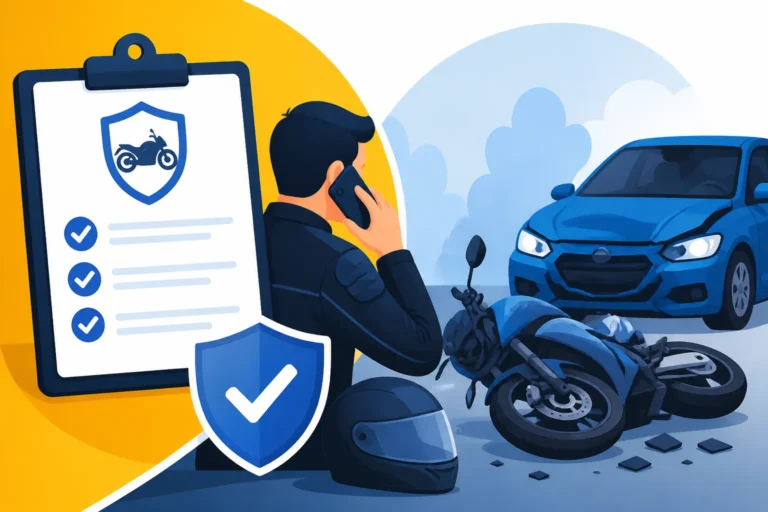
First and foremost, your health is paramount. Even if you feel shaken but generally okay, take a moment to assess yourself for injuries. Adrenaline is a powerful thing, and it can mask pain. Check for any discomfort, scrapes, or impacts. If you or anyone else is injured, call 911 immediately. Don't try to be a hero; medical attention should always be the priority.
Once you’ve assessed for injuries, if it's safe to do so, try to move your motorcycle and yourself to the side of the road, out of the flow of traffic. In Arizona, if your motorcycle is obstructing traffic on a freeway or a heavily traveled street, you are generally expected to move it if possible, to prevent further accidents. If you're on a less busy street, it might be better to leave it in place until law enforcement arrives to help with the scene investigation. Remember to activate your hazard lights to warn oncoming traffic. Even a minor tip-over in a parking lot can lead to significant damage, so taking precautions is always wise.
Gathering Essential Information at the Scene
After ensuring everyone's safety and alerting emergency services if needed, the next critical step is to gather as much information as possible from the accident scene. This data will be invaluable when you eventually file your insurance claim.
Start by contacting the local authorities. If it's a minor incident with no injuries, like a low-speed fender-bender or a bike knocked over while parked, a police report might not be strictly necessary, but it's almost always a good idea, especially in a state like Arizona where traffic enforcement is active. The Phoenix Police Department or Arizona Highway Patrol can provide an objective account of the incident, which can be crucial for your claim. Be sure to get the police report number and the investigating officer's name and badge number.
Next, collect information from any other drivers involved. This includes their full name, contact information (phone and email), insurance company name and policy number, driver's license number, and vehicle license plate number. If there are witnesses, get their names and contact information too. Their unbiased perspective can be incredibly helpful.
Take extensive photos and videos of everything. Don't hold back. Capture the damage to your motorcycle from multiple angles, the damage to any other vehicles involved, the position of the vehicles, road conditions (skid marks, debris), traffic signs, and even the weather. If the accident happened at a specific intersection like Scottsdale Road and Shea Boulevard in Scottsdale, take pictures of the intersection itself. This visual evidence can be incredibly powerful in supporting your version of events. For a deeper dive into the immediate aftermath, you might find our guide on What to Do After a Motorcycle Accident (Insurance Steps) very useful.
Understanding Arizona's Insurance Reporting Requirements
Once the immediate chaos of the accident scene has subsided, your attention needs to turn quickly to your insurance provider. Acting promptly and understanding Arizona's specific requirements are key to a smooth claims process.
The Importance of Timely Reporting
Your insurance policy is a contract, and like any contract, it comes with terms you need to uphold. One of the most important terms is often the requirement to report an accident or incident within a specific timeframe. While there's no universal hard-and-fast rule across all insurers, many policies require you to report within 24 to 72 hours. Delaying this can complicate your claim, as the longer you wait, the harder it becomes to gather fresh evidence or accurate statements.
Arizona operates under an "at-fault" system. This means that the person who caused the accident is responsible for the damages and injuries. Your timely report allows your insurance company to begin its investigation quickly and determine fault, which is critical in an at-fault state. For a comprehensive look at how these rules vary by location, check out our resource on Motorcycle Insurance Requirements by State (2026 Guide).
What Information Your Insurer Will Need
When you contact your insurance company to file a claim, they'll guide you through the process, but having the information you gathered at the scene readily available will make things much smoother. Here’s what you can expect them to ask for:
- Date, time, and exact location of the accident: Be as precise as possible.
- Detailed description of what happened: Stick to the facts, avoid speculation.
- Information for all parties involved: Names, contact info, insurance details for other drivers.
- Police report number: If a report was filed.
- Witness contact information: If applicable.
- Description of damages: To your motorcycle and any injuries you sustained.
- Photos and videos: Be prepared to share these.
Most major insurers, like Progressive, offer multiple ways to file a claim, whether it's through a dedicated claims hotline, a mobile app, or an online portal. This flexibility can be a lifesaver when you're dealing with the stress of an accident. If you're unsure about your current coverage or want to review options, resources like The Zebra can help you understand your policy's specifics before you make that call. Knowing what to expect can significantly reduce stress. You can get more general advice on initiating a claim by reading How to File a Motorcycle Insurance Claim.
Navigating the Arizona Claims Process
After you've reported the accident, your claim officially enters the investigation and adjustment phase. This is where your insurance company, or the other party's insurer if they are at fault, will assess the damages and liabilities.
The Investigation Phase and Adjuster Assignment
Once you file your claim, an insurance adjuster will be assigned to your case. This individual is responsible for investigating the accident to determine fault and the extent of the damages and injuries. Their job involves collecting all relevant information, including:
- Reviewing your accident report and statement: They’ll compare your account with any police reports or witness statements.
- Inspecting your motorcycle: An adjuster will arrange for a qualified local mechanic or body shop, perhaps one in Mesa specializing in motorcycle repair, to assess the damage to your bike. They'll look at everything from the frame to the fairings, and any custom parts you might have.
- Gathering medical records: If you sustained injuries, they will need access to your medical documentation.
- Communicating with other parties: They may contact the other driver's insurance company to discuss their client's account and responsibilities.
Be prepared to communicate openly and honestly with your adjuster, but also remember they represent the insurance company. Provide them with all the requested information promptly. If you have full coverage, your insurer will likely handle the repairs and subrogate against the at-fault driver's insurance.
Understanding Settlement Options and Payouts
Once the investigation is complete and fault has been determined, the adjuster will propose a settlement. How this payout is calculated depends heavily on your policy type and the extent of the damage. Here are the common valuation methods:
- Actual Cash Value (ACV): This is the most common payout method. It pays for the replacement cost of your motorcycle minus depreciation. Essentially, it's what your bike was worth right before the accident. This can be a point of contention, especially for older bikes or those with many miles.
- Stated Value: Less common, this coverage allows you to "state" a value for your motorcycle when you purchase the policy. However, in the event of a total loss, the insurer will still often pay the lesser of the stated value or the actual cash value. This means it might not always pay out what you expected.
- Agreed Value: This is generally the most favorable for custom or vintage motorcycles. With agreed value coverage, you and the insurer agree on a specific value for your bike when you buy the policy. In the event of a total loss, the insurer pays that agreed-upon amount, no questions asked about depreciation. This is especially valuable for riders in Arizona with unique bikes, as the custom motorcycle scene is vibrant here.
If your motorcycle is deemed a total loss – meaning the cost of repairs exceeds a certain percentage of its value – the insurance company will pay out its assessed value, as discussed above. This can be a tough pill to swallow, especially if you have a strong emotional attachment to your bike. To understand this in more detail, refer to What Happens When Your Motorcycle Is Totaled? and Agreed Value vs Stated Value vs Actual Cash Value. Remember, your deductible will also be applied, meaning the amount you chose (e.g., $500 or $1,000) will be subtracted from your payout before you receive it.
Common Challenges and Arizona-Specific Considerations
While the basic claims process is similar nationwide, certain situations and state-specific laws in Arizona can introduce unique challenges for motorcycle riders. Being aware of these can help you navigate the process more effectively.
Dealing with Uninsured or Underinsured Motorists in Arizona
It's an unfortunate reality, but accidents involving drivers without adequate insurance are common. In Arizona, statistics show a notable percentage of drivers on the road are uninsured, making this a significant concern for riders. If you're hit by a driver who doesn't have insurance, or whose coverage isn't enough to cover your damages and medical bills, your own policy's Uninsured & Underinsured Motorist Coverage (UM/UIM) becomes your lifeline.
Let's imagine you're cruising down US-93 towards Las Vegas, and another driver, with minimal or no insurance, causes an accident. Without UM/UIM coverage, you could be left footing massive bills for your medical treatment and motorcycle repairs. This coverage is crucial because it steps in to pay for your injuries and, in many cases, damage to your bike, up to your policy limits, when the at-fault party can't. If you find yourself in this situation, our guide on How to File a Claim When Hit by an Uninsured Driver offers vital advice.
Helmet Laws and Their Impact on Claims
Arizona has a unique approach to motorcycle helmet laws. Riders under the age of 18 are legally required to wear a helmet, while riders 18 and older have the option to ride without one. This "partial helmet law" can sometimes have implications for insurance claims.
While not wearing a helmet (if you're over 18) doesn't automatically mean you're at fault for an accident, an insurance company or opposing legal team might argue that your injuries would have been less severe had you been wearing one. This argument, often referred to as "comparative negligence," could potentially reduce the amount of compensation you receive for head or facial injuries, even if the other driver was clearly at fault for the accident itself. It's a complex area, and understanding the nuances of Arizona's laws is important. You can learn more about the specifics of these laws in our article Motorcycle Helmet Laws by State and how they might relate to your coverage in Helmet Law & Insurance: Does Not Wearing One Affect Claims?.
Post-Claim Follow-Up and Legal Considerations
Even after you've filed your claim and the investigation is underway, the process might not be straightforward. You might encounter disputes, or you may simply need to ensure everything is progressing as it should.
What to Do if Your Claim is Denied or Disputed
It's disheartening, but sometimes an insurance claim might be denied, or you might disagree with the settlement offer. If this happens, don't panic or give up immediately.
- Understand the Reason: Request a written explanation for the denial or the reasoning behind the low offer. This is your right.
- Review Your Policy: Read your policy documents carefully. Does the denial align with your coverage terms? Were there specific exclusions?
- Gather More Evidence: If you have additional photos, witness statements, or medical reports that weren't initially considered, compile them.
- Appeal the Decision: You can formally appeal the insurance company's decision. Present your new evidence and arguments. If your insurer is Progressive, they will have a specific internal appeals process.
- Contact the Arizona Department of Insurance: If you believe the insurance company is acting in bad faith or unfairly, you can file a complaint with the Arizona Department of Insurance and Financial Institutions (DIFI). They regulate insurance practices in the state and can mediate disputes.
For more detailed guidance on navigating a denial, check out our resource on What to Do if Your Claim Is Denied.
When to Seek Legal Counsel
While not every accident requires an attorney, there are definitely situations where legal expertise can make a significant difference, especially in Arizona's at-fault system. Consider consulting with a personal injury lawyer specializing in motorcycle accidents if:
- You've sustained serious injuries: If your medical bills are substantial, your injuries are long-lasting, or they impact your ability to work, a lawyer can help ensure you receive fair compensation for all your damages, including pain and suffering.
- There's a dispute over fault: If the other driver's insurance company is trying to place blame on you, an attorney can help establish liability.
- The insurance company's settlement offer is too low: Lawyers are experts at valuing claims and negotiating with insurance companies. They understand Arizona's legal precedents and can push for a fair payout.
- The accident involved an uninsured or underinsured motorist: Navigating UM/UIM claims can be complex, and a lawyer can ensure your rights are protected.
- The claim is denied unfairly: As mentioned above, a lawyer can help you appeal a denial and, if necessary, take legal action.
Remember, most personal injury attorneys work on a contingency basis, meaning they only get paid if you win your case. A simple consultation can clarify your options without upfront costs. While not directly about legal counsel, understanding the severe repercussions of not having insurance yourself, as detailed in What Happens If You Ride Without Insurance?, highlights the importance of proper legal and insurance navigation post-accident.
Arizona Motorcycle Accident Claim Checklist
| Step | Description | Key Actions |
|---|---|---|
| 1. Prioritize Safety & Medical | Ensure immediate safety and check for injuries. | Call 911 for injuries. Move to safety if possible. Activate hazards. |
| 2. Secure the Scene & Gather Info | Collect critical data for your claim. | Call police (e.g., Phoenix PD). Get police report #. Collect other driver/witness info. Take extensive photos/videos. |
| 3. Report to Your Insurer Promptly | Notify your insurance company about the accident. | Contact your insurer (e.g., Progressive) via phone/app within 24-72 hours. Provide all gathered details. |
| 4. Cooperate with Adjuster | Assist the assigned insurance adjuster with their investigation. | Provide requested documents. Arrange for bike inspection at an Arizona repair shop. |
| 5. Review Settlement Offer | Understand the proposed payout based on policy and damages. | Familiarize yourself with ACV, Stated, or Agreed Value. Understand your deductible. |
| 6. Seek Legal Advice (If Needed) | Consider an attorney for complex cases or disputes. | Consult a personal injury lawyer for severe injuries, denied claims, or disputes over fault/value. |
Disclaimer
The information provided in this guide is intended for general informational purposes only and does not constitute legal or insurance advice. Motorcycle insurance laws and regulations are complex and can change. Always consult with a qualified insurance professional or legal expert regarding your specific situation and policy.