What to Do if Your Claim Is Denied
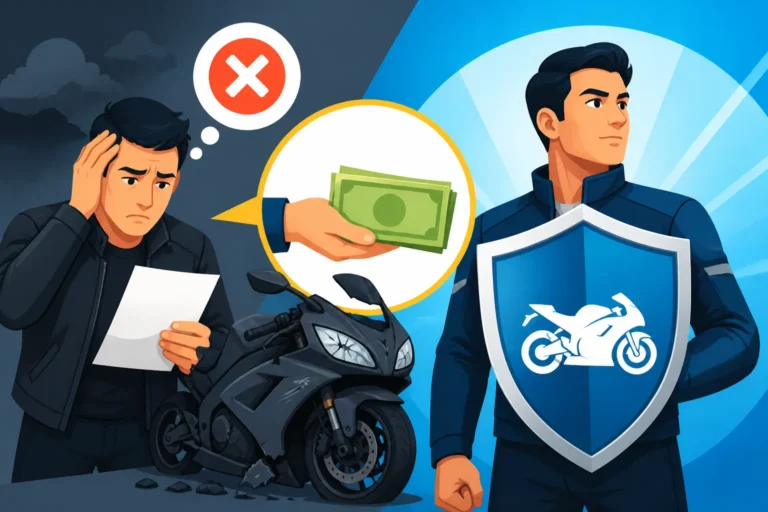
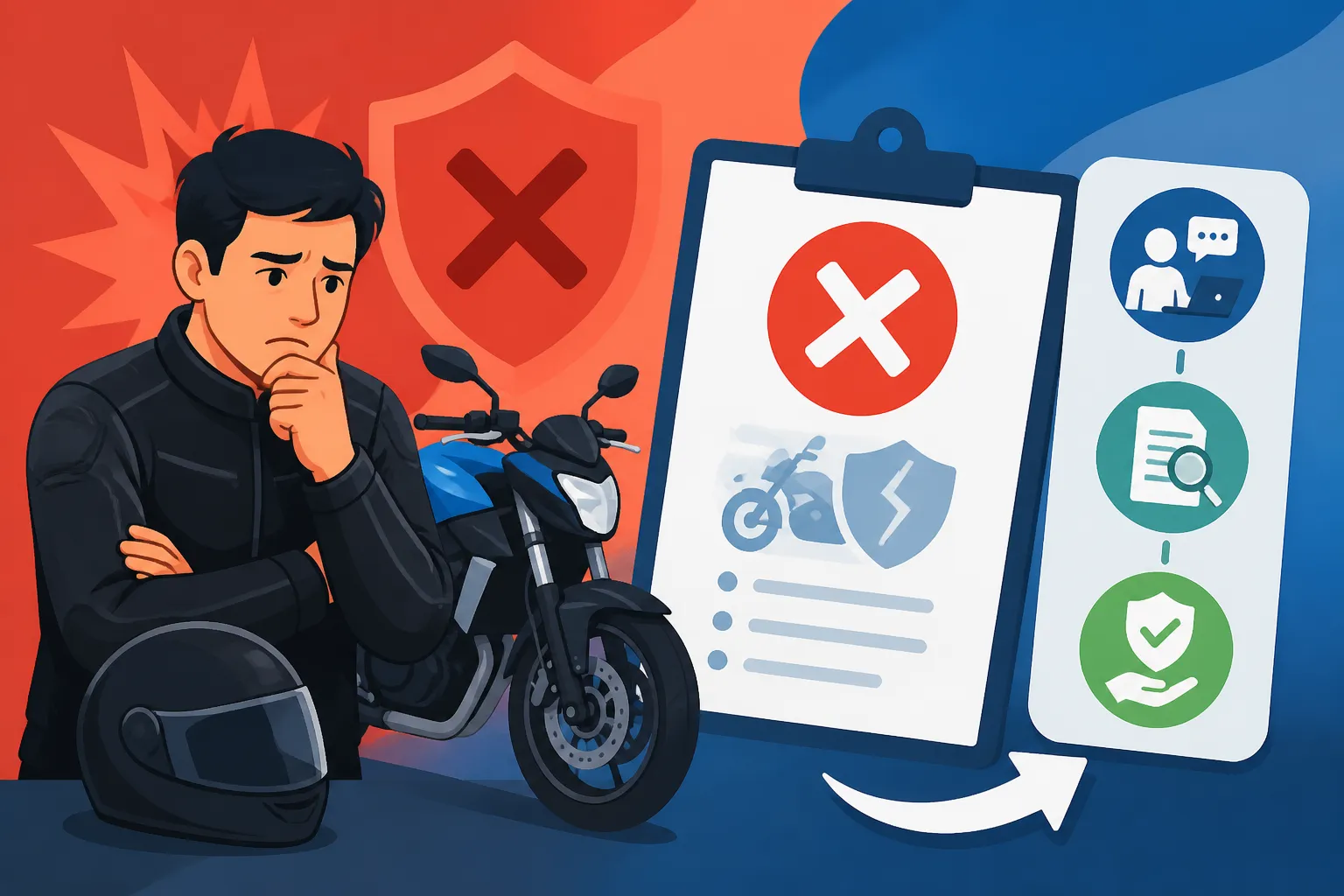
There’s little that feels worse than diligently paying your motorcycle insurance premiums, riding responsibly (or at least, doing your best!), and then, when the unexpected happens, having your claim slapped with a "denied" stamp. It’s frustrating, bewildering, and often leaves you feeling helpless, wondering what went wrong and what on earth you’re supposed to do next. This guide is here to walk you through exactly what to do when your motorcycle insurance claim is denied, helping you understand the reasons, gather your resources, and fight for what you believe you're owed.
The Initial Gut Punch: Understanding Why Your Claim Was Denied
Receiving that denial letter can feel like a punch to the gut, especially when you're already dealing with the aftermath of an accident or theft. It's easy to feel defeated, but the first step is to take a deep breath and understand the why. Insurance companies don't deny claims just to be difficult; there's always a specific reason, even if it feels unfair at the moment.
Common Reasons for Denial
Many factors can lead to a motorcycle insurance claim being denied. Sometimes it's a simple misunderstanding, other times it reveals a gap in your coverage you weren't even aware of. One of the most common reasons we hear about is insufficient coverage. This happens when the damage or incident isn't covered by the specific policies you purchased. For instance, if you only have liability insurance, your insurer won't cover damage to your own bike after a collision. That's a hard pill to swallow, but it's often the reality. Similarly, if your bike was stolen but you opted out of comprehensive coverage, your policy won't pay for the loss.
Another frequent cause for denial is a policy lapse or cancellation. Life gets busy, bills get missed, or you might have decided to suspend coverage for the winter months without realizing the implications if something were to happen. If your policy wasn't active at the time of the incident, your claim will almost certainly be denied. It’s a harsh reminder of why it’s so important to keep track of your payment dates and understand what it means to cancel or switch mid-policy. Even a slight delay in payment can lead to a lapse, leaving you exposed.
Then there are policy exclusions – specific situations or types of damage that your policy explicitly states it will not cover. Maybe you were racing at a track day, and your policy has an exclusion for competitive events. Or perhaps you had expensive custom modifications that weren't adequately covered by accessories and custom parts coverage. Riding under the influence, engaging in illegal activities, or even misrepresenting facts on your application can also lead to a denial. These are often buried in the fine print, which is why it's so crucial to know what motorcycle coverage you actually need and what your specific policy covers.
Decoding Your Denial Letter
That denial letter isn't just a rejection; it's a roadmap. It might feel like a cold, impersonal document, but it contains vital information you'll need to move forward. The letter should clearly state the reason for the denial, often referencing a specific clause or section of your policy. For example, it might say "Claim denied due to policy exclusion for racing activities, per Section 4, Paragraph B," or "Claim denied due to lack of comprehensive coverage."
It's absolutely essential to read this letter thoroughly, perhaps even a few times, to grasp the precise reason given. Don't skim it. Highlight the key phrases and policy sections mentioned. If the language is technical or confusing, don't hesitate to call your insurance company and ask for clarification. They are obligated to explain it to you in plain terms. Understanding their stated reason for denial is the foundation of your appeal. Without it, you're just guessing in the dark.
Your First Moves: Gathering Information and Staying Organized
Once you understand why your claim was denied, your next step is to prepare for battle, or at least, for a robust appeal. This means becoming a meticulous record-keeper and a diligent policy reader. Don't let the insurance company's initial decision be the final word if you believe you have a strong case.
Reviewing Your Policy
Before you do anything else, grab your motorcycle insurance policy documents. This includes the declarations page, which summarizes your coverages, limits, and deductibles, and the full policy booklet, which details all the terms, conditions, and exclusions. Compare the reason stated in your denial letter against the actual wording in your policy.
Are you sure you understood the coverage you purchased? For instance, if your claim was for hitting a deer, did you have comprehensive coverage? Or if an uninsured driver totaled your bike, did you opt for uninsured and underinsured motorist coverage? Sometimes, the denial reveals a simple misunderstanding of what full coverage motorcycle insurance actually entails. If you find a discrepancy or believe the insurance company has misinterpreted a clause, you're on solid ground. This meticulous review is your first line of defense.
Documenting Everything
In the world of insurance, documentation is king. Every conversation, every email, every piece of evidence related to your claim needs to be meticulously recorded. If you haven't already, start a dedicated file or digital folder for your claim. This should include:
- The denial letter: Your starting point.
- Your full insurance policy: Highlight relevant sections.
- All communications: Dates, times, names of people you spoke with at the insurance company, a summary of the conversation, and any reference numbers. Send follow-up emails to confirm phone calls.
- Original claim documents: The initial claim form, photos of the damage, police reports, medical records, eyewitness statements, repair estimates – everything you submitted initially.
- New evidence: Any additional information that might support your case, like updated police reports, new photos, or expert opinions.
Think of it this way: if you can't prove it, it didn't happen in the eyes of the insurer. This level of organization will not only strengthen your appeal but also demonstrate to the insurance company that you're serious and well-prepared. This is especially true when dealing with large companies like Progressive, where clear communication and diligent record-keeping can make a huge difference in navigating their processes.
Appealing the Decision: The Formal Process
Once you’ve done your homework and gathered your documents, it's time to formally challenge the denial. This usually starts with an internal appeal directly with your insurance provider. It might feel intimidating, but remember, you have rights as a policyholder.
Initiating an Internal Appeal
Your denial letter should outline the process for appealing the decision. If it doesn't, call your insurance company immediately and ask for it. You'll typically need to submit a written appeal. This letter should be clear, concise, and professional. State that you are appealing the denial of your claim, reference the claim number, and articulate why you believe the decision should be reversed.
This isn't the time for emotional pleas, but for presenting a logical argument supported by facts from your policy and evidence. If the denial was due to an alleged policy lapse, provide proof of payment. If they claimed a specific exclusion, explain why you believe that exclusion doesn't apply to your situation, referencing specific policy language. For example, if your claim was denied because the adjuster deemed your motorcycle "totaled" but you disagree with their valuation, you could present independent appraisals of your bike's market value. This is where understanding what happens when your motorcycle is totaled and how insurance companies determine value becomes critical. Send your appeal via certified mail with a return receipt requested, so you have proof it was received.
Providing New Evidence
Sometimes, a claim is denied simply because the insurance company didn't have all the necessary information, or because their initial investigation missed something crucial. An appeal is your opportunity to present any new evidence that could sway their decision. Did a witness come forward after the initial claim? Did you get a second opinion on repair costs that contradicts the insurer's estimate? Was there an error in the police report that has since been corrected?
This new evidence could be anything from updated medical reports, new photographs of the accident scene, testimony from an expert witness (like an accident reconstruction specialist), or even an appraisal of custom parts you had installed that weren't adequately assessed initially. The key is that this new information directly addresses the reason for the denial and strengthens your position. For example, if your claim for a stolen motorcycle was denied because the insurer questioned the security measures, you might provide receipts for a new alarm system or GPS tracker you had recently installed, demonstrating your due diligence.
Escalating Your Fight: Outside Help and Legal Avenues
If your internal appeal with the insurance company still results in a denial, it doesn't mean your fight is over. There are external bodies and legal avenues you can explore to continue pursuing your claim.
Contacting Your State's Department of Insurance
This is often the next logical step after an internal appeal fails. Every state has a Department of Insurance (or a similar regulatory body) that oversees insurance companies and protects policyholders. They act as a neutral third party and can investigate complaints against insurers. They can't force the insurance company to pay your claim, but they can ensure the company followed proper procedures and didn't act in bad faith.
To file a complaint, you'll typically need to provide a detailed account of your claim, the denial, your appeal, and all supporting documentation. This is where your meticulous record-keeping will pay off immensely. The Department of Insurance will review your complaint and often mediate between you and the insurer. In some cases, their involvement can prompt the insurance company to reconsider their denial, especially if they find any procedural errors or questionable practices. For example, if you're in California and your motorcycle insurance claim is denied, the California Department of Insurance would be your point of contact.
Consulting Legal Counsel
When all other avenues have been exhausted, or if the claim involves significant damages, it might be time to seek legal advice. An attorney specializing in insurance claims or personal injury can assess the merits of your case, interpret complex policy language, and negotiate with the insurance company on your behalf. They can also determine if the insurance company acted in bad faith, which could open up additional legal options.
While the thought of legal action can be daunting and costly, many personal injury attorneys work on a contingency basis, meaning they only get paid if you win. They have experience dealing with major insurance providers like Progressive and know their tactics. An attorney can help you navigate the intricate legal system, ensuring your rights are protected and you have the best possible chance of overturning the denial. This is a serious step, but it might be necessary if you believe you have a strong, valid claim that has been unfairly denied.
Preventing Future Denials: Lessons Learned
Getting a claim denied is a harsh learning experience. But instead of just moving on, it’s an opportunity to ensure you’re better prepared for the future. Proactive steps can save you a world of headaches down the road.
Choosing the Right Coverage
Many denials stem from simply not having the right type or amount of coverage for the incident. When you initially purchase your policy, it's easy to focus solely on the premium cost, but saving a few bucks now could cost you tens of thousands later. Take the time to understand the types of motorcycle insurance coverage explained and choose wisely.
Consider your riding habits, the value of your bike (especially if it's customized), and your financial vulnerability. Do you need collision coverage to protect your own bike? Is uninsured motorist coverage important in your state, where many drivers may not carry sufficient insurance? What about medical payments coverage for your own injuries? Think about getting quotes and comparing options not just on price, but on comprehensive protection. Resources like The Zebra can be incredibly helpful for comparing various policies side-by-side, helping you see where coverage gaps might exist and what options are available from different providers.
Understanding Policy Exclusions
Every insurance policy has exclusions – situations or damages it won't cover. These aren't hidden; they're in the policy documents, often in the fine print that few people bother to read. But reading them can literally save you thousands of dollars and prevent a future claim denial. For example, some policies exclude damage sustained during organized races or off-road riding. If you regularly engage in these activities, you need to ensure your policy accommodates them, perhaps with an endorsement.
Understand your policy exclusions inside and out. If you have custom parts, verify they are covered under your standard policy or if you need an additional endorsement. If you store your bike for winter, understand seasonal lay-up and winter storage insurance options so you don't inadvertently let your coverage lapse at the wrong time. If you have any doubts about what is or isn't covered, call your insurance agent and get a clear explanation. It's always better to ask questions upfront than to face a denied claim when you need help the most.
| Common Denial Reason | What to Check in Your Policy | Immediate Actions |
|---|---|---|
| Insufficient Coverage | Declarations page, specific coverage types (e.g., liability, comprehensive, collision) | Verify coverage types purchased against the incident type. |
| Policy Lapsed/Cancelled | Payment history, policy effective dates, grace periods. | Provide proof of payment or reinstatement. Explain any payment delays. |
| Policy Exclusions Apply | Exclusions section, "What Is Not Covered" clauses. | Argue why the exclusion doesn't apply; provide evidence disproving the exclusion. |
| Misrepresentation on Application | Original application, policy terms regarding accuracy. | Provide documentation to prove the accuracy of your application. |
| Lack of Evidence | Requirements for filing a claim, necessary documentation. | Gather additional evidence (photos, witness statements, police report). |
| Incident Not Covered by Definition | Definitions of "accident," "theft," "damage," etc. | Argue how your incident fits the policy's definitions. |
Don't let a denied claim be the end of your story. While it's certainly disheartening, with careful attention to detail, a thorough understanding of your policy, and persistent effort, you can often turn the tide. Always remember to stay calm, be organized, and advocate for yourself. Your peace of mind and your motorcycle are worth it.
Disclaimer
Please note that this article is intended for informational purposes only and does not constitute legal or financial advice. Insurance policies vary significantly by provider and state. It is always recommended to consult with a qualified insurance professional or legal expert for advice tailored to your specific situation and policy.