What to Do After Motorcycle a Parking Lot Hit for Insurance
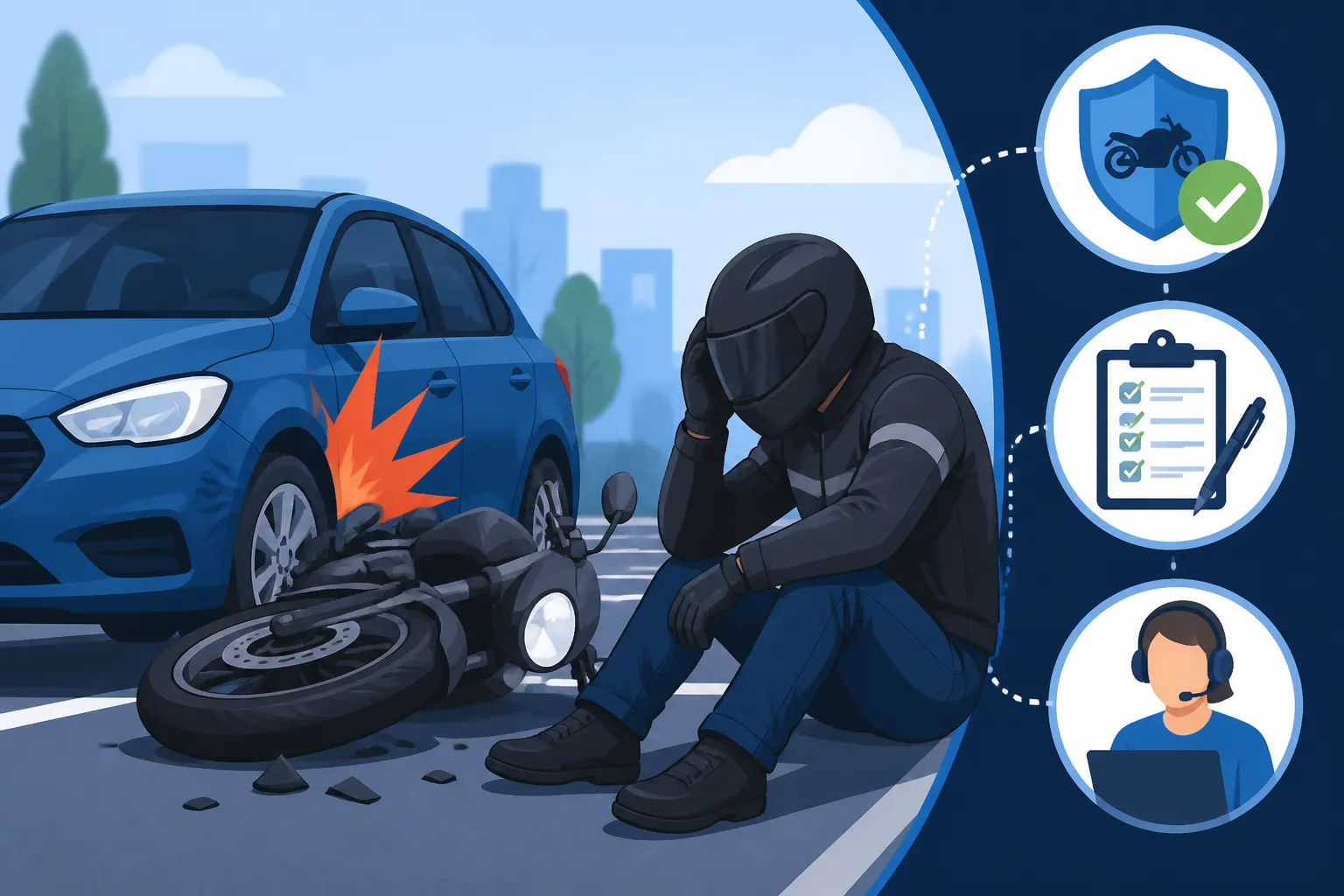
There’s nothing quite like the gut-punch of walking back to your motorcycle only to find it's been dinged, scraped, or even knocked over in a parking lot. It’s a genuinely frustrating experience, often leaving you feeling violated and unsure of the next steps, especially when it comes to dealing with insurance. This guide will walk you through exactly what to do after your motorcycle takes an unexpected hit in a parking lot, covering everything from immediate actions to navigating the insurance claims process.
Immediate Steps After Discovering the Damage
The moment you see that fresh scratch or bent lever, it's easy for your heart to sink and your mind to race. But taking a deep breath and following a clear set of steps immediately can make a huge difference in the outcome of your insurance claim and getting your bike repaired. Don't rush, don't panic; just focus on gathering information.
Assess the Scene Safely
First and foremost, ensure your own safety and the safety of your motorcycle. If your bike has been knocked over, carefully assess the surroundings before attempting to lift it. Are there any immediate hazards like leaking fluids, broken glass, or unstable parts? Take a moment to scan the area for moving vehicles, pedestrians, or any potential dangers. You don't want to get into a second mishap while dealing with the first. Once you've determined it's safe, you can start looking at the damage to your bike.
Try to identify exactly what has been damaged. Is it just cosmetic, like a scraped fairing or bent mirror? Or is there more significant structural damage, a broken lever, or a bent frame? Note down everything you see, no matter how minor it seems at first glance. Sometimes, what looks like a small scratch can hint at underlying issues, especially if the bike was dropped or struck with force. Getting a clear picture of the initial damage helps you articulate the situation to your insurer later on.
Document Everything Meticulously
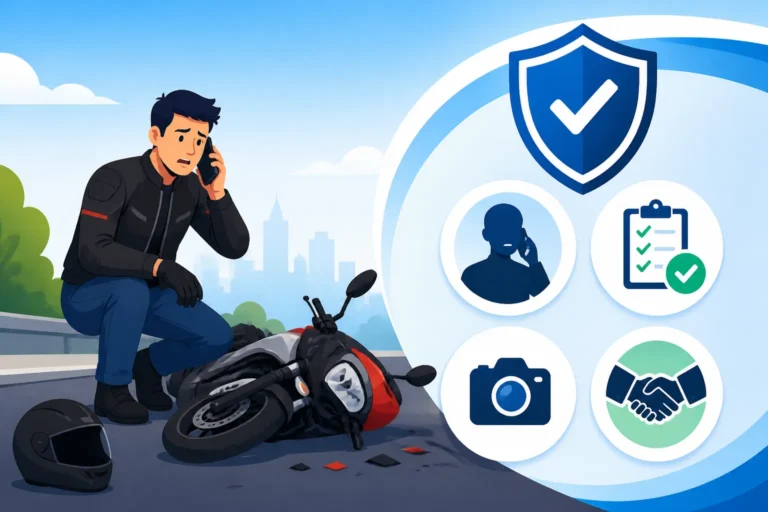
This is where the phrase "a picture is worth a thousand words" truly applies. Pull out your phone and start taking photos and videos of everything. Begin with overall shots of your motorcycle in the parking spot, showing its position relative to other vehicles, signs, or structures. Then, move in closer to capture the specific damage from multiple angles. Don't forget to photograph any debris on the ground, tire marks, or anything else that might indicate how the incident occurred.
Beyond the damage itself, document the environment. Take pictures of the parking lot, showing the specific space, any surrounding cars (even if they weren't involved, their presence helps establish the scene), and any nearby security cameras that might have captured the event. Note the exact date, time, and location (name of the business, specific parking aisle, etc.). This detailed documentation creates an irrefutable record for your insurance company, preventing any disputes about the extent of the damage or the circumstances surrounding it.
If the Other Driver Is Present
Sometimes, you get "lucky" (if you can call it that) and the person who hit your bike is still at the scene. This significantly streamlines the process, but it's crucial to handle the interaction correctly to protect your interests and ensure a smooth claim.
Exchange Information Gracefully
Even if emotions are running high, strive to remain calm and courteous. Start by making sure everyone is okay, if applicable. Then, focus on exchanging critical information with the other driver. You'll need their full name, contact number, driver's license number, and vehicle license plate number. Crucially, ask for their insurance company name and policy number. Write it all down, and if possible, take photos of their driver's license and insurance card.
Also, be ready to provide your own information in return: your name, contact details, and motorcycle insurance policy information. If there are any witnesses, ask for their names and contact information as well. Their unbiased account could be invaluable, especially if there are discrepancies later on. Remember, your goal here is information gathering, not confrontation.
Avoid Admitting Fault
This is a really important one. Even if you think you might have contributed in some way, never admit fault or make assumptions about who is to blame. Statements like "I should have parked somewhere else" or "My bike was a bit out in the aisle" can be misinterpreted or used against you by insurance companies. Stick to the facts: "I found my motorcycle damaged" or "Your vehicle struck my motorcycle."
Let the insurance companies and accident investigators determine fault. Your role is simply to report what happened and provide the objective details you've gathered. If the other driver tries to pressure you into accepting blame or suggests handling it "under the table" without involving insurance, politely decline. A parking lot hit might seem minor, but repair costs can quickly escalate, and you want to ensure proper coverage. This is especially true for motorcycle damage, where small dents can compromise structural integrity or custom components.
If the Other Driver Is NOT Present
This is often the more frustrating scenario – returning to your motorcycle only to find it damaged and the offending party long gone. It feels like a hit-and-run, even if it's in a parking lot. Don't despair, though; there are still steps you can take.
Search for Clues and Witnesses
First, check the ground and around your bike for any clues. Did they leave a note? Sometimes people do the right thing. Look for any paint transfer on your motorcycle that matches another vehicle's color, or any dropped pieces of plastic that might have come from the other car. These small details can be surprisingly helpful for an insurance claim adjuster or law enforcement.
Next, broaden your search for witnesses. Are there people nearby who might have seen something? Shop employees, other customers, or even security guards could have valuable information. Ask politely if they noticed anything. As mentioned before, also scout the area for security cameras. Many businesses, from grocery stores to shopping malls, have extensive camera systems that might have captured the incident. A quick check with a store manager could lead to crucial footage.
Notify Authorities and Property Management
Even though it’s "just" a parking lot, if the other driver left the scene, it can be considered a hit-and-run in many jurisdictions, especially if there's significant damage. Call the non-emergency police line to file a report. A police report lends official credibility to your claim and is often required by insurance companies for hit-and-run incidents. They might even have a dedicated traffic division that handles these types of incidents. Make sure to get a copy of the police report number for your records.
Additionally, inform the property management or the owner of the parking lot. They might have their own security protocols, maintenance staff who saw something, or access to those security cameras you spotted earlier. They also need to be aware of incidents on their property. Document who you spoke with, their contact information, and any reference numbers they provide. This demonstrates your due diligence in trying to gather all available information.
Contacting Your Insurance Company
Once you've taken the immediate steps, the next crucial phase is to contact your insurance provider. This can sometimes feel daunting, but knowing what to expect and what information to have ready can make the process smoother.
Understanding Your Coverage Options
When your motorcycle is damaged in a parking lot, whether by an identified driver or a hit-and-run, several types of coverage on your policy might kick in.
- Collision Coverage: This is your primary go-to if your bike is damaged by another vehicle, regardless of who is at fault, or if you accidentally knock it over yourself. If the other driver is identified and found at fault, their liability insurance would ideally cover the damage. However, if they're uninsured, or if the claim takes time, your collision coverage can get your bike repaired, and your insurer might then seek reimbursement from the at-fault party. Remember that Collision Coverage for motorcycles usually comes with a deductible, which is the amount you pay out of pocket before your insurance starts paying.
- Comprehensive Coverage: This coverage is generally for non-collision incidents like theft, fire, vandalism, or even hitting an animal. While it might not seem applicable to a parking lot hit, if your bike was intentionally vandalized or damaged by falling objects (like a shopping cart pushed by the wind), comprehensive might come into play. It's less common for parking lot hits unless there's an element of vandalism.
- Uninsured/Underinsured Motorist Property Damage (UMPD): If the other driver is identified but doesn't have insurance or has insufficient coverage to pay for your damages, UMPD coverage could step in. This is incredibly valuable, especially in states where Motorcycle Insurance Requirements by State (2026 Guide) can vary wildly and some drivers still go without adequate coverage.
- Medical Payments (MedPay) or Personal Injury Protection (PIP): If you were on your bike or near it and sustained injuries when it was hit or knocked over, these coverages could help with medical expenses, regardless of fault.
Before calling, it's a good idea to review your specific policy details to understand what coverage you have. This will empower you to have a more informed conversation with your agent. Platforms like The Zebra can sometimes help you quickly review policy types and understand how they work, even if you’re not currently shopping for new insurance.
What to Expect During the Claim Process
When you call your insurance company (many riders use reputable providers like Progressive, Dairyland, or Markel), you'll need to provide all the information you've gathered. Be prepared to share:
- The date, time, and exact location of the incident.
- A detailed description of what happened (how you found the bike, any witnesses, police report number).
- The other driver's information (if available).
- Your documentation (photos, videos).
Your insurer will assign a claims adjuster who will investigate the incident. They might ask for additional photos, speak to witnesses, and review any police reports or surveillance footage. They will also arrange for an estimate of the damage to your motorcycle. The adjuster's job is to determine fault (if another party is involved) and assess the cost of repairs based on your policy's terms. This is why thorough documentation is so crucial; it provides them with the evidence they need to process your claim fairly and efficiently. For more on the general process, check out our guide on How to File a Motorcycle Insurance Claim.
Dealing with the Repair Process
After the claims process is initiated, the next big hurdle is getting your beloved bike fixed. This can be a straightforward process if the damage is minor, but it can become more complex with significant damage or a total loss declaration.
Getting Estimates and Choosing a Shop
Once your claim is filed, your insurance company will likely ask you to get estimates for the repair work. Some insurers have preferred repair shops they work with, while others allow you to choose your own. It's often a good idea to get at least two estimates from reputable motorcycle repair shops. Make sure these shops specialize in motorcycles, as they understand the intricacies and specific components of different bike types. A shop that primarily works on cars might miss subtle damage or use improper repair techniques for a motorcycle.
Carefully review each estimate to ensure it covers all the damaged parts, including any custom additions or accessories you might have (assuming you have Accessories & Custom Parts Coverage Explained on your policy). If you feel an estimate is too low or misses something, don't hesitate to discuss it with the repair shop and your claims adjuster. It's your right to have your motorcycle restored to its pre-accident condition as closely as possible.
Handling Total Loss Scenarios
Sometimes, the damage to your motorcycle can be so severe that the cost of repairs exceeds a certain percentage of its actual cash value (ACV). When this happens, your insurance company might declare your motorcycle a "total loss." The threshold for a total loss varies by state and insurer; it could be anywhere from 50% to 100% of the ACV. It's a tough pill to swallow when your bike is totaled, but understanding how it works helps. Our article on What Happens When Your Motorcycle Is Totaled? goes into much more detail.
If your bike is totaled, the insurance company will pay you the actual cash value of your motorcycle, minus your deductible. This value is based on the bike's market value, age, mileage, and condition just before the incident. If you have "Agreed Value" coverage, that will be the payout amount, which is often a better option for custom or vintage bikes. However, if you only have standard "Actual Cash Value" coverage, the payout might not be enough to buy a brand-new equivalent, especially with rising prices. This is when negotiating with your insurer becomes important, presenting evidence of your bike's condition and any recent upgrades.
Navigating Potential Challenges
While the process should ideally be smooth, real life isn't always so cooperative. You might encounter situations that make things a bit more complicated, such as disagreements over fault, low repair estimates, or challenges proving the value of custom parts.
Disputed Fault and Lowball Offers
If the other driver is present but disputes fault, or if their insurance company tries to deny your claim, things can get sticky. This is where your detailed documentation, witness statements, and the police report become your strongest allies. If fault is truly ambiguous, your own Collision Coverage for Motorcycles Explained would be your best bet, as it covers damage to your bike regardless of who caused it. Your insurance company would then pursue subrogation against the other party if they believe the other driver was at fault.
Similarly, if you receive a repair estimate that seems too low, or if the insurance company's offer for a total loss doesn't reflect your bike's true value, don't just accept it. Gather your own counter-evidence: additional repair estimates, receipts for recent maintenance or upgrades, and comparable sales listings for similar motorcycles in your area. You have the right to negotiate. For more tips, our guide on How to Negotiate a Motorcycle Total Loss Settlement offers some excellent advice.
Aftermarket Parts and Modifications
Many riders customize their bikes, adding everything from exhaust systems to custom paint jobs. Standard insurance policies often have limited coverage for aftermarket parts and modifications unless you've specifically purchased Custom Parts Coverage on a Motorcycle. If you have this coverage, make sure all your custom parts are listed and valued correctly in your policy.
When filing a claim, provide receipts or photos of these custom parts to your adjuster. Without specific coverage, you might only receive the value of the stock parts, which can be a significant financial hit. This is why it's so important to update your policy any time you make substantial modifications to your motorcycle.
Key Steps After a Parking Lot Hit
To help keep everything straight, here's a quick summary of the critical actions to take:
| Step | Action | Why It's Important |
|---|---|---|
| 1. Ensure Safety | Assess the immediate surroundings for hazards; check yourself and your bike for immediate issues. | Prevents further accidents or injuries. |
| 2. Document the Scene | Take extensive photos/videos of damage, surroundings, and clues. Note date, time, location. | Creates irrefutable evidence for your insurance claim. |
| 3. Exchange Information | If other driver is present: Get name, contact, license, insurance. Provide yours. Collect witness info. | Essential for filing a claim against the at-fault party's insurance. |
| 4. Avoid Admitting Fault | Stick to facts; do not apologize or speculate on blame. | Prevents statements from being used against you. |
| 5. Notify Authorities/Management | If hit-and-run: File a police report, inform property management. Look for security cameras. | Provides official record and may lead to identification of the responsible party. |
| 6. Contact Your Insurer | Report the incident immediately, providing all collected information. | Initiates the claims process and gets your bike on the path to repair or replacement. |
| 7. Get Repair Estimates | Obtain multiple detailed estimates from reputable motorcycle repair shops. | Ensures fair and comprehensive repair costs are covered. |
| 8. Follow Up | Stay in communication with your adjuster and repair shop. | Keeps the process moving and addresses any issues promptly. |
Disclaimer
This article is for general informational purposes only and does not constitute professional advice. Laws, prices and regulations vary by location and change over time. Consult a qualified professional for guidance on your specific situation.