How Do I File a Motorcycle Insurance Claim After a Crash?
A motorcycle crash, even a minor one, can be an incredibly jarring and stressful experience. Beyond the immediate physical and emotional toll, many riders feel completely overwhelmed by the thought of dealing with insurance companies and navigating the claims process. It's a confusing, often frustrating journey, but understanding how to properly file a motorcycle insurance claim after a crash can make a huge difference in getting your bike fixed and getting you back on the road. This guide is here to walk you through every step, from the moment of impact to reaching a settlement.
Immediate Steps After a Motorcycle Crash
The moments right after an accident are chaotic, and it's easy to feel disoriented. However, acting quickly and methodically can significantly impact the success of your insurance claim and, more importantly, your well-being. Don't worry about sounding like a lawyer; just focus on these practical, immediate steps.
Prioritizing Safety and Calling for Help
First and foremost, your safety and the safety of anyone else involved are paramount. If you're physically able, try to move yourself and your motorcycle to a safe location, away from oncoming traffic. Use your emergency flashers, if they're still working, and set up any emergency triangles or flares you might carry. Check yourself and others for injuries. Even if you feel fine, adrenaline can mask pain, so it's always best to err on the side of caution.
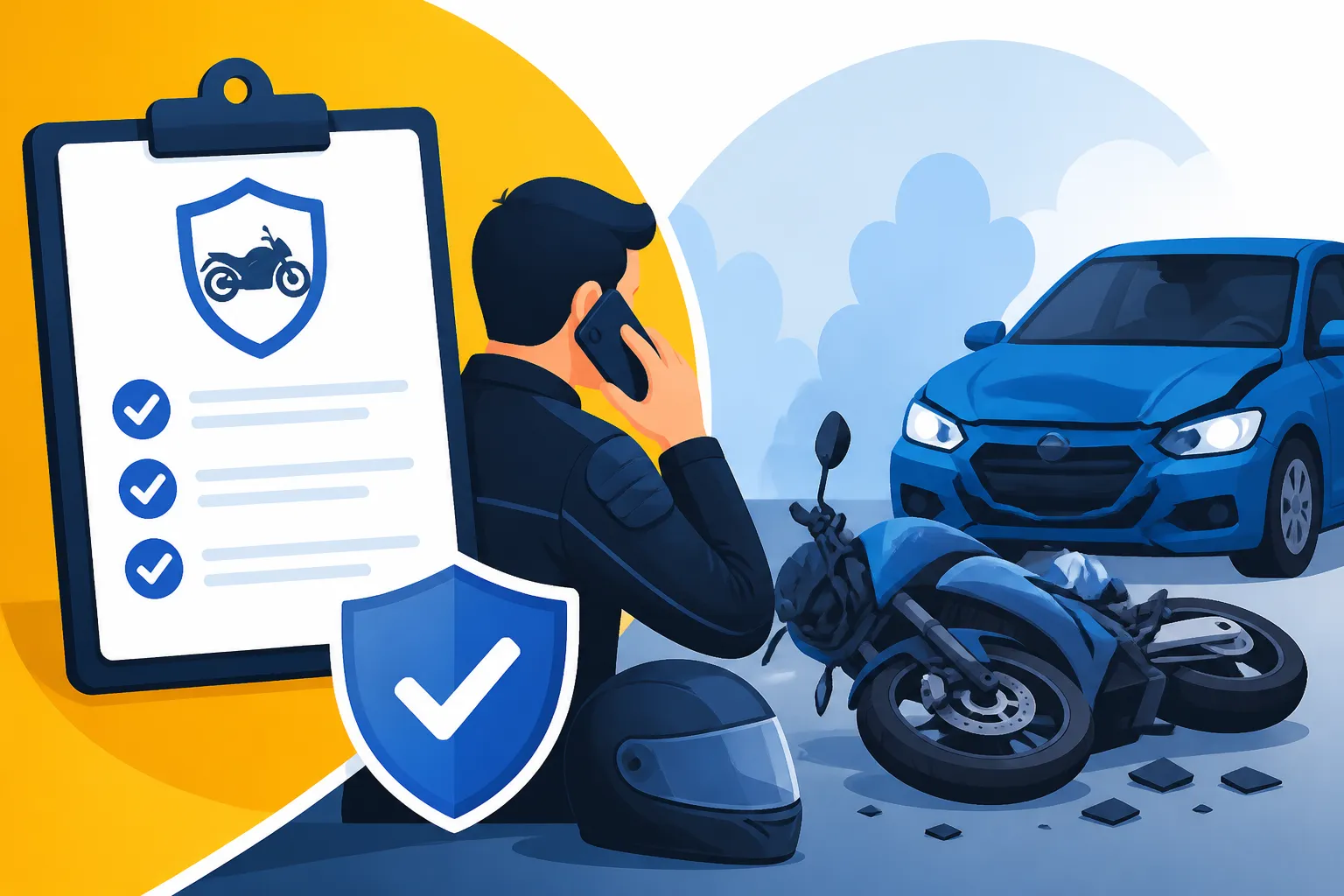
As soon as possible, call 911. Even for seemingly minor incidents, especially if there’s property damage beyond your bike or if anyone appears injured, getting law enforcement and emergency medical services on the scene is critical. A police report provides an official, unbiased account of the incident, which is invaluable for your insurance claim. Don't downplay symptoms to first responders; be honest about any discomfort or pain you're experiencing. Sometimes injuries, like whiplash or internal bruising, don't manifest until hours or even days later.
Gathering Crucial Information at the Scene
Once safety is secured and help is on the way, shift your focus to collecting information. This is where most people get tripped up, either forgetting key details or being too shaken to think clearly. Having a mental checklist or even a physical one in your tank bag can be a lifesaver. You’ll need information from all parties involved, including other drivers and any witnesses.
Make sure to get the full name, contact information (phone and email), and insurance details (company name and policy number) from any other drivers. Also, note their vehicle's make, model, year, license plate number, and Vehicle Identification Number (VIN). For witnesses, simply getting their name and phone number is a good start, as their impartial perspective can be incredibly valuable if there are disputes later. Don't forget to get the badge number and incident report number from the responding police officer. This report, typically available a few days after the accident, is a cornerstone of your claim. Getting the report number specifically can help speed up the process of acquiring a copy later.
Documenting the Damage and Scene Thoroughly
In today's world, almost everyone has a smartphone, and it's your best friend for documenting an accident. Take as many photos and videos as you possibly can. Capture the overall scene, including road conditions, traffic signals, and any relevant signage. Photograph your motorcycle from multiple angles, clearly showing all damage, no matter how small it seems. Do the same for any other vehicles involved. Don't forget to photograph skid marks, debris on the road, and the relative positions of vehicles before they are moved, if safe to do so.
Beyond the vehicles, take pictures of any visible injuries you or your passenger might have sustained, even minor cuts or bruises. If your riding gear was damaged, photograph that too – helmets, jackets, gloves, and boots. This detailed visual evidence helps your insurance company, like Progressive or The Zebra, understand the full scope of the incident and the damages. It helps to tell the story of what happened far more effectively than words alone, especially when an adjuster can't be at the scene.
Here's a quick checklist for collecting information at the scene:
| Category | Details to Collect | Importance |
|---|---|---|
| Other Driver Info | Full Name, Phone, Email, Address, Insurance Co., Policy #, Driver's License # | Essential for liability claims, contacting responsible parties. |
| Other Vehicle Info | Make, Model, Year, License Plate, VIN | Links the driver to the specific vehicle involved. |
| Witness Info | Full Name, Phone, Email | Provides unbiased accounts, crucial in disputed situations. |
| Police Report | Officer's Name, Badge #, Department, Incident Report # | Official record, helps verify facts and assign fault. |
| Scene Photos/Video | Road conditions, traffic signs, vehicle positions, all damage, injuries, debris | Visual evidence of the accident's context and impact. |
| Your Damages | Photos of motorcycle damage, gear damage, any personal injuries | Supports your claim for repairs, medical treatment, and property replacement. |
Notifying Your Insurance Company
Once you've handled the immediate aftermath and are in a safe place, the next crucial step is to contact your motorcycle insurance provider. This isn't something you want to put off. Delays can complicate your claim and sometimes even jeopardize coverage.
Understanding Your Policy and Coverage
Before you make that call, it’s a good idea to refresh your memory on your specific policy details. Do you have full coverage motorcycle insurance, or just the state minimum liability? Knowing what coverages you have, such as Collision vs Comprehensive Motorcycle Coverage, or Uninsured & Underinsured Motorist Coverage (UM/UIM), will help you understand what to expect and what questions to ask. If you're unsure, most insurance companies have online portals or mobile apps where you can quickly access your policy documents.
Knowing your policy limits and deductibles will give you a realistic picture of your financial responsibility and the potential payout. For instance, if you have a high deductible for collision, you'll pay more out-of-pocket before your insurance kicks in. This knowledge empowers you to have a more informed conversation with your insurer.
The Initial Call: What to Expect
When you call your insurance company, you'll typically be connected with a claims representative who will open a new claim for you. Be prepared to provide all the information you gathered at the scene: date, time, and location of the accident, names and contact details of all parties involved, and a brief description of what happened. They'll assign a claim number, which is vital for all future communications. Write this number down immediately and keep it handy.
The claims representative might ask you a lot of questions. Be factual and stick to what you know. Avoid speculating or admitting fault. If you're unsure about a detail, it's okay to say, "I'm not sure" or "I don't recall that specific detail right now." Remember, their job is to gather information, and while they might seem friendly, everything you say can be used in the claims process.
Providing Accurate Information to Your Insurer
After the initial call, an insurance adjuster will typically be assigned to your case. This is where the real investigation begins. You'll likely have a more detailed conversation with them. Provide all the documentation you collected: photos, videos, witness statements, and the police report number. If you took your bike to a shop for an initial assessment, provide those details too. The more information you can give them upfront, the smoother the process will be.
Be consistent in your statements. If you've given a statement to the police, ensure your account to the insurance company aligns with it. Inconsistencies can raise red flags and delay your claim. If you've sought medical attention, notify your insurer, especially if you have MedPay coverage, as this will activate the medical portion of your claim. It's often helpful to provide contact information for your medical providers so the adjuster can obtain necessary records directly.
Working with the Insurance Adjuster
The insurance adjuster is the key person who will investigate your claim, determine fault (if applicable), assess damages, and ultimately authorize repairs or a settlement. This can feel like a daunting step, but understanding their process helps.
The Investigation Process
The adjuster's job is to verify the facts of the accident. They will review your statement, the police report, photos, and any witness statements. They might also contact other drivers involved and their insurance companies. Sometimes, they'll even visit the scene of the accident if it's a complex case. Their goal is to reconstruct the accident and determine who was at fault, or to what extent each party shares responsibility.
This investigative phase can take time. Don't get discouraged if you don't hear back immediately. The adjuster might need to wait for official reports or gather information from multiple sources. While this is happening, continue to keep detailed records of all communication, including dates, times, and the names of the people you spoke with. Knowing How Long Does a Motorcycle Insurance Claim Take? can help manage your expectations during this period.
Repair Estimates and Bike Assessment
For damage to your motorcycle, the adjuster will arrange for an assessment. This typically involves you taking your bike to an approved repair shop for an estimate, or the adjuster might send their own appraiser to inspect the damage. It's perfectly acceptable to get your own independent repair estimate from a shop you trust, especially if your bike has custom parts or modifications. Ensure your policy includes Accessories & Custom Parts Coverage Explained if you've invested in aftermarket components. This is important because the insurance company might try to value your bike's parts at Actual Cash Value, which might not reflect what you actually paid for them, or what it costs to replace them.
Once the estimates are in, the adjuster will review them and authorize the repairs. If your bike is deemed a total loss – meaning the cost of repairs exceeds a certain percentage of its market value – then the process shifts to a different track. In this scenario, understanding What Happens When Your Motorcycle Is Totaled? becomes crucial. The adjuster will then determine the Actual Cash Value (ACV) of your motorcycle, and this is where policies like Agreed Value vs Stated Value vs Actual Cash Value come into play. Many riders are shocked by how low the ACV can be compared to what they think their bike is worth.
Settlement Offers and Negotiation
Once the investigation is complete and damages are assessed, the insurance company will present a settlement offer. This offer will cover the cost of repairs for your motorcycle, any medical expenses (up to your policy limits), and potentially other losses like lost wages or pain and suffering, depending on the specifics of the accident and your coverage.
It's important to review this offer carefully. Don't feel pressured to accept the first offer, especially if you believe it doesn't adequately cover all your losses. If you disagree with the offer, you have the right to negotiate. This is where your detailed documentation, independent estimates, and knowledge of your policy limits are invaluable. You might need to provide additional evidence to support your claim for a higher payout. For example, if your helmet was damaged, and you have special coverage for riding gear, make sure that's included.
Common Pitfalls and How to Avoid Them
Filing a claim can be tricky, and there are several common mistakes that riders make that can negatively impact their settlement or even lead to a claim denial. Being aware of these can save you a lot of headache.
Delaying Your Claim
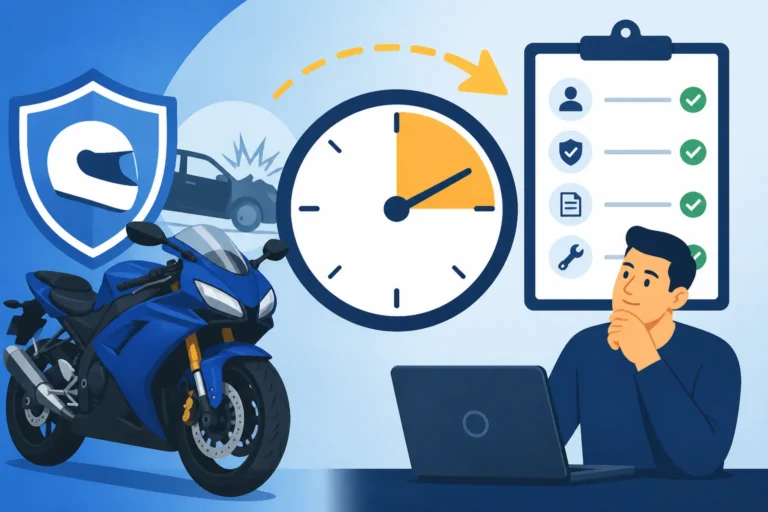
One of the biggest mistakes you can make is waiting too long to report the accident. Most insurance policies have clauses requiring prompt notification, often within a specific timeframe, like 24 to 72 hours. While the exact time limit can vary by insurer and state, delaying your claim can make it harder for your insurance company to investigate, gather evidence, and may even lead to them denying your claim outright. Imagine trying to get witness statements weeks later, or trying to prove road conditions from a month ago – it's a uphill battle.
Always call your insurer as soon as you are safe and have gathered initial information. Even if you're not sure you want to file a claim, it's better to notify them and get a claim number started. You can always withdraw the claim later if you decide against it, but you can't go back in time to report it sooner.
Admitting Fault
In the immediate aftermath of an accident, it’s natural to feel shaken and sometimes even apologetic. However, it's crucial to never admit fault at the scene, even if you think you might be to blame. Emotions run high, and you might not have all the facts. Admitting fault, whether verbally or in writing, can be used against you by the insurance companies and could severely undermine your ability to receive compensation or defend yourself.
Stick to the facts when speaking with police or other drivers: "I was riding down Main Street, and the car pulled out." Avoid statements like, "I'm so sorry, I didn't see you!" Let the police and the insurance adjusters determine fault based on their investigation. If you are contacted by the other driver's insurance company, politely decline to give a statement and direct them to your own insurer.
Accepting the First Offer Too Quickly
As mentioned earlier, the first settlement offer from an insurance company, whether it's your own or the other party's, is often a starting point, not the final word. Many riders, eager to put the accident behind them, accept this initial offer without fully evaluating their losses. This is especially true when it comes to medical expenses, lost wages, and the true value of their damaged motorcycle.
Take your time. Consult with trusted repair shops, review all your medical bills, and understand the market value of your bike. If your bike was highly customized, research what it would truly cost to replace those custom parts. Don't be afraid to push back with evidence if you believe the offer is too low. Sometimes, simply showing you've done your homework is enough to get a higher, fairer settlement. Remember, insurance companies are businesses, and while they want to pay legitimate claims, they also aim to minimize payouts.
What to Do If Your Claim Is Denied
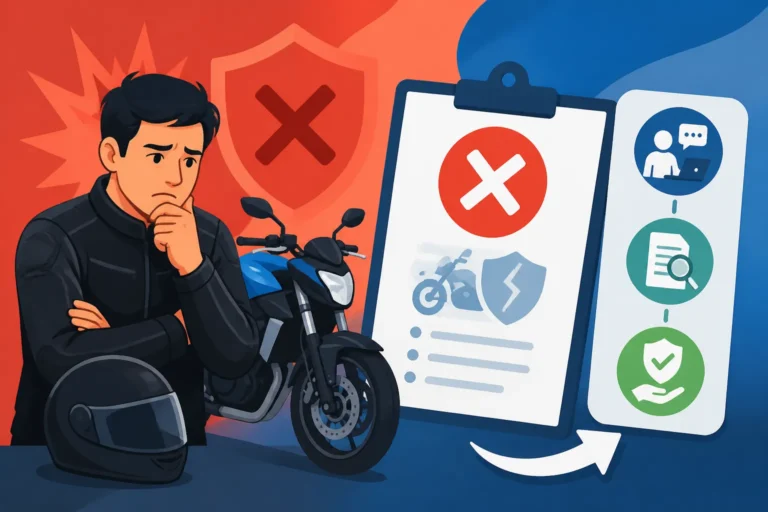
It's a frustrating scenario: you've been in an accident, diligently followed all the steps, and then you get the news – your claim has been denied. Don't panic, and certainly don't give up. A denial isn't always the end of the road.
Understanding the Reasons for Denial
The first and most important step is to understand exactly why your claim was denied. Your insurance company is legally obligated to provide you with a written explanation for the denial. This letter will outline the specific reasons, which could range from:
- Lapse in Coverage: You weren't insured at the time of the accident.
- Exclusion in Policy: The type of damage or incident isn't covered by your specific policy (e.g., trying to claim for track day damage when your policy excludes racing).
- Failure to Report Promptly: You waited too long to notify them.
- Disputed Fault: The adjuster determined you were primarily at fault, and your liability-only policy doesn't cover your own damages.
- Lack of Proof: Insufficient evidence to support your claim.
- Misrepresentation: They believe you provided false or misleading information.
Once you have this clear explanation, you can start to address the specific issue. For instance, if your claim was denied because you didn't have the proper coverage, it's a tough lesson but a clear reason. However, if it's due to a factual dispute, you have room to appeal. Understanding your Motorcycle Insurance Requirements by State (2026 Guide) and your own policy details can help you identify if the denial is valid.
Appealing the Decision
If you believe your claim was unfairly denied, you have the right to appeal. This process typically involves several steps:
- Gather More Evidence: Revisit the scene (if safe), gather more photos, find additional witnesses, or get independent expert opinions (e.g., from an accident reconstruction specialist or a different repair shop). If the denial is related to an injury, get a second medical opinion.
- Submit a Formal Appeal Letter: Write a detailed letter to your insurance company, clearly stating why you believe the denial is incorrect. Reference your claim number, policy number, and specifically address each reason for the denial using your new evidence. Attach all supporting documents.
- Escalate Within the Company: If your initial appeal to the adjuster or claims department is unsuccessful, ask to speak with a supervisor or a higher-level manager. Many companies have internal review processes for denied claims.
- Contact Your State's Department of Insurance: This is a powerful step. Every state has a department or commissioner of insurance that regulates insurance companies. If you feel you're being treated unfairly, you can file a complaint with them. They can investigate your case, mediate disputes, and ensure the insurance company is complying with state laws and regulations.
- Seek Legal Counsel: For complex or high-value claims, especially if significant injuries are involved, consulting with a personal injury attorney specializing in motorcycle accidents can be highly beneficial. They understand insurance law, can negotiate on your behalf, and can even pursue a lawsuit if necessary. They can also help you understand how your specific coverage, like How Much Liability Insurance Do You Need on a Motorcycle?, impacts your options.
Remember, persistence is key. Many insurance claims are settled after an initial denial because the claimant was proactive in pursuing their rights. If you're going through this, you might find valuable insights in our article on What to Do if Your Claim Is Denied. It’s a tough situation, but you don’t have to face it alone.
Navigating Medical Concerns and Personal Injury
Beyond the bike's damage, your physical well-being is paramount after a crash. Even if you feel okay initially, it’s vital to address any potential injuries.
Seeking Medical Attention Promptly
The adrenaline rush after an accident can mask pain and injury. It's not uncommon for riders to feel fine at the scene, only to wake up the next day with severe stiffness, pain, or other symptoms. Always seek medical attention immediately after a motorcycle crash, even if you think your injuries are minor. A visit to an urgent care clinic or your primary doctor can help detect hidden injuries like whiplash, concussions, or internal bruising that might not be immediately apparent.
Delaying medical attention can not only worsen your condition but can also harm your insurance claim. Insurance companies might argue that your injuries weren't caused by the accident if there's a significant gap between the crash and your first medical visit. Document every visit, every diagnosis, and every treatment. Keep all medical bills and receipts organized. Your health comes first, and comprehensive medical records are essential for any potential personal injury claim.
Understanding Your Medical Coverage Options
When it comes to medical expenses, several parts of your motorcycle insurance policy might come into play.
- Medical Payments (MedPay): This coverage, if you've added it to your policy, pays for your medical expenses and those of your passenger, regardless of who was at fault in the accident. It's often a smaller amount (e.g., $1,000 to $10,000) but can be a lifesaver for immediate bills and co-pays.
- Personal Injury Protection (PIP): In some "no-fault" states, PIP is required and covers medical expenses, lost wages, and other related costs, regardless of fault. States like Michigan and New York have very specific rules around PIP.
- Health Insurance: Your personal health insurance will often be the primary payer for significant medical costs. However, your motorcycle insurance (MedPay or PIP) can often cover deductibles and co-pays.
- Liability Coverage (Other Driver's Policy): If the other driver was at fault, their bodily injury liability coverage should cover your medical expenses. This is where Minimum Liability Insurance Explained (The Three Numbers) becomes relevant, as the amount they carry might not be enough for severe injuries.
It’s crucial to understand the order in which these policies will pay and to coordinate benefits to ensure all your medical costs are covered. This is another area where a personal injury attorney can be invaluable, especially if your injuries are severe and long-lasting.
Pursuing a Personal Injury Claim
If your injuries are substantial, lead to significant medical bills, lost wages, or long-term disability, you might need to pursue a personal injury claim. This typically happens in two scenarios:
- Against the At-Fault Driver's Insurance: If another driver was at fault, their bodily injury liability coverage is the primary source for compensation for your injuries, pain, and suffering.
- Through Your Uninsured/Underinsured Motorist (UM/UIM) Coverage: If the at-fault driver either has no insurance or not enough insurance to cover your damages, your own UM/UIM coverage will step in. This is why Uninsured & Underinsured Motorist Coverage (UM/UIM) is so important for riders.
A personal injury claim involves negotiating with insurance adjusters, gathering extensive medical records, and potentially filing a lawsuit. This process is complex and often requires legal expertise to ensure you receive fair compensation for all your losses, both economic (medical bills, lost wages) and non-economic (pain, suffering, loss of enjoyment of life). Don't try to navigate this alone if your injuries are serious.
Conclusion: Get Back on the Road with Confidence
Dealing with the aftermath of a motorcycle crash, especially the insurance claims process, is rarely easy. It's a journey filled with paperwork, phone calls, assessments, and sometimes, negotiations. But by understanding the steps, staying organized, and knowing your rights, you can navigate this challenging time more effectively.
Remember, your safety and well-being always come first. Then, be diligent in gathering information, swift in notifying your insurer, and patient but firm in advocating for a fair settlement. Whether it's a minor fender-bender or a more serious incident, having a clear plan for your motorcycle insurance claim will reduce stress and help you get back to enjoying the open road sooner. Keep our guide on How to File a Motorcycle Insurance Claim handy, and don't hesitate to seek professional advice when you need it.
Disclaimer
Please note that this article provides general information and guidance regarding motorcycle insurance claims after a crash. Insurance policies and regulations vary significantly by state and individual circumstances. It is essential to consult with your specific insurance provider, review your policy documents thoroughly, and seek legal counsel if necessary to understand your rights and obligations. This content is not a substitute for professional legal or financial advice.