Does Motorcycle Insurance Cover Engine Failure?
There’s nothing quite like the feeling of hitting the open road on your motorcycle, the engine humming beneath you, feeling every shift and rumble. But what happens when that beautiful hum turns into a gut-wrenching clunk, and your engine decides to call it quits? A common fear among riders is an unexpected engine failure, and figuring out if your motorcycle insurance will step in to cover the hefty repair bill can be a real headache. This guide will clarify the nuances of motorcycle insurance and whether it truly covers engine failure, helping you understand what to expect and how to prepare.
The Hard Truth About Engine Failure and Your Policy
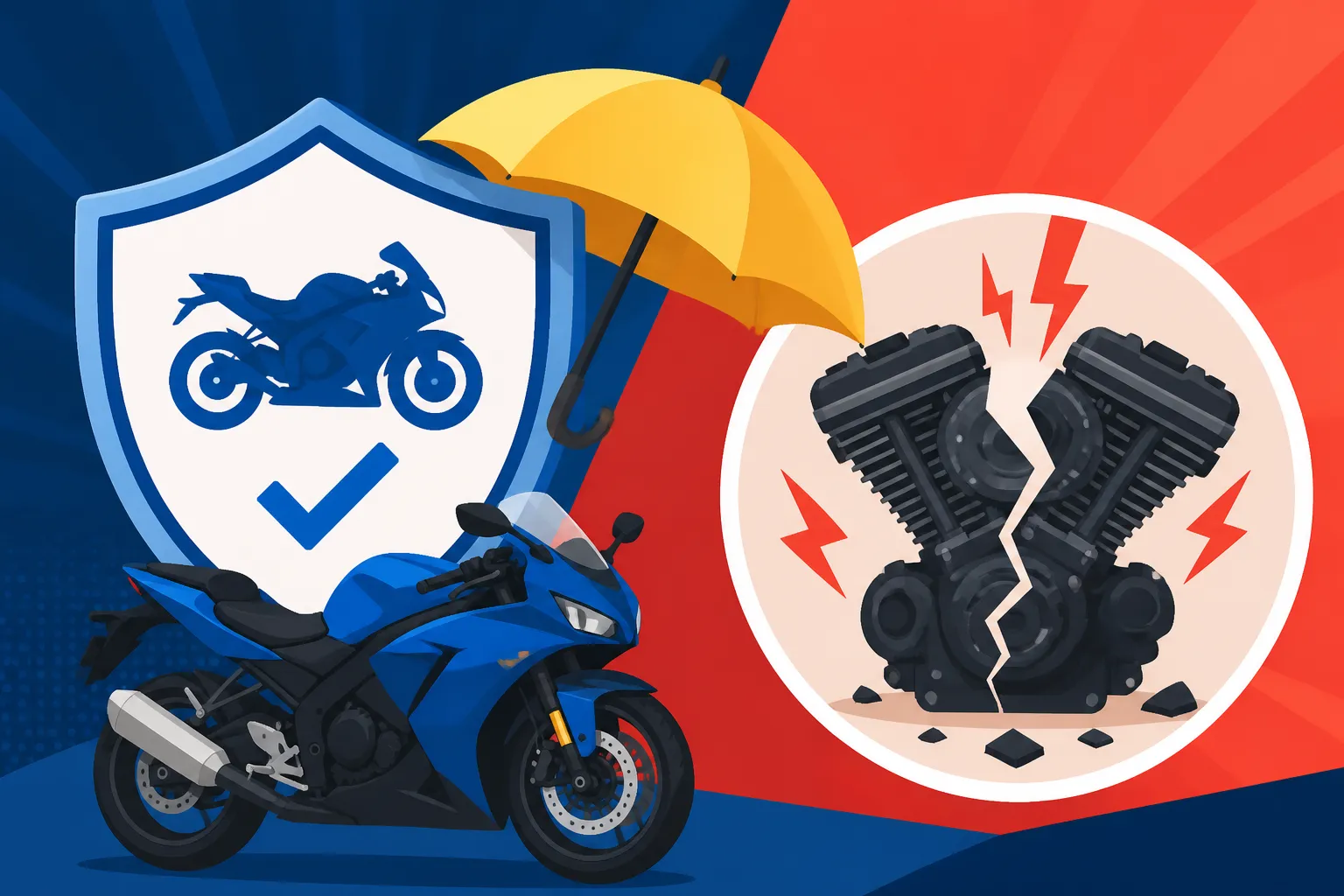
Let's be blunt right from the start: standard motorcycle insurance policies generally do not cover engine failure that results from mechanical breakdown, wear and tear, or manufacturing defects. I know, it's a tough pill to swallow, especially when you're staring down a repair bill that could easily rival a used bike's price tag. Many riders mistakenly assume that "full coverage" means everything is covered, but that's simply not the case when it comes to the inner workings of your engine.
Motorcycle insurance is designed primarily to cover damages that occur from sudden, accidental, and external events. Think collisions, theft, vandalism, or damage from natural disasters. It's not a warranty or a maintenance plan. If your engine seizes up because of a faulty oil pump, a timing belt snaps due to old age, or a gasket blows out after years of riding, your typical policy, even one offering what's commonly referred to as What Does Full Coverage Motorcycle Insurance Mean? , won't usually pay for the repairs. This can be a huge frustration, especially for riders who are diligent with their maintenance but still face an unexpected catastrophic failure.
Understanding What Insurance Is Designed For
To truly grasp why engine failure isn't typically covered, it helps to understand the fundamental purpose of insurance. Insurance is a contract where you pay premiums in exchange for financial protection against specific risks outlined in your policy. These risks are usually unpredictable and accidental occurrences. Mechanical failures, while certainly unpredictable in their timing, are often considered a part of the inherent risk of owning and operating a complex machine, subject to wear and tear over time.
For instance, if you get into a fender bender because another driver didn't see you, your collision coverage kicks in to repair your bike (and potentially your liability coverage for the other driver's damages). If your bike is stolen from your garage overnight, your comprehensive coverage will help you replace it. These are all external events. Engine failure, in its purest sense of a breakdown due to internal mechanical issues, falls outside that scope for most insurers like Progressive or Geico. They view these issues as maintenance or manufacturing concerns, not accidental damage in the insurance sense.
The Fine Print and Exclusions
Every insurance policy comes with a list of exclusions, and "mechanical breakdown" or "wear and tear" are almost always at the top of that list for good reason. Imagine if insurance companies covered every internal engine issue; the premiums would skyrocket to unsustainable levels for everyone. It would essentially turn insurance into an indefinite extended warranty, which isn't what it is.
It's crucial to sit down and read through your policy documents, especially the sections detailing what's not covered. Terms like "latent defect," "gradual deterioration," or "failure due to faulty parts or workmanship" are common phrases you'll find that explicitly exclude engine failures that aren't tied to an insured event. Don't just gloss over these; they're the key to understanding your protection. If you're ever unsure, don't hesitate to call your insurance provider and ask for clarification, or check out resources on sites like The Zebra for more general insurance explanations. Knowing exactly What's Not Covered by Motorcycle Insurance? can save you a lot of heartache down the road.
When Your Engine Might Be Covered by Motorcycle Insurance
While direct mechanical engine failure is usually excluded, there are specific scenarios where your motorcycle insurance could step in to cover engine damage. These situations always tie back to the engine damage being a direct result of a covered peril defined in your policy.
Damage from a Covered Collision
This is perhaps the most common situation where engine damage might see coverage. If you're involved in a collision—whether with another vehicle, a stationary object, or even if you lay your bike down yourself—and the impact damages the engine, your collision coverage would typically pay for those repairs.
For example, let's say you misjudge a corner on a back road in the Appalachian Mountains and hit a guardrail. The impact bends the frame, cracks the engine casing, and causes internal engine damage. Because the engine damage was a direct consequence of the collision, your collision insurance would likely cover the costs to repair or replace the engine, up to your policy limits and after your deductible. The same applies if another driver T-bones you at an intersection in downtown Austin, and the force of the impact shatters your engine block. This is a clear-cut case of an accidental external event causing the damage.
Damage from Comprehensive Perils
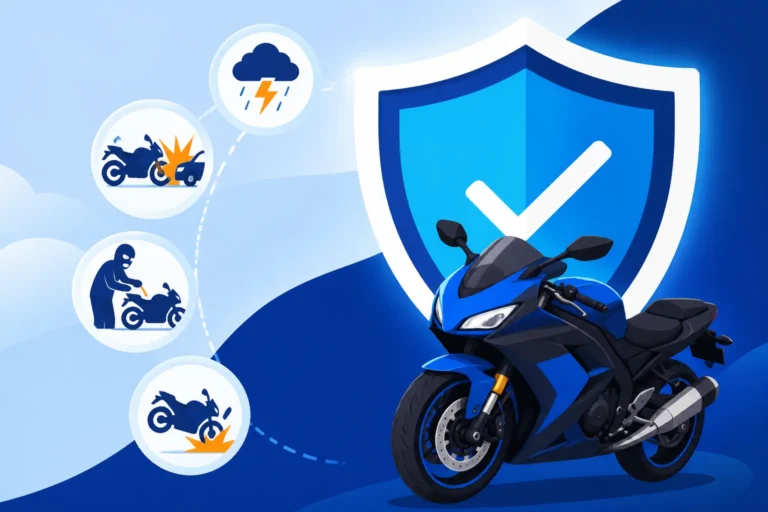
Comprehensive coverage is your safety net for non-collision events. While it doesn't cover mechanical breakdown, it does cover a wide range of other unexpected perils that could potentially damage your engine.
Here are a few examples:
- Fire: If your motorcycle catches fire, say due to an electrical short or an external source, and the fire destroys or severely damages your engine, comprehensive coverage would kick in. Imagine your bike parked in your garage in Phoenix, Arizona, and an electrical fire breaks out, engulfing your prized Harley-Davidson. Your comprehensive policy would cover the engine damage resulting from that fire. This is why it's so important to have robust coverage, and it makes sense to understand Does Motorcycle Insurance Cover Fire Damage?.
- Theft: If your entire motorcycle is stolen and later recovered, but the thieves attempted to hotwire it, damaged the engine in the process, or even stripped it for parts, comprehensive coverage would typically pay for the repairs or replacement of the engine components. If your custom Kawasaki Ninja is snatched from a busy street in Miami and found days later with a blown engine from a joyride, your comprehensive coverage would likely handle the repair.
- Vandalism: If someone intentionally vandalizes your motorcycle and causes damage to the engine (e.g., pouring sugar in the gas tank, puncturing the oil pan), comprehensive coverage would usually cover the cost of repairs. While less common for engine-specific damage, it's possible.
- Natural Disasters: Events like floods, hail, or falling objects (like a tree limb during a storm) that damage your engine would fall under comprehensive coverage. If a sudden flash flood in Nashville submerges your bike, leading to water intrusion and irreparable engine damage, comprehensive coverage would be your ally. This type of coverage is part of what makes up Types of Motorcycle Insurance Coverage Explained.
In all these cases, the key is that an external, covered event directly caused the engine damage, not an internal mechanical failure. When you're filing a claim, the insurance adjuster will carefully investigate the cause of the damage to determine if it falls under a covered peril. For guidance on navigating this, see How to File a Motorcycle Insurance Claim.
What Motorcycle Insurance Typically Doesn't Cover
It's vital to clearly distinguish between covered perils and the common scenarios where engine failure is explicitly excluded. Understanding these limitations helps manage expectations and explore alternative protection.
Standard Mechanical Breakdowns and Wear and Tear
This is the big one. Your insurance policy is not a warranty. If your engine simply gives out because of:
- Age and Mileage: An engine with 100,000 miles is more prone to failure than one with 10,000 miles. Parts wear out, seals degrade, and components fatigue. This is considered expected wear and tear.
- Internal Component Failure: A connecting rod snapping, a valve spring breaking, a piston seizing, or a crankshaft failing are all examples of internal mechanical breakdowns that are almost universally excluded.
- Lack of Maintenance: If you neglect oil changes, fail to address a known issue, or perform poor repairs yourself, leading to engine failure, insurance won't cover it. They expect you to maintain your vehicle reasonably.
- Manufacturing Defects: If your engine fails prematurely due to a flaw in its design or assembly from the factory, that's a warranty issue with the manufacturer or dealership, not an insurance claim.
Let's say you're riding your beloved touring bike through Big Sur, and suddenly, the engine starts knocking violently and then dies. You pull over, and a mechanic later tells you a main bearing failed due to years of stress. Your standard motorcycle insurance policy isn't going to cover that $5,000 engine rebuild. This is purely a mechanical issue.
Negligence and Illegal Modifications
Beyond typical mechanical breakdowns, your insurance company can also deny claims if they find evidence of negligence or certain illegal modifications contributing to the failure.
- Racing or Stunt Riding: If you participate in unsanctioned racing, track days without specific track day coverage, or engage in stunt riding, and your engine fails as a result, your policy will likely not cover it. Many policies have exclusions for "competitive events" or "off-road use" if your bike isn't specifically insured for that.
- Illegal Modifications: While custom parts coverage exists for many riders (check out Does Motorcycle Insurance Cover Custom Parts?), some extreme or illegal modifications that directly contribute to engine failure could void coverage. For instance, if you've heavily modified your engine for performance beyond what's safe or legal, and that modification causes a catastrophic failure, your insurer might deny the claim.
- Using the Wrong Fuel/Fluids: Accidentally putting diesel in a gasoline engine or using the wrong type of oil can cause severe engine damage. This is generally considered negligence and would not be covered.
In essence, insurance companies expect you to operate your motorcycle responsibly and within the bounds of its intended use. Any actions that significantly increase the risk of mechanical failure outside of normal operation can be grounds for denial.
Beyond Standard Insurance: Other Ways to Protect Your Engine
Since standard motorcycle insurance rarely covers mechanical engine failure, it's wise to explore other avenues to protect yourself from potentially crippling repair costs. These options can provide peace of mind, especially if you own a new or expensive bike.
Extended Warranties
An extended warranty (often called a vehicle service contract) is essentially an insurance policy against mechanical breakdowns. These are typically purchased from the motorcycle manufacturer, the dealership, or a third-party provider when you buy the bike or while it's still relatively new.
Pros of Extended Warranties:
- Covers Mechanical Failures: Unlike standard insurance, extended warranties are specifically designed to cover the cost of repairs for mechanical and electrical failures after the factory warranty expires. This includes engine components.
- Peace of Mind: Knowing you're covered for unexpected, expensive repairs can reduce financial stress.
- Transferable: Many extended warranties are transferable to a new owner, which can increase the resale value of your motorcycle.
Cons of Extended Warranties:
- Cost: They can be quite expensive, sometimes adding hundreds or even thousands to the overall cost of your bike.
- Exclusions and Deductibles: Just like insurance, extended warranties have exclusions (e.g., wear and tear items, maintenance parts) and often come with a deductible per repair visit.
- Provider Reliability: If buying from a third-party, research their reputation carefully. Some less reputable companies may make it difficult to get claims paid.
- Limited Coverage: Coverage might only be for specific components or require repairs at authorized dealerships.
When considering an extended warranty, read the contract very carefully. Understand what's covered, what's excluded, the deductible, and the repair process. Compare offerings from the manufacturer (like Harley-Davidson's extended service plan) with reputable third-party providers. Sites like The Zebra can sometimes point you to resources for understanding these options better.
Mechanical Breakdown Insurance (MBI)
Mechanical Breakdown Insurance (MBI) is another option, though it's less common for motorcycles than cars and often offered by specific insurers or credit unions. It's similar to an extended warranty but is regulated as insurance.
How MBI Works:
- Coverage: MBI typically covers repairs for major mechanical systems (engine, transmission, drivetrain) that fail due to reasons other than collision or comprehensive perils.
- Availability: You might be able to add MBI as an endorsement to your existing auto or motorcycle insurance policy with some carriers, but it's not universally offered for bikes.
- Cost: It's usually cheaper than an extended warranty, often paid monthly as part of your premium.
- Requirements: Often, your motorcycle must be relatively new and low-mileage to qualify.
If MBI is available for motorcycles in your state, it could be a cost-effective alternative to an extended warranty, offering similar protection for your engine and other critical components. It's definitely worth inquiring about with your current insurer or when you're comparing quotes.
Important Considerations for Engine Longevity and Insurance
Beyond what your insurance policy may or may not cover, there are proactive steps every rider can take to maintain their motorcycle's engine and potentially mitigate the risk of catastrophic failure. These actions not only save you money but also keep you safer on the road.
Regular Maintenance is Your Best Defense
This can't be stressed enough: regular, diligent maintenance is the single most important factor in extending your engine's life and preventing unexpected breakdowns. Think of it as your personal, proactive "engine insurance."
- Follow Manufacturer's Schedule: Your motorcycle's owner's manual isn't just a suggestion; it's a meticulously engineered guide. Adhere to all recommended service intervals for oil changes, filter replacements (oil, air, fuel), spark plugs, valve adjustments, and fluid checks. Using the correct type and weight of oil is paramount.
- Listen to Your Bike: Pay attention to unusual noises, vibrations, smells, or warning lights. A small issue caught early (like a slight oil leak or a strange tapping sound) can prevent a major, expensive failure down the line. Don't ignore the check engine light!
- Pre-Ride Checks: A quick walk-around and check of fluids, tires, lights, and controls before each ride can catch issues before they become problems. Are there any drips under the bike? Is the oil level correct? These simple checks are part of being a responsible rider.
Investing in quality parts and having your motorcycle serviced by a reputable mechanic can also make a huge difference. While a shop like Cycle Gear or a dealership might be a bit more expensive for parts or service, the peace of mind knowing the work is done correctly is priceless.
Understanding the "Total Loss" Scenario
Even if your engine isn't directly covered for mechanical failure, severe engine damage from a collision or comprehensive event could lead to your motorcycle being declared a "total loss." This means the cost to repair the damage (including the engine) exceeds a certain percentage of the bike's actual cash value (ACV).
If your bike is totaled, your insurance company will pay you the ACV of your motorcycle (minus your deductible), regardless of whether the damage was to the engine, frame, or other major components. This payout can then be used to purchase a new motorcycle. Understanding What Happens When Your Motorcycle Is Totaled? is critical for every rider.
| Coverage Type | Covers Engine Failure from… | Excludes Engine Failure from… |
|---|---|---|
| Collision | Accidents (impact, laying bike down) | Mechanical breakdown, wear & tear, defects |
| Comprehensive | Fire, theft, vandalism, flood, hail, animal strikes | Mechanical breakdown, wear & tear, defects |
| Liability | Does not cover your bike's engine at all | N/A |
| Extended Warranty | Mechanical/electrical failures (specific components) | Wear & tear, maintenance, pre-existing issues, owner negligence |
| MBI | Mechanical failures (specific components) | Wear & tear, maintenance, pre-existing issues, collision/comp |
Choosing the Right Coverage for Your Needs
When you're looking at your policy or shopping for new insurance, don't just focus on the cheapest premium. Consider the specific coverages you have and how they align with your riding habits and the value of your bike. For a new, expensive motorcycle, comprehensive and collision coverage are almost always a must, even if they don't cover internal engine failure. They protect you from the vast majority of external risks.
When working with an insurance provider or a comparison site like The Zebra, take the time to ask detailed questions about all available coverage options. While they might not offer MBI directly for motorcycles, they can help you understand the other protections available. Think about your tolerance for risk and your financial ability to absorb a major repair bill. If a $5,000 engine rebuild would be financially devastating, then exploring an extended warranty or MBI becomes even more critical. Getting the right advice on How to Buy Your First Motorcycle Insurance Policy can set you on the right path.
Understanding the limits of your motorcycle insurance for engine failure is a crucial part of being a well-informed rider. While standard policies won't cover a spontaneously failing engine, they are there for you when external, accidental events cause engine damage. By combining smart insurance choices with diligent maintenance, you can protect your ride and keep that engine humming for years to come.
Disclaimer
Please remember that this article provides general information about motorcycle insurance and engine failure. Insurance policies can vary significantly by provider, state, and individual circumstances. It is crucial to review your specific policy documents, contact your insurance agent, or consult with a qualified insurance professional to understand the exact terms, conditions, coverages, and exclusions of your motorcycle insurance policy.