Does Motorcycle Insurance Cover Tire Blowout Damage?
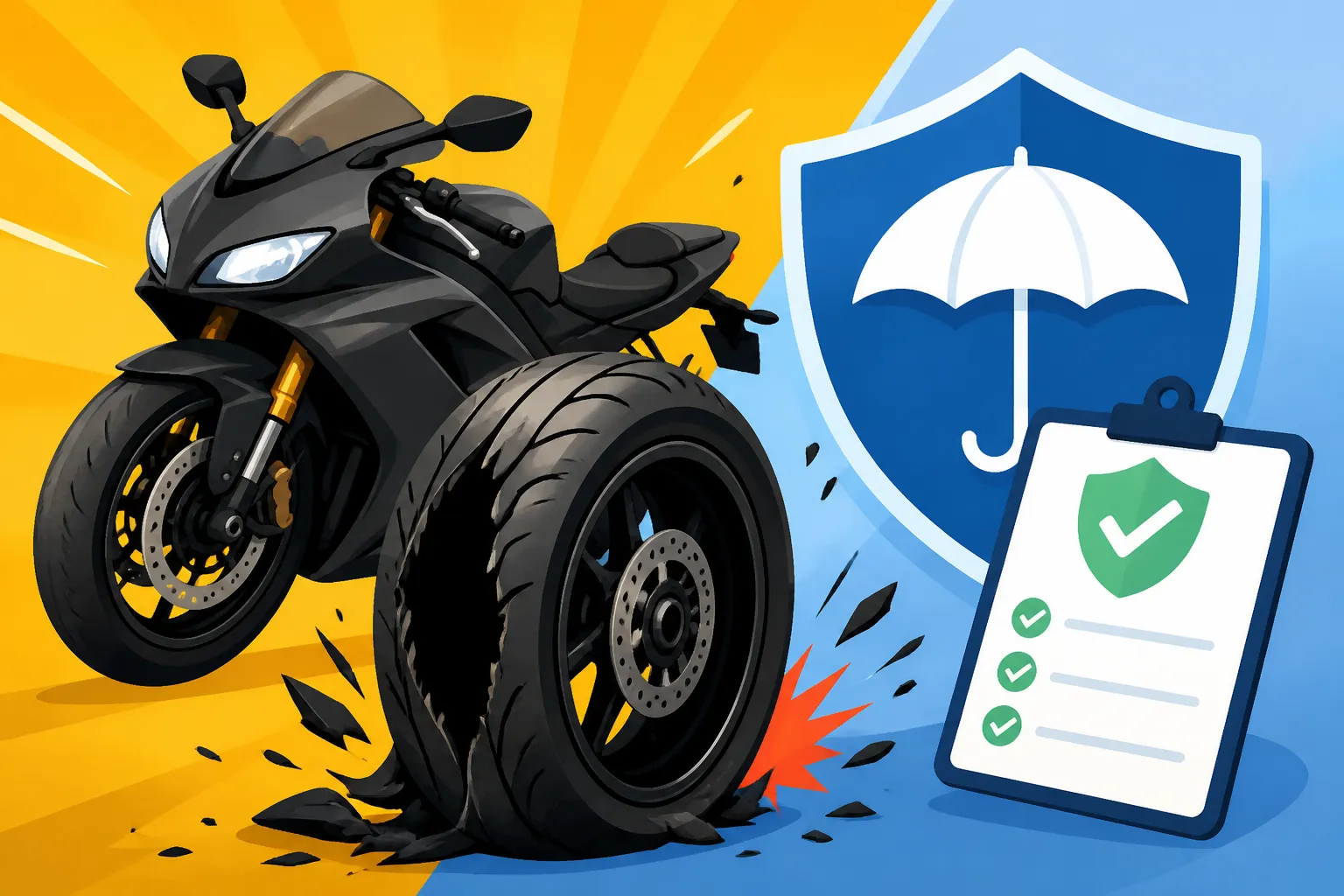
There's nothing quite like the open road on two wheels, is there? But that feeling of freedom can turn into a heart-stopping nightmare in an instant if you experience a tire blowout. One moment you're cruising, the next your bike is fighting for control, and your mind races: "Is my motorcycle okay? Am I okay? And critically, will my insurance even cover this mess?" It’s a frustrating moment of vulnerability, and trying to decipher policy jargon when you're shaken up is the last thing you need. This guide is here to shed some light on whether motorcycle insurance typically covers tire blowout damage, what types of coverage might kick in, and what steps you should take to protect yourself and your investment.
Understanding What Causes Tire Blowouts on a Motorcycle
Before we dive into the nitty-gritty of insurance, let's talk about what actually causes a tire to explode. It's rarely just "bad luck" in a vacuum; there are usually underlying factors, and understanding them can not only help you prevent them but also understand how your insurance might view the incident.
Common Causes of Tire Blowouts
Motorcycle tires are pretty robust, but they're not invincible. Several common culprits can lead to that sudden, terrifying loss of air pressure. The most frequent issue we see is underinflation. When a tire doesn't have enough air, its sidewalls flex excessively, generating an enormous amount of heat. This heat can break down the tire's internal structure, leading to tread separation and, eventually, a catastrophic blowout. It's a silent killer, slowly weakening the tire until it gives out, often at highway speeds.
Another significant cause is road hazards. Picture this: you're riding through construction, or perhaps on a less-than-perfect back road, and you hit a sharp piece of metal, a deep pothole, or even just some particularly nasty debris. These impacts can puncture the tire, of course, but a severe enough impact can also cause internal damage that doesn't immediately manifest. Later, at speed, that weakened spot can rupture. Less commonly, overinflation can also be an issue, though it's more likely to cause a bulge or uneven wear than a blowout, it still compromises the tire's integrity. Also, just plain old or damaged tires are a huge risk. Tires degrade over time due to UV exposure and age, even if they have plenty of tread. Dry rot, cracks in the sidewalls, or previously repaired damage can all lead to a sudden failure. Finally, overloading your motorcycle beyond its weight capacity can put undue stress on the tires, particularly on long trips or with a passenger and luggage. It's a lot to keep in mind, but knowing these common causes helps in understanding the aftermath.
The Immediate Aftermath and Rider's Dilemma
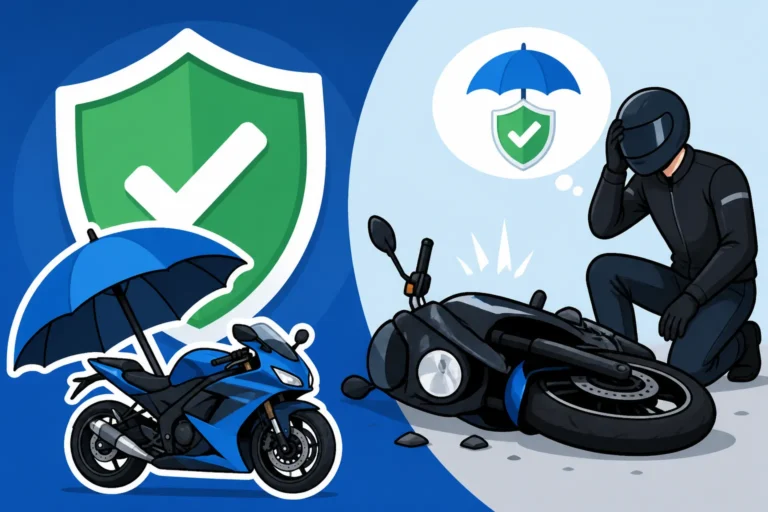
When a tire blows out, especially on a motorcycle, the world changes in an instant. The bike will likely swerve, wobble violently, and become incredibly difficult to control. Your primary focus, naturally, is on keeping yourself upright and bringing the motorcycle to a safe stop. It’s a moment of pure adrenaline and survival instinct. Once you're safely off the road and your heart rate starts to return to normal, the reality of the situation hits. You might see a mangled tire, but the damage often extends far beyond that.
The immediate dilemma is not just about the tire, but about what the sudden failure caused. Did the bike weave into a guardrail? Did you slide and lay it down? Is there damage to the swingarm, fender, wheels, or suspension from the sudden impact or loss of control? These are the crucial questions that determine which parts of your motorcycle insurance policy might come into play. A simple tire replacement can be an out-of-pocket expense, but extensive damage to your bike's components can quickly become a five-figure repair bill.
Decoding Motorcycle Insurance Coverage for Tire Blowouts
This is where things can get a little tricky, and it's why so many riders are left scratching their heads. Unlike a car, where a flat tire might just mean a quick swap, a motorcycle tire blowout has potentially far more serious consequences for both rider and machine.
Comprehensive Coverage and Tire Blowouts
Let's talk about comprehensive coverage first. Many riders mistakenly think "full coverage" means everything, but it's important to understand the specific components, as explained in our guide on Types of Motorcycle Insurance Coverage Explained. Comprehensive coverage is typically designed to protect your motorcycle from damage not caused by a collision with another vehicle or object. Think of things like theft, vandalism, fire, natural disasters (hail, floods), or hitting an animal. In the context of a tire blowout, comprehensive coverage might step in if the blowout was caused by something external and unavoidable, like striking a deer or running over a significant piece of debris that wasn't part of the road itself.
For example, if you're riding down a highway and a piece of metal flies off a truck in front of you, piercing your tire and causing a blowout, the subsequent damage to your motorcycle (not just the tire) might be covered under comprehensive. The key here is the cause being something unexpected and outside your control, often referred to as "other than collision." However, if your tire simply fails due to wear and tear, age, or a slow leak you didn't notice, comprehensive coverage generally won't cover the cost of the tire itself, nor any damage caused by that internal failure. It's designed for external, non-collision events.
Collision Coverage and Tire Blowouts
Now, let's consider collision coverage. This part of your policy is specifically for damage to your motorcycle that results from colliding with another vehicle or object, or from the bike rolling over. This is often where tire blowout damage can find coverage, but again, with a significant caveat. If your tire blows out and, as a direct result of that blowout, you lose control and crash into a guardrail, a tree, or even just slide the bike across the pavement, the damage from that collision would typically be covered under your collision policy.
So, if the blowout itself causes an accident, collision coverage will pay for the repairs to your motorcycle (minus your deductible, of course). It won't, however, pay for the failed tire itself if the tire simply wore out or had a slow leak. It's about the damage resulting from the collision, not the cause of the loss of control if that cause was internal to the tire. This distinction between comprehensive and collision coverage is crucial when discussing What Does Full Coverage Motorcycle Insurance Mean? and understanding what protections you truly have.
Roadside Assistance and Tire-Related Issues
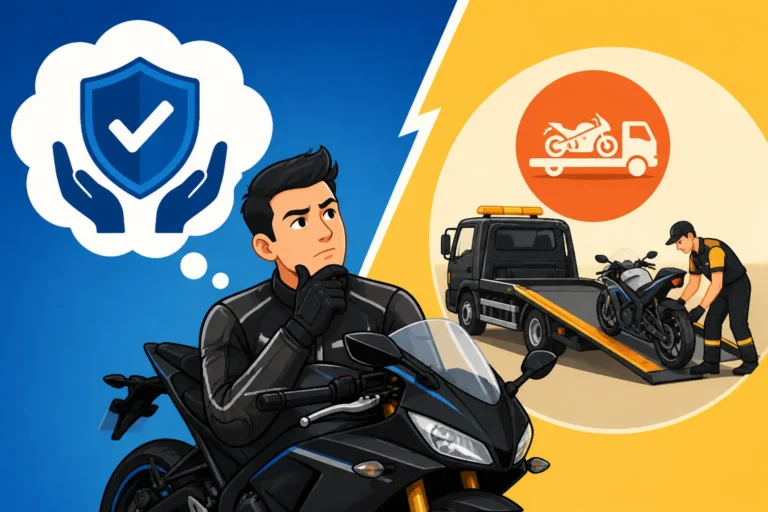
For many riders, the most practical and immediate solution for a tire blowout isn't comprehensive or collision, but rather a dedicated roadside assistance add-on. This is usually an optional coverage that can be incredibly valuable, especially for a problem like a tire blowout. While it won't pay for the repair of your motorcycle from a crash, it will cover the cost of towing your bike to the nearest repair shop or a safe location.
Imagine you're miles from home, on a Sunday afternoon, and your rear tire suddenly shreds. Without roadside assistance, you're left scrambling to find a tow truck, which can be expensive and difficult to arrange, particularly if you're in a remote area. With roadside assistance, a simple call connects you to services that can dispatch help, often covering the towing fee up to a certain distance. Some policies even offer tire hazard protection as a separate add-on, which is specifically designed to replace or repair tires damaged by road hazards, regardless of whether it caused an accident. This is an important distinction to check when looking into Roadside Assistance & Towing for Motorcycles. This type of specific coverage is more likely to cover the tire itself than standard comprehensive or collision.
When Insurance Doesn't Cover Tire Blowouts
It's important to be realistic about what motorcycle insurance won't cover. Generally, normal wear and tear is not covered. Your tires are consumable items, just like brake pads or oil. If a tire blows out because it's simply bald, old, or has slowly deteriorated over time, your standard policy isn't going to pay for a new one. That's part of regular maintenance and ownership.
Similarly, if the blowout is due to a manufacturing defect, that's typically a warranty issue with the tire manufacturer, not an insurance claim. You'd contact the tire company or the dealership where you bought the tires to explore warranty options. Finally, negligence can play a role. If you were riding on tires that were visibly unsafe (e.g., severely cracked, bald, or obviously damaged) and a blowout occurs, the insurance company might argue that you were negligent in maintaining your vehicle, potentially impacting a claim for damages to the bike. This is why regular inspections and proper tire pressure are so vital, not just for safety but also for ensuring your policy remains valid if an incident occurs. Being a responsible rider impacts more than just your safety; it can also affect your claims process and potentially your overall Motorcycle Insurance Cost by Bike Type or How to Get Cheap Motorcycle Insurance in the long run.
Navigating a Tire Blowout Claim: Steps and Considerations
Okay, so the worst has happened, and you’ve experienced a tire blowout. What do you do next, and how do you navigate the sometimes confusing world of insurance claims? It might feel overwhelming, but having a clear plan can make a huge difference.
What to Do Immediately After a Blowout
Safety is always the number one priority. After the initial scare, focus on safely pulling over to the side of the road, away from traffic. Once you're in a secure location, and only then, assess yourself for injuries. Even minor bumps and bruises should be noted. Next, assess the damage to your motorcycle. Take photos and videos of everything: the blown-out tire, any road debris, skid marks, and all visible damage to your bike – from the wheel and fender to the swingarm and fairings. Get multiple angles and close-ups. This visual evidence will be invaluable when you file your claim.
If the blowout led to a collision with another vehicle or object, or if there are significant injuries, you absolutely need to contact the police and file a report. Even if it feels minor, a police report provides an official, third-party account of the incident, which can be crucial for your insurance claim. Exchange information with any other parties involved, even if they just witnessed the event. Finally, if your bike is immobile, contact your roadside assistance provider or arrange for a tow. Remember, preserving the scene as much as possible before the bike is moved can help your adjuster understand what happened. For a more general guide, you can always refer to our article on What to Do After a Motorcycle Accident Insurance Steps.
Filing a Claim and What to Expect
Once you’re safe and have documented everything, it’s time to contact your insurance company. This needs to be done promptly. You can usually start the process by calling their claims department or using their online portal or mobile app. Be prepared to provide all the details you gathered: date, time, location, cause (as best you understand it), and a description of the damage. Send them all your photos and videos.
An insurance adjuster will be assigned to your case. Their job is to investigate the incident and determine what coverage applies. They’ll review your policy, examine the evidence you provided, and possibly inspect your motorcycle in person. They might ask for repair estimates. This is where the distinction between comprehensive and collision really matters. You'll need to clearly explain how the blowout led to the damage for which you are seeking coverage. If you simply need a tow and a new tire due to a hazard, you’d emphasize your roadside assistance or specific tire protection if you have it. If the blowout caused you to crash, you'd be looking at a collision claim. The process of How to File a Motorcycle Insurance Claim can sometimes feel like an uphill battle, but clear communication and thorough documentation are your best allies.
Evaluating Your Policy and Specific Endorsements
This is probably the most overlooked step, and it’s one you can take before anything goes wrong. Dig out your motorcycle insurance policy – that thick packet of paper or PDF – and read through your declarations page and the fine print. Pay close attention to your comprehensive and collision deductibles, as these will apply if those coverages are utilized. More importantly, check for any specific add-ons or endorsements related to tires.
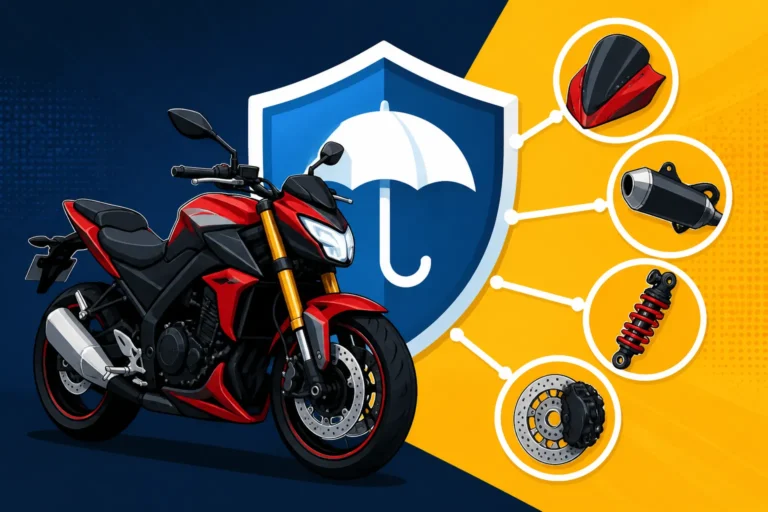
Some insurance companies, like Progressive, Dairyland, or Markel, offer specialized Tire & Wheel Protection or Road Hazard Coverage as an optional add-on. This type of endorsement is explicitly designed to cover the repair or replacement of tires and wheels damaged by road hazards such as potholes, nails, glass, or other debris. Without this specific coverage, the cost of just replacing a tire (without any collateral damage to the bike from a resulting accident) is almost always an out-of-pocket expense, unless your roadside assistance covers the tire itself. If you financed your bike, your lender might even require certain levels of comprehensive and collision coverage, but these specific tire endorsements are usually optional. Being proactive and understanding your policy before an incident occurs can save you a lot of grief and unexpected costs later on.
Here's a quick look at how different coverages generally apply to tire blowouts:
| Coverage Type | What it Generally Covers | When it Kicks In for Blowouts | What it Doesn't Cover |
|---|---|---|---|
| Comprehensive | Damage from non-collision events (theft, fire, vandalism, animal strikes, flying objects). | If a flying object or animal causes the blowout, leading to bike damage. | Blowout due to wear/tear, poor maintenance, manufacturing defect. Damages from crashing into an object. |
| Collision | Damage from colliding with another vehicle or object, or rolling over. | If the blowout causes you to lose control and crash into an object or lay the bike down. | The cost of the blown-out tire itself (if not caused by a covered collision). Blowout due to wear/tear. |
| Roadside Assistance | Towing, flat tire changes, fuel delivery, battery jump-starts. | Towing your bike to a repair shop after a blowout renders it inoperable. | The cost of the new tire, or repairs to your motorcycle from a crash. |
| Tire & Wheel Protection (Add-on) | Repair/replacement of tires/wheels damaged by road hazards. | When a road hazard (nail, pothole, debris) causes the tire to fail. | Wear and tear, manufacturing defects, damage from racing or off-road use (check policy). |
Preventing Tire Blowouts and Protecting Your Ride
The best defense is a good offense, right? When it comes to tire blowouts, prevention is definitely worth a pound of cure. Taking a few proactive steps can save you from a dangerous situation and a potential headache with your insurance company.
Essential Tire Maintenance Practices
Regular tire maintenance is not just a recommendation; it's a critical safety measure and a smart way to protect your investment. The single most important thing you can do is check your tire pressure regularly. I mean it, every single ride if you can, or at least once a week. Underinflation is the leading cause of tire failure. The correct pressure isn't a guess; it's listed in your motorcycle's owner's manual and often on a sticker on the swingarm. Don't rely solely on visual inspection – a tire can be significantly underinflated and still look "fine." A quality tire gauge is a cheap investment that pays dividends.
Beyond pressure, perform visual inspections before every ride. Look for embedded objects (nails, screws), cracks in the sidewalls (especially near the rim), bulges, or uneven wear patterns. Check your tread depth regularly. Most tires have wear indicators, small bars in the grooves that become flush with the tread when it's time for replacement. Don't push it. Worn tires are not only prone to blowouts but also dramatically reduce grip, especially in wet conditions. If you notice persistent slow leaks, get them checked by a professional immediately. Patching a motorcycle tire is possible for certain punctures, but a reputable shop will tell you if the damage is too severe for a safe repair. You want to ensure that your bike is always in top condition, which also plays a role in What Affects Your Motorcycle Insurance Rate? since safe riding habits can lead to lower premiums over time.
Choosing the Right Tires and Riding Habits
When it comes time to replace your tires, don't skimp on quality. Invest in good quality tires that are appropriate for your riding style and the type of motorcycle you own. Different bikes (sportbikes, cruisers, touring bikes) require different tire compounds and construction for optimal performance and safety. Always ensure the new tires meet or exceed the manufacturer's speed and load ratings for your motorcycle. An experienced technician can help you choose the best options, and proper installation and balancing are just as important as the tire itself.
Your riding habits also play a huge role. While you can't control every pothole, you can certainly practice defensive riding. Be vigilant about road hazards, especially after rain or in construction zones. Scan the road ahead, not just what's directly in front of your wheel. Avoid unnecessarily hard braking or acceleration, which can prematurely wear out tires. And if you have a passenger or are loading up for a trip, remember to adjust your tire pressure accordingly (check your manual!) and stay within your bike's specified weight limits. If you're looking to compare different policies or add-ons like tire and wheel protection, using comparison tools like The Zebra can help you see which providers offer these specific benefits and at what cost, allowing you to tailor your coverage to your needs. This proactive approach to both maintenance and coverage is key to enjoying the ride with peace of mind. For those looking at a more in-depth comparison of policies, you might want to read about Collision vs Comprehensive Motorcycle Coverage to understand their roles more thoroughly.
Disclaimer
Please remember that insurance policies can vary significantly based on your state, the specific insurer, and the details of your individual policy. The information provided here is for general guidance only and should not be considered legal or professional insurance advice. Always consult your policy documents or speak directly with your insurance agent to understand your specific coverage terms and conditions.