Does Motorcycle Insurance Cover a Cracked Fairing?
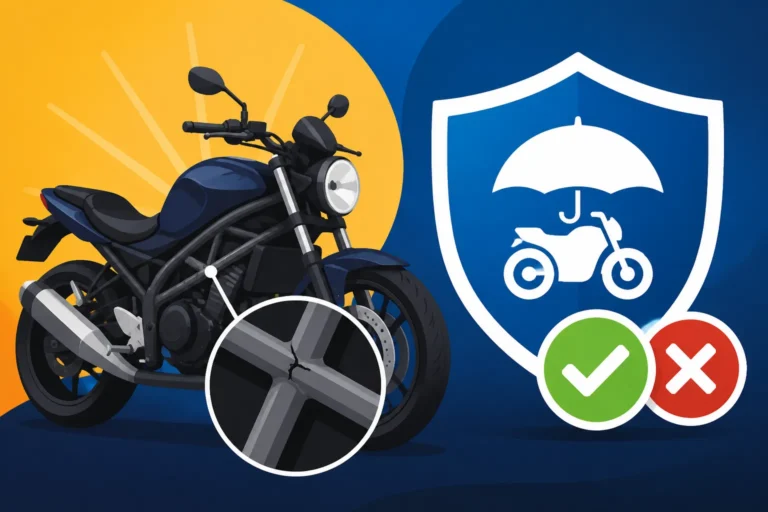
There’s almost nothing that makes a motorcyclist’s heart sink faster than walking up to their bike and seeing that tell-tale spiderweb crack or a piece missing from their beloved fairing. It’s more than just cosmetic; a cracked fairing can feel like a direct hit to your pride and your wallet. If you’ve ever wondered if your motorcycle insurance will actually cover that damage, you’re in the right place. We're going to break down exactly what types of coverage come into play and what you need to know to get that fairing looking pristine again.
The Heartbreak of a Cracked Fairing: What Causes It?
That beautiful, aerodynamic piece of plastic (or carbon fiber, if you're lucky!) that shields you from the wind and gives your bike its distinctive look is also one of the most vulnerable parts. It's often the first thing to make contact in a mishap, and repairs can be surprisingly costly. Understanding how fairings get damaged is the first step to knowing how your insurance might respond.
Low-Speed Drops and Parking Lot Woes
Let's be real, it happens to the best of us. You're just pulling into a parking spot, maybe a little off-balance, or you forget to put the kickstand down fully, and thump. Your bike takes an unplanned nap on its side. Or perhaps you're backing it out of the garage, and you misjudge the clearance to a wall. These low-speed drops, often affectionately called "garage tip-overs" or "parking lot drops," are excruciatingly common. While the overall damage might seem minor compared to a high-speed crash, fairings, mirrors, and sometimes handlebars are usually the first to suffer. A seemingly small crack can propagate over time, and a scuff might be deeper than it appears, requiring professional repair or even full panel replacement to maintain structural integrity and aesthetics.
Accident Impacts and Road Hazards
Beyond the embarrassing low-speed drop, fairings are, of course, highly susceptible to damage in actual collisions. Whether it's a fender bender at an intersection, a more serious multi-vehicle crash, or even a single-vehicle incident where you lose control and slide, the fairing often bears the brunt of the impact. The force of a collision can cause significant cracking, shattering, or completely detaching sections of the fairing. But it's not just other vehicles you have to worry about. Road hazards can also wreak havoc. Imagine hitting a pothole unexpectedly, and a piece of debris flies up, striking your lower fairing. Or you might encounter loose gravel on a curve, causing a momentary loss of control and a slide that grinds down your side fairing. Even striking an animal, like a deer or a bird, can cause substantial damage to the front fairing and headlights, leaving you with a costly repair bill and a gaping hole where sleek bodywork once was.
Environmental Factors and Vandalism
Sometimes, the damage isn't even from riding. Leaving your motorcycle exposed to the elements can contribute to fairing degradation over time, especially UV rays that can make plastic brittle, leading to cracks, fading, or peeling. Extreme temperature fluctuations can also stress materials. While not usually directly covered for wear and tear, these factors can exacerbate existing minor damage. More insidious, however, is vandalism. You park your bike somewhere, return, and find someone has deliberately scratched, dented, or even kicked your fairing. Or perhaps a tree branch falls during a storm, crushing a section. These unfortunate events are infuriating, leaving you not only with damage but also a sense of violation. Knowing which types of motorcycle insurance coverage come into play for these scenarios is crucial for every rider.
Decoding Your Policy: Which Coverages Help?
When it comes to getting that cracked fairing fixed, it all boils down to the specific types of motorcycle insurance coverage you have. Not all policies are created equal, and what covers one type of damage might not cover another. Let's dig into the core coverages that might save your fairing.
Collision Coverage: Your Go-To for Accident Damage
If your fairing damage is the result of a collision – whether it's with another vehicle, a stationary object like a guardrail or a tree, or even just laying your bike down after an evasive maneuver – then collision coverage is your absolute best friend. This is the part of your policy that pays for damage to your own motorcycle, regardless of who was at fault in the accident.
Think about it: You're cruising down a scenic route in California, and suddenly an SUV cuts you off, forcing you to hit the brakes hard. You manage to avoid the car but lose control and slide, scraping your beautiful front fairing and bending some mounting points. In this scenario, your collision coverage would kick in to pay for the repairs or replacement of your fairing, minus your deductible. It doesn't matter if the other driver was at fault; collision coverage covers your bike's damage from the impact. This is distinct from liability coverage, which only covers damages you cause to other people's property or injuries. Many riders choose this coverage because accidents happen, and repairing a fairing, especially on a sport bike or a touring model, can easily run into the thousands. Without collision coverage, you'd be footing that bill entirely out of pocket.
Comprehensive Coverage: Protection from the Unexpected
Now, what if your fairing gets damaged but there wasn't a collision with another vehicle or object while riding? That's where comprehensive coverage shines. This coverage is designed to protect your motorcycle from "non-collision" events.
For instance, remember those parking lot woes we talked about? If your bike tips over in your garage due to a misplaced kickstand, or if a strong gust of wind blows it over while parked, comprehensive coverage can often cover the resulting fairing damage. It's also the coverage that comes into play if your motorcycle is stolen, or if a falling object, like a tree branch during a storm, smashes your fairing. Vandalism, fire, floods, and even damage from hitting an animal (like that unfortunate deer strike) are typically covered under comprehensive. Let's say you wake up one morning and find your custom-painted fairing has been deliberately scratched and keyed while parked on the street in downtown Austin. Your comprehensive coverage would step in to cover the repair costs, again, after your deductible. It’s a crucial safety net for those unpredictable, frustrating incidents that are entirely outside your control. When weighing your options, especially if you live in an area prone to harsh weather or higher theft rates, comprehensive coverage offers peace of mind that goes far beyond just protecting against accidents on the road.
The Limits of Liability Coverage for Your Own Bike
It's super important to understand that your basic liability coverage, while legally required in most states (you can learn more about specific rules like Is Motorcycle Insurance Required in California? or Motorcycle Insurance Requirements by State (2026 Guide)), will not help you if your own fairing gets cracked. Liability insurance is solely about protecting other people and their property if you're at fault in an accident.
Let's imagine you're riding in Florida, you make a turn a little too wide, and you scrape the side of another car, damaging their bumper. Your liability insurance would pay for their bumper repair (and any medical bills they might incur), up to your policy limits. But if your own fairing gets cracked in that same incident, your liability coverage offers zero protection for your bike. This is a common misunderstanding that catches many riders off guard. If you only carry minimum liability coverage, any damage to your own motorcycle – including that cracked fairing – will be 100% your responsibility to pay for out of pocket. This is why many experienced riders strongly advocate for carrying at least collision and comprehensive coverage, especially if their bike is valuable or difficult to replace. You can learn more about the different Types of Motorcycle Insurance Coverage Explained, and how they fit together.
| Scenario for Cracked Fairing | Applicable Coverage | Deductible Applies? | What it Covers |
|---|---|---|---|
| Accident with another vehicle (you're at fault) | Collision | Yes | Damage to your fairing from the impact. |
| Accident with another vehicle (other driver at fault) | Collision (or other driver's liability) | Yes (for Collision), No (for other driver's liability) | Your Collision covers your fairing, then your insurer may subrogate. If the other driver's liability pays, you typically don't pay your deductible. |
| Single-vehicle accident (e.g., hit guardrail, slid out) | Collision | Yes | Damage to your fairing from hitting the object or sliding on the pavement. |
| Bike tips over while parked (wind, kickstand failure) | Comprehensive | Yes | Damage to your fairing from falling over. |
| Vandalism (someone scratches/keys fairing) | Comprehensive | Yes | Cost to repair or replace the damaged fairing due to malicious acts. |
| Falling objects (tree branch, hail, rock from another vehicle) | Comprehensive | Yes | Damage to your fairing from objects hitting it. |
| Fire or Flood damage to fairing | Comprehensive | Yes | Damage due to fire or water submersion. |
| Fairing damaged due to normal wear and tear or manufacturing defect | Neither | No | Insurance does not cover routine maintenance, cosmetic aging, or manufacturing flaws. |
Beyond the Basics: Understanding Payouts and Customizations
So, you've confirmed you have collision or comprehensive coverage, and it looks like your cracked fairing should be covered. Great! But the story doesn't end there. How much will you actually get paid, and what about all those cool aftermarket parts you’ve added? These details can significantly impact your claim.
Deductibles, Actual Cash Value, and Depreciation
Before your insurance company pays a dime for your fairing repair or replacement, you'll need to pay your deductible. This is the out-of-pocket amount you agreed to when you purchased your policy. For example, if your fairing repair costs $1,500 and your deductible is $500, the insurance company will pay $1,000. It's a standard part of how most claims work, whether you're filing a claim for a dropped or tipped-over bike or something more serious.
Beyond the deductible, the payout amount will largely depend on whether your policy pays out at Actual Cash Value (ACV) or Agreed Value. Most standard motorcycle insurance policies operate on an ACV basis. This means the insurance company will pay the fair market value of your fairing at the time of the loss, minus depreciation. So, if your fairing was new five years ago, it's not going to be valued at what it cost new. It will be valued at what a used fairing of that age and condition would be worth, which can be a real gut-punch for older bikes. This is a major point of frustration for many riders, especially if they've kept their bike in pristine condition. The company will essentially say, "Yes, we'll replace your fairing, but we're going to factor in how much it has aged and worn." This can leave a significant gap between what you get paid and what it actually costs to replace it with a brand-new part.
Protecting Your Bling: Custom Parts and Accessories Coverage
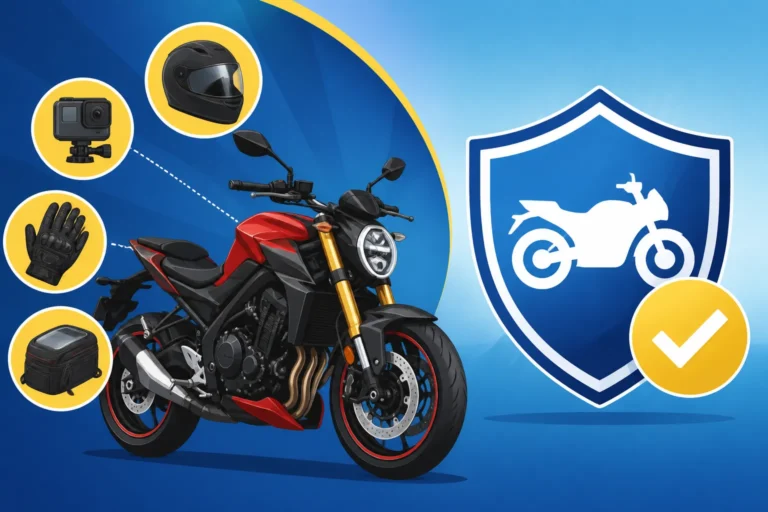
If your cracked fairing isn't a stock part, or if you've added decals, unique paint jobs, or other modifications that attach to it, you need to pay close attention to your custom parts and accessories coverage. Many standard motorcycle policies offer a minimal amount of coverage for custom parts (often $1,000-$3,000) as part of their comprehensive and collision coverage, but this limit might be far too low if you've invested heavily in aftermarket fairings, custom paint, or integrated electronics.
Imagine you've got a sportbike with a full carbon fiber race fairing and a custom airbrushed paint job that set you back several thousand dollars. If this fairing cracks, and your policy only has $2,000 in accessories coverage, you're going to be significantly underinsured. You'd be on the hook for the difference, which could be thousands. This is where you really need to be proactive. Talk to your insurer about increasing your custom parts and accessories coverage. Many companies, like Progressive or Dairyland, offer optional endorsements specifically for this purpose. It’s worth the extra premium to protect your investment. Without adequate coverage, the insurer will only cover the stock replacement cost, or the limited amount on your policy, leaving you to pay for the rest of your personalized fairing yourself. You can delve deeper into this topic by exploring Accessories & Custom Parts Coverage Explained.
The Role of Agreed Value vs. Stated Value
For riders with highly customized, rare, or classic motorcycles, a standard ACV policy can be incredibly disappointing when a claim arises. This is where Agreed Value and Stated Value policies come into play, offering different ways to value your bike's fairing and other components.
Agreed Value is often considered the gold standard for custom bikes. With an agreed value policy, you and your insurer agree on a specific value for your motorcycle (and its custom parts, including the fairing) before the policy is issued. This agreed-upon value is typically based on an appraisal, receipts for custom work, and photographs. If your fairing gets cracked and your bike is deemed a total loss (or the fairing itself needs significant replacement), the insurer will pay out that predetermined amount, minus your deductible, without factoring in depreciation. This removes the guesswork and negotiation that often comes with ACV policies and provides immense peace of mind. For example, if you and your insurer agreed your custom Harley-Davidson Road Glide, with its unique fairing modifications, is worth $35,000, that's what you'll get if it's totaled, rather than a depreciated market value.
Stated Value might sound similar, but it has a crucial difference. With a stated value policy, you declare a value for your motorcycle, but the insurer reserves the right to pay out the lower of the stated value or the actual cash value at the time of loss. This means that while you might "state" a high value, the insurer can still depreciate your bike and its parts (including the fairing) when a claim occurs. It offers less certainty than agreed value and can still leave you on the hook for depreciation.
For custom bikes or classic models where a cracked fairing is a common risk and repairs are specialized, understanding the nuances of Agreed Value vs Stated Value vs Actual Cash Value, and opting for agreed value coverage if available, can make all the difference in a claim payout.
Navigating the Aftermath: Filing a Claim for Fairing Damage
So, you've got a cracked fairing, and you know you have the right coverage. Now what? The claims process can sometimes feel intimidating, but taking the right steps can make it smoother and ensure you get a fair payout for your repairs.
Steps to Take Immediately After Damage Occurs
The moments right after discovering fairing damage can be frustrating, but your actions here are crucial for a successful claim.
First and foremost, ensure your safety and the safety of your motorcycle. If the damage occurred during an accident, move your bike to a safe location if possible. If anyone is injured, seek medical attention immediately. Even for non-collision damage, assess if the bike is safe to ride or if it needs to be towed.
Next, gather as much evidence as you possibly can. This means taking clear, detailed photographs and videos of the damaged fairing from multiple angles. Capture close-ups of the cracks, scrapes, or missing pieces, as well as wider shots that show the entire motorcycle and its surroundings. If another vehicle or person was involved, get their contact and insurance information. If the damage was due to a specific event like a fallen tree, document the scene thoroughly. Note the date, time, and specific location where the damage occurred. If there were any witnesses, get their contact information too. This detailed documentation is invaluable when you officially How to File a Motorcycle Insurance Claim. Don't delay in documenting; memories fade, and conditions change.
Once you have your evidence, contact your insurance company as soon as possible. Most insurers have 24/7 claims hotlines or online portals. Be prepared to provide the details you've gathered, including how the damage occurred and your policy information. The faster you report it, the sooner the claims process can begin. Early reporting is often a requirement of your policy.
Working with Your Insurance Company
Once you've reported the claim, your insurance company will assign an adjuster to your case. This person is responsible for investigating the incident, assessing the damage to your fairing, and determining the payout.
When the adjuster contacts you, be ready to share all the documentation you've collected. They may want to inspect the motorcycle in person or ask for additional photographs. Be honest and thorough in your explanation of what happened. It's often a good idea to get at least one, if not two, estimates for the fairing repair from reputable motorcycle repair shops. Don't just settle for the first quote. If your fairing is custom-painted or made of specialized material, ensure the repair shop has experience with that type of work. Present these estimates to your adjuster. They will review them against their own assessments and may have preferred repair shops they work with.
It's common for there to be some back-and-forth during this stage, especially if there's a discrepancy in repair costs or the valuation of custom parts. This is where your detailed receipts for custom fairings or paint jobs become critical. Be polite but firm in advocating for a fair repair or replacement cost. If the initial offer seems low, explain why, using your estimates and documentation to support your case. If the fairing damage is extensive enough to warrant the bike being considered a total loss, the adjuster will inform you, and you'll then need to understand What Happens When Your Motorcycle Is Totaled?. Remember, the adjuster's job is to protect the insurance company's interests, but you also have a right to a fair settlement based on your policy.
When to Consider Not Filing a Claim
While it's tempting to file a claim for any damage, sometimes it's actually in your best financial interest not to. This is especially true for minor fairing cracks or scrapes.
The primary reason to think twice is your deductible. If the cost to repair your cracked fairing is less than or only slightly more than your deductible, filing a claim might not be worth it. For example, if your deductible is $500 and the repair estimate is $600, you'd only get $100 from the insurance company. Is that $100 worth potentially impacting your insurance rates down the line?
Another factor is the potential impact on your future premiums. Even if it's a comprehensive claim (which often has less impact than an at-fault collision claim), filing a claim can sometimes lead to a rate increase when your policy renews. Insurance companies look at your claims history when calculating premiums, and even minor claims can be a red flag, suggesting you might be a higher risk. You can learn more about What Affects Your Motorcycle Insurance Rate?.
Finally, consider the type of damage. If it's a tiny hairline crack that's purely cosmetic and won't affect the bike's safety or performance, a DIY repair with a fairing repair kit might be a much more cost-effective solution than involving your insurer. Before making a decision, get an honest estimate from a reputable repair shop. Compare that figure to your deductible and consider the potential long-term cost of increased premiums. Sometimes, simply paying out of pocket for a minor fairing repair is the smarter financial move. If you're unsure, you can always get quotes from various companies, like those available on The Zebra, to see how your rates might shift with a claim.
Disclaimer
Please remember that this information is for educational purposes only and is not a substitute for professional legal or insurance advice. Every insurance policy is a contract, and the specifics of your coverage, deductibles, and exclusions will depend on your individual policy terms and the laws of your state. Always consult with your insurance provider directly to understand your coverage fully and before making any decisions regarding your motorcycle insurance.