Does Motorcycle Insurance Cover Fire Damage?
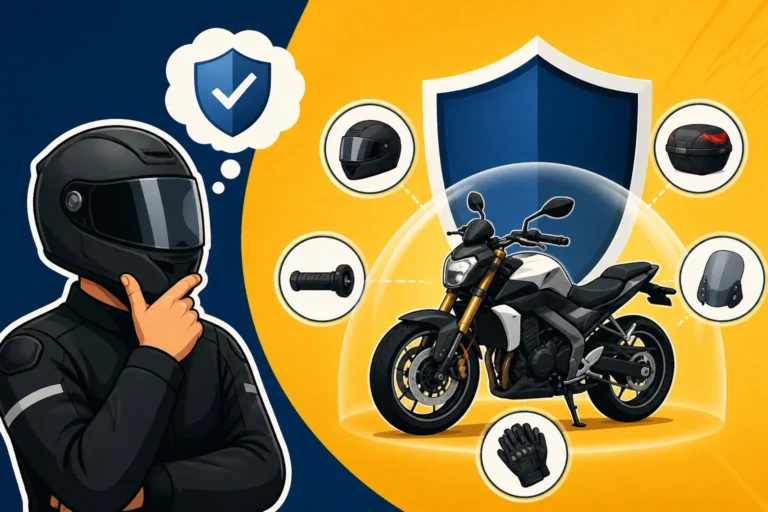
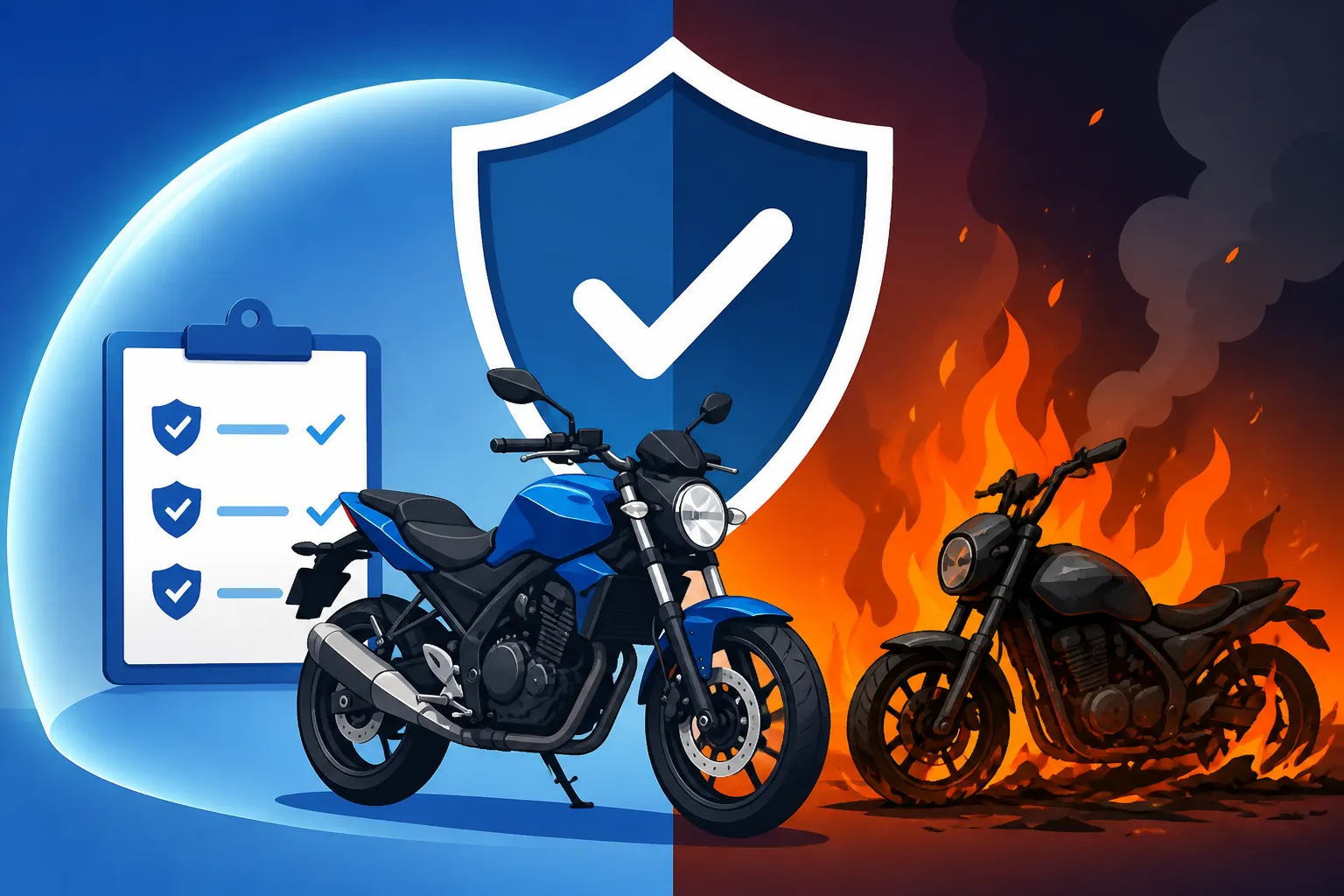
There’s a unique kind of dread that washes over a rider when they even imagine their beloved motorcycle engulfed in flames, whether it’s in a garage fire, after an accident, or due to some unforeseen mechanical failure. You pour so much into your bike – time, money, passion – and the thought of it turning to ash is truly heartbreaking. One of the biggest questions that pops up in those horrifying "what if" scenarios is whether your motorcycle insurance policy will actually step up and cover that fire damage. Let's dig into the nitty-gritty of how motorcycle insurance handles fire, so you can ride with a little more peace of mind.
Understanding Your Motorcycle Insurance and Fire Damage
When it comes to fire damage, it's not a given that every motorcycle insurance policy will cover it. This is where understanding the different types of coverage becomes absolutely critical. It’s easy to gloss over these details when you’re signing up, but they become vitally important when you're facing a potential claim.
The Role of Comprehensive Coverage
Hands down, if you want your motorcycle to be protected against fire, comprehensive coverage is what you’re looking for. This is your knight in shining armor for pretty much anything other than a collision with another vehicle or object. Think of it as your safety net for those unpredictable, non-riding incidents that can devastate your bike.
Comprehensive coverage typically kicks in for events like theft, vandalism, falling objects, natural disasters (hail, floods, wind), and, crucially, fire. This means if your bike catches fire while parked in your driveway, or if your garage burns down, or even if an electrical issue causes a blaze when you’re not moving, this is the part of your policy that would help cover the repair or replacement costs, up to your policy limits and after your deductible. It’s designed to protect your investment from a wide array of perils that are completely outside your control, including the terrifying prospect of a fire. Without comprehensive coverage, a fire event, no matter the cause, would leave you entirely on the hook for the financial loss, which for many riders, especially those with newer or high-value bikes, is simply not an option.
When Collision Might Step In
While comprehensive coverage is the primary protector against fire damage, there are specific situations where collision coverage might actually be the one to pay out for fire-related losses. Collision coverage, as the name suggests, is designed to cover damage to your motorcycle resulting from a collision with another vehicle, an object (like a guardrail or tree), or even if you tip your bike over.
So, how does fire fit in here? Imagine you’re riding, and you get into an accident with a car. During that impact, or shortly after, your motorcycle catches fire due to ruptured fuel lines or electrical shorts. In this scenario, because the fire was a direct result of the collision, your collision coverage would typically be activated to cover the damage. It wouldn’t be comprehensive because the originating incident was a collision. Similarly, if you accidentally drop your bike and it subsequently catches fire from damage caused by the fall, collision coverage would likely apply. This distinction is important because you might have different deductibles or coverage limits for comprehensive versus collision, so understanding which one applies can impact your out-of-pocket costs.
What Liability Doesn't Cover for Fire
It’s absolutely vital to clarify what liability-only insurance won’t do for you regarding fire damage, because this is where many riders get caught off guard. When you purchase motorcycle liability insurance, you’re primarily protecting yourself financially in case you cause an accident that injures others or damages their property. It’s what helps pay for their medical bills, their vehicle repairs, and other related expenses if you're deemed at fault.
However, liability coverage offers precisely zero protection for your own motorcycle. If your bike catches fire, regardless of the cause – whether it's an electrical short, a natural disaster, or even arson – and you only have liability coverage, your insurance company will not pay a single cent towards repairing or replacing your motorcycle. This is a tough pill to swallow for many riders, especially those who opted for minimum coverage to save money on premiums. While it keeps you legal on the road in most states (you can learn more about Motorcycle Insurance Requirements by State (2026 Guide)), it leaves your personal investment completely exposed to perils like fire, theft, or even a basic accident. For comprehensive protection, you really need to go beyond just the basics.
Common Scenarios for Motorcycle Fire Damage and What Your Policy Does
Fire can strike a motorcycle in various ways, and understanding the nuances of each scenario is key to knowing if your insurance policy will actually help you out. It's not always as straightforward as "bike burned, so it's covered." The context of the fire matters.
Fires from Accidents and Collisions
This is perhaps one of the most immediate and terrifying scenarios riders envision. You're out on the road, enjoying the ride, and then suddenly, an accident occurs. A fender-bender or a more serious crash can lead to immediate and severe damage, and unfortunately, fire can be a direct consequence. When your motorcycle is involved in a collision, ruptured fuel lines, electrical shorts from crushed components, or even overheating engine parts can ignite, turning a bad situation into an absolute catastrophe.
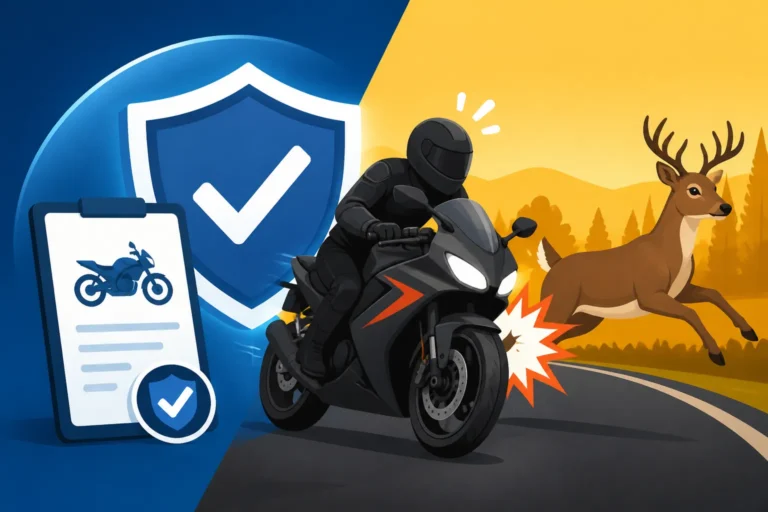
In these cases, if the fire is a direct result of the impact, your collision coverage is typically what will apply. This type of coverage is specifically designed to handle damage to your motorcycle when it collides with another vehicle or object. So, if you hit a deer on a rural highway and your bike catches fire from the impact, or if another driver swerves into your lane, causing a crash that sparks a blaze, your collision policy is there to help. This means it will cover the costs to repair or replace your fire-damaged motorcycle, up to your policy limits, minus your deductible. It’s a huge relief to know that even in the chaos of an accident, your investment isn't entirely lost. For more on what happens after a crash, check out What to Do After a Motorcycle Accident (Insurance Steps).
Non-Collision Fires: Electrical, Vandalism, or Mechanical
Not all fires happen due to a crash. Sometimes, a fire can originate from issues completely unrelated to an external impact, often while the bike is parked or even just sitting idle. This category covers a broad range of incidents that can be just as devastating.
- Electrical Fires: These are a common culprit. Faulty wiring, a short circuit, or an overloaded electrical system can cause sparks that quickly ignite fuel or other flammable materials on your bike. This can happen anywhere – in your garage, a parking lot, or even while riding.
- Vandalism: The heartbreaking reality is that some people might intentionally set your motorcycle on fire. This malicious act can leave you with a completely destroyed machine.
- Mechanical Failure: While less common for instantaneous fires, an engine overheating to extreme temperatures, or a specific component failure, could potentially lead to a fire, especially if there's a leak of flammable fluids onto hot surfaces.
- Spontaneous Combustion/External Source: This could be a fire that starts from something else and spreads to your bike, like a brush fire, a car catching fire next to yours, or even a dropped cigarette in the wrong place.
For all these non-collision-related fire incidents, your comprehensive coverage is what you’ll be relying on. It's designed to protect against "Acts of God" and other perils not related to a collision. So, if you wake up to find your bike incinerated due to a wiring issue in the middle of the night, or if a disgruntled individual torches it, comprehensive coverage will typically kick in. This is why it’s such an important part of a robust motorcycle insurance policy, offering protection beyond just road incidents.
Garage or Storage Fires
For many riders, their garage isn't just a parking spot; it's a sanctuary, a workshop, and a home for their prized possession. The thought of a garage fire is particularly horrifying because it often means losing not just your motorcycle, but potentially other valuable items and even your home itself. A fire can start from various sources within a garage: faulty electrical wiring, a misplaced spark from welding or grinding, flammable liquids, or even an external cause that spreads to the structure.
If your motorcycle is damaged or destroyed by fire while stored in your garage, carport, or any other storage facility, your comprehensive coverage is typically the primary policy component that will respond. It views this as a non-collision event, similar to a natural disaster or vandalism. It’s not just about the bike itself; sometimes, the fire might start in the bike and spread to the garage, or in the garage and spread to the bike. In either case, comprehensive will cover the damage to your motorcycle. It's important to note that your homeowner's or renter's insurance might cover the structure of your garage and other personal property inside, but usually, it won't cover your vehicle itself, especially if it’s registered and actively insured under a separate motorcycle policy. Ensuring you have adequate comprehensive coverage on your motorcycle policy is crucial for protecting your bike in such a devastating event. Even if you're not riding your bike in the winter, consider year-round comprehensive coverage, as explained in Do You Need Insurance to Store a Motorcycle?.
The Claims Process for Fire-Damaged Motorcycles
Dealing with the aftermath of a fire, especially when your motorcycle is involved, can be incredibly stressful and emotionally taxing. Knowing the steps to take and what to expect from your insurance company can help alleviate some of that burden and ensure a smoother claims process.
Immediate Steps After a Fire Incident
When your motorcycle catches fire, the first and most critical priority is safety. Ensure that everyone is safe and away from immediate danger. Once the fire is extinguished and the area is deemed secure by emergency services, you can then begin the process of dealing with the aftermath.
- Contact Emergency Services: Even if the fire is small and you think you’ve got it under control, call the fire department. They can ensure the fire is completely out, check for hidden embers, and document the incident. A fire report from official sources will be invaluable for your insurance claim.
- Ensure Safety: Do not approach the motorcycle or the affected area until emergency responders confirm it's safe. There could be structural damage, lingering fumes, or unstable components.
- Document Everything: Once it's safe, start taking photos and videos of the damage from multiple angles. Document the bike itself, the surrounding area, and anything else that might have been affected. The more evidence you have, the better. Try to capture the extent of the burn, any visible causes if clear, and the overall scene. This visual record is crucial for your claim adjuster.
- Contact Your Insurance Provider: As soon as possible, notify your motorcycle insurance company about the incident. Provide them with all the details you have, including the date, time, location, and a brief description of what happened. They will assign a claims adjuster to your case. Be prepared to provide the fire department’s incident report number if you have it. You can learn more about how to file a claim in How to File a Motorcycle Insurance Claim.
Documenting Your Losses
After the initial shock, the detailed work of documenting your losses begins. This is where your comprehensive planning and meticulous record-keeping truly pay off. Insurance companies require thorough documentation to process a claim fairly and accurately.
- Photos and Videos: As mentioned, these are invaluable. Don't just focus on the bike itself, but also the context – where it was parked, what else was damaged nearby, and any evidence of the fire's origin if it's visible.
- List of Damages: Create a detailed list of every component on your motorcycle that was damaged by the fire. Be as specific as possible. If you had custom parts or accessories, list those out separately.
- Proof of Ownership and Value: Gather receipts for the motorcycle’s purchase, title documents, registration, and any maintenance records. For custom parts, try to find receipts, invoices, or even before-and-after photos that demonstrate their existence and value. This is where having an updated inventory of your bike, perhaps with photos and serial numbers, can make a huge difference. If you have coverage for accessories and custom parts (see Accessories & Custom Parts Coverage Explained), this documentation is absolutely vital.
- Police or Fire Reports: Obtain official copies of any reports filed by the fire department or police. These third-party documents lend significant credibility to your claim.
A good insurance company, like those you might compare through services like The Zebra, will guide you through this process, but having your own records prepared in advance makes everything much smoother and helps ensure you receive a fair settlement.
Understanding Your Payout: Actual Cash Value vs. Agreed Value
When your motorcycle is deemed a total loss due to fire, how much your insurance company pays out can vary significantly based on the type of valuation included in your policy. This is a crucial distinction that can impact your financial recovery.
- Actual Cash Value (ACV): Most standard motorcycle insurance policies pay out based on the actual cash value. This means the insurance company will determine the market value of your motorcycle just before the fire, factoring in depreciation, mileage, and wear and tear. They’ll look at comparable bikes for sale in your area. For example, if your 2018 Harley-Davidson Street Glide, which you bought new, is now five years old with 30,000 miles, the ACV payout will reflect its depreciated value, not what you originally paid for it. While it’s better than nothing, it often means you won't get enough to buy a brand-new equivalent motorcycle.
- Agreed Value: This is a much more favorable option, especially for custom bikes, vintage motorcycles, or those with significant modifications. With an agreed value policy, you and the insurance company agree upon a specific value for your motorcycle at the time you purchase the policy. This value is then locked in. If your bike is declared a total loss due to fire, the insurer pays you that agreed-upon amount, minus your deductible, regardless of its market value at the time of the incident. This removes the uncertainty of depreciation and ensures you get the full value you and the insurer settled on. This coverage is usually more expensive but offers superior peace of mind for unique or highly modified bikes. Learn more about Agreed Value vs Stated Value vs Actual Cash Value.
It's vital to review your policy documents to understand which valuation method applies to your coverage. If you have a highly customized bike or a rare classic, seriously consider seeking an agreed value policy to protect your investment fully.
Custom Parts, Modifications, and Fire Protection
For many riders, a motorcycle is a canvas for personal expression. We pour countless hours and dollars into customizing our bikes, adding everything from performance exhausts to bespoke paint jobs and upgraded components. When fire strikes, the damage isn't just to the stock bike – it's to all those precious, personal touches.
Ensuring Your Aftermarket Add-ons Are Covered
The sad truth is, standard motorcycle insurance policies often have very limited, if any, coverage for aftermarket parts and modifications. Imagine your pride and joy, a Harley-Davidson Softail, totally customized with a new exhaust system, custom handlebars, upgraded suspension, and a dazzling chrome package, all ruined by a fire. If your policy only covers the bike at its actual cash value as a stock model, you'd be looking at a significant out-of-pocket loss for all those personal upgrades.
This is why it's critical to specifically add accessories and custom parts coverage to your policy. Most reputable motorcycle insurance providers, including many you might find through comparison sites like The Zebra, offer this as an optional add-on. This coverage extends your protection beyond the factory components, allowing you to insure your aftermarket parts up to a certain limit, usually ranging from a few thousand dollars up to $30,000 or even more, depending on the insurer and your specific needs. When purchasing this coverage, be honest and detailed with your insurer about all your modifications. Provide receipts, photos, and any appraisals you might have. This ensures that in the event of fire damage, your entire investment – stock and custom alike – is protected. Without it, your unique touches could literally go up in smoke without any financial recourse.
The Importance of Agreed Value for Custom Builds
If you own a highly customized, unique, or vintage motorcycle, relying on Actual Cash Value (ACV) coverage can be a devastating mistake, especially in the event of fire. The ACV approach calculates your bike's value based on what it would cost to buy a similar, stock model in its depreciated state. This completely ignores the intrinsic value and significant financial investment in custom parts, labor, and the uniqueness of your build.
This is where agreed value coverage becomes indispensable. With an agreed value policy, you and your insurer establish and formally agree upon the value of your motorcycle, including all its custom parts and modifications, at the beginning of your policy term. This value is often determined through an appraisal process, where documentation, photos, and expert assessments are used to quantify the true cost and worth of your unique machine. In the unfortunate event of fire damage that totals your custom build, your insurer will pay out the pre-agreed amount (minus your deductible), ensuring you're compensated for the full, unique value of your motorcycle, not just its depreciated stock equivalent. This means you have the funds to rebuild or replace your one-of-a-kind bike, rather than being left with a fraction of its true worth. For serious collectors and customizers, agreed value is not just a luxury; it’s a necessity for true peace of mind.
Tips for Securing Adequate Fire Coverage and Lowering Your Risk
Protecting your motorcycle from fire damage isn't just about having the right insurance; it's also about being proactive in managing risks. A combination of smart insurance choices and preventive measures can make all the difference.
Reviewing Your Current Policy and Options
It’s easy to set up your motorcycle insurance policy and then forget about it, but that can be a costly mistake. Policies change, your bike changes, and your financial situation evolves. Regularly reviewing your coverage, especially regarding fire protection, is crucial.
Start by pulling out your current policy documents. Look specifically for comprehensive coverage and its limits, as well as any accessories and custom parts coverage. Are the limits high enough to cover the replacement value of your bike and all your modifications if it were totally destroyed by fire? For example, if you recently added $5,000 worth of performance upgrades, but your custom parts coverage is only set at $2,000, you’re significantly underinsured.
If you find gaps, contact your insurance agent or insurer immediately. Discuss adding or increasing comprehensive coverage. If you have custom parts, inquire about increasing those specific limits or, better yet, ask about agreed value coverage if it’s available and suitable for your motorcycle. Don't be afraid to shop around and compare quotes from different providers. Services like The Zebra can help you quickly compare options from various insurers like Progressive and Dairyland to ensure you’re getting the best value and the most robust protection for your specific needs. Understanding What Affects Your Motorcycle Insurance Rate? can also empower you to ask the right questions and find better deals.
Preventive Measures to Mitigate Fire Risk
While insurance provides a financial safety net, preventing a fire in the first place is always the best strategy. Many common causes of motorcycle fires are preventable with a little awareness and regular maintenance.
- Regular Maintenance: Keep your motorcycle in top mechanical condition. Regularly inspect fuel lines for cracks or leaks, check electrical wiring for fraying or loose connections, and ensure all fluids are at proper levels and not leaking onto hot engine components. A well-maintained bike is inherently safer.
- Proper Storage: If storing your bike in a garage, ensure proper ventilation, especially if you're doing any work that involves flammable liquids or fumes. Keep flammable materials (like gas cans, paints, and solvents) away from ignition sources like water heaters, electrical outlets, or power tools. Consider having a fire extinguisher readily accessible in your garage.
- Electrical System Checks: If you're performing electrical modifications or repairs yourself, ensure you understand what you're doing or have a qualified mechanic handle it. Overloaded circuits or improperly wired accessories are common causes of electrical fires.
- Battery Care: Regularly check your battery and its terminals for corrosion or damage. Ensure it’s properly secured and ventilated. If storing your bike for extended periods, consider using a trickle charger to maintain the battery, but ensure it's a quality unit that won't overcharge.
- Fuel System Integrity: Always use proper fuel containers. Never store fuel indoors in an unapproved container. If you spill fuel on your bike, clean it up thoroughly before starting the engine or riding.
- Be Mindful of Hot Components: After a ride, especially a long or spirited one, exhaust pipes and engine components can remain extremely hot for a while. Be careful where you park your bike, avoiding dry grass or leaves that could easily ignite.
By taking these proactive steps, you significantly reduce the likelihood of experiencing a motorcycle fire, protecting not just your bike but potentially your home and other property as well. Combining these preventive measures with robust comprehensive coverage ensures you're as prepared as possible for anything the road – or life – throws your way. You might also want to look into Motorcycle Insurance Discounts You're Missing to see if your efforts in safety translate to savings.
| Type of Coverage | Covers Fire from Collisions | Covers Fire from Non-Collisions (Theft, Vandalism, Electrical) | Covers Fire from Storage/Garage | Protects Your Bike's Value |
|---|---|---|---|---|
| Liability Only | No | No | No | No |
| Collision | Yes (if fire is result) | No | No | Yes (ACV) |
| Comprehensive | No (collision handles) | Yes | Yes | Yes (ACV or Agreed Value) |
| Accessories & Custom Parts | Yes (if part of Comprehensive/Collision claim) | Yes (if part of Comprehensive claim) | Yes (if part of Comprehensive claim) | Yes (up to limit) |
| Agreed Value | Yes (if part of Collision/Comprehensive) | Yes (if part of Comprehensive) | Yes (if part of Comprehensive) | Yes (pre-agreed amount) |
Disclaimer
Please remember that insurance policies can be complex and vary significantly by provider and state. This information is intended for general guidance only and does not constitute legal or financial advice. Always consult with a licensed insurance professional to review your specific needs and policy details. Policy terms, conditions, and exclusions always apply.