Does Motorcycle Insurance Cover Custom Parts?
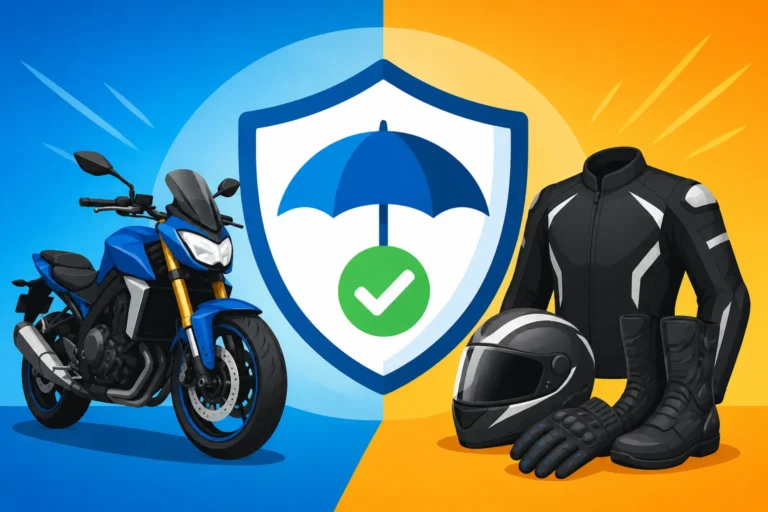
It's a common nightmare for any custom motorcycle owner: you've poured countless hours, hard-earned cash, and a piece of your soul into making your bike truly yours, only to wonder if your standard insurance policy would actually cover all those unique, high-end parts if something were to happen. The truth is, many riders are in the dark about what happens to their beloved customizations in the event of an accident, theft, or damage, and it's a valid concern given how much value these parts add. This guide will walk you through exactly how motorcycle insurance handles custom parts, what kind of coverage you need, and how to ensure your investment is fully protected.
The Great Custom Parts Conundrum: Why Riders Worry
When you buy a factory bike, it comes with a standard set of components. Your insurance company knows what those are, and they price your policy accordingly. But the moment you start swapping out exhausts, adding custom paint jobs, upgrading suspension, or installing performance parts, you're entering a different territory. Many riders mistakenly assume that because they have "full coverage," every single modification is automatically protected. Unfortunately, that's rarely the case, and it can lead to a massive financial shock after an incident.
The Misconception of Standard "Full Coverage"
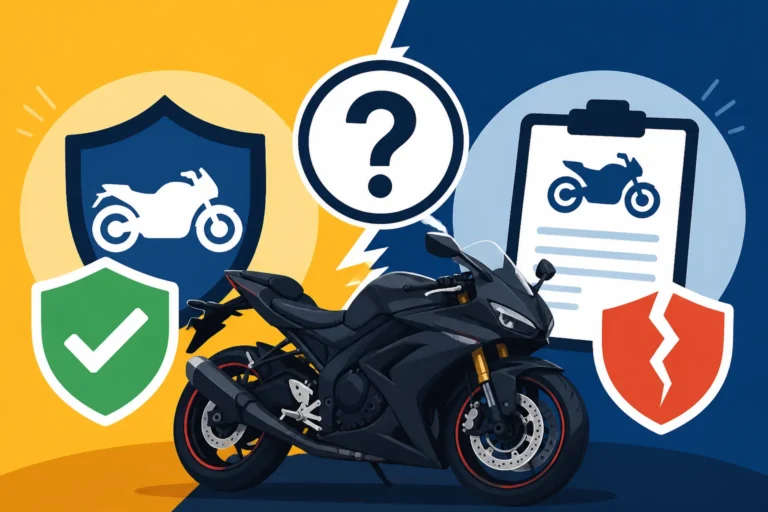
"Full coverage" is a term often tossed around, but it's really a combination of several different types of coverage – typically liability, collision, and comprehensive. While these are essential, they don't inherently account for the increased value of your custom parts. Your insurer usually calculates the "Actual Cash Value" (ACV) of your bike based on its stock condition and depreciation. If your policy only covers ACV and you haven't specifically declared your custom parts, you could find yourself with a payout that barely covers your stock bike's value, leaving you to foot the bill for your personalized upgrades. Imagine totaling your custom Harley-Davidson with a unique paint job, aftermarket fairings, and a performance engine, only to be offered a settlement for a stock model with thousands of miles on it. It's a gut punch no rider wants to experience.
Why Standard Policies Fall Short
Standard motorcycle insurance policies are designed for the average rider with an average, mostly stock bike. They have an established baseline for parts and labor costs. When you introduce custom elements, you're stepping outside that baseline. The insurance company needs to know about these additions because they represent a higher financial risk and often a higher replacement cost. A chrome package, for example, isn't just cosmetic; it's a significant investment that needs its own consideration. Without specific coverage, if your bike is stolen, vandalized, or damaged, your carrier won't have it on record to factor into the claim, leading to frustration and potential loss.
Specialized Coverage Options for Your Unique Ride
To properly protect your personalized machine, you'll need to look beyond the basic liability and even traditional full coverage. Many insurance providers offer specific endorsements or add-ons designed precisely for custom parts and accessories. These are the unsung heroes for riders who pour their hearts into customizing their bikes.
Accessories and Custom Parts Coverage Explained
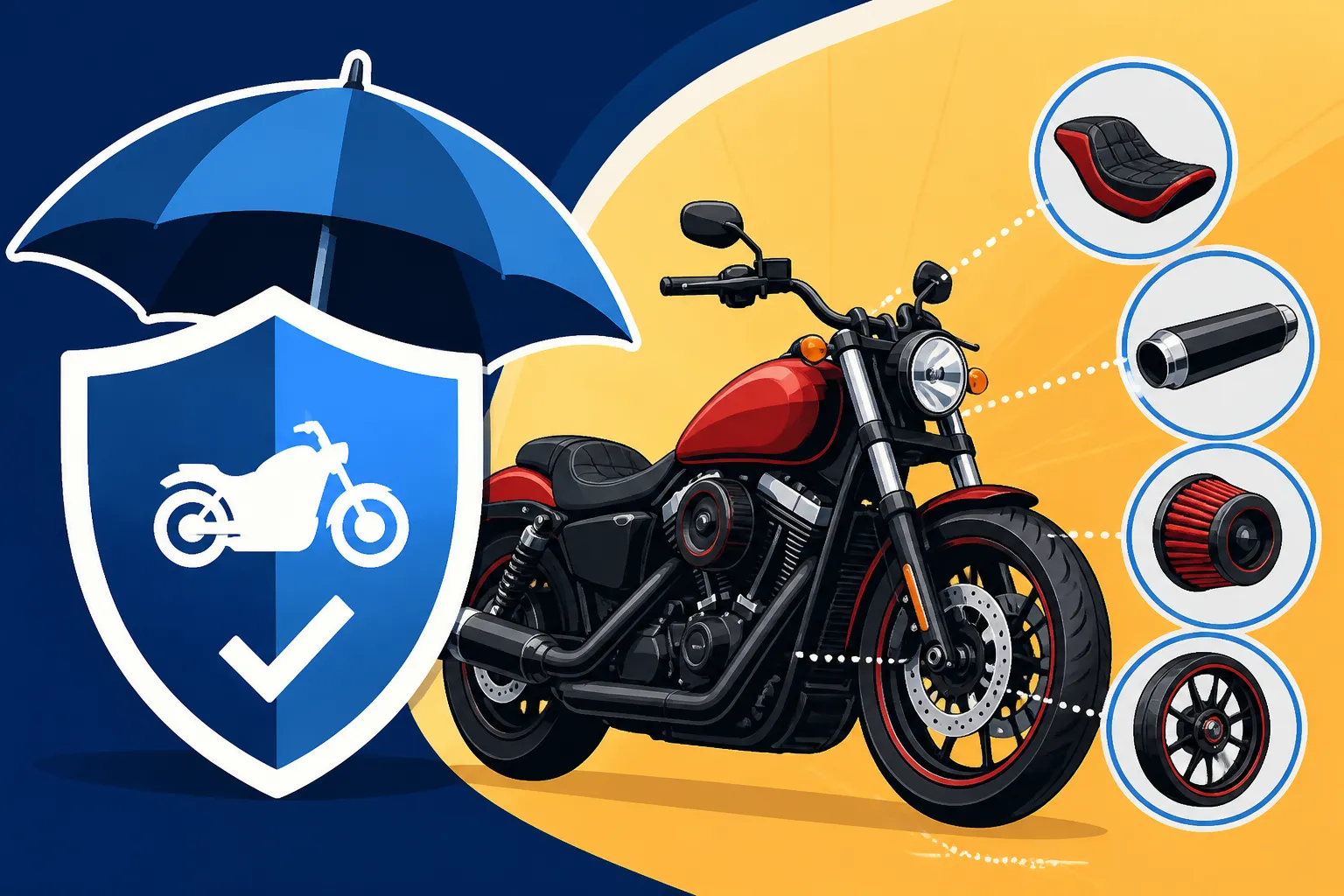
This is the bread and butter for any rider with a modified motorcycle. Accessories & Custom Parts Coverage Explained is typically an optional add-on that extends your comprehensive and collision coverage to include non-factory parts and accessories. This can encompass a huge range of items, from custom paint, chrome upgrades, and saddlebags to performance exhausts, engine modifications, upgraded suspension, and even custom fairings or handlebars. Most standard policies include a small, baseline amount of coverage for accessories, usually around $1,000 to $3,000, but this is rarely enough for a truly custom build.
When you purchase this add-on, you'll typically specify the total dollar amount of coverage you need for your customizations. For example, if you've spent $10,000 on custom parts, you'd want to ensure your policy reflects that amount. It's crucial to be honest and accurate with this figure, as underinsuring could still leave you with a gap in coverage. Leading insurers like Progressive, Dairyland, and Markel all offer robust custom parts coverage options because they understand the passion and investment riders put into their bikes. Remember, this isn't just about covering the cost of the parts but also the labor involved in installing them, which can be substantial for complex modifications.
Understanding Stated Value vs. Agreed Value Policies
When it comes to insuring custom or vintage motorcycles, the standard "Actual Cash Value" (ACV) might not cut it. This is where Agreed Value vs Stated Value vs Actual Cash Value policies become incredibly important.
-
Stated Value: This is often seen as a compromise. You state the value of your bike and its customizations, and the insurer uses this as a ceiling for payout. However, in the event of a total loss, the insurance company typically reserves the right to pay out the stated value or the actual cash value, whichever is less. This means if your stated value is $20,000 but the insurer determines the ACV is only $15,000, you'll only receive $15,000. It offers some protection but still leaves room for disagreement and potentially less than ideal payouts. It's better than nothing, but not the gold standard for truly unique builds.
-
Agreed Value: This is generally the superior option for highly customized or classic bikes. With an agreed value policy, you and the insurance company agree on the value of your motorcycle and its custom parts before the policy is issued. This agreed-upon amount is what you will receive in the event of a total loss, minus any deductible. There's no depreciation calculation or haggling over ACV involved. This provides peace of mind, knowing that your significant investment in custom work is fully recognized and protected. For riders with truly unique, one-of-a-kind builds or expensive modifications, an agreed value policy is almost always recommended to prevent devastating financial losses. Some insurers specialize in this, recognizing the true value of custom craftsmanship.
The Application Process: Getting Your Custom Parts Covered
Insuring your custom parts isn't as complicated as it might seem, but it does require a bit more effort than simply clicking "buy" on a standard policy. The key is transparency and documentation. Think of it as building a case for your bike's enhanced value.
Documenting Your Modifications
Before you even call an insurance agent, gather all your documentation. This is arguably the most crucial step. You'll need:
- Receipts: Keep detailed receipts for every custom part purchased. This proves the cost of the parts themselves.
- Installation Invoices: If you had a shop install parts, keep those invoices. Labor costs are a significant part of custom work and should be factored into your coverage amount.
- Photographs: Take clear, high-quality photos of your bike from all angles, specifically highlighting the custom parts. Before-and-after photos can be incredibly helpful to show the transformation and the added value.
- Appraisals: For very expensive or unique custom builds, consider getting a professional appraisal. An independent appraiser can assess the market value of your customized motorcycle, providing an unbiased estimate that insurers respect. This is particularly useful for establishing an Agreed Value Coverage on a Motorcycle.
Without solid documentation, it becomes much harder to justify the higher coverage limits you'll need, and it can complicate a claim process significantly. Having everything organized in a file – digital and physical – will make the entire process smoother and ensure your hard work is properly valued.
Working with Your Insurance Provider
Once you have your documentation in order, it's time to talk to your insurance provider. Don't assume anything. Explicitly tell them you have custom parts and that you want to ensure they are fully covered.
- Be Specific: Don't just say "I have some mods." List out the major changes you've made and their approximate value.
- Request Custom Parts Coverage: Ask specifically about their "Accessories and Custom Parts Coverage" or "Custom Equipment Coverage" add-on.
- Determine Coverage Limits: Based on your receipts and appraisals, work with your agent to set an appropriate coverage limit. This limit is the maximum amount the insurer will pay for your custom parts in a covered loss.
- Consider Agreed Value: If your bike is extensively customized or a classic, inquire about an agreed value policy. This might be offered by specialized insurers or as a specific option from larger companies.
- Review Your Policy: Once you receive your policy documents, read them carefully. Ensure the custom parts coverage and the specified limits are clearly listed. If anything is unclear, call your agent immediately for clarification. A reputable agent or a comparison tool like The Zebra can help you navigate these options to find the best fit for your specific needs. They can help compare policies from various providers like Progressive, Geico, or Dairyland that are known for their strong motorcycle offerings.
Cost Factors and Potential Savings for Custom Part Coverage
Adding custom parts coverage will, of course, increase your premium. However, the peace of mind and financial protection it offers far outweigh the additional cost, especially if you consider the total investment you've made in your bike. Understanding what influences these costs and how to potentially save can help you make an informed decision.
Factors Influencing Custom Parts Coverage Costs
Several elements come into play when determining the premium for custom parts coverage:
- Total Value of Customizations: This is the most direct factor. The more expensive your parts and labor, the higher the coverage limit you'll need, and thus, the higher your premium. A rider who adds $2,000 worth of chrome will pay less for this coverage than someone with a $15,000 custom engine build and paint job.
- Type of Modifications: Performance-enhancing modifications, like engine tunes or turbochargers, might be viewed as higher risk by insurers compared to purely cosmetic changes like custom paint or unique seating. This perception of risk can influence rates.
- Motorcycle Type: The base bike itself still plays a role. Insuring custom parts on a high-performance sport bike might be more expensive than on a cruiser, simply because the base bike itself is often considered higher risk due to speed and accident statistics. You can read more about this in our guide on Sport Bike Insurance Cost Why So High.
- Rider History: Your driving record, claims history, and even your credit score (in many states) will affect your overall premium, including the cost of add-on coverages. A clean record will always lead to better rates.
- Deductible: As with other types of coverage, choosing a higher deductible for your custom parts coverage can lower your premium. Just make sure the deductible is an amount you're comfortable paying out-of-pocket if you need to file a claim.
Discounts and Savings Opportunities
Even with custom parts, there are ways to keep your insurance costs manageable.
- Multi-Policy Discounts: Bundling your motorcycle insurance with your auto insurance, home insurance, or even RV insurance with the same carrier can often lead to significant savings on all policies. This is a common strategy offered by major carriers like State Farm or Allstate.
- Motorcycle Safety Courses: Completing an approved motorcycle safety course (like those offered by the Motorcycle Safety Foundation) often qualifies you for a discount. Insurers see this as a sign of a responsible rider. Learn more in our article, Does a Motorcycle Safety Course Lower Insurance?.
- Anti-Theft Devices: Installing approved anti-theft devices like alarms, tracking systems (GPS), or even a heavy-duty lock can sometimes earn you a discount on comprehensive coverage, which would include your custom parts if they're stolen.
- Good Rider Discounts: Maintaining a clean driving record free of accidents or tickets is one of the best ways to keep your rates low over time.
- Seasonal Coverage: If you only ride seasonally, some insurers offer options to suspend certain coverages during the off-season, which could save you money. However, be cautious about suspending comprehensive, as it protects against theft, fire, and vandalism even when the bike is stored. Our guide on Do You Need Insurance to Store a Motorcycle? has more details.
By proactively managing these factors and actively seeking out discounts, you can protect your investment without breaking the bank. Don't be afraid to compare quotes from different providers, and remember that tools like The Zebra can help you quickly assess various options.
What Happens When Custom Parts Aren't Declared?
This is where the rubber meets the road, or rather, where the lack of coverage hits your wallet. Failing to inform your insurance company about your custom parts can have severe financial consequences, turning an already stressful situation into a complete nightmare.
The Impact on Your Claim Payout
Let's imagine a scenario: you've spent $7,000 customizing your cruiser with new handlebars, a high-performance exhaust, custom wheels, and a unique paint job. You have what you consider "full coverage," but you never specifically added custom parts coverage. Then, one unfortunate day, your bike is stolen or involved in a serious accident, and it's declared a total loss.
When you file a claim, the insurance adjuster will assess the damage or loss based on your policy. If your policy only covers the Actual Cash Value (ACV) of the stock motorcycle, that's what you'll get. The adjuster might look up the market value of a similar year, make, and model with comparable mileage, without any of your expensive customizations. They won't care about your new Vance & Hines pipes or that custom airbrushed tank because it's not listed on your policy. The result? You might receive a check for $8,000 for a stock bike, when your customized ride was easily worth $15,000. That $7,000 difference comes straight out of your pocket. This is why it's vital to review what What Does Full Coverage Motorcycle Insurance Mean? truly encompasses for your specific policy.
Financial Responsibility and Unexpected Costs
The financial burden extends beyond just the difference in payout. If you have a loan on your motorcycle, and the insurance payout for the stock bike is less than what you owe, you'll still be responsible for paying off the remainder of the loan. This can be particularly painful if you financed the bike and then invested even more into customizations, only to have them uninsured. What Happens if You Total a Financed Motorcycle? explores these scenarios in depth.
Furthermore, rebuilding or replacing your customized motorcycle after a loss without adequate coverage means you're starting from scratch financially. All the money you invested in those unique parts and modifications is essentially lost. It's a tough lesson many learn the hard way. This situation also means extra stress and time spent trying to recover losses that could have been avoided with a simple policy add-on. Don't risk it; a few extra dollars a month in premium can save you thousands in the long run.
Tips for Insuring Your Unique Ride
Insuring a customized motorcycle is about being proactive and precise. It's not just a transaction; it's protecting your passion. Here are some actionable tips to ensure your unique ride gets the coverage it deserves.
Regular Policy Reviews
Your bike evolves, and so should your insurance policy. Every time you make a significant modification, no matter how small you think it is, inform your insurance provider. Did you add new saddlebags, upgrade your lighting, or get a custom seat? These additions increase the value of your bike and should be reflected in your coverage limits. It's good practice to review your policy at least once a year, or whenever you make a change, to ensure all your customizations are still adequately covered. Don't wait until you're filing a claim to discover your coverage is outdated. A quick call to your agent or using an online portal to update your details can save you a lot of grief down the road.
Choosing the Right Insurance Partner
Not all insurance companies are created equal, especially when it comes to covering custom bikes. Some providers have more flexible and comprehensive options for aftermarket parts and agreed value policies.
Consider companies that specialize in motorcycle insurance or have a strong reputation for understanding the rider's unique needs. Brands like Markel, Dairyland, and even larger carriers like Progressive often have robust offerings for custom bikes. Do your homework. Look at reviews, ask fellow riders for recommendations, and compare policies from multiple providers. A good insurance partner will not only offer the right coverage but also have knowledgeable agents who can guide you through the process and help you accurately value your customizations. Using a comparison site like The Zebra can quickly show you options from various insurers, making it easier to find a provider that truly understands the value of your custom work. Our guide to the Best Motorcycle Insurance Companies 2026 can be a great starting point for your research.
Documenting and Updating Your Customizations
This tip can't be stressed enough: document everything and keep it updated.
- Create a "Customs Portfolio": Keep a dedicated folder (digital and physical) for your custom parts. This should include:
- Detailed descriptions: What part is it? What brand? What does it do?
- Purchase receipts: Proof of how much you paid.
- Installation receipts: If a professional installed it.
- Photos: Close-ups and overall shots showing the part on your bike.
- Appraisal documents: If you had a professional appraisal done.
- Update with Every Change: Each time you add, remove, or significantly alter a custom part, update your portfolio and inform your insurance company. This ensures your coverage amounts are always accurate. Imagine replacing a stock exhaust with a $1,500 aftermarket system – that's a significant increase in value that needs to be on your policy.
- Maintain an Inventory List: A simple spreadsheet listing each custom part, its cost, and installation date can be incredibly useful. This detailed inventory will be invaluable if you ever need to file a claim, speeding up the process and ensuring you get a fair payout.
By being meticulous with your documentation and actively engaging with your insurance provider, you can rest assured that your unique motorcycle and all the passion you've poured into it are fully protected.
| Coverage Type | Covers Stock Parts | Covers Custom Parts (Typically) | How It Works for Custom Parts |
|---|---|---|---|
| Liability | Yes | No | Pays for damages/injuries you cause to others. Does not cover your bike or its parts. |
| Collision | Yes | Only with add-on | Covers damage to your bike from an accident (hitting another vehicle or object). Standard collision may only cover ACV of stock parts; requires Custom Parts/Accessories coverage to include mods. |
| Comprehensive | Yes | Only with add-on | Covers non-collision damage (theft, vandalism, fire, weather, animal strike). Standard comprehensive may only cover ACV of stock parts; requires Custom Parts/Accessories coverage to include mods. |
| Custom Parts/Accessories | N/A | Yes | An add-on specifically designed to cover aftermarket parts, customizations, and upgrades up to a specified limit. Essential for modified bikes. |
| Agreed Value | N/A | Yes | You and the insurer agree on a value for your bike (including customs) beforehand. You get this amount in a total loss, regardless of depreciation. Ideal for unique, high-value custom builds. |
| Stated Value | N/A | Yes | You state a value for your bike (including customs), which acts as a maximum payout. Insurer may still pay actual cash value if lower. Offers less certainty than agreed value. |
| Uninsured/Underinsured Motorist | Yes | No | Covers your medical bills and damage to your bike if hit by a driver with no or insufficient insurance. Damage to your bike's custom parts still falls under collision/comprehensive with the custom parts endorsement. |
The Bottom Line on Protecting Your Investment
Your customized motorcycle isn't just a vehicle; it's an extension of your personality, a piece of art, and a significant investment of time and money. While standard motorcycle insurance policies provide a good baseline, they often fall short when it comes to truly protecting the unique value of your modifications. By understanding your coverage options, meticulously documenting your customizations, communicating openly with your insurance provider, and regularly reviewing your policy, you can ensure that your ride is fully covered. Don't let a moment of neglect jeopardize years of hard work and passion. Protect your investment, hit the open road with confidence, and enjoy every mile on your truly one-of-a-kind machine.
Disclaimer
Please remember that this information is for educational purposes only and should not be considered legal or financial advice. Insurance policies and requirements can vary significantly by state and individual circumstances. Always consult with a licensed insurance professional to discuss your specific needs and to obtain personalized quotes and advice. Policy terms, conditions, and availability are subject to change.