What Happens to My Rate After a Motorcycle Claim?
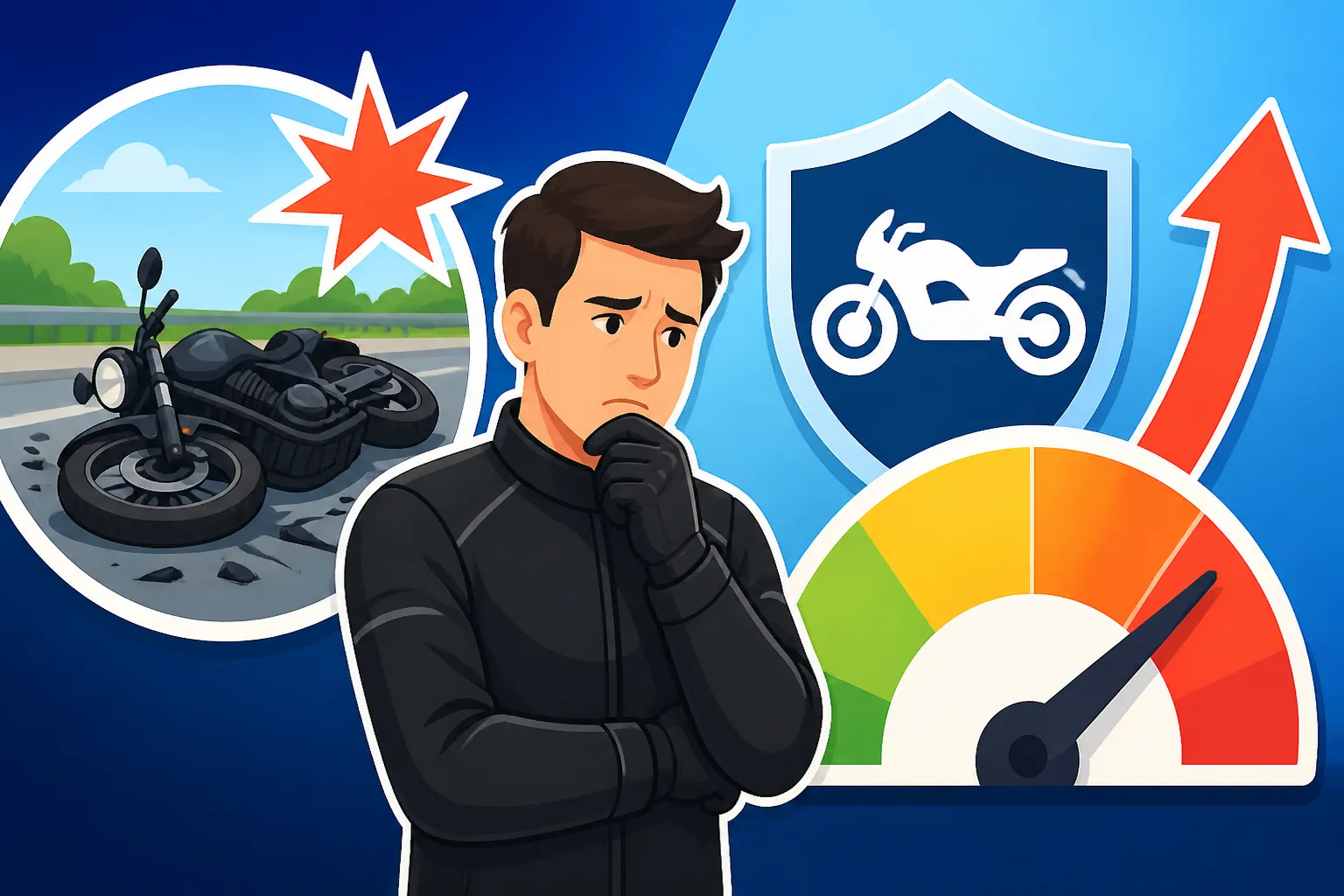
It’s a thought that sends a shiver down every rider’s spine: you’ve had an incident, you’ve filed a claim, and now you’re dreading that next renewal notice. The big question looms – what happens to my motorcycle insurance rate after a claim? It's a completely valid worry, and the reality is, it's not always a straightforward answer. This guide is here to unravel the mysteries of post-claim rate adjustments, helping you understand the myriad factors at play and what you can do to navigate the situation.
Understanding the Basics: Why Rates Change
When you buy motorcycle insurance, you're essentially buying a promise from the insurance company that they'll cover certain financial risks. They calculate your premium based on how much of a risk they think you are. Once you file a claim, that risk assessment often changes, and unfortunately, it usually goes up. It’s not personal; it’s just how the numbers game works for them.
The Actuarial Science Behind Premiums
Insurance companies employ complex actuarial science to determine premiums. They look at vast amounts of data, analyzing everything from accident statistics by bike type, rider age, geographic location, and, crucially, a rider's claims history. Every time someone files a claim, it adds to this pool of data. From an insurer's perspective, a rider who has filed a claim is statistically more likely to file another claim in the future compared to a rider with a spotless record. This increased perceived risk directly translates into a higher premium. Think of it like this: if you bet on a horse that’s stumbled once, you might still bet on it, but you're going to want better odds. Insurance companies operate on a similar principle. They're trying to price policies to cover their potential payouts and still make a profit.
Your Driving Record as a Risk Indicator
Your personal driving and riding record is one of the most significant factors in determining your insurance rates. It’s essentially your report card for how safely you operate a vehicle. A clean record, free of tickets, accidents, and claims, tells an insurer you're a low-risk individual. When you file a claim, especially one where you are deemed at fault, it adds a "blemish" to that record. Insurers use this information to predict future behavior. Even seemingly minor incidents can contribute to a pattern that leads to increased rates. They don't just look at the last incident; they often examine a window of 3 to 5 years of your history to get a comprehensive picture of your risk profile. This is why even a small fender bender can have ripple effects beyond the immediate repair costs.
Factors Influencing Rate Increases After a Claim
It’s not as simple as "claim = automatic massive increase." The truth is, several nuanced factors come into play, and understanding them can help you anticipate how much your rates might climb.
Severity and Cost of the Claim
The financial impact of your claim is a major determinant of your rate increase. A minor scratch that costs a few hundred dollars to fix will generally have a much smaller effect on your premium than a total loss claim involving extensive damage to your motorcycle and significant medical bills for injuries. Insurers categorize claims by their payout amounts. A claim that exceeds a certain threshold, often in the thousands of dollars, is more likely to trigger a substantial rate hike because it indicates a higher financial exposure for the company. For example, if your vintage Harley-Davidson was unfortunately totaled, the payout would be substantial, and the subsequent rate increase would likely reflect that significant loss. It's a direct correlation: higher payout often means a higher future premium.
Fault vs. No-Fault Claims
One of the most critical distinctions is whether you were deemed at fault for the accident or not. If you were not at fault, and the other driver's insurance pays for the damages, your rates might not be affected at all. This is often the case with comprehensive claims too, such as theft or weather damage, where no one is "at fault." However, if you are found to be at fault, or partially at fault, expect your rates to increase. Your liability for the accident directly impacts the insurer's payout and thus their assessment of your risk.
Here’s a quick overview:
| Claim Type | Impact on Rate (General) | Explanation |
|---|---|---|
| At-Fault Collision | Significant increase | Directly tied to your responsibility, high payout potential. |
| Not-at-Fault Collision | Little to no increase | Another party's insurer pays; you're not deemed higher risk. |
| Comprehensive | Minor to moderate increase | Covers non-collision events (theft, vandalism, weather); not related to driving skill. |
| Uninsured Motorist | Little to no increase | When an uninsured driver hits you; protects you, not your fault. |
| Medical Payments/PIP | Minimal to no increase (often) | Covers your medical bills, regardless of fault; generally viewed less harshly than liability/collision. |
Even with comprehensive claims, multiple filings can eventually lead to a rate adjustment, as insurers might see a pattern of bad luck or negligence in securing your bike. For more on what these coverages entail, check out our guide on Types of Motorcycle Insurance Coverage Explained.
Your Claims History and Past Incidents
A single claim, particularly a first-time comprehensive claim, might result in a modest increase or even be forgiven by some insurers if you have a long history with them and a good driver discount. However, a pattern of claims within a relatively short period, say 3-5 years, will almost certainly lead to a more substantial rate hike. Insurers view multiple claims as a strong indicator of increased risk. It's like having a "three strikes and you're out" rule for discounts. If you've had a previous at-fault accident, and then another one a year later, your rate could jump significantly. Some companies even track minor incidents that didn't result in claims but were reported. This "claims frequency" is a huge red flag for underwriters. For riders facing this, finding affordable coverage can become challenging, and it might even necessitate an SR-22 for Motorcycles: When It's Required.
Types of Claims and Their Impact on Rates
Not all claims are created equal in the eyes of your insurer. The specific type of coverage you filed under plays a significant role in how your premium will be affected.
Collision Claims: Your Biggest Impact
Collision coverage pays for damages to your motorcycle if you hit another vehicle or object, or if your bike overturns, regardless of who is at fault. If you file an at-fault collision claim, prepare for a notable increase in your premium. This is because an at-fault collision directly reflects on your driving behavior and perceived risk. For instance, if you misjudged a turn and laid your bike down, causing significant damage, that claim will almost certainly raise your rates. The magnitude of the increase depends on the cost of the repair or replacement, whether it's your first claim, and your overall driving history. Insurers see at-fault collision claims as a strong predictor of future accidents. If your motorcycle was badly damaged or even totaled, understanding What Happens When Your Motorcycle Is Totaled? will be crucial.
Comprehensive Claims: Less Severe, Still Noticed
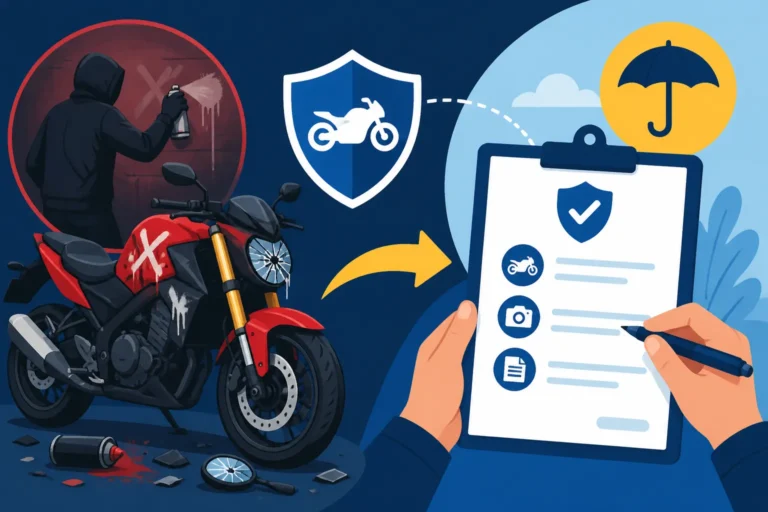
Comprehensive coverage protects your motorcycle from damages not caused by a collision, such as theft, vandalism, fire, natural disasters (like hail or floods), or hitting an animal. Generally, filing a comprehensive claim has a less severe impact on your rates than an at-fault collision claim because these incidents are usually beyond your control. For example, if your bike was stolen from your garage overnight, your insurer understands you weren't "at fault." However, repeatedly filing comprehensive claims, even if not at fault, can still signal a higher risk. If you live in an area with frequent hail storms or high theft rates and file multiple comprehensive claims, an insurer might adjust your rates to reflect this environmental risk. A single comprehensive claim might result in a modest increase or no change at all, especially if you have a good record. But don't expect to escape scrutiny if you file one every year. If you're dealing with a stolen bike, our guide on Motorcycle Theft Claim: How It Works can offer more insights.
Liability Claims: Protecting Others, Impacting You
Liability insurance is the bedrock of your coverage, covering damages and injuries you cause to others in an accident. If you're found at fault in an accident and your liability coverage pays out for another party's property damage or bodily injuries, this will almost certainly lead to a significant rate increase. These claims often involve substantial payouts, especially if there are serious injuries, and they directly reflect your responsibility as a rider. The numbers involved in Minimum Liability Insurance Explained (The Three Numbers) can quickly escalate. For example, if you accidentally swerve and hit a car, causing damage to their vehicle and whiplash to the driver, your liability coverage will kick in. Your insurer views this as a high-risk event that directly resulted from your actions, making you a more expensive customer to insure. This type of claim often has the most dramatic and long-lasting effect on your premiums because of the potential for large financial losses to the insurance company.
Mitigating Rate Hikes: Strategies for Riders
Even if you’ve had a claim, there are proactive steps you can take to soften the blow of a rate increase or even find ways to save money elsewhere. It's not always about accepting the new, higher premium; sometimes it's about being strategic.
Taking a Motorcycle Safety Course
Many insurance companies offer discounts for riders who complete an approved motorcycle safety course, such as those offered by the Motorcycle Safety Foundation (MSF). This isn't just for new riders; even seasoned veterans can benefit. Completing such a course demonstrates to your insurer that you're committed to safe riding practices and continuous improvement. It can sometimes offset a portion of a rate increase after a claim, especially if the claim wasn't severe. These courses teach advanced defensive riding techniques and reinforce good habits, which can reduce your risk of future accidents. Before renewing your policy, ask your insurer about any safety course discounts they offer and consider enrolling. Even if it doesn't completely erase the hike, every little bit helps in keeping your How Much Is Motorcycle Insurance? 2026 Cost Guide manageable.
Increasing Your Deductible
One of the most direct ways to lower your premium, even after a claim, is to increase your deductible. Your deductible is the amount of money you agree to pay out of pocket before your insurance coverage kicks in. By opting for a higher deductible – say, going from $500 to $1,000 or even $2,500 – you are taking on more of the financial risk yourself. In return, the insurance company reduces your premium. This strategy is best suited for riders who have an emergency fund saved up and can comfortably cover the higher deductible if they need to file another claim. While it won't erase the impact of a recent claim, it can certainly make your monthly or annual payments more palatable. Just be realistic about your financial situation and ensure you can afford the higher out-of-pocket cost if disaster strikes again.
Reviewing and Applying Discounts
Don't assume you're getting every possible discount. Insurance companies offer a surprising array of discounts that many riders overlook. After a claim, it's more important than ever to meticulously review your policy with your agent or check online for every discount you might qualify for. These can include:
- Multi-policy discounts: Bundling your motorcycle insurance with your auto or home insurance.
- Anti-theft device discounts: If you've installed an alarm, GPS tracker, or other security features.
- Good driver discounts: For maintaining a clean record over a specific period (though a recent claim might temporarily disqualify you, ask when it might be reinstated).
- Loyalty discounts: For being a long-term customer.
- Riding association discounts: If you're a member of groups like H.O.G. (Harley Owners Group) or AMA (American Motorcyclist Association).
- Pay-in-full discounts: For paying your annual premium upfront.
- Seasonal riding discounts: For suspending collision coverage during winter storage if you live in colder climates.
A quick call to your insurance provider to inquire about all available discounts can often unearth significant savings that can help offset the rate increase. Our article on Motorcycle Insurance Discounts You're Missing has more ideas.
When and How to Shop for New Insurance
A rate increase after a claim is often the catalyst for many riders to start looking elsewhere. It's a smart move to shop around, but knowing when and how to do it can make a big difference in finding a better deal.
Timing Your Policy Review
The best time to shop for new motorcycle insurance is usually a few weeks before your current policy is due for renewal. This gives you ample time to gather quotes, compare options, and switch insurers without any gaps in coverage. Don't wait until the last minute when you're under pressure. If you've just received your renewal notice with a higher premium due to a recent claim, that's your cue to start shopping immediately. Some insurers might offer a loyalty discount that diminishes over time, or penalize you more heavily for a claim than a competitor would. It’s also wise to check rates periodically, even without a claim, as the market changes constantly. Don't feel obligated to stay with your current provider if they're no longer offering a competitive rate.
Using Online Comparison Tools
In today's digital age, comparing motorcycle insurance quotes is easier than ever thanks to online comparison tools. Websites like The Zebra or even direct quoting tools from major insurers like Progressive allow you to input your information once and receive multiple quotes from different companies. This streamlines the process, saving you hours of phone calls and individual website visits. When using these tools, be thorough and accurate with your information. Any discrepancies could lead to inaccurate quotes. Make sure to specify your motorcycle's make and model, your riding experience, details about the recent claim, and any safety courses you've completed. This comprehensive approach ensures you get the most accurate and comparable quotes. Don't just look at the premium; compare coverage limits, deductibles, and available add-ons like roadside assistance or custom parts coverage. Our guide on How to Compare Motorcycle Insurance Quotes dives deeper into this process.
Long-Term Impact and How to Rebuild Your Record
While a claim can sting your wallet in the short term, its impact isn't necessarily forever. Understanding how long claims stay on your record and what you can do to improve your standing over time is crucial.
How Long Do Claims Affect Your Rate?
The length of time a claim affects your motorcycle insurance rate can vary, but generally, most insurers look at your driving and claims history for a period of three to five years. An at-fault accident or serious violation like a DUI will typically have the longest-lasting impact, potentially affecting your rates for five years or even longer in some severe cases. Minor incidents or not-at-fault comprehensive claims might "fall off" your record and cease to influence your rates after three years. It's important to ask your specific insurer about their look-back period. Once a claim ages past this period, its influence on your premium should diminish significantly, and your rates should start to trend downwards, assuming you maintain a clean record in the interim. This makes a strong case for focusing on safe riding in the years following a claim.
Rebuilding a Clean Driving Record
The best way to mitigate the long-term impact of a claim is to focus on rebuilding a clean driving record. This means committing to safe riding practices, avoiding future accidents, and steering clear of traffic violations. Every year that passes without another incident demonstrates to your insurer that the previous claim was an anomaly rather than a pattern.
Here are some tips for rebuilding your record:
- Ride Defensively: Always be aware of your surroundings, anticipate potential hazards, and ride within your limits.
- Obey Traffic Laws: Avoid speeding tickets, illegal lane changes, and other moving violations that can add further blemishes to your record.
- Consider a Dashboard Camera: For documentation in case of a not-at-fault accident, which can help prove your innocence.
- Maintain Your Bike: Regularly service your motorcycle to prevent mechanical failures that could lead to accidents.
- Invest in Anti-Theft: To avoid future comprehensive claims for theft.
By diligently practicing safe riding and maintaining a clean record, you'll eventually see your rates stabilize and even decrease as past incidents fade from your insurer's immediate risk assessment. It’s a marathon, not a sprint, but consistency pays off in the long run. For a broader understanding of what generally influences your rates, you might want to read What Affects Your Motorcycle Insurance Rate?.
Disclaimer
Please note that this article provides general information about motorcycle insurance and its impact on rates. Insurance laws, policies, and rates vary significantly by state, insurer, and individual circumstances. It is essential to consult with a qualified insurance professional to get personalized advice and specific details regarding your policy and any potential rate changes after a claim. This information should not be considered legal or financial advice.