How Do I Negotiate With an Insurance Adjuster?
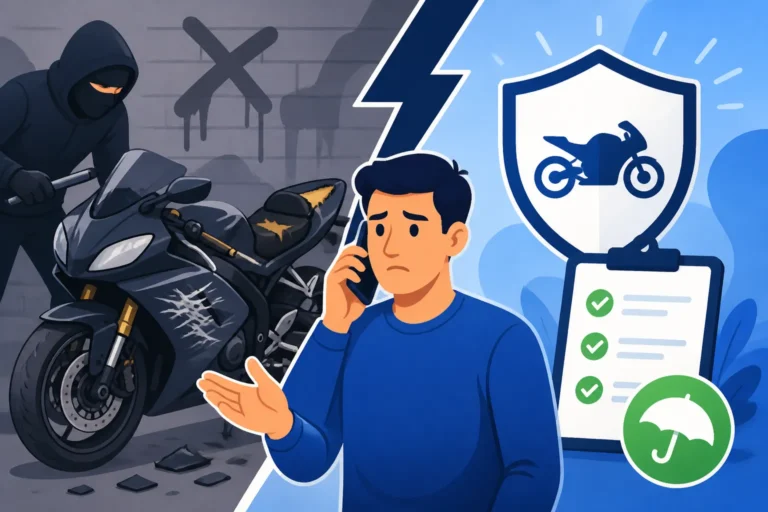
Getting into a motorcycle accident is stressful enough without the added burden of trying to navigate the confusing world of insurance claims. One of the biggest frustrations riders face is dealing with an insurance adjuster who seems determined to offer you less than you truly deserve. This guide is here to walk you through the often daunting process of negotiating with an insurance adjuster, empowering you with the knowledge and strategies to ensure your claim is handled fairly and you receive a just settlement for your damages and injuries.
Understanding the Insurance Adjuster's Role and Perspective
When you're reeling from an accident, it's easy to see the insurance company and their adjuster as being on your side, ready to make everything right. However, it's crucial to understand that an insurance adjuster's primary loyalty is to their employer, the insurance company. Their job is to protect the company's bottom line, which often means minimizing payouts. This isn't necessarily malicious, it's just how the business operates, and knowing this upfront is your first step in effective negotiation.
What an Adjuster Does and Doesn't Do
An insurance adjuster is tasked with investigating your claim, assessing the damages, and ultimately determining how much the insurance company will pay out. They will gather evidence, review reports, and communicate with all parties involved. They might seem friendly and empathetic, and many genuinely are, but their core objective is to settle your claim for the lowest reasonable amount possible. They are not there to ensure you get the absolute maximum compensation for your losses, but rather a fair settlement from the company's perspective.
This often means that while they might acknowledge your pain or property damage, their initial offers are almost always a starting point, not a definitive final sum. They are skilled negotiators, trained to identify weaknesses in claims and leverage information to their company's advantage. It’s important not to view them as an adversary, but rather as a professional who has a different set of incentives than you do. You need to be prepared to present your case robustly, backing up every assertion with solid evidence.
For instance, if your motorcycle was involved in a minor fender bender, the adjuster will quickly assess the visible damage. They might look up average repair costs for similar bikes and offer you a sum. But what if there's hidden frame damage, or your custom exhaust system was scratched, which requires specialized repair that costs more than their typical estimate? It's your responsibility to bring these details to their attention and provide proof.
The Adjuster's Initial Offer: Why It's Often Low
It's almost a universal truth in the insurance world: the first offer from an adjuster is rarely their best offer. This isn't a trick, it's a negotiation strategy. They start low, hoping you'll accept it, especially if you're stressed, unfamiliar with the process, or desperate for a quick resolution. This initial figure is often calculated based on basic, generalized data rather than a comprehensive understanding of your specific damages, injuries, and losses.
Think of it like buying a house. A seller always lists it for more than they expect to get, and a buyer always offers less. The final price is somewhere in the middle, reached through negotiation. Insurance claims work similarly. The adjuster's initial offer might account for basic medical bills and standard motorcycle repair costs, but it might not fully factor in your lost wages, the cost of specialized medical treatments, diminished value of your bike, or the very real pain and suffering you've endured.
For example, if you had a low-speed slide and bent your handlebars and scraped a fairing, the adjuster might offer a quick sum for basic repairs. But if that slide also aggravated an old back injury, causing weeks of physical therapy and missed work, their initial offer won't reflect that deeper impact. They are looking at the immediate, easily quantifiable damages, not necessarily the ripple effect on your life. This is why a detailed understanding of How to File a Motorcycle Insurance Claim effectively is so important.
Gathering Your Evidence and Building a Strong Case
The single most powerful tool you have in negotiating with an insurance adjuster is strong, irrefutable evidence. Without it, your claims of higher damages or increased pain and suffering are just words against their carefully calculated figures. Building a comprehensive case takes time and meticulous documentation, but it will pay dividends when it's time to talk numbers.
Documenting Your Accident Scene Thoroughly
The moments immediately following an accident can be chaotic, but it's crucial to gather as much information as possible from the scene. Start with photographs and videos. Take wide shots showing the overall scene, the positions of vehicles, and any relevant road signs or landmarks. Then, move to close-ups of all damage to your motorcycle, other vehicles involved, and any property damage. Don't forget tire marks, debris, and any skid marks on the road. The more angles, the better.
Beyond visual evidence, collect contact information from all parties involved, including their names, phone numbers, insurance details, and license plate numbers. If there were any witnesses, get their contact information and a brief statement of what they saw. Always ensure a police report is filed, and get the report number. The officer's assessment of fault and details about the accident can be incredibly valuable. Even seemingly minor details, like the weather conditions or road hazards, can play a role in supporting your account.
Imagine you're trying to prove a car cut you off, causing you to lay your bike down. A photo showing the car's turn signal not activated, or a witness statement confirming the abrupt lane change, becomes powerful evidence. Without it, it's your word against theirs. This thorough documentation process is a critical first step, as detailed in our guide on What to Do After a Motorcycle Accident Insurance Steps.
Tracking All Damages and Losses Meticulously
This is where many riders fall short. It’s not just about the repair bill for your motorcycle. You need to track every single loss, no matter how small it seems. This includes all medical expenses – ambulance rides, emergency room visits, doctor appointments, physical therapy, prescriptions, and any future medical costs recommended by your doctors. Keep every single bill, receipt, and record.
Beyond medical costs, document your lost wages. If you missed work, obtain a letter from your employer verifying the dates and your salary. If you're self-employed, gather tax returns and bank statements to prove income loss. Don't forget property damage beyond your bike: damaged helmet, riding gear, phone, or anything else that was ruined in the accident. Get multiple repair estimates for your motorcycle, especially if it has custom parts or modifications. If your motorcycle is a total loss, understanding What Happens When Your Motorcycle Is Totaled? is crucial for gathering specific evidence about its pre-accident value.
Lastly, and often overlooked, is the concept of "pain and suffering" and emotional distress. While intangible, these are very real losses. Keep a daily journal detailing your physical pain, discomfort, sleep disturbances, anxiety, inability to enjoy hobbies, and any other ways the accident has negatively impacted your quality of life. Even noting down the small details, like difficulty sleeping or struggling to lift groceries, paints a clearer picture for the adjuster.
Understanding Your Policy and State Laws
Before you even start talking numbers, you need to be intimately familiar with your own motorcycle insurance policy. What kind of coverage do you have? Do you have liability, collision, comprehensive, or perhaps uninsured/underinsured motorist (UM/UIM) coverage? Knowing your limits for each of these will set a realistic expectation for what your own policy can pay out. For example, if you have Liability Coverage for Motorcycles Explained, it will only cover damages you cause to others, not your own bike or injuries.
Also, be aware of the minimum liability limits required in your state. For instance, in Texas, the minimum liability coverage is 30/60/25, meaning $30,000 for bodily injury per person, $60,000 for bodily injury per accident, and $25,000 for property damage. If the at-fault driver only has minimum coverage, and your damages exceed that, your UM/UIM coverage becomes incredibly important. You can find state-specific details in our guide on Motorcycle Insurance Requirements by State 2026 Guide.
Knowing your policy also helps you understand deductible amounts, exclusions, and any special endorsements you might have, like custom parts coverage. If the at-fault driver's insurance company is low-balling you, and your damages are significant, understanding your options through your own policy (like filing a claim under your UM/UIM coverage) gives you more leverage. Knowledge of Financial Responsibility Laws for Riders can also inform your strategy.
Strategies for Effective Negotiation with Your Adjuster
Negotiation is a skill, and like any skill, it can be learned and improved. Approaching your discussions with an insurance adjuster strategically, professionally, and with a clear understanding of your goals will significantly increase your chances of a fair settlement.
Communicating Professionally and Clearly
When you interact with the adjuster, always maintain a calm, professional, and courteous demeanor, even if you’re feeling frustrated. Emotional outbursts or aggressive language will only hinder your case. Remember, everything you say can be used in their assessment. Stick to the facts, avoid speculation, and never admit fault, even if you think you might have been partially responsible. Let the evidence speak for itself.
It's highly advisable to keep detailed records of all communications. Note down the date, time, who you spoke with, and a summary of the conversation. If possible, communicate primarily in writing (email or certified mail). This creates a paper trail and eliminates any "he said, she said" disputes. When responding to questions, be direct but concise. If they ask for a recorded statement, politely decline until you've consulted with an attorney, especially if your injuries are serious. Insurance companies like Progressive or The Zebra often have specific protocols their adjusters follow, so being prepared for various requests is key.
For example, if an adjuster calls you unexpectedly, you might say, "Thank you for calling. I'm not in a position to discuss the details of the accident right now, but I will be happy to follow up with a written summary of my damages and losses, along with supporting documentation, via email." This gives you time to organize your thoughts and ensures you have a record of your communication.
Presenting Your Evidence and Justifying Your Demands
When you're ready to make your counter-offer, don't just throw out a higher number. Present it as a well-reasoned demand package. This package should include all the evidence you've meticulously gathered: the police report, medical records and bills, lost wage statements, repair estimates, photos of the scene and damages, witness statements, and your pain and suffering journal. Each item in your demand should be directly supported by this evidence.
Explain why your requested amount is justified. If the adjuster offers $5,000 for your totaled bike, but you have three independent appraisals showing its pre-accident value was $8,000 (especially if it's a classic or custom bike), present those. If they question your physical therapy costs, show them the doctor's recommendations and the bills. Don't be afraid to highlight how the accident has affected your daily life – the inability to ride your motorcycle, participate in hobbies, or even perform basic tasks. This helps humanize your claim beyond just numbers. You can learn more about specific claim types in our guide on How to Negotiate a Motorcycle Total Loss Settlement.
This isn't about telling a sob story; it's about factual, evidence-based storytelling. You're painting a complete picture of your losses, both economic and non-economic. If the adjuster from a company like The Zebra or Progressive pushes back on a specific cost, be ready to provide a specific, documented reason for that cost. Perhaps your fairing required specialized paint that costs more than a standard factory color, or your medical treatment included expensive diagnostic tests crucial for your recovery.
Knowing When to Hold Firm and When to Compromise
Negotiation is a dance, a give-and-take. You'll likely start with a higher demand, and the adjuster will likely counter with a slightly improved offer. The key is to have a "walk-away" number – the lowest amount you're willing to accept before you consider other options, like legal action. This doesn't mean you're inflexible, but it means you know your bottom line.
Consider what you are willing to concede on. Perhaps you have a strong case for property damage but a slightly weaker one for a minor soft tissue injury that has mostly resolved. You might be willing to slightly reduce your demand on the injury claim if the adjuster meets you closer to your ideal figure on property damage or other losses. Always remember the total value of your claim, not just individual components.
If negotiations reach a standstill, and the adjuster refuses to budge on an unreasonable offer, you have options. You could consider filing a small claims court lawsuit (for smaller amounts), pursuing arbitration or mediation if your policy allows for it, or, most commonly for significant injuries, consulting with a personal injury attorney. An attorney can reopen negotiations with a stronger legal standing and is often more effective at getting fair compensation, especially when dealing with complex cases or persistent lowball offers. This might also speed up the claim process, as sometimes How Long Does a Motorcycle Insurance Claim Take? is directly related to the complexity of negotiations.
Common Pitfalls and How to Avoid Them
The insurance claims process is full of potential traps for the unwary. Being aware of these common pitfalls can help you protect your rights and maximize your settlement.
Don't Settle Too Early or Accept the First Offer
This is perhaps the biggest mistake people make. After an accident, you might be overwhelmed, stressed, and eager to just put the whole ordeal behind you. An adjuster might prey on this by offering a quick, seemingly decent settlement. However, accepting a quick offer, especially if you have sustained injuries, is almost always a bad idea.
The full extent of your injuries might not be immediately apparent. What seems like a minor ache could develop into a chronic condition requiring extensive treatment. If you settle early, you waive your right to claim any further damages related to that accident. This means if you discover new injuries or your existing injuries worsen weeks or months down the line, you're out of luck. Always wait until you have a clear medical prognosis and all your treatment plans are finalized before considering a settlement.
This also applies to property damage. A quick inspection might miss hidden damage, such as a bent frame or internal engine issues that only become apparent after the bike is ridden for a bit. Once you sign that release, you can't go back and claim more money for newly discovered damage. Be patient and thorough.
Avoiding Common Adjuster Tactics
Adjusters are trained to minimize payouts, and they have a few common tactics they might employ:
- Delay Tactics: They might drag out the process, hoping you'll become frustrated and accept a lower offer just to be done with it. Keep sending polite, firm follow-up communications.
- Downplaying Injuries: They might suggest your injuries aren't as severe as you claim or that they existed prior to the accident. This is why meticulous medical documentation is vital.
- Requesting Recorded Statements: As mentioned, politely decline. A recorded statement can be used against you if you say something that contradicts later evidence or your policy.
- Pressuring You to Sign Releases: Never sign anything without fully understanding it, and ideally, without legal review. This often includes medical record releases that are too broad, or settlement releases that waive all future claims.
- Blaming You: They might try to shift blame for the accident onto you, even if partially, to reduce their liability. Stick to the facts and the police report.
Understanding different Types of Motorcycle Insurance Coverage Explained and knowing what exactly What Does Full Coverage Motorcycle Insurance Mean? can protect you against these tactics is paramount. For example, if they try to downplay a cracked helmet, knowing your accessories coverage can directly counter their argument.
Seeking Professional Help When Needed
There comes a point where navigating the complexities of an insurance claim, especially after a serious accident, becomes too much to handle on your own. If your injuries are significant, if there's a dispute over fault, if the adjuster is uncooperative, or if you simply feel overwhelmed, it's time to consult a personal injury attorney.
An experienced motorcycle accident attorney understands insurance law, knows the value of your claim, and is adept at negotiating with insurance companies. They can handle all communications with the adjuster, gather all necessary evidence, and ensure your rights are protected. They can also advise you on the true value of your case, including potential future medical expenses and long-term loss of earning capacity, which are often underestimated by individuals.
While hiring an attorney means they'll take a percentage of your settlement, for serious claims, the net amount you receive can often be significantly higher than what you would have achieved on your own. They level the playing field, making sure you're not taken advantage of by large insurance corporations.
| Action | What to DO | What NOT to DO |
|---|---|---|
| Communication | Be polite, professional, factual. Keep detailed written records. | Be emotional, aggressive, or admit fault. Give recorded statements without legal advice. |
| Evidence Gathering | Meticulously document all damages, injuries, and losses (photos, videos, receipts, medical records). | Rely on memory or assume the adjuster will find all evidence. |
| Policy Knowledge | Understand your own insurance policy and relevant state laws. | Assume the adjuster will explain everything or that they are solely looking out for your best interest. |
| Initial Offer | View the first offer as a starting point. Counter with a well-supported demand. | Accept the first offer without negotiation, especially for injuries. |
| Negotiation | Justify your demands with evidence. Be prepared to compromise but know your bottom line. | Give vague demands. Be inflexible or refuse to engage in a back-and-forth. |
| Settlement | Wait until a clear prognosis for injuries is known. Review all release forms carefully, possibly with legal counsel. | Sign settlement releases if you're unsure of the full extent of your damages or without legal review. |
| Legal Counsel | Consult an attorney for serious injuries, complex claims, or stalled negotiations. | Avoid legal counsel due to perceived costs, even when facing significant losses. |
Disclaimer
Please remember that this article provides general information and is not a substitute for professional legal advice. Every accident and insurance claim is unique. It is highly recommended to consult with a qualified attorney or insurance professional to discuss the specifics of your situation and understand your rights and options.