Pennsylvania Motorcycle Helmet Law
Riding through the rolling hills of the Alleghenies or navigating the busy streets of Philadelphia offers some of the best motorcycling in the country, but Pennsylvania’s laws can be a bit of a head-scratcher. You might see one rider in a full-face lid and another enjoying the breeze without one, leaving you wondering what is actually legal. This guide clears up the confusion surrounding the Pennsylvania motorcycle helmet law so you can stay compliant and protected.
The Core Requirements of Pennsylvania's Helmet Law
Pennsylvania operates under what we call a "choice" law, but it is not a free-for-all. Unlike states with universal helmet laws where every single person on a bike must be geared up, or states where no one is required to wear one, the Keystone State has specific criteria you must meet before you can legally ditch the helmet. If you don't meet these very narrow requirements, you are legally obligated to wear a helmet that meets Department of Transportation (DOT) standards. This is one of the most misunderstood parts of riding here, and getting it wrong can lead to a frustrating roadside stop.
Who is Absolutely Required to Wear a Helmet
First and foremost, age is the biggest factor in Pennsylvania. Any individual under the age of 21 who is operating or riding on a motorcycle must wear a protective helmet. There are zero exceptions to this rule. Even if you have been riding dirt bikes since you were five years old, the moment you hit the pavement on a street-legal machine, that helmet has to stay on until your 21st birthday.
Furthermore, if you are carrying a passenger, the law applies to them based on their own age and the status of the operator. If the person operating the motorcycle is required to wear a helmet, then the passenger must also wear one, regardless of the passenger’s age. This creates a "follow the leader" dynamic that is important to remember when you are giving someone a lift. If you’re 19 and your passenger is 25, you both need helmets. When comparing Motorcycle Helmet Laws by State, you'll find this age-based tiered system is common, but PA’s specific experience requirements for adults are what really set it apart.
The Two-Year or Safety Course Exception
For those over the age of 21, the "choice" to ride without a helmet only kicks in once you have proven you have the experience or the training to handle a bike safely. To ride helmet-free in Pennsylvania as an adult, you must meet one of two very specific conditions. The first is having at least two full years of riding experience. This isn't just "I've owned a bike for two years"; it technically refers to holding a motorcycle license or endorsement for that duration.
The second way to gain the legal right to choose is by completing a motorcycle safety course approved by the Pennsylvania Department of Transportation (PennDOT) or the Motorcycle Safety Foundation (MSF). In fact, Pennsylvania offers the Pennsylvania Motorcycle Safety Program (PAMSP), which provides free training to residents with a valid motorcycle permit or license. Taking this course is the fastest way to get that "choice" status, and it honestly makes you a much better rider. It also plays a huge role in your overall Motorcycle License, Endorsement & Insurance package, as many insurers view that certificate as a sign of a lower-risk client.
Standards for Legal Helmets
When the law says you must wear a helmet, it doesn't mean just any plastic cap will do. Pennsylvania Title 75, Section 3525, specifies that helmets must be approved by the DOT. You can usually tell a helmet is legal if it has a permanent "DOT" sticker on the back, but be careful—many "novelty" helmets sold at swap meets look the part but offer zero protection and are technically illegal.
A legal helmet must have a firm inner liner (usually about an inch thick of polystyrene foam), sturdy chin straps, and a certain weight to it. If you can squeeze the sides of the helmet and it flexes like a toy, it's not going to keep you legal or safe. When you look at Motorcycle Insurance Requirements by State (2026 Guide), you'll see that while insurance covers the bike, the state laws cover your head, and using a non-compliant lid can lead to the same penalties as wearing no lid at all.
Eye Protection and Other Safety Gear Mandates
One thing that catches a lot of riders off guard in Pennsylvania is that the eye protection law is completely separate from the helmet law. Even if you meet all the requirements to ride without a helmet—you’re over 21, you’ve got two years of experience, or you’ve passed the safety course—you still cannot legally ride without eye protection. This is a mandatory requirement for every single operator and passenger on a motorcycle in the state.
The Legal Requirement for Eye Protection
Pennsylvania law is very clear: no person shall operate or ride a motorcycle unless they are wearing an eye-protective device of a type approved by the Department. This can include a helmet visor, a pair of goggles, or even shatterproof glasses. The key word here is "shatterproof." Your standard fashion sunglasses might not cut it if you get pulled over by a trooper who is having a particularly thorough day.
The device needs to be specifically designed to protect your eyes from wind, debris, and insects. If you’ve ever hit a June bug at 60 mph on I-81, you know exactly why this law exists. A bug or a pebble to the eye can instantly blind a rider, leading to a catastrophic crash. It’s a small detail, but it’s one of those things that riders looking for the Is Motorcycle Insurance Required in Pennsylvania? answer often overlook until they are standing on the side of the road with a ticket.
Why Eye Protection Matters for Your Safety and Legality
Beyond just avoiding a fine, eye protection is about maintaining situational awareness. In Pennsylvania, our weather can turn from a clear sunny day to a torrential downpour in about fifteen minutes. Trying to ride through a rainstorm without goggles or a visor is like trying to see through a car's windshield with no wipers. It’s dangerous and entirely preventable.
From a legal standpoint, if you are involved in an accident and you weren't wearing the required eye protection, it could be used against you. Even if the other driver was clearly at fault, an insurance adjuster might argue that your lack of eye protection contributed to your inability to avoid the collision. This is a major factor in What Affects Your Motorcycle Insurance Rate? and how claims are handled. Keeping a pair of clear goggles in your saddlebags for night riding or rain is one of the smartest "veteran" moves you can make.
| Requirement Group | Helmet Needed? | Eye Protection Needed? | Requirements to Skip Helmet |
|---|---|---|---|
| Under 21 | Yes | Yes | None (Always Required) |
| Over 21 (New Rider) | Yes | Yes | Complete 2 years experience OR Safety Course |
| Over 21 (Experienced) | No (Optional) | Yes | Already met via experience/course |
| Passenger (under 21) | Yes | Yes | None |
| Passenger (over 21) | Depends on Driver | Yes | Only optional if driver is also legal to skip |
How Helmet Use Affects Your Rights and Claims
Look, I’ve been riding long enough to know that the "helmet vs. no helmet" debate is a personal one for many people. But as a blogger who focuses on the realities of the road, I have to be honest about how this choice affects you if things go sideways. Pennsylvania follows a "comparative negligence" rule, which can get very messy very quickly if you are involved in a crash while not wearing a helmet.
Helmet Use and Personal Injury Lawsuits
If you are injured in an accident caused by someone else, you naturally want them to pay for your medical bills and your bike repairs. However, if you weren't wearing a helmet, the defense will almost certainly argue that your injuries would have been less severe if you had been geared up. In Pennsylvania, if a jury finds that you were, say, 30% responsible for the severity of your injuries because you chose not to wear a helmet, your payout could be slashed by that same 30%.
This is a bitter pill to swallow when you're already dealing with road rash and hospital stays. The relationship between Helmet Law & Insurance: Does Not Wearing One Affect Claims? is one of the most critical things for any rider to understand. Even if it was legal for you to ride without a lid, the "reasonableness" of that choice is often debated in courtrooms across the state.
Impact on Insurance Premiums and Payouts
Insurance companies are in the business of calculating risk. If you have a history of safety course completion and you ride with full gear, you are a lower risk than someone who doesn't. While the state doesn't necessarily track your daily helmet use to set your rates, your choices definitely catch up with you in other ways. For instance, knowing How Much Is Motorcycle Insurance in Pennsylvania? often reveals that riders who have completed the safety course (which is required to go helmetless) receive significant discounts that stay with them for years.
If you ever find yourself in the unfortunate position of totaling your bike, the claims process looks at everything. If you are filing a medical claim under your own policy, and you weren't wearing a helmet in a state where it was required for you, the company might have grounds to investigate the claim more thoroughly. It’s always best to stay on the right side of the law to ensure your What Happens If You Get Caught Riding Without Insurance? nightmare doesn't get compounded by helmet violations.
Penalties and Enforcement in the Keystone State
Enforcement in Pennsylvania varies depending on where you are. In some rural areas, you might never see a patrol car for a hundred miles. But in high-traffic zones or during major events like the Gettysburg Bike Week, law enforcement is very aware of the helmet requirements. They know exactly what to look for: young-looking riders, passengers without gear, and the lack of that crucial "DOT" sticker.
Roadside Stops and Fines
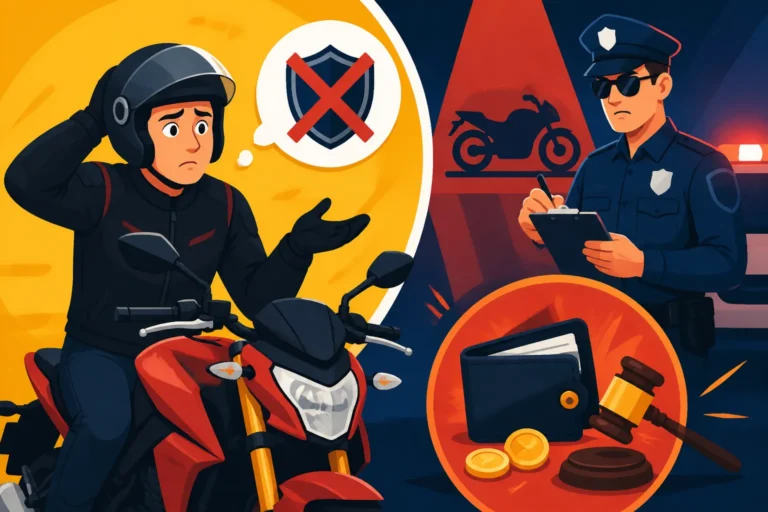
A helmet violation in Pennsylvania is typically a summary offense. This means you’ll get a ticket, and you’ll have to pay a fine along with various court costs. While the fine itself might only be around $25 to $100 depending on the local municipality, the "hidden" costs are what really hurt. The time spent on the side of the road, the potential for the officer to find other issues with your bike, and the processing fees can turn a quick ride into an expensive afternoon.
More importantly, being pulled over for a helmet violation gives the officer "probable cause" to check everything else. They will ask for your registration and proof of insurance. If you haven't kept up with your Is Motorcycle Insurance Required in Pennsylvania? obligations, a simple helmet stop can lead to your bike being impounded and your license being suspended. It’s simply not worth the risk.
The Domino Effect of a Helmet Citation
A single ticket might not seem like a big deal, but it can trigger a domino effect with your insurance company. Many insurers check your motor vehicle record (MVR) every year or whenever you try to renew your policy. A conviction for a helmet or eye protection violation tells the insurer that you are a "high-risk" rider. This can lead to a surcharged premium or the loss of your "safe rider" discounts.
Furthermore, if you are riding on a learner's permit, a helmet violation can be even more serious. In Pennsylvania, permit holders are under a microscope. Getting a ticket before you even have your full M5 endorsement can delay your ability to get licensed and significantly increase What Affects Your Motorcycle Insurance Rate? for years to come. The best advice? Wear the gear, get the training, and if you choose to ride without a lid, make sure you have every single one of your legal "i's" dotted and "t's" crossed first.
Disclaimer
This guide is provided for informational purposes only and does not constitute legal or professional insurance advice. Pennsylvania’s laws and regulations are subject to change, and local ordinances may vary. Always consult with the Pennsylvania Department of Transportation (PennDOT) or a qualified legal professional to confirm the current statutes regarding motorcycle operation and safety equipment in your specific area. Your insurance coverage is governed by the terms of your individual policy.