Can You Register a Motorcycle Without Insurance?
You finally found the perfect bike, the title is in your hand, and you are ready to make it official at the DMV. But then the realization hits: do you need to shell out for a policy before you even have your license plates? Navigating the paperwork trail can feel like a bureaucratic maze, especially when you are just trying to get on the road legally. This guide breaks down the complex relationship between registration and insurance, ensuring you don't waste hours in line only to be turned away.
The General Rule for Motorcycle Registration
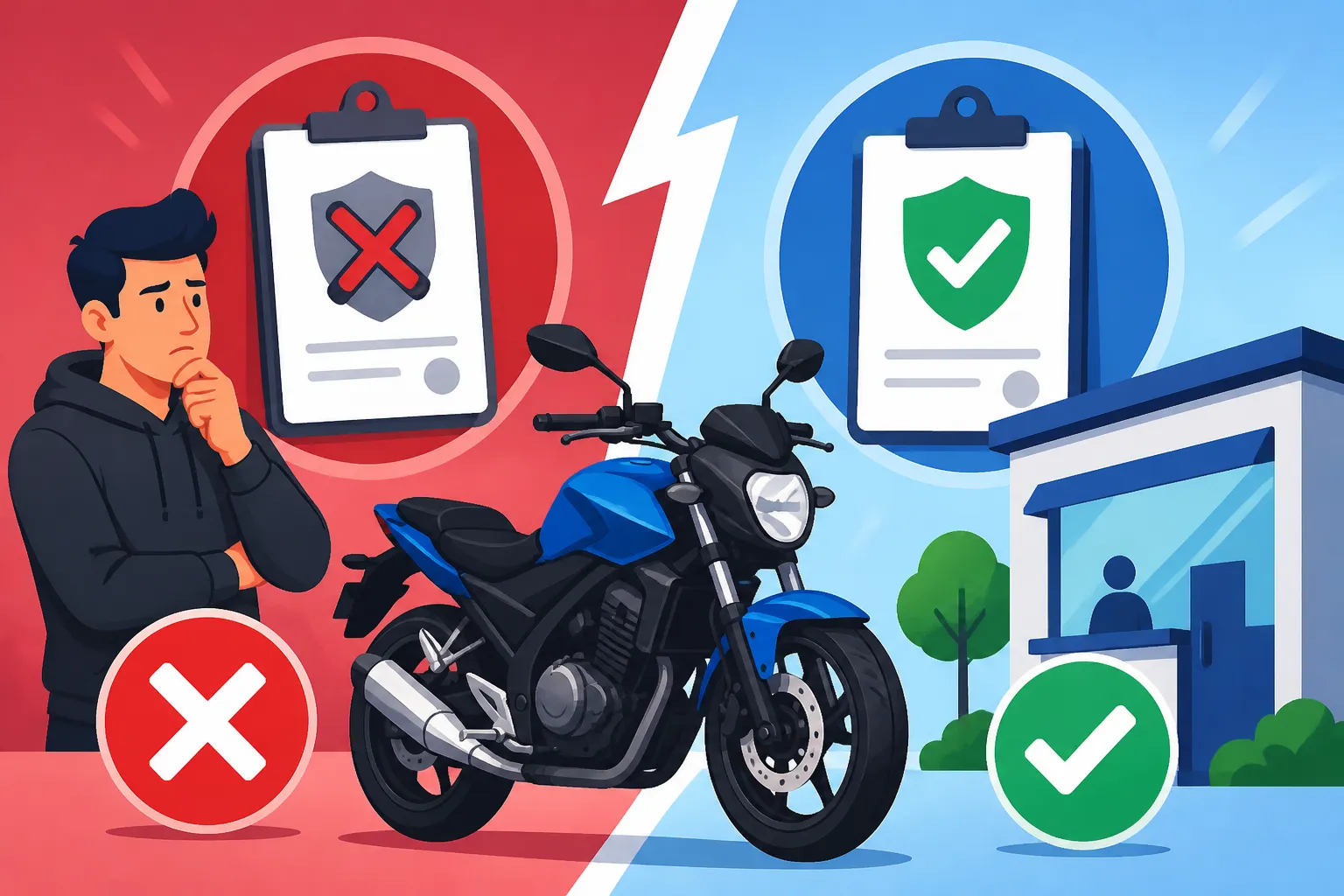
For the vast majority of riders in the United States, the answer is a firm no—you cannot register a motorcycle without proof of insurance. Most state Departments of Motor Vehicles (DMV) or equivalent agencies view registration and insurance as two halves of a single legal requirement. Registration proves that the state recognizes you as the owner and that the vehicle meets safety and tax standards, while insurance proves that you are financially responsible for any damage you might cause while operating that vehicle.
When you walk up to the clerk's window, one of the first documents they will ask for, right alongside the signed-over title and your identification, is your proof of insurance. In many states, the DMV's computer system is actually linked directly to insurance company databases. This means the clerk might see a "red flag" on their screen before you even hand over your paper insurance card. If the system doesn't show an active policy for that specific Vehicle Identification Number (VIN), the registration process usually grinds to a halt immediately.
Understanding Motorcycle Registration Without Insurance: Possible? is essential because many new owners think they have a "grace period" to get insured after they get their plates. While some insurance companies offer a grace period to cover a new purchase on your existing policy, the state almost never offers a grace period for the registration itself. You must show that the bike is covered the very moment you ask the state to issue a plate.
Why the DMV Requires Proof of Financial Responsibility
The primary reason states mandate insurance at the time of registration is the concept of financial responsibility. If every rider were allowed to register a bike and then "promise" to get insurance later, the roads would be filled with uninsured vehicles. By making insurance a prerequisite for registration, the state creates a gatekeeping mechanism. They are essentially saying that if you cannot afford the Minimum Liability Insurance Explained (The Three Numbers), you shouldn't be operating a heavy, motorized vehicle on public infrastructure.
This requirement protects other drivers and pedestrians. If you were to cause an accident on your way home from the DMV with your brand-new plates but no insurance, the victim would have no way to recover damages for their medical bills or property repairs. The registration serves as the state's stamp of approval that you are a "responsible" road user. Without that insurance binder, the state refuses to grant you the privilege of using public roads.
The Paperwork Threshold for New Owners
When you buy a bike from a dealership, they often handle the registration for you, and they will absolutely refuse to let you ride off the lot until they see a valid insurance card. However, in private party sales, the burden falls entirely on you. You'll need to gather a specific stack of documents before heading to the DMV. Typically, this includes the bill of sale, the original title signed by the seller, an odometer disclosure statement, and, of course, the Proof of Insurance & Registration for Motorcycles that matches the VIN on the title.
If you show up with a policy that is for a different motorcycle or a policy that hasn't started yet (a future-dated policy), the clerk will likely reject your application. The policy must be active on the day you are registering the bike. This often leads to a "chicken and egg" problem where riders feel they are paying for insurance on a bike they can't legally ride yet. Unfortunately, that is simply the cost of doing business when it comes to vehicle ownership.
State by State Variances and Requirements
While the "insurance before registration" rule is the standard, the United States is a patchwork of different legal frameworks. Every state has its own specific quirks, and what works in one state might get your bike impounded in another. It is vital to know the local laws of where you live and where you plan to ride.
States With Very Strict Enforcement
In states like California and Texas, the integration between the DMV and insurance providers is seamless and unforgiving. If you are looking into California Motorcycle Insurance Requirements, you will find that the state requires electronic notification from your insurer. If your insurance lapses even a month after you register, the DMV is notified electronically, and they may send you a notice of intent to suspend your registration.
Similarly, Texas Motorcycle Insurance Requirements are strictly enforced at the county tax assessor-operator offices where registration occurs. Texas uses a system called TexasSure to verify insurance in real-time. If you try to register a bike and the clerk can't find your policy in the TexasSure database, it doesn't matter if you have a printed card in your hand; they may still deny the registration until the electronic record is updated.
The Florida Exception and Its Nuances
Florida is often a source of massive confusion for riders. There is a persistent myth that you don't need insurance in the Sunshine State. However, the reality is far more complex. If you are asking Do You Need Insurance for a Motorcycle in Florida?, the answer is technically "no" to register the bike and get a plate, but "yes" if you want to avoid financial ruin or legal trouble after an accident.
In Florida, motorcycles are not defined as "motor vehicles" under the state's No-Fault Law, which means you don't have to show proof of insurance to get your registration or tags. However, if you are involved in an accident and you don't have insurance, you can face severe Penalties for Riding Without Insurance, including the suspension of your driver's license and the requirement to purchase an SR-22 filing for three years. So, while you can technically register without insurance there, it is a legal tightrope that most veteran riders strongly advise against.
Unique Registration Laws in Other States
Other states have different "carve-outs." For instance, in New Hampshire, you are not legally required to carry motorcycle insurance in most cases, though you are still liable for any damage you cause. Therefore, New Hampshire is one of the few places where you can walk into a town clerk's office and register a bike without showing an insurance card.
However, even in "optional" states, if you have a lien on the bike—meaning you financed it through a bank—the lender will absolutely require you to carry full coverage insurance. In these cases, the bank won't even release the necessary title documents to the DMV for registration until they receive a copy of your insurance policy.
| Requirement Category | Standard State Requirement | Florida/New Hampshire Exception | Financed Bike Requirement |
|---|---|---|---|
| Proof of Insurance | Required at time of registration | Not required for registration | Required by lender before registration |
| Title Ownership | Must be in your name or signed over | Must be in your name or signed over | Held by lienholder/lender |
| Safety Inspection | Often required for registration | Usually not required | Required for registration |
| Liability Limits | Must meet state minimums | Optional but highly recommended | High limits required by lender |
Buying a Bike and the Immediate Insurance Gap
The most common point of frustration occurs in the first 24 to 48 hours of owning a new motorcycle. You just handed over a stack of cash in a driveway, you have the title, and you want to get it home and get it registered. This "gap" period is where many riders run into trouble.
Using a Grace Period to Your Advantage
Many major insurance companies offer a Motorcycle Insurance Grace Period When Buying. If you already have an active motorcycle policy for another bike, your insurer might automatically extend that coverage to a newly purchased bike for a short window—typically 7 to 30 days.
This is incredibly helpful because it allows you to be "insured" the moment you sign the title, which satisfies the legal requirement for you to ride the bike home. However, you still need to call your agent and add the specific VIN to your policy before you head to the DMV. The DMV will not accept a "grace period" explanation; they want to see a temporary insurance card or a binder that specifically lists the year, make, and model of the bike you are trying to register.
Registering a Non-Operational Motorcycle
What happens if you bought a "basket case"—a bike that doesn't run and is currently being restored in your garage? Do you still have to pay for insurance just to get the title in your name and a registration record?
In many states, there is a middle ground called "Planned Non-Operation" (PNO) or "Storage Status." This allows you to register the vehicle with the state to prove ownership and clear the title without having to maintain active liability insurance. However, there is a major catch: you cannot get a license plate or a registration sticker for a PNO vehicle. You receive a document that says the vehicle is registered as non-operational. If you eventually want to ride it, you must then provide proof of insurance, pay a conversion fee, and only then will the DMV issue your tags.
If you are working on a project, check if you Do You Need Insurance to Store a Motorcycle? in your specific jurisdiction. Some states require "comprehensive-only" or "lay-up" coverage even for stored bikes if they are kept on public property or in certain types of housing. For high-value projects, looking into Do You Need Insurance for a Vintage or Classic Motorcycle? is wise, as it protects your investment from fire or theft while you are turning wrenches.
Consequences of Attempting to Bypass the System
It might be tempting to try and find a loophole or use a "photoshopped" insurance card to get through the DMV line. We strongly advise against this. The consequences of being caught without insurance—either at the DMV or on the road—far outweigh the cost of a basic liability policy.
Fines and Legal Penalties
If you manage to register a bike through a clerical error without insurance and are later pulled over, the penalties are swift. Most states will immediately impound the motorcycle. You will then be hit with a "no insurance" ticket, which can range from $500 to $2,000 depending on the state. On top of that, you will have to pay daily impound fees and towing fees.
In many jurisdictions, getting caught riding without insurance leads to an automatic suspension of your registration. To get your plates back, you'll have to pay a reinstatement fee and show proof of a new, often more expensive, insurance policy. If you are in a state that requires it, you may be forced to carry an SR-22 filing, which significantly inflates your premiums for several years.
Impact on Future Insurance Rates
Insurance companies view a "gap" in coverage or a registration suspension as a major red flag. If you try to buy insurance after being caught without it, you will likely be moved into a "high-risk" pool. This can double or triple your rates.
Furthermore, some companies will refuse to insure you at all if you have a history of operating an unregistered or uninsured vehicle. By trying to save $30 a month on a basic policy now, you might end up paying an extra $1,000 a year for the next five years. It is always cheaper to play by the rules from day one.
The Success Strategy for New Riders
To make your trip to the DMV as painless as possible, follow this chronological checklist. Do not skip steps, or you will find yourself waiting in that fluorescent-lit lobby twice.
- Get the Quote Early: Before you even buy the bike, call your insurance agent with the VIN or the specific model. Find out how much the Minimum Coverage to Ride Legally in Each State will cost you.
- Activate Upon Purchase: The moment you sign the bill of sale, call your insurer and activate the policy. Ask them to email you a digital "binder" or a temporary insurance card immediately.
- Check for Local Requirements: Some states require a safety inspection before registration. If your state does, you will need that insurance just to ride the bike to the inspection station.
- Print Your Documents: While many DMVs are starting to accept digital insurance cards, many clerks still prefer a physical piece of paper. Print out your temporary card to avoid any technical glitches at the window.
- Verify the VIN: Double-check that the VIN on your insurance card perfectly matches the VIN on the title. A single transposed digit can cause the DMV system to reject your application.
Summary of the Registration Process
Registering a motorcycle is the final hurdle in the buying process. It is the moment the bike truly becomes yours in the eyes of the law. While the requirement for insurance can feel like an annoying extra expense, it is a fundamental part of the "social contract" of riding. It ensures that you are protected, your assets are shielded, and the public is covered in the event of a mistake.
If you are feeling overwhelmed by the costs, remember that you can always shop around for the Cheapest Way to Insure a Motorcycle Legally. Many companies offer discounts for completing a safety course or for bundling your bike with your car insurance. By taking an hour to handle the insurance before you head to the DMV, you ensure that your first ride with those new plates is one of pure joy, rather than a stressful gamble with the law.
Disclaimer
The information provided in this guide is for educational and informational purposes only and does not constitute legal or professional insurance advice. Laws regarding motorcycle registration and insurance requirements vary significantly by state and are subject to frequent changes. Always consult with your local Department of Motor Vehicles and a licensed insurance agent to ensure you are in compliance with the most current regulations in your jurisdiction.