How Much Is Motorcycle Insurance in Pennsylvania?
Figuring out how much you’ll actually pay for motorcycle insurance in Pennsylvania can feel like trying to hit a moving target. With all the different bikes, rider profiles, and coverage options out there, it’s easy to get frustrated by vague answers. This comprehensive guide is here to cut through the confusion, break down the real costs for riders in the Keystone State, and give you solid, actionable advice on securing the best rates without sacrificing essential protection.
Understanding Motorcycle Insurance Costs in Pennsylvania
When you’re a rider in Pennsylvania, you quickly learn that while the scenery might be consistent, insurance rates are anything but. The cost of your motorcycle insurance isn’t just pulled from thin air; it’s a carefully calculated sum based on a multitude of factors, each contributing to the final premium you pay. It’s a complex equation, but understanding the variables is the first step to making sense of it all.
Why Pennsylvania Rates Vary So Much
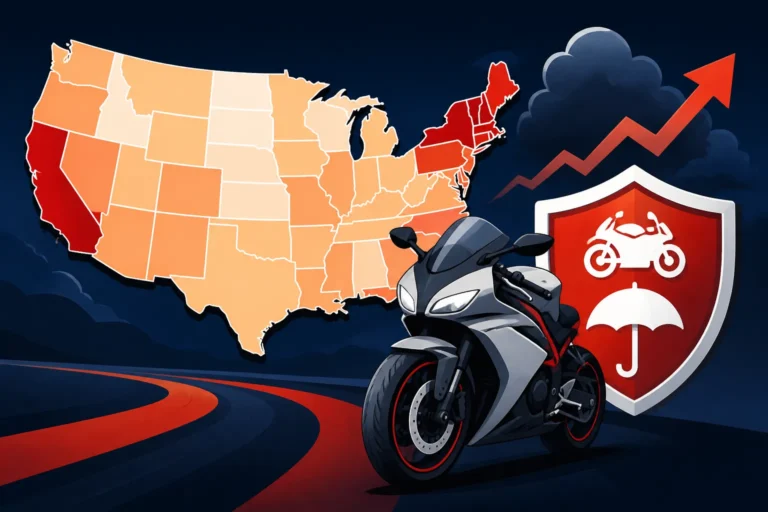
Pennsylvania is a diverse state, from the bustling streets of Philadelphia and Pittsburgh to the serene, winding roads of the Allegheny National Forest. This geographical variety, combined with diverse rider demographics, means that motorcycle insurance rates can swing wildly. Imagine a seasoned rider in rural Lancaster County on a classic cruiser versus a new rider in downtown Philly with a high-performance sport bike – their insurance experiences will be worlds apart. Your age, your driving history, the specific type of motorcycle you ride, and even the local crime rates in your zip code all play a significant role. Insurers look at these elements to assess risk, and that assessment directly translates into your premium. It’s not just about how you ride, but also about where and what you ride.
For instance, younger riders (especially those under 25) often face higher premiums because statistically, they are deemed more likely to be involved in accidents. Conversely, riders with a clean driving record and several years of experience will almost always see more favorable rates. The same principle applies to your bike; a brand-new Ducati Panigale will typically cost more to insure than a used Kawasaki Vulcan, simply due to its higher value, repair costs, and perceived risk profile. It’s a system designed to mitigate risk for the insurer, but it can certainly feel like a puzzle for us riders trying to budget our passion.
Average Cost Range for Pennsylvania Riders
So, what are we really looking at in terms of average costs here in Pennsylvania? While it's tough to give one definitive number, based on current market data, most riders in Pennsylvania can expect to pay anywhere from $300 to $1,000 per year for basic liability coverage, and upwards of $1,200 to $2,500+ per year for full coverage. These are broad averages, of course, and your personal rate could fall outside this range. For example, a young rider with a new sport bike in a high-density urban area like Philadelphia could easily see rates on the higher end, or even exceed $3,000 annually. On the flip side, an experienced rider in a more rural part of the state with an older, less powerful cruiser might enjoy premiums closer to the lower end of the spectrum for full coverage.
It's important to remember that "average" doesn't necessarily mean your average. Factors like your chosen deductible, any additional endorsements you add (like custom parts coverage or roadside assistance), and even how many miles you plan to ride annually will fine-tune this figure. This wide range highlights why simply asking "How much is motorcycle insurance in Pennsylvania?" often leads to frustratingly vague answers; there are simply too many variables at play.
Minimum Coverage Requirements in Pennsylvania
Before you even think about optional coverages, you need to understand the absolute legal minimums to ride in Pennsylvania. The state mandates specific liability coverage that every motorcyclist must carry. This isn't just a suggestion; it's the law, and failing to comply can lead to serious penalties. In Pennsylvania, the minimum liability coverage requirements are:
- $15,000 for bodily injury liability per person: This covers medical expenses, lost wages, and pain and suffering for one person you injure in an accident you cause.
- $30,000 for total bodily injury liability per accident: This is the maximum amount your insurance will pay for all injuries in an accident you cause, regardless of how many people are hurt.
- $5,000 for property damage liability per accident: This covers damages to another person's property (like their vehicle or fence) if you're at fault in an accident.
These numbers are often expressed as 15/30/5. Now, while these are the legal minimums, I cannot stress enough that they are often insufficient in the event of a serious accident. Imagine causing an accident where the other driver sustains severe injuries requiring extensive medical care; $15,000 might barely cover a single ambulance ride and an emergency room visit, let alone ongoing treatment or lost income. If the damages exceed your policy limits, you could be personally responsible for the rest, potentially leading to financial ruin. This is why most seasoned riders strongly advise carrying more than the bare minimum, even if it means a slightly higher premium. Understanding your state's minimum liability insurance explained (the three numbers) is crucial, but so is recognizing its limitations.
Pennsylvania's Minimum Motorcycle Insurance Requirements
| Coverage Type | Minimum Required in Pennsylvania | What it Covers |
|---|---|---|
| Bodily Injury Liability (per person) | $15,000 | Medical bills, lost wages, and pain & suffering for one person you injure. |
| Bodily Injury Liability (per accident) | $30,000 | Total amount your policy pays for all injured parties in an accident you cause. |
| Property Damage Liability (per accident) | $5,000 | Damage to another person's property (e.g., car, fence) if you are at fault. |
| Medical Benefits | $5,000 | Reasonable and necessary medical expenses for yourself and your passengers, regardless of who is at fault. |
Note: While many states don't explicitly require medical payments for motorcycles, Pennsylvania does mandate basic Medical Benefits coverage for vehicles, including motorcycles.
Factors That Heavily Influence Your Pennsylvania Motorcycle Insurance Premium
It's not just a guessing game; insurance companies have sophisticated algorithms that crunch a ton of data to determine your individual risk profile. This profile is what ultimately dictates your premium. Understanding these factors can help you make informed decisions, both about your riding habits and your coverage choices.
Your Riding Profile Matters
This is perhaps the biggest bucket of variables, all centering around you, the rider. Insurers want to know how risky you are to insure.
- Age and Riding Experience: Let's be real, if you're a fresh-faced rider under 25, you're going to pay more. It's an unfortunate truth, but actuarial data shows that younger, less experienced riders are statistically more prone to accidents. As you gain years and experience, your rates tend to drop. This is why many riders over 50 often enjoy some of the lowest rates. Getting your motorcycle license, endorsement & insurance in Pennsylvania is the first step, but proving your experience over time truly pays off.
- Your Driving Record: A clean driving record is gold. Speeding tickets, at-fault accidents, or DUIs in your car or on your bike will send your rates skyrocketing. Insurers see these as clear indicators of high risk. If you've got a few blemishes, consider taking a defensive riding course to show commitment to safety, which some insurers might reward. Even something as seemingly minor as a single speeding ticket can have a disproportionate impact on your premium.
- Credit Score: Yep, your credit score matters. Insurers use credit-based insurance scores as a predictor of how likely you are to file a claim. Riders with excellent credit scores often receive lower premiums, as they are statistically less likely to file claims. If your credit isn't stellar, don't despair; focus on improving it over time, as this can have a positive ripple effect on all your insurance costs, not just your motorcycle policy.
- Annual Mileage: How much you ride also plays a part. If you only put a few hundred miles on your bike each year for weekend cruises, you're generally considered less risky than someone who commutes daily, racking up thousands of miles. Some policies even offer discounts for low annual mileage, reflecting the reduced exposure to risk. If you only ride seasonally, you might also look into options like seasonal lay-up or winter storage insurance, which can pause certain coverages when your bike is off the road.
Your Motorcycle's Specifics
The machine itself is a huge factor. Not all bikes are created equal in the eyes of an insurance underwriter.
- Make, Model, and Year: A powerful, high-performance sport bike like a Yamaha R1 or a Kawasaki Ninja will almost always cost more to insure than a modest cruiser like a Honda Rebel or an older touring bike. This is due to several reasons: higher potential for speed, higher theft rates for certain models, and more expensive parts and labor for repairs. Even within the same brand, a basic model will cost less than its high-spec counterpart.
- Engine Size (CC): Generally, the larger and more powerful the engine, the higher the insurance premium. A 250cc beginner bike is much cheaper to insure than a 1000cc superbike. Insurers often link larger engine sizes with higher risk of accidents and more severe damages. Understanding how does engine size (CC) affect insurance cost? is key when choosing your next ride.
- Value and Replacement Cost: A brand-new, expensive motorcycle naturally costs more to insure for comprehensive and collision coverage because the potential payout in case of theft or a total loss is much higher for the insurance company. If you've got a classic or vintage motorcycle, you might need specialized agreed value vs stated value vs actual cash value coverage to ensure you're adequately protected.
- Modifications and Custom Parts: Did you trick out your Harley-Davidson with custom paint, chrome, or a high-performance exhaust? Those upgrades are awesome, but they also increase the value of your bike and, consequently, the cost to repair or replace it. Most standard policies have limited coverage for accessories & custom parts coverage explained. If you've invested heavily in modifications, you'll want to ensure you have specific coverage to protect that investment, which will add to your premium.
Where You Live and Ride in PA
Location, location, location! Even within Pennsylvania, where you hang your helmet can significantly impact your rates.
- Urban vs. Rural Areas: Riders in densely populated cities like Philadelphia or Pittsburgh typically face higher insurance rates. Why? More traffic means a higher likelihood of accidents, and urban areas often have higher rates of motorcycle theft and vandalism. On the other hand, riders in more rural counties, with less traffic and lower crime rates, usually enjoy lower premiums.
- Local Theft and Accident Rates: Insurance companies meticulously track data. If your zip code has a higher incidence of motorcycle theft or a greater number of reported accidents, your rates will reflect that increased risk. This isn't a judgment on your riding, but rather a statistical reality of your environment.
- Weather and Riding Season: While Pennsylvania has four distinct seasons, the riding season is generally shorter than in southern states. This might seem like it would lower rates, but insurers factor in everything. However, if you store your bike for winter, you can often suspend parts of your coverage, opting for comprehensive-only during the off-season. This is called seasonal lay-up & winter storage insurance and can definitely save you some money when you're not riding.
Strategies to Lower Your Motorcycle Insurance Costs in Pennsylvania
It might seem like the deck is stacked against you, but there are absolutely smart, proactive steps you can take to significantly reduce your motorcycle insurance premiums in Pennsylvania. It's about being an informed consumer and making strategic choices.
Leveraging Discounts and Bundling
Insurance companies love to reward safe, responsible customers. Don't leave money on the table – actively seek out every discount you qualify for!
- Motorcycle Safety Course Completion: This is a big one. Completing an approved motorcycle safety course (like those offered by the Motorcycle Safety Foundation) not only makes you a safer rider but often qualifies you for a discount of 10-15% or more. Many insurers view this as a significant reduction in risk. It's a win-win, really.
- Multi-Policy or Bundling Discounts: This is one of the easiest ways to save. If you insure your car, home, or even renters insurance with the same company that insures your motorcycle, you'll almost always get a discount on all your policies. Companies like Progressive or Geico are well-known for offering attractive bundling options. It simplifies your insurance life and keeps more money in your wallet.
- Association Discounts: Are you part of a motorcycle club, a professional organization, or a military veteran? Many insurers offer discounts to members of specific groups. Always ask if your affiliations qualify you for any special rates.
- Anti-Theft Device Discounts: Installing an alarm system, a GPS tracker, or even just keeping your bike garaged can earn you a discount. Insurers like anything that reduces the risk of theft or damage. A secure storage location, whether it's a private garage or a locked shed, demonstrates a commitment to protecting your asset.
- Clean Driving Record and Loyalty Discounts: As mentioned earlier, a spotless driving record is a huge money-saver. Additionally, if you stick with the same insurer for several years without claims, they might reward your loyalty with a discount. It pays to ask!
Smart Coverage Choices and Deductibles
While you never want to under-insure yourself, there are smart ways to fine-tune your coverage to reduce costs without leaving you exposed.
- Adjusting Deductibles: Your deductible is the amount you pay out-of-pocket before your insurance kicks in for collision or comprehensive claims. Choosing a higher deductible (e.g., $1,000 instead of $500) will lower your monthly or annual premium. The trade-off is that you'll pay more upfront if you do have a claim. This is a common strategy to lower your motorcycle insurance premium, but only choose a higher deductible if you have enough savings to comfortably cover it should an incident occur.
- Evaluating Comprehensive vs. Collision for Older Bikes: If you have an older, lower-value motorcycle, the cost of comprehensive and collision coverage might eventually outweigh the potential payout. For a bike worth, say, $3,000, paying $500-$800 annually for full coverage might not make financial sense, especially after factoring in your deductible. At some point, it might be more economical to switch to liability-only coverage, essentially self-insuring against damage to your own bike. This is a personal decision that requires weighing risk versus cost.
- Reviewing Additional Coverages: While coverages like roadside assistance, trip interruption, and custom parts are great to have, they do add to your premium. Periodically review what motorcycle coverage you actually need and consider if any optional coverages are no longer essential for your current riding habits or bike. For instance, if you've sold your highly customized bike and bought a stock one, you might not need the same level of custom parts coverage.
Shopping Around for the Best Rates
This is arguably the single most impactful thing you can do to save money. Never settle for the first quote you get.
- Compare Quotes from Multiple Insurers: Insurance rates vary dramatically from one company to another, even for the exact same coverage. Companies like Progressive, Dairyland, Markel, Geico, and Nationwide are all major players in the motorcycle insurance market in Pennsylvania. What one company considers high risk, another might view differently, leading to significant price differences. Don't be afraid to compare motorcycle insurance quotes from at least three to five different providers.
- Use Online Comparison Tools: Tools like The Zebra can be incredibly helpful here. They allow you to enter your information once and receive multiple quotes from various insurers, making the comparison process much faster and easier. It’s like having a personal shopper for your insurance, ensuring you don’t miss out on a better deal.
- Re-shop Annually: Your life changes, and so do insurance rates and company offerings. What was the cheapest policy last year might not be this year. Make it a habit to shop your motorcycle insurance annually, or whenever you have a significant life event like moving, getting a new bike, or having a clean record for a few more years. You might be surprised at the savings you find just by dedicating an hour to comparing options.
- Consider an Independent Agent: An independent insurance agent works with multiple carriers, not just one. They can often do the shopping for you and help you find the best rates and coverage combinations tailored to your specific needs as a Pennsylvania rider. They can also help you understand complex policy details and identify potential gaps in coverage.
By being proactive and savvy, you can navigate the world of motorcycle insurance in Pennsylvania and find a policy that offers robust protection at a price that doesn't break the bank.
Disclaimer
Please remember that the information provided in this guide is for informational purposes only and does not constitute financial or legal advice. Motorcycle insurance requirements and costs can change. Always consult with a licensed insurance professional to get personalized quotes and advice tailored to your specific situation and needs in Pennsylvania.