What Happens If You Get Caught Riding Without Insurance?
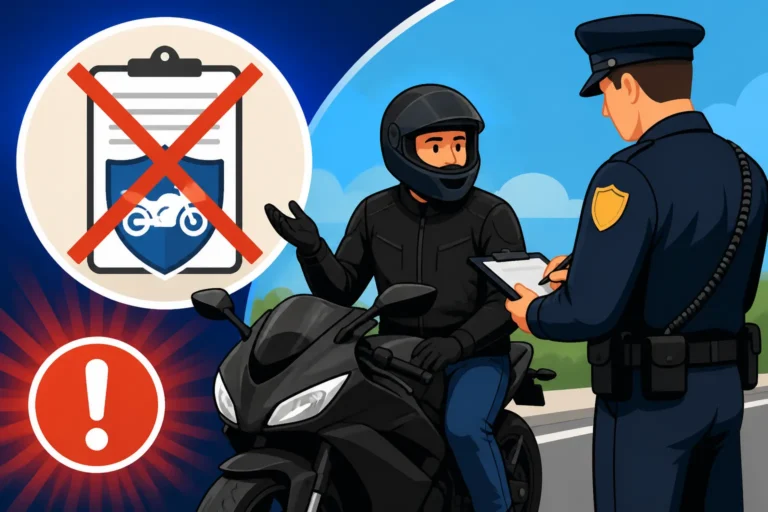
Imagine you are out for a Sunday morning cruise, the engine is humming perfectly, and the air is just the right amount of crisp. Then, you see the blue and red lights in your mirror. Whether it was for a minor tail light issue or a routine stop, the officer asks for your license, registration, and proof of insurance. If you realized in that moment that your policy lapsed or you never picked one up, you are facing a cascading series of legal and financial headaches. This guide breaks down exactly what happens when you get caught riding uninsured, from the immediate roadside panic to the long-term damage to your bank account.
The Immediate Roadside Reality and Impoundment
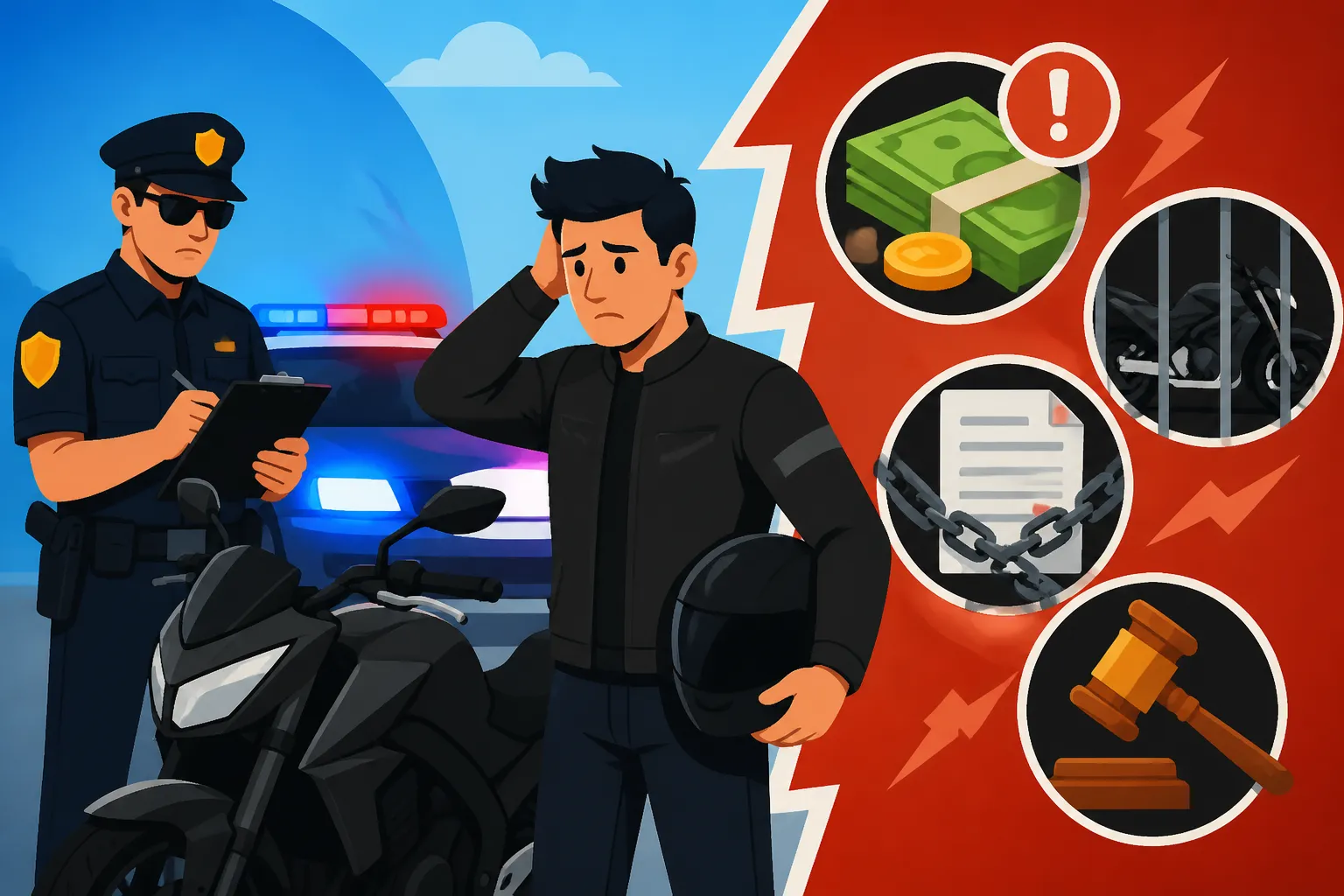
The moment an officer confirms you are riding without valid coverage, the situation shifts from a simple traffic stop to a serious legal matter. In most states, riding a motorcycle without insurance is a misdemeanor or a high-level civil offense. Unlike a speeding ticket where you are usually sent on your way with a piece of paper, being uninsured often means your ride ends right there. Officers have the discretionary power—and in many jurisdictions, the legal mandate—to impound your motorcycle on the spot.
The logistics of an impoundment are a nightmare. You have to watch your bike being loaded onto a flatbed, which is not only embarrassing but also potentially damaging to the bike if the tow operator isn't experienced with motorcycles. Once the bike is gone, you are left standing on the shoulder of the road, responsible for finding your own way home. This is where the costs begin to spiral. You will be responsible for the "hook fee" for the tow truck, which can easily range from $150 to $300, plus a daily storage fee at the impound lot that often exceeds $50 or $75 per day.
To get your bike back, you won't just need to pay those fees; you will also have to prove you have insurance. This creates a "catch-22" for many riders. You need insurance to get the bike out, but many insurance companies are hesitant to write a policy for a bike currently sitting in an impound lot due to a lapse. If you find yourself in this situation, you should look into What Happens If You Ride Without Insurance? to understand the immediate legal framework officers are following during these stops. Furthermore, modern policing has made it much harder to hide a lack of coverage. Many patrol cars are now equipped with Automated License Plate Readers (ALPR) that cross-reference your plate with state insurance databases in real-time. Even if you have a fake or expired card, the digital record will give you away. It is always best to carry Proof of Insurance: Digital vs Paper for Riders to ensure there are no misunderstandings if you actually are covered but just can't find the document.
Legal Penalties Fines and License Suspensions
Once you’ve dealt with the immediate stress of the roadside stop, the legal system takes over. The penalties vary wildly depending on where you are caught, but they are universally painful. For a first-time offense, you are looking at hefty fines that can range from $500 to $1,500. If you are a repeat offender, those fines can double, and you might even face jail time in some states. The court sees an uninsured rider as a financial liability to the public, and the judges rarely show leniency.
Beyond the cash out of pocket, your right to ride is on the line. Most DMVs will trigger an automatic suspension of your motorcycle endorsement, and sometimes your entire driver's license, upon conviction for riding without insurance. In states like California or Texas, the process is streamlined and swift. You might receive a notice in the mail just days after your ticket was issued. For a deeper look at specific regional consequences, you should review the Penalty for No Motorcycle Insurance in California or the Penalty for No Motorcycle Insurance in Texas to see how aggressive these states have become in 2026.
One of the most frustrating long-term legal penalties is the requirement of an SR-22 or FR-44 filing. These are not insurance policies themselves, but rather certificates that your insurance company must file with the state to prove you are carrying at least the legal minimum coverage. Being required to carry an SR-22 marks you as a "high-risk" rider for three to five years. This means you will not only pay more for your insurance, but you will also have to deal with the constant anxiety that if your policy lapses for even one day, the insurance company is legally obligated to notify the DMV, which will trigger another immediate license suspension. You can learn more about this process in our guide on SR-22 for Motorcycles: When It's Required.
The Massive Financial Risk of an Accident
While tickets and impound fees are expensive, they pale in comparison to what happens if you are caught riding without insurance because you were involved in an accident. If you are at fault in a collision while uninsured, you are personally responsible for every cent of damage and medical bills you cause. In the world of motorcycling, where injuries to yourself or others can be catastrophic, these bills can easily reach hundreds of thousands of dollars.
Without an insurance company to defend you or pay the settlement, the victim's legal team can come after your personal assets. This includes your savings, your home, and even your future wages through garnishment. Many riders skip insurance thinking they only need to protect their own bike, but they forget about the liability side. If you don't understand how these costs break down, you should read about Minimum Liability Insurance Explained (The Three Numbers) to see what the state expects you to cover.
Even if the accident isn't your fault, being uninsured can still ruin you. In some states, "No Pay, No Play" laws prevent uninsured drivers and riders from suing for non-economic damages, like pain and suffering, even if the other person was 100% at fault. You might be left with a totaled bike and a broken body, unable to seek full compensation simply because you didn't have a basic liability policy. The reality of What Happens if I Crash Without Insurance? is a financial hole that many people never climb out of.
| Penalty Category | Estimated Cost/Impact (First Offense) | Potential Long-Term Consequences |
|---|---|---|
| Traffic Fine | $500 – $1,500 | Permanent mark on driving record |
| Impound & Towing | $300 – $700 | Possible damage to bike during transport |
| License Suspension | 30 – 90 Days | Requirement to pay reinstatement fees |
| Insurance Premium Hike | 50% – 150% Increase | High-risk status for 3-5 years |
| Legal Filings (SR-22) | $25 – $50 filing fee | Immediate suspension if policy lapses |
| Civil Liability | $10,000 – $1,000,000+ | Asset seizure and wage garnishment |
How to Get Back on the Road Legally
If you have already been caught, the road back to legal riding is steep but manageable if you take the right steps. Your priority should be securing a policy immediately. You cannot wait until your court date or until you have the money for the fine. The longer the gap in your coverage, the more you will pay in the long run. When shopping for a new policy after a lapse, be prepared for "sticker shock." Your previous rates are gone, and you are now in the high-risk pool.
First, you need to address the lapse itself. Some insurers offer forgiveness if the lapse was short, but if you were caught by the police, that usually implies a willful lack of coverage. Look into How Do I Reinstate a Lapsed Motorcycle Policy? to see if your previous carrier will take you back, or if you need to start fresh with a specialist. If the state is requiring a certificate of financial responsibility, you will need to specifically ask for the Best Motorcycle Insurance for SR-22/High-Risk providers, as not every "standard" insurance company is willing to handle those filings.
Once you have your insurance binder in hand, you can head to the impound lot or the DMV. Be prepared to pay reinstatement fees, which are separate from your traffic fines. These can range from $100 to $500 depending on the state. It is a grueling, expensive process that serves as a loud reminder of What's the Penalty for Letting Motorcycle Insurance Lapse?. Moving forward, consider setting up "Auto-Pay" for your premiums. Most lapses aren't because people are trying to break the law; they happen because a credit card expired or a renewal notice was buried in the mail. With digital tracking being as efficient as it is, you simply cannot afford a single day of being uninsured.
Motorcycle Insurance Legal Disclaimer
This guide is intended for informational purposes only and does not constitute legal or professional insurance advice. Laws regarding motorcycle insurance, impoundment, and penalties for uninsured riding vary significantly by state and are subject to change. While we strive to provide accurate and up-to-date information, you should always consult with a licensed insurance agent or a qualified legal professional in your specific jurisdiction to ensure you are in compliance with local regulations. Riding without insurance is illegal in most areas and can result in severe criminal and civil consequences.