Does Motorcycle Insurance Cover Mechanical Breakdown?
It's a common and incredibly frustrating scenario: you're out on a beautiful ride, miles from home, and suddenly your engine sputters, your transmission locks up, or some other critical component just… gives up. Your first thought might be, "Thank goodness I have motorcycle insurance!" But then a cold wave of doubt washes over you: Does my insurance even cover this? The truth is, standard motorcycle insurance policies are primarily designed for damages resulting from accidents, theft, or natural disasters, and they typically do not cover mechanical breakdowns. This guide will meticulously break down what's covered, what isn't, and what alternatives exist to protect your wallet from those dreaded unexpected repair bills.
The Core Truth: What Traditional Motorcycle Insurance Doesn't Cover
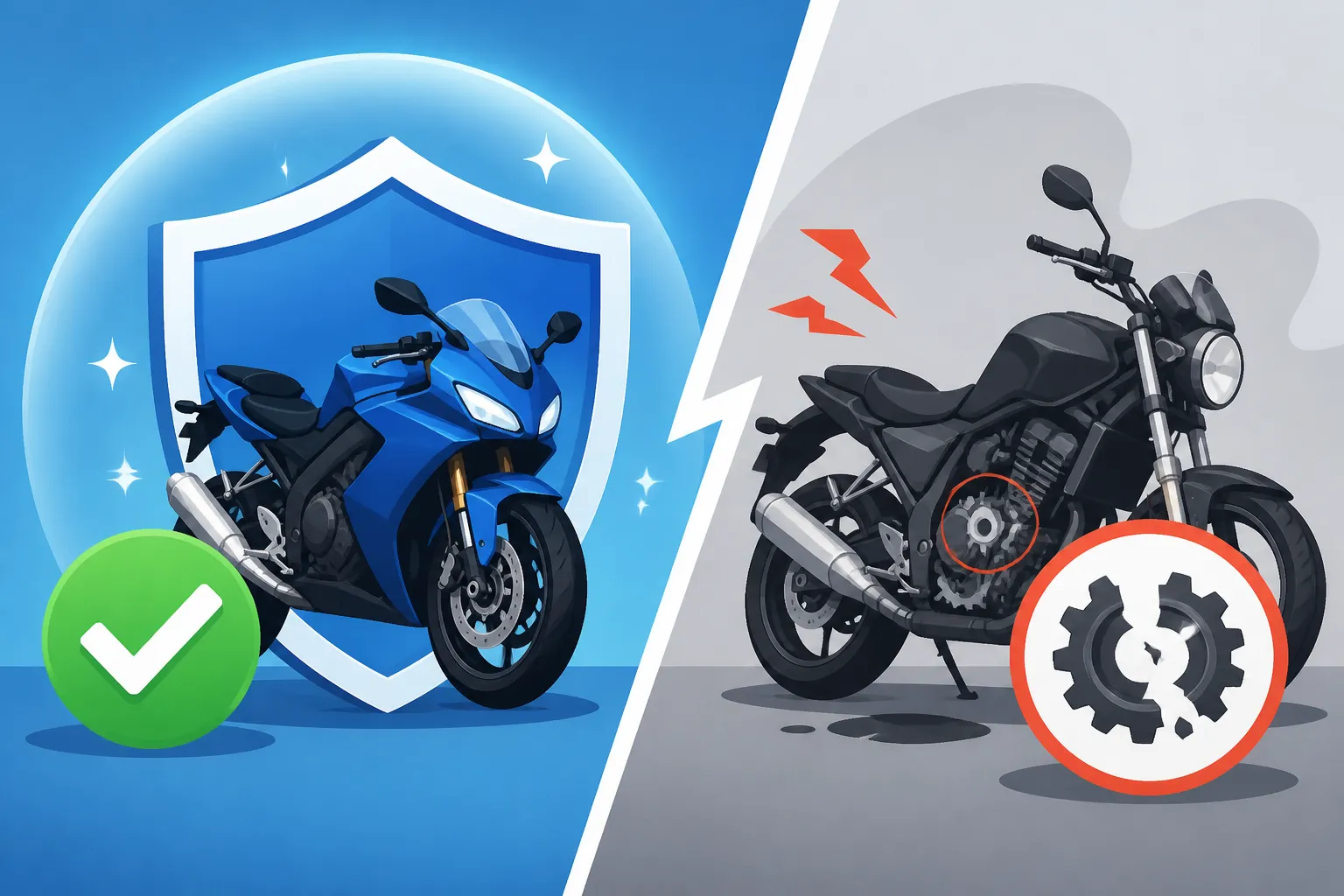
Let's get this out of the way upfront, because it’s a source of immense confusion and disappointment for many riders: your typical motorcycle insurance policy, whether it's basic liability or comprehensive full coverage, does not pay for mechanical breakdowns. This means if your engine seizes, your electrical system fries, or your brakes fail due to wear and tear, your insurance company won't be writing a check for the repairs. It's a hard pill to swallow, especially when you think you're fully covered.
Understanding Standard Policy Limitations
Standard motorcycle insurance policies are built around covering specific perils – events like collisions, theft, vandalism, fire, or damage from natural occurrences such as floods or hail. Think of it this way: your policy is there to protect you from things that happen to your motorcycle from external forces or unfortunate circumstances that are generally sudden and accidental. It's not designed to cover the natural lifespan and eventual degradation of parts, which is a key distinction.
For instance, if you lay your bike down trying to avoid a deer, your collision coverage would likely kick in for the resulting damage to your bike. If your bike is stolen from your garage, comprehensive coverage would help replace it. But if that same deer collision caused your engine to overheat and seize later due to a slow leak that developed, the initial damage from the crash would be covered, but the subsequent engine failure due to wear or delayed maintenance might be a gray area your insurer would investigate closely. The intent of the policy is to cover the immediate, direct damage from a covered event, not the long-term reliability of components. Understanding these Types of Motorcycle Insurance Coverage Explained can save you a lot of heartache.
Why Mechanical Failures Are Different
Mechanical failures are fundamentally different from insurable perils because they often stem from internal issues, wear and tear, manufacturing defects, or a lack of maintenance. Insurance companies view these as predictable risks inherent to owning and operating a machine, rather than unforeseen external events. It's akin to your health insurance not covering a common cold you get every winter – it's part of living, not an unexpected catastrophic illness.
Imagine your motorcycle's clutch assembly failing at 50,000 miles. This is a part that wears out over time and use. An insurance company would argue that this is a cost of ownership, something to be expected and budgeted for, not an insurable loss. Similarly, if your fuel pump dies because it simply reached the end of its functional life, that's a mechanical failure. It's not the result of an accident, a fire, or theft. This distinction is crucial for understanding what your policy covers and, more importantly, what it doesn't.
Differentiating Between Covered Perils and Mechanical Failure
It's not always a clear-cut line, and sometimes a mechanical issue can be related to a covered event, which can make things confusing. Understanding where that line is drawn is key to managing your expectations and making informed decisions about supplemental protection.
When Comprehensive and Collision Come into Play
There are specific instances where a mechanical problem might be covered if it's a direct result of a covered peril. For example, if you're in a collision and the impact damages your engine block, leading to a mechanical failure, your collision coverage would likely cover the repairs to the engine as part of the accident damage. The key here is causation: the mechanical failure must be a direct consequence of an event that your policy explicitly covers.
Let's say a branch falls on your parked motorcycle, crushing the fuel tank and bending the frame. Your comprehensive coverage would pay for these repairs. If, in the process, a hidden wire was severed, leading to an electrical failure later, an insurance adjuster would likely link that electrical issue back to the original tree branch incident, provided you can prove the connection. However, if the electrical failure happened out of the blue, with no external event, that’s strictly a mechanical issue and won't be covered by standard policies. The nuances of Collision vs Comprehensive Motorcycle Coverage are incredibly important here.
Exclusions for Wear and Tear, Age, and Defects
Insurance policies are notoriously clear about what they exclude. When it comes to mechanical breakdowns, the typical exclusions are wear and tear, gradual deterioration, inherent vice (a defect or characteristic of the property itself that leads to its damage), and mechanical or electrical breakdown that isn't the result of a covered peril. This means that if your alternator simply stops working because it's old, or your engine develops a knock due to internal component fatigue over time, your policy won't cover it.
Even if you have a brand-new bike and a part fails due to a manufacturing defect, your standard motorcycle insurance policy still won't cover it. That falls under the manufacturer's warranty, not your insurance. Insurance is for unexpected external damages, not for inherent product failures or the inevitable aging of parts. This is why knowing the specifics of your policy is so crucial. A quick check of your policy documents or a call to your agent can clarify these exclusions, helping you understand What Does Full Coverage Motorcycle Insurance Mean? for your situation.
Exploring Alternatives: Beyond Standard Motorcycle Insurance
So, if your regular insurance won't bail you out when your engine dies, what options do you have? Thankfully, there are several avenues for protecting yourself from the financial burden of unexpected mechanical failures. These aren't insurance in the traditional sense, but they serve a similar purpose: mitigating financial risk.
Extended Warranties and Service Contracts
This is probably the closest thing you'll find to "mechanical breakdown insurance." Extended warranties, often called vehicle service contracts, are agreements to cover certain repairs after the manufacturer's original warranty expires. They can be purchased from the dealership when you buy your bike, or from independent third-party providers. These contracts typically cover major components like the engine, transmission, drive train, and electrical system, but they come with their own set of terms, conditions, and exclusions.
It's vital to read these contracts carefully. Some might only cover specific parts, while others might have high deductibles or strict requirements for regular maintenance at certified shops. For example, a contract might cover the cost of a new transmission, but not the labor if you don't use their approved repair shop, or it might exclude components that are known to fail frequently in certain models. Companies like Harley-Davidson offer their own extended service plans, and many third-party providers like Zurich or Protective offer similar coverage for a wide range of makes and models. These can offer peace of mind, especially for complex modern bikes, but they are an additional cost you need to factor in.
Roadside Assistance and Towing Coverage
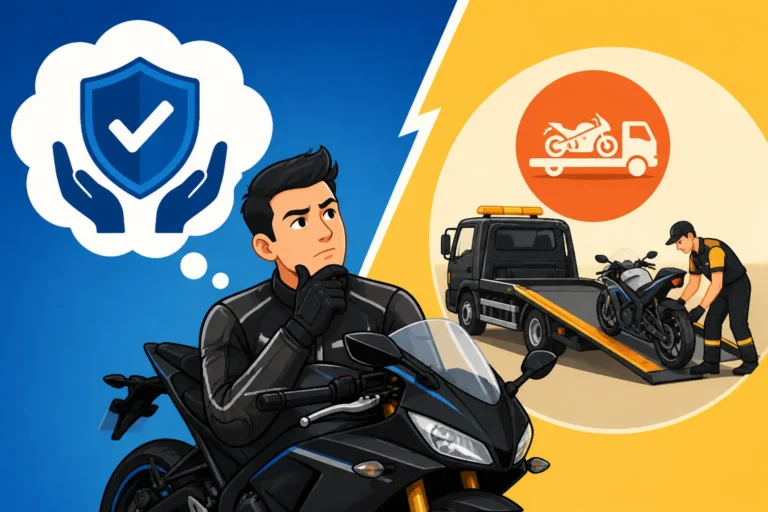
While roadside assistance won't pay for the repair itself, it's an absolute lifesaver when your bike breaks down far from home. Many motorcycle insurance providers, including big names like Progressive and Geico, offer roadside assistance as an add-on to their policies, or it might be included with premium packages. This coverage will arrange and pay for your motorcycle to be towed to the nearest qualified repair shop.
Imagine you're cruising down a remote highway in rural Montana and your bike suddenly loses power due to an electrical fault. Without roadside assistance, you'd be stuck trying to find a tow truck that can handle a motorcycle, likely at significant personal expense. With coverage, a call to your provider will send help. This might also include services like fuel delivery, tire changes, or battery jump-starts. Even if your insurance doesn't cover the breakdown, this coverage at least ensures you and your bike won't be stranded. When comparing policies, always look at the Roadside Assistance & Towing for Motorcycles options.
Manufacturer Warranties
When you buy a new motorcycle, it comes with a manufacturer's warranty. This is your first line of defense against mechanical defects or failures that aren't caused by accidents or misuse. These warranties typically last for a specific period (e.g., 1-5 years) or a certain mileage limit, whichever comes first. During this period, if a covered part fails due to a manufacturing flaw, the manufacturer is responsible for repairing or replacing it.
It's important to understand what your specific manufacturer's warranty covers and for how long. For example, a new Harley-Davidson or Yamaha might come with a 2-year, unlimited mileage warranty. This is fantastic protection in the initial years of ownership. However, once that warranty expires, you're on your own, unless you've purchased an extended warranty. This is why some riders consider purchasing an extended service contract as their original manufacturer's warranty nears its end. Always keep your maintenance records, as most manufacturer warranties require adherence to scheduled servicing.
The Cost of Mechanical Breakdowns and How to Prepare
Let's be realistic: mechanical issues are an inevitable part of owning a motorcycle, especially as it ages. Being unprepared for these costs can turn a minor repair into a major financial headache. Understanding potential expenses and having a plan is crucial.
Common Motorcycle Mechanical Issues and Repair Costs
Motorcycles, like any complex machine, have parts that wear out or fail. Common issues include clutch problems, electrical gremlins (like a failing stator or rectifier), leaky seals (fork seals, engine gaskets), brake system issues, and fuel system problems. A new clutch assembly for a mid-range cruiser could run you $500-$1000 in parts and labor. Replacing a failing stator or rectifier might be $300-$700. A complete engine rebuild on a sport bike could easily push $2000-$4000 or more, depending on the damage and complexity.
These costs are just for parts and labor; they don't include the inconvenience of being without your bike or the cost of towing it to the shop if you don't have roadside assistance. For riders who rely on their motorcycle for daily commuting or those planning long-distance tours, a breakdown isn't just an expense – it's a disruption to their life. This is why many experienced riders factor in potential repair costs into their overall ownership budget.
Budgeting for Unexpected Repairs
Since your standard insurance won't cover these costs, you need to budget for them. A smart approach is to set aside a small amount each month into a dedicated "motorcycle repair fund." Even $25-$50 a month can build up quickly over a year or two, giving you a cushion for when things inevitably go wrong. This is especially important for older bikes or those with higher mileage, which are more prone to wear-and-tear failures.
Another strategy is to have an emergency fund for all unexpected expenses. This way, if your motorcycle needs a $1,500 repair, you're not dipping into your rent money or going into debt. Think about how much you paid for your How Much Is Motorcycle Insurance? 2026 Cost Guide and consider how much more you might need for potential repairs. Being proactive with your finances can alleviate a lot of the stress associated with sudden mechanical issues.
Proactive Maintenance as Your Best Insurance
Hands down, the single best way to avoid mechanical breakdowns and the associated repair costs is consistent, proactive maintenance. Following your manufacturer's recommended service schedule is paramount. This means regular oil changes, checking fluid levels, inspecting tires, brakes, chain/belt, and electrical components. Catching small issues early can prevent them from snowballing into catastrophic failures.
For example, regularly checking your chain tension and lubricating it can extend its life significantly and prevent a costly replacement. Addressing a small oil leak promptly can prevent it from leading to major engine damage. Many dealerships and independent shops offer maintenance packages, and if you're handy, performing basic maintenance yourself can save money and give you a deeper understanding of your bike. Good maintenance practices also ensure your manufacturer's warranty remains valid, should you ever need to make a claim.
Deciding if Extended Coverage is Right for You
The decision to invest in an extended warranty or service contract isn't for everyone. It's an additional cost, and like any form of protection, it requires weighing the potential benefits against the price tag.
Factors to Consider
Several factors should play into your decision:
- Bike Age and Mileage: Newer bikes still under manufacturer warranty typically don't need extended coverage. Older bikes with high mileage are more likely to experience mechanical issues, making extended coverage potentially more valuable.
- Reliability Reputation: Some motorcycle brands or specific models are known for their reliability, while others might have a reputation for certain mechanical quirks. Researching common issues for your specific bike can help you assess risk.
- Riding Style: If you're a high-mileage rider, or if you regularly push your bike to its limits on long trips, the chances of wear-related breakdowns increase.
- Financial Comfort: Can you comfortably afford a $1,000-$3,000 repair bill out of pocket if something major goes wrong? If not, an extended warranty might offer critical financial protection.
- Cost of the Plan: Compare the cost of the extended warranty against the potential repair costs. Sometimes, the plan itself is so expensive that it might be more economical to just save up for repairs.
A brand-new rider on a basic Honda Rebel might find an extended warranty less appealing than a seasoned rider with a complex touring machine like a BMW GS or a Ducati, where parts and specialized labor can be notoriously expensive.
Comparing Costs and Benefits
When evaluating an extended warranty, don't just look at the headline price. Consider the deductible, the length of coverage, what components are specifically included or excluded, and any clauses regarding where you can get repairs done.
For example, an extended warranty might cost $1,200 for three years of coverage with a $100 deductible per claim. If you have two major repairs totaling $2,500 during that time, you've potentially saved $1,100 ($2,500 – $1,200 – $200 in deductibles). However, if nothing goes wrong, you've essentially paid $1,200 for peace of mind.
Here's a simple comparison table:
| Feature | Standard Motorcycle Insurance (Comprehensive/Collision) | Extended Warranty / Service Contract |
|---|---|---|
| Primary Purpose | Covers damage from accidents, theft, fire, natural perils | Covers mechanical failures, defects after factory warranty |
| Covers Mechanical Breakdown | No (unless directly caused by a covered peril) | Yes (for covered components, per contract) |
| Covers Wear & Tear | No | Sometimes, for specific covered parts |
| Cost | Mandatory in many states; variable based on factors | Optional; additional cost, typically a flat fee |
| Deductible | Applies per incident | Applies per claim (common) |
| Providers | Insurance companies (e.g., Progressive, Geico, Dairyland) | Dealerships, third-party companies (e.g., Zurich, Protective) |
| Example Scenario | Bike totaled in a crash: Covered | Engine seizes due to internal failure: Covered (if specified) |
This comparison highlights that these are distinct types of protection designed for different kinds of risks. Using platforms like The Zebra can help you understand and compare various insurance policies, though they won't directly offer extended warranties.
How to Find Supplemental Coverage Options
If you've decided an extended warranty or service contract makes sense for your riding habits and financial situation, the next step is finding a reputable provider and the right plan. It's not as straightforward as getting motorcycle insurance quotes, but it's definitely doable.
Researching Providers for Extended Warranties
Start by asking your dealership if they offer extended service plans, either from the manufacturer (like Harley-Davidson's own plans) or a trusted third-party vendor they work with, such as Zurich or Protective. While dealerships can sometimes be pricier, their plans are often designed specifically for the bikes they sell and can be easier to manage.
Beyond dealerships, independent providers abound. Do your homework. Look for companies with strong reviews on sites like the Better Business Bureau, and check out rider forums for personal experiences and recommendations. Websites like Consumer Reports or even general financial advice blogs can sometimes offer insights into reputable service contract providers. Be wary of unsolicited calls or aggressive sales tactics, as these can often be red flags. Remember that while a service like The Zebra is excellent for comparing standard insurance policies, extended warranties operate in a different market space.
Asking the Right Questions When Buying
When you're speaking with a potential provider, don't be afraid to ask detailed questions. This is a significant investment, and you need to understand exactly what you're buying.
- What components are explicitly covered, and what are excluded? Get a full list.
- What is the deductible, and is it per visit or per repair?
- Are there mileage limitations or annual caps on claims?
- Where can I get repairs done? Do you have to go to a certified dealership, or can you use any licensed mechanic?
- Are there any maintenance requirements to keep the warranty valid? (e.g., oil change intervals, professional inspections).
- What is the process for filing a claim? Is it straightforward, or is there a lot of paperwork?
- Is the warranty transferable if I sell the motorcycle? This can be a significant selling point.
- What is the cancellation policy? Can you get a pro-rated refund if you sell the bike early?
By asking these questions, you'll gain a clear picture of the value and limitations of the extended warranty. It's about protecting yourself from unexpected costs, and a well-informed decision is your best defense against future financial surprises on the road.
Disclaimer
Please remember that this article provides general information and guidance regarding motorcycle insurance and mechanical breakdowns. Insurance policies and extended warranties are complex financial products, and their terms and conditions can vary significantly by provider, state, and individual circumstances. It is crucial to review your specific policy documents, contact your insurance agent, or consult with an authorized extended warranty provider to understand your exact coverage, exclusions, and obligations. Laws and regulations regarding insurance and warranties are subject to change, so always verify the most current information.