Does Comprehensive Cover a Stolen Motorcycle Helmet?
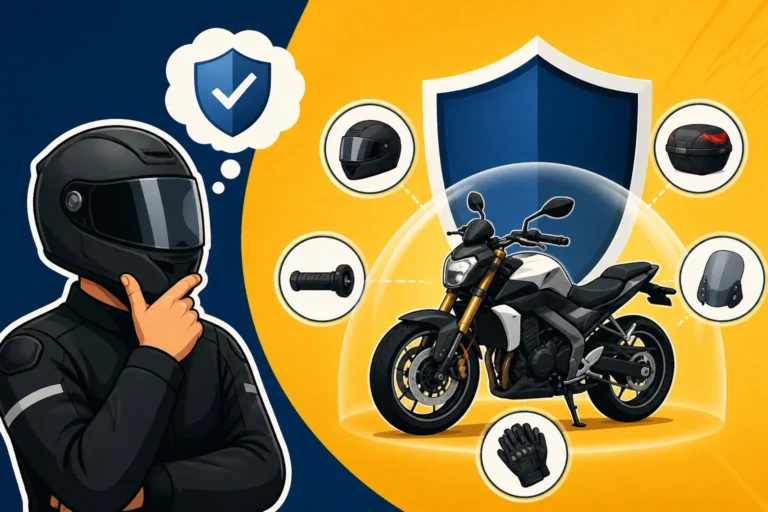
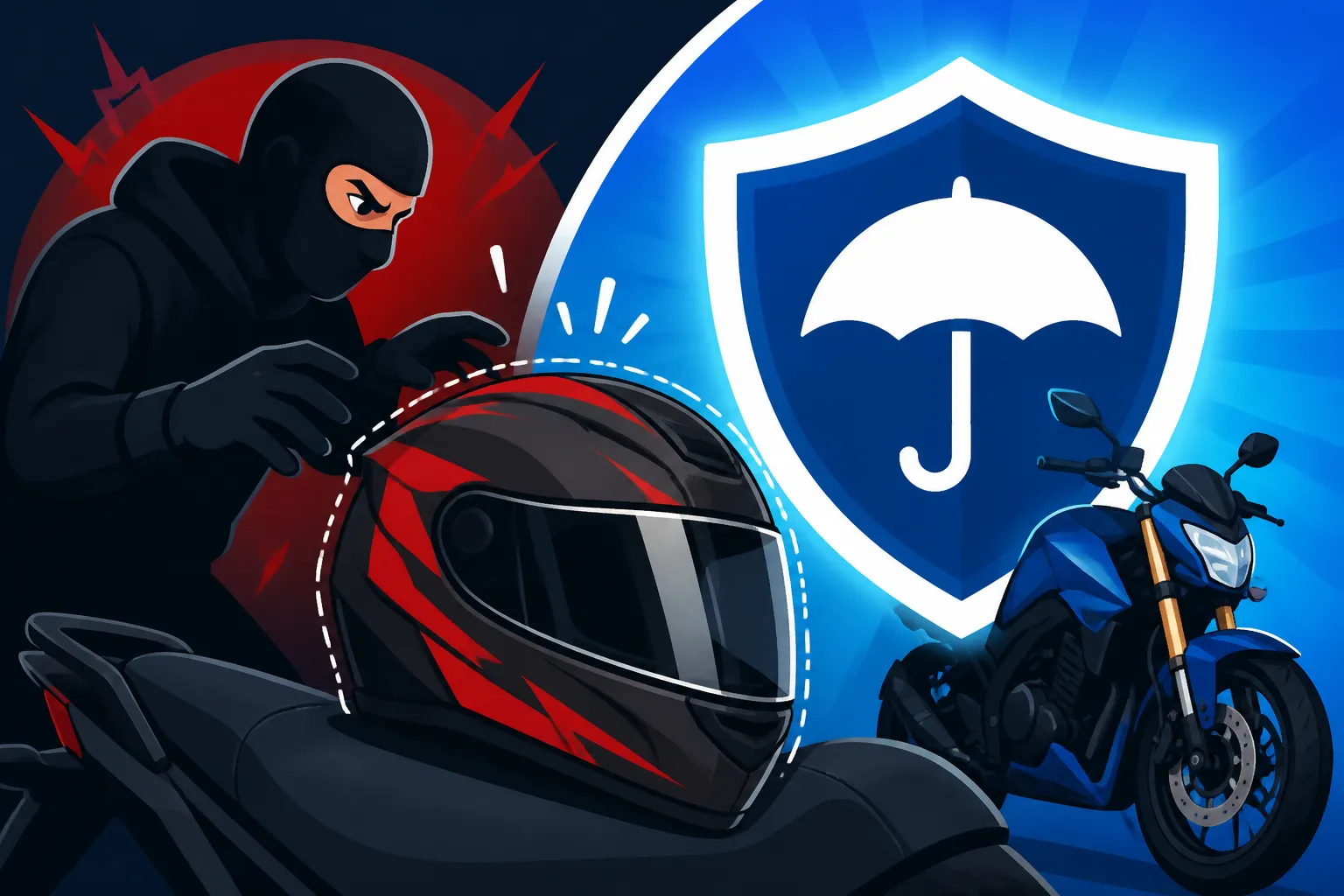
It’s a gut-wrenching feeling, isn't it? You park your beloved motorcycle, maybe just for a quick stop, and when you return, your helmet – that essential piece of safety gear, often a significant investment – is gone. The immediate question that probably flashes through your mind, right after the anger, is "Will my insurance cover this?" It’s a common frustration, and the answer isn't always a straightforward yes or no. This guide is here to untangle the complexities of whether your comprehensive motorcycle insurance steps in when your helmet is stolen.
Understanding Comprehensive Motorcycle Coverage
Let’s start with the basics of what comprehensive coverage typically means for your motorcycle. It’s a vital part of protecting your ride from things that aren't collision-related. Think of it as your safety net for those "act of God" moments or unexpected unfortunate events that can happen when your bike isn't actually being ridden or involved in a crash.
What Comprehensive Coverage Usually Covers
When you hear "comprehensive," most riders think about their motorcycle itself. This coverage is designed to protect your bike from non-collision damage. This includes things like theft of the motorcycle itself, vandalism, fire, natural disasters like floods or hail, and even damage from striking an animal. If a tree branch falls on your bike while it's parked, or if your entire motorcycle is stolen from your garage, that's where comprehensive insurance kicks in to help cover the costs of repair or replacement, up to your policy limits and minus your deductible. It's a broad blanket of protection for your bike, covering a wide array of incidents that are often outside of your control and not involving another vehicle directly.
The Nuance of Personal Property on Your Motorcycle
Here’s where it gets tricky, and it's a detail many riders unfortunately overlook until they're in a tough spot. While comprehensive coverage is fantastic for the motorcycle itself, it typically does not automatically extend to personal belongings that are on or with your bike. Your helmet, jacket, gloves, GPS unit, saddlebags (if they're not factory installed and integrated), or anything else you've stored on your bike is generally considered personal property. Standard comprehensive policies are designed to cover the vehicle, its fixed parts, and sometimes factory-installed accessories. They don't usually default to covering items you personally own that happen to be with the bike at the time of theft or damage. This is a critical distinction, and it's where many riders discover gaps in their coverage after an incident. If you're looking for broader protection, it pays to understand your policy's specifics, perhaps by getting a quote comparison from platforms like The Zebra, to see what options are available.
When Your Helmet Might Be Covered
Given that standard comprehensive doesn't automatically cover personal items, what are the scenarios where your stolen motorcycle helmet could actually be covered by your insurance? It usually comes down to having specific add-on coverages.
Accessories and Custom Parts Coverage
This is often the primary way your helmet, and other valuable gear like aftermarket exhaust or custom paint, gets insured. Many motorcycle insurance policies offer an "Accessories and Custom Parts Coverage" option. This isn't just for fancy chrome or performance upgrades; it can often be extended to cover items that are permanently attached to the bike or are considered integral to its operation, even if they're detachable like a helmet. However, there's a huge caveat: a helmet isn't always considered an accessory in the same way custom handlebars are.
You typically have to explicitly add this coverage to your policy and declare the value of the items you want protected, up to a certain limit. For instance, if you have a high-end Shoei or Arai helmet that cost you $700, you’d need to ensure your accessories coverage limit is high enough to account for that. If your policy only has a $500 accessory limit and your helmet is part of a larger claim for stolen items, you could still be out of pocket. It's crucial to review the specifics of your policy and discuss with your agent whether your helmet qualifies under this rider. Some insurers will include it, some won't, and some will require it to be stolen with the bike for it to count.
Personal Belongings or Contents Coverage
Another potential avenue for coverage is through a "Personal Belongings" or "Carried Contents" rider, if your motorcycle insurer offers one. This type of coverage is specifically designed to protect personal items that you carry on your motorcycle but are not permanently affixed to it. This is usually the most direct path to getting your helmet covered. It essentially extends a small amount of personal property protection to your riding gear, phones, wallets, or other items you might have stashed in your saddlebags or tank bag.
These riders typically have lower limits than full comprehensive or accessories coverage – maybe a few hundred to a couple of thousand dollars. But for a stolen helmet, jacket, or a small GPS, this can be exactly what you need. It’s like a mini-homeowners or renters insurance policy for your bike. If you have an expensive Sena communication system integrated into your helmet, for example, this type of coverage would be invaluable. When getting quotes or reviewing your existing policy, ask specifically about coverage for "personal belongings" or "riding gear" to see if this option is available and what its limits are.
Homeowners or Renters Insurance
Don't forget your primary dwelling insurance! In many cases, if your motorcycle helmet is stolen, especially if it was not on your motorcycle at the time (e.g., stolen from your garage, car, or even your home), your homeowners or renters insurance policy might offer coverage. These policies generally cover personal property, regardless of where the theft occurs, up to your policy limits and after your deductible.
There are a few things to consider here:
- Deductible: Your homeowners or renters insurance deductible might be higher than a motorcycle policy deductible, making a claim for a single helmet less appealing.
- Impact on Premiums: Filing a claim on your home policy could potentially affect your rates in the future.
- Coverage Limits: Ensure your policy has adequate personal property coverage for high-value items. Some policies have sub-limits for certain categories of items, so check if there are specific limitations on electronics or sporting equipment.
For many riders, relying on their homeowners or renters policy for a stolen helmet might be the most straightforward path, provided the deductible makes sense for the value of the stolen item. It's always worth checking with your agent to understand how your existing home policy might interact with your motorcycle insurance in such a scenario. You don't want to double-insure unnecessarily, but it's good to know all your options.
Limitations and Exclusions to Consider
Even with the right add-ons, getting your stolen helmet covered isn’t always a walk in the park. Insurance policies are, by nature, filled with specific terms, conditions, and exclusions that can trip you up if you’re not careful.
Depreciation and Actual Cash Value
One of the biggest realities you'll face is depreciation. Most standard insurance policies, when dealing with personal property or accessories, will pay out based on the "Actual Cash Value" (ACV) of the item at the time of the loss. What does that mean for your helmet? It means they won't pay for what you bought it for new, but rather what a helmet of its age and condition was worth just before it was stolen.
Think about it: A helmet that's three years old, even if it’s been meticulously cared for, has lost a significant portion of its value due to wear and tear and simply being used. Insurers factor in things like material degradation, model obsolescence, and the typical lifespan of a helmet (many manufacturers recommend replacement every 5-7 years regardless of crashes). So, that $700 helmet you bought a few years ago might only be valued at $200-$300 by the insurer, which can be a real shock. This is where options like "Agreed Value vs Stated Value vs Actual Cash Value" coverage for your bike and accessories can become incredibly important, especially for custom builds or vintage models.
Deductibles Can Eat Up Your Payout
Even if your policy does cover your stolen helmet, you still have to contend with your deductible. The deductible is the amount you agree to pay out of pocket before your insurance coverage kicks in. For example, if your helmet is valued at $300 (after depreciation) and your policy has a $500 deductible, you won’t receive any payout from your insurance company. You’d be responsible for the entire $300 loss yourself.
This is a common reason why many riders choose not to file claims for smaller items like helmets, even when they technically have the coverage. It simply doesn't make financial sense. You might pay more in the long run through potential premium increases by filing a claim than you would receive in a payout, especially for a relatively low-value item once depreciation is applied. Always consider your deductible when deciding whether to file a claim for a stolen helmet or other smaller personal items.
Specific Policy Language and Exclusions
Every insurance policy has its own unique language, and what one company covers, another might explicitly exclude. Some policies might only cover a helmet if it's stolen with the motorcycle, implying that if you left it locked to your bike with a helmet lock, but the bike wasn't stolen, it might not be covered under accessories. Other policies might have very low default limits for personal belongings unless you specifically increase them.
For instance, certain insurers like Progressive or Dairyland might offer specific gear coverage, while others might lump it under general accessories. It's essential to read the fine print or, better yet, sit down with your insurance agent (or leverage an online comparison tool from a platform like The Zebra to easily review multiple policy options) and ask direct questions. Get clarification on what constitutes a "covered accessory" versus "personal property" and what the specific limits and deductibles are for each. Don’t assume anything when it comes to insurance; always get it in writing or have a clear understanding from your provider.
Maximizing Your Chances of Coverage
Nobody wants to be in a situation where their gear is stolen, but if it happens, you want to be as prepared as possible. Proactive steps can make a world of difference in whether your helmet is covered.
Reviewing and Upgrading Your Policy
The absolute best way to ensure your helmet is covered is to address it before anything happens. Take the time to review your current motorcycle insurance policy. Look specifically for sections on "accessories," "custom parts," or "personal belongings/contents." If you don't see anything explicitly mentioning riding gear, it's time to call your insurance provider.
Ask them about adding a rider for your helmet and other high-value gear (like your jacket, boots, or an expensive communication system). Be precise about the type of items you want to cover and their approximate value. They might offer a specific "Riding Gear Coverage" or suggest increasing your "Accessories and Custom Parts Coverage" limit to encompass your helmet. Remember, the base comprehensive coverage often only covers the bike itself. This is also a good time to compare various providers; a resource like The Zebra can help you see different policy structures and add-on options side-by-side, ensuring you get the comprehensive protection you need.
Documenting Your Gear's Value and Ownership
If you want your insurance company to pay out for a stolen helmet, you need to prove you owned it and what its value was. This means keeping meticulous records.
- Receipts: Always save the original purchase receipt for your helmet. This is your primary proof of ownership and initial value.
- Photos: Take clear photos of your helmet from multiple angles, especially highlighting any unique features, brands, or custom work. Date these photos.
- Serial Numbers: Note down the helmet's serial number. This can sometimes help law enforcement if the item is recovered, and it's good for insurance records.
- Appraisals: For truly high-end, custom-painted, or vintage helmets, consider getting an independent appraisal. This provides an objective valuation that your insurer is more likely to accept.
These documents will be invaluable when filing a "Motorcycle Theft Claim: How It Works" and trying to get a fair settlement. Without them, the insurance company will likely default to the lowest possible valuation, based purely on their depreciation models, leaving you with less than you hoped for.
Security Measures to Prevent Theft
Of course, the best claim is the one you never have to make. While insurance is there for when things go wrong, preventing theft in the first place is always the priority.
- Always Lock It Up: Never leave your helmet unsecured. Use a dedicated helmet lock, or better yet, take it with you. If you must leave it with the bike, run a cable lock through the chin bar and secure it to a sturdy part of your motorcycle frame.
- Secure Parking: When possible, park in well-lit, high-traffic areas. Avoid leaving your bike (and helmet) in secluded spots or overnight in unsecured locations.
- Garage Security: If storing your bike in a garage, make sure the garage itself is secure. Use strong locks on doors and windows. Consider motion-activated lights or security cameras.
- Anti-Theft Devices: For your motorcycle, consider installing a quality alarm system or a GPS tracker. While these won't directly protect your helmet, they deter overall bike theft, which sometimes includes opportunistic helmet theft.
Remember, insurers often look favorably on policyholders who take reasonable steps to prevent losses. While these measures won't guarantee your helmet is never stolen, they significantly reduce the risk and show you're a responsible owner.
Alternatives and Best Practices for Helmet Protection
Beyond insurance, there are practical considerations and alternatives that riders should be aware of to protect their valuable headgear.
Weighing the Cost-Benefit of a Claim
As we discussed, the deductible can often outweigh the payout for a stolen helmet, especially after depreciation. Let’s say you had a $600 helmet that's now worth $300, and your deductible is $500. You'd get nothing. Even if your deductible is lower, say $250, you'd only get $50 back. Is that $50 worth potentially impacting your future insurance rates?
It's a tough call, but often, for items with lower values, it might be more economical in the long run to simply replace the helmet yourself than to file a claim. This is a common discussion point when considering "Is Comprehensive Worth It on a Cheap Motorcycle?" for the entire bike, and the same logic applies to smaller, individual items. Always do a quick calculation of the depreciated value versus your deductible before you pick up the phone to file a claim.
Rider Gear Protection from Specialty Insurers
Some specialty motorcycle insurance providers understand the unique needs of riders better than general auto insurers. Companies like Markel or Dairyland often offer more robust and specific coverage options for rider gear. They might have higher default limits for personal belongings or more flexible definitions of what constitutes a covered accessory, specifically including helmets, jackets, and boots.
If your current insurer doesn't offer adequate coverage for your helmet or other gear, it might be worth exploring these specialized providers. They sometimes offer "replacement cost" coverage for gear instead of "actual cash value," which would mean they pay for a new helmet of comparable quality, not a depreciated one. This can be a huge benefit for expensive safety equipment. When you're ready to "How to Compare Motorcycle Insurance Quotes," specifically ask about rider gear protection as a key differentiator.
The Best Practice: Take Your Helmet With You
Honestly, the most effective "insurance" for your helmet is to simply not leave it on the bike. Modern helmets are lighter and often come with helmet bags, making them relatively easy to carry.
- Security Risk: A helmet left on a bike, even locked, is an easy target for opportunistic thieves who can snip a cable lock or simply grab it if it’s merely dangling.
- Damage Risk: Beyond theft, leaving your helmet exposed can lead to damage from weather, accidental drops, or even vandalism.
- Hygiene: Nobody wants to put on a helmet that's been rained on or had birds use it for target practice.
By taking your helmet with you, you eliminate the risk of theft from your motorcycle entirely. It might be a slight inconvenience, but it protects a crucial and expensive piece of safety equipment, saving you the headache and potential financial loss of replacing it.
The Claim Process for Stolen Gear
If, despite your best efforts, your helmet is stolen and you decide to file a claim, knowing the process can help alleviate some stress. It's similar to filing any other theft claim, but with an emphasis on your specific items.
Initial Steps After Discovering Theft
The moments immediately after discovering your helmet is stolen are crucial. Don't delay in taking these steps:
- Contact Law Enforcement: The very first thing you need to do is file a police report. This is non-negotiable for an insurance claim involving theft. Provide them with all the details: where and when the theft occurred, a description of your helmet (color, brand, model), its approximate value, and the serial number if you have it. Get a copy of the police report or at least the report number. This documentation is mandatory for your insurance claim.
- Document the Scene: Before touching anything, take photos of where the helmet was stored on the bike, showing any signs of forced entry, broken locks, or other damage. This visual evidence can support your claim.
- Check for Surveillance: If you were parked in a public place, check if there are any security cameras in the vicinity (e.g., store cameras, ATM cameras, public street cameras). You might be able to obtain footage that helps the police investigation.
Notifying Your Insurance Provider
Once you have a police report number, it's time to contact your motorcycle insurance company. Be prepared to provide them with all the information you gathered.
- Provide Details: Clearly explain that your helmet was stolen, provide the police report number, and detail the make, model, age, and estimated value of the helmet.
- Clarify Coverage: This is your chance to specifically ask your claims adjuster about your "Accessories and Custom Parts Coverage Explained" or "Carried Contents/Personal Belongings Coverage" and how it applies to your stolen helmet. Don’t just assume they know what you're talking about; guide them to the specific add-ons you believe apply.
- Submit Documentation: Send them copies of your purchase receipt, photos, and the police report. The more evidence you can provide to substantiate your claim, the smoother the process will be.
The insurance company will assign an adjuster to your case, who will review your policy, the police report, and your documentation to determine if the claim is covered and what the payout will be, factoring in depreciation and your deductible. The process for a motorcycle theft claim might take some time, so patience is key.
What to Expect During the Evaluation Process
After you've filed your claim, the waiting game begins. The insurance adjuster will review everything you've submitted.
- Investigation: They might contact the police department to verify the report. They’ll also scrutinize your policy to ensure the stolen helmet falls within the parameters of your coverage.
- Valuation: The adjuster will assess the actual cash value of your helmet. As mentioned earlier, they’ll factor in its age, condition, and market value at the time of theft. Don't be surprised if their initial offer is lower than what you paid for it. This is where your detailed documentation (especially original receipts) can help argue for a higher valuation.
- Deductible Application: Once a value is determined, your deductible will be applied. If the depreciated value is less than your deductible, you won't receive a payout.
- Settlement Offer: If the claim is approved and the payout exceeds your deductible, the insurer will send you a settlement offer. Review it carefully. If you feel it's too low, you have the right to negotiate, especially if you have strong evidence of your helmet's value.
This entire process can be frustrating, especially when you're dealing with the emotional aftermath of theft. Staying organized, understanding your policy, and having your documentation ready will be your greatest assets.
| Coverage Type | Typically Covers Helmet? | Key Considerations |
|---|---|---|
| Standard Comprehensive (Bike) | No | Covers the motorcycle itself, not personal items. |
| Accessories/Custom Parts (Rider) | Maybe (if added) | Requires specific add-on, helmet must qualify as an "accessory." |
| Personal Belongings/Carried Contents (Rider) | Yes (if added) | Specific rider for personal items carried on the bike. |
| Homeowners/Renters Insurance | Yes | Covers personal property, often good for off-bike theft. |
Disclaimer
Please remember that this article provides general information and guidance regarding motorcycle insurance. Insurance policies and laws vary significantly by state, insurer, and specific policy terms. It is crucial to consult directly with your insurance provider or a qualified insurance agent to understand the specifics of your coverage, policy limits, deductibles, and any exclusions that may apply to your individual situation. This information should not be considered legal or financial advice.