Does Motorcycle Insurance Cover a Hit-and-Run?
Riding your motorcycle is an exhilarating experience, a feeling of freedom that's hard to match. But that sense of freedom can quickly turn to absolute terror when you find yourself the victim of a hit-and-run accident, leaving you shaken, possibly injured, and your beloved bike damaged, with no one to hold accountable in the immediate aftermath. The gnawing question of "Who's going to pay for this?" often follows the shock. This comprehensive guide will walk you through precisely how your motorcycle insurance might cover a hit-and-run incident, offering clarity and actionable steps during a deeply frustrating time.
Understanding the Devastation of a Hit-and-Run on Two Wheels
A hit-and-run accident is a nightmare scenario for any driver, but for motorcyclists, it carries an even heavier emotional and physical toll. When the vehicle that caused the collision flees the scene, it doesn't just leave behind damage; it leaves a gaping hole of unanswered questions and financial uncertainty that can feel overwhelming. The vulnerability of a rider, exposed to the elements and the unforgiving asphalt, means the stakes are incredibly high.
Why Hit-and-Runs Are Especially Treacherous for Motorcyclists
Motorcyclists are inherently more vulnerable on the road compared to occupants of a car or truck. There's no steel cage, no airbags, no crumple zones protecting you from impact. Even a minor fender bender for a car can be a life-altering crash for a rider, potentially leading to severe injuries and catastrophic damage to the bike. When the at-fault driver flees, they leave you not only dealing with these physical consequences but also with the unique challenge of identifying a phantom vehicle. Without the other driver's information, fault becomes a complex issue, and pursuing damages directly from the responsible party is virtually impossible. This lack of accountability amplifies the feeling of injustice and the struggle to recover, both personally and financially. The emotional impact alone—the shock, anger, and feeling of being utterly helpless—can be profound, making the navigation of insurance claims even harder.
The Immediate Aftermath: Physical and Material Damage
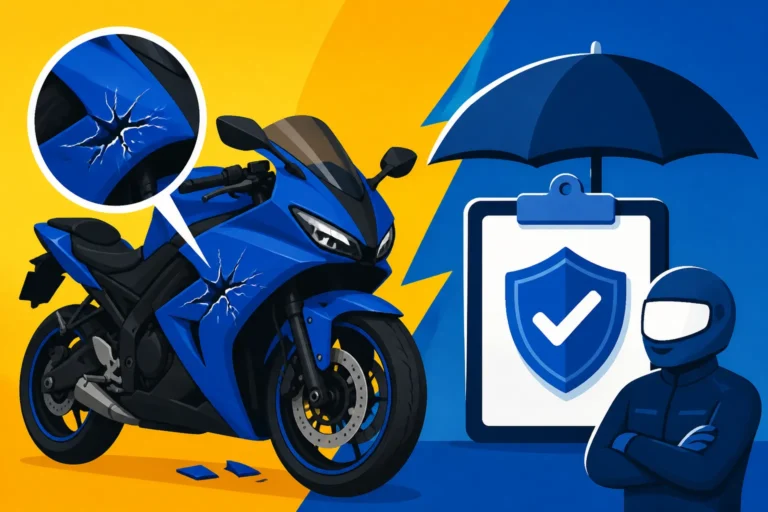
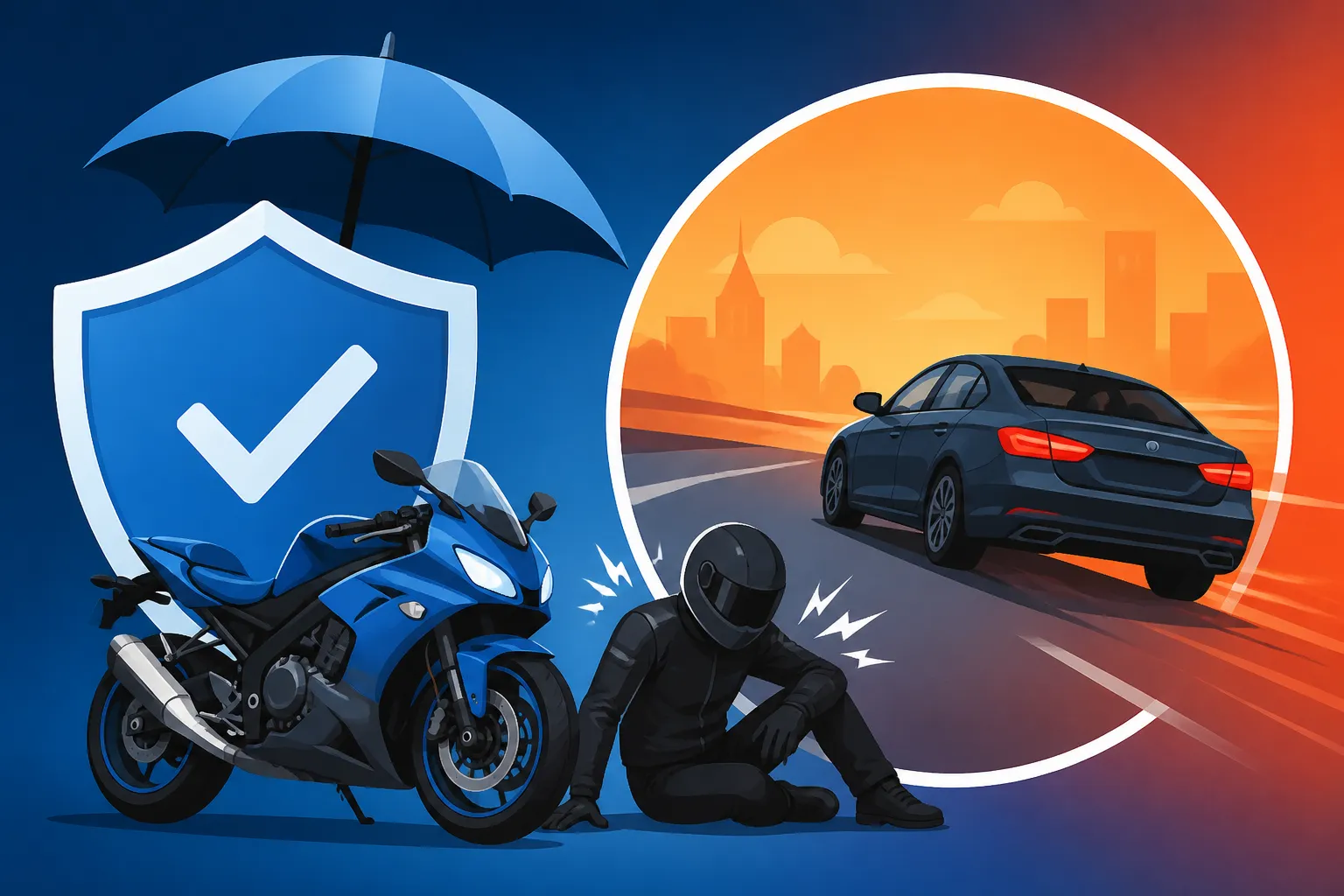
Imagine you're cruising down the PCH in California, enjoying the scenic views, when suddenly, a car swerves into your lane, clips your front wheel, and sends you sprawling. Before you can even register what happened, the car speeds off into traffic, disappearing without a trace. You're left lying on the pavement, perhaps with a broken leg and road rash, your beautiful Harley-Davidson laying mangled beside you. This isn't just a hypothetical; it's a terrifying reality for many riders. The immediate aftermath involves assessing not just your personal injuries but also the extensive damage to your motorcycle. Forks can be bent, fairings shattered, engines scraped, and frames twisted. Each component adds to a mounting repair bill that, without the at-fault party's insurance, would fall squarely on your shoulders. It's a double whammy: severe personal injury combined with significant property damage, all while grappling with the absence of the person who caused it.
Key Coverages That Step Up for Hit-and-Run Incidents
While the thought of a hit-and-run is terrifying, the good news is that certain types of motorcycle insurance coverage are specifically designed to protect you in these exact situations. Understanding these coverages is crucial for any rider, ensuring you're not left footing the bill for someone else's negligence.
Uninsured/Underinsured Motorist Coverage (UM/UIM)
When it comes to hit-and-run accidents, Uninsured & Underinsured Motorist Coverage (UM/UIM) is often the absolute hero of your policy. This coverage is specifically designed to protect you when the at-fault driver either doesn't have insurance or, in the case of a hit-and-run, can't be identified. UM/UIM coverage typically comes in two flavors: Uninsured Motorist Bodily Injury (UMBI) and Uninsured Motorist Property Damage (UMPD). UMBI will help pay for your medical expenses, lost wages, and pain and suffering if you're injured by an unknown hit-and-run driver. UMPD, on the other hand, steps in to cover the damage to your motorcycle.
It's important to know that while some states require UMBI coverage, others do not, and UMPD is often optional. For example, in states like Maryland, UM coverage is mandatory, whereas in Florida, it's optional but highly recommended. Even if your state doesn't mandate it, electing for robust UM/UIM limits is one of the smartest decisions you can make as a motorcyclist. Without it, recovering compensation for your injuries and bike damage after a hit-and-run can become an incredibly difficult, if not impossible, endeavor, leaving you with substantial out-of-pocket costs.
Collision Coverage
Even if you have solid UM/UIM coverage, your Collision Coverage on a Motorcycle is another vital component that will protect your bike after a hit-and-run. Unlike UM/UIM, which specifically addresses situations with uninsured or unknown drivers, collision coverage pays for damage to your motorcycle resulting from a collision with another vehicle or object, regardless of who was at fault. This means if you hit a phantom driver, or if they hit you and flee, your collision coverage will still kick in to repair or replace your bike.
The key difference here is that collision coverage will have a deductible, which is the amount you pay out-of-pocket before your insurance starts paying. For example, if your deductible is $500 and the damage to your bike is $3,000, you'd pay the first $500, and your insurer would cover the remaining $2,500. While you still have an out-of-pocket expense, it's far better than bearing the full cost of significant repairs. Many riders consider this a fundamental part of What Does Full Coverage Motorcycle Insurance Mean? and it’s especially crucial for newer, more expensive bikes or those still under a loan.
Medical Payments MedPay and Personal Injury Protection PIP
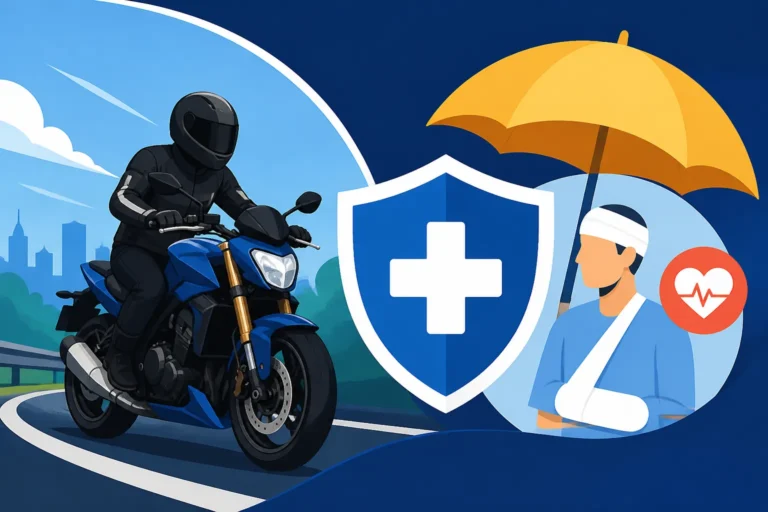
Beyond the damage to your bike, your personal injuries are paramount. This is where Medical Payments (MedPay) or Personal Injury Protection (PIP) can provide much-needed support after a hit-and-run. While not directly tied to fault, these coverages offer immediate financial relief for your medical bills, regardless of who caused the accident or whether the at-fault party can be identified. What Is Medical Payments (MedPay) for Riders? is generally an optional coverage that pays for medical expenses incurred by you or your passengers if injured in an accident. It covers things like ambulance rides, hospital stays, doctor visits, and even funeral expenses, up to your policy limits.
PIP, on the other hand, is a more comprehensive no-fault coverage available in certain states (known as "no-fault" states like Michigan or Florida). PIP not only covers medical expenses but also often includes lost wages and essential services you can no longer perform due to your injuries, such as household tasks. For a hit-and-run, where the at-fault driver's insurance is unavailable, having MedPay or PIP can be a lifeline, ensuring you get the care you need without waiting for a lengthy claims process or trying to track down a phantom driver. It’s peace of mind that your immediate physical recovery will be supported.
To help visualize how these coverages interact, here's a quick reference table:
| Coverage Type | What It Primarily Covers | Does It Cover Hit-and-Run? | Deductible Applies? |
|---|---|---|---|
| Uninsured Motorist Bodily Injury | Your medical bills, lost wages, pain/suffering if injured by an uninsured/unknown driver | Yes, for bodily injury from an unknown hit-and-run driver | Often No |
| Uninsured Motorist Property Damage | Damage to your motorcycle if hit by an uninsured/unknown driver | Yes, for property damage from an unknown hit-and-run driver | Often Yes |
| Collision Coverage | Damage to your motorcycle from a collision, regardless of fault | Yes, for damage to your bike even if the other driver flees | Yes |
| Medical Payments (MedPay) | Your medical expenses regardless of fault | Yes, for your injuries from any accident | No |
| Personal Injury Protection (PIP) | Your medical expenses, lost wages, and essential services regardless of fault (in no-fault states) | Yes, for your injuries and related expenses from any accident | Sometimes |
Navigating the Aftermath: Steps to Take After a Hit-and-Run
Finding yourself in a hit-and-run accident is disorienting, but knowing what to do in those crucial moments can make all the difference in your insurance claim and recovery. Even though the other driver fled, there are still essential steps you must take to protect yourself and your rights.
Immediate Actions at the Scene
Your safety is the absolute priority after any accident. First, try to move yourself and your motorcycle to a safe location if possible, away from ongoing traffic. Once safe, immediately call 911 to report the accident. Even if you think the damage is minor or you feel okay, getting the police involved is non-negotiable for a hit-and-run. The police report will be a critical piece of evidence for your insurance claim, confirming that a hit-and-run occurred and documenting any potential evidence of the other vehicle. Try to remember any details about the fleeing vehicle: make, model, color, license plate number (even a partial one), and any distinguishing features like bumper stickers or body damage. If there were any witnesses, get their contact information right away. These details, no matter how small, can be invaluable for law enforcement and your insurance company. Don't forget to take photos or videos of the scene, your injuries, and your bike's damage. The more documentation, the better.
Filing Your Claim and Working with Your Insurer
Once the immediate danger has passed and you've addressed any necessary medical attention, the next crucial step is to notify your insurance company. You should How to File a Motorcycle Insurance Claim as soon as reasonably possible. Be prepared to provide them with all the details you gathered at the scene, including the police report number, witness statements, and any photos or videos. When speaking with your insurer, be honest and thorough, but stick to the facts. Explain clearly that it was a hit-and-run and that the other driver fled. Your insurance adjuster will guide you through the process, which will involve assessing the damage to your motorcycle and your injuries. They will determine which coverages apply, such as your UM/UIM or collision coverage for your bike, and MedPay or PIP for your medical bills. This is where having sufficient coverage becomes paramount; a good broker or a comparison site like The Zebra can help you understand your policy's specifics when you're looking for coverage.
The Importance of a Police Report and Evidence
For a hit-and-run claim, especially when involving Uninsured Motorist coverage for property damage or bodily injury, a formal police report is absolutely essential. Many insurance policies require a police report for a hit-and-run claim to be valid, as it helps prevent fraudulent claims and provides official documentation that an accident with an unknown party actually occurred. Without it, your insurer might be hesitant to process your claim under certain coverages. The report will detail the circumstances, any evidence found at the scene (like paint transfers or broken vehicle parts), and witness information.
Beyond the police report, any other evidence you can provide strengthens your case. This includes:
- Photos and Videos: Visual documentation of the accident scene, vehicle damage, and any visible injuries.
- Witness Statements: Contact information and direct accounts from anyone who saw the incident.
- Dash Cam Footage: If you or a nearby vehicle had a dash cam, this could be the smoking gun.
- Surveillance Footage: Check nearby businesses or homes for security cameras that might have captured the incident.
Gathering this evidence can be time-consuming and emotionally draining, but it significantly increases your chances of a successful claim and ensures you receive the compensation you deserve for your bike's repairs and your medical treatment.
The Financial Reality and Beyond: What to Expect
Even with the right insurance coverages, a hit-and-run isn't a simple "fix it and forget it" situation. There are financial implications, potential long-term effects on your premiums, and sometimes, the need for further legal assistance. Understanding these aspects helps you prepare for the road ahead.
Deductibles and Potential Rate Impacts
One of the most immediate financial realities you'll face is your deductible. If you're utilizing your collision coverage for bike repairs or your UMPD coverage (if it has a deductible), you'll be responsible for paying this amount out-of-pocket before your insurance kicks in. This can range from a few hundred to a couple of thousand dollars, depending on your policy. It's a cost you'll bear, even though you weren't at fault.
Beyond the deductible, many riders worry about the impact on their insurance premiums. What Happens to My Rate After a Motorcycle Claim? is a common concern. While a hit-and-run where you are clearly not at fault shouldn't always lead to a significant rate hike, it's not entirely guaranteed. Insurance companies assess risk broadly, and even not-at-fault claims can sometimes contribute to an increase, especially if you've had other claims in the past or if the company views your area as high-risk for such incidents. However, in most cases, if the police report clearly indicates a hit-and-run with an unidentified at-fault driver, the impact on your rates from using UM/UIM or collision should be minimal compared to an at-fault accident. It's always a good idea to discuss this concern directly with your insurer.
When to Consider Legal Counsel
For many hit-and-run incidents, especially those with minor damage or injuries, working directly with your insurance company is sufficient. However, there are scenarios where bringing in a personal injury attorney is highly advisable. If you've sustained severe injuries requiring extensive medical treatment, rehabilitation, or resulting in long-term disability, a lawyer can help ensure you receive fair compensation for all your damages, including pain and suffering, lost wages, and future medical expenses. Your insurer's primary goal is to settle the claim, and sometimes that settlement might not fully cover your long-term needs.
Furthermore, if your insurance company is denying your claim, offering a settlement that seems unfairly low, or if there's a dispute over coverage, legal counsel can be invaluable. An attorney understands the nuances of Motorcycle Insurance Requirements by State (2026 Guide) and can advocate on your behalf, navigating complex legal procedures and negotiating with insurance adjusters. They can also help explore other avenues for recovery, such as victims' compensation funds, if available in your state. When faced with a complex situation, especially if you're seriously hurt, focusing on your recovery is paramount, and a lawyer can handle the stressful legal battles.
The Role of Financial Responsibility Laws
While not directly about covering your own bike after a hit-and-run, understanding Financial Responsibility Laws for Riders sheds light on why these situations are so frustrating and why certain coverages exist. Every state has laws requiring drivers to be financially responsible for any damage or injuries they cause in an accident. This usually means carrying a minimum amount of liability insurance. For instance, many states enforce a 25/50/25 rule, meaning $25,000 for bodily injury per person, $50,000 for bodily injury per accident, and $25,000 for property damage. This is further explained in Minimum Liability Insurance Explained (The Three Numbers).
When a driver commits a hit-and-run, they are evading this financial responsibility. Your UM/UIM coverage essentially acts as a stand-in for that absent driver's liability insurance, fulfilling the purpose of those financial responsibility laws to ensure you're not left without recourse. It's a mechanism built into the insurance system to protect innocent parties from the irresponsible actions of others. Knowing this context helps underscore just how critical it is to carry sufficient UM/UIM coverage, because even if the law requires others to be insured, some drivers will inevitably break that law, or simply flee the scene, leaving you in a very difficult spot. You can always check with resources like The Zebra to see what the minimum liability requirements are in your state, and how they relate to the various coverage options.
Disclaimer
Please remember that this information is for educational and informational purposes only and does not constitute legal or insurance advice. Every insurance policy is unique, and coverage can vary significantly based on your specific policy terms, state laws, and the details of your incident. It is always recommended to consult directly with your insurance provider or a qualified legal professional to understand your coverage and rights.