Should I Get Roadside Assistance for My Motorcycle?
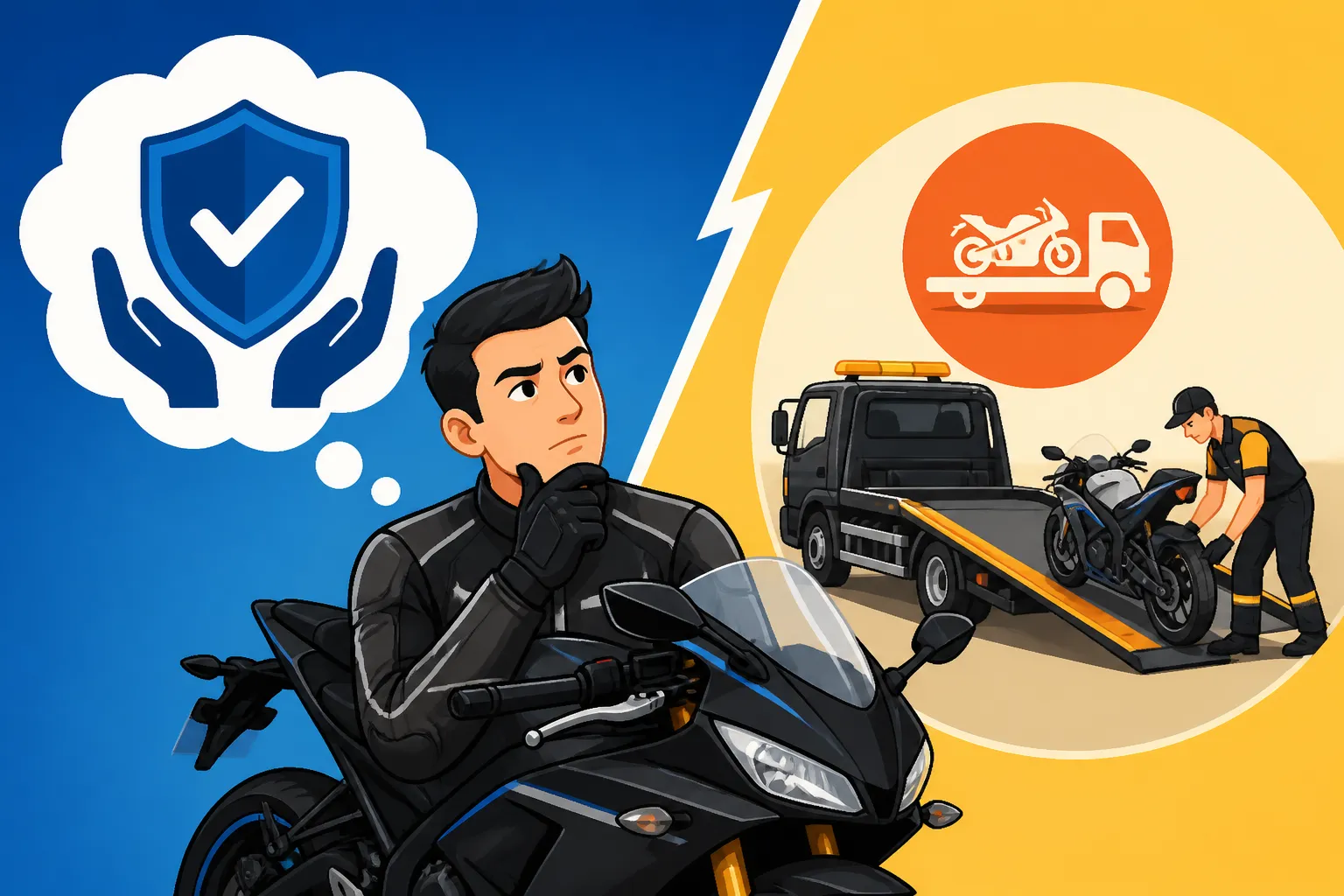
There’s nothing quite like hitting the open road on two wheels, feeling the wind, and enjoying the freedom that only a motorcycle can offer. But let's be honest, that blissful feeling can vanish in an instant if your bike decides to throw a wrench in your plans, literally. A flat tire on a deserted stretch of highway, a dead battery after a coffee stop, or an unforeseen mechanical issue can quickly turn an epic ride into a stranded nightmare. That’s why many riders grapple with the question: should I get roadside assistance for my motorcycle? This guide is here to break down what it entails, why it’s worth considering, and how it can save your bacon when the unexpected happens.
What Even Is Motorcycle Roadside Assistance, Anyway?
When we talk about roadside assistance, many people immediately picture a car broken down on the shoulder of a busy interstate. But for motorcyclists, it's a specific, often tailored, set of services designed to get you and your two-wheeled companion out of a jam. It's not just a fancy add-on; for many of us, it's peace of mind wrapped up in a policy. Think of it as your guardian angel on the road, ready to swoop in when things go sideways.
Beyond Just a Tow: What Services Are Typically Included?
While a tow is often the most critical service, especially if your bike is truly incapacitated, motorcycle roadside assistance plans usually offer a spectrum of help. It’s more comprehensive than you might think. For instance, if you get a flat tire, many plans will dispatch someone to either repair it on the spot (if possible and safe) or tow your bike to the nearest repair shop. This isn’t always about a major mechanical failure; sometimes it’s the little things that leave you stuck.
Another common scenario involves a dead battery. Maybe you accidentally left your ignition on, or perhaps it's just reached the end of its life cycle. A jump-start service can be a lifesaver, sparing you the hassle of trying to flag down a Good Samaritan with jumper cables (and praying they know how to jump a bike without frying your electronics!). Then there's the embarrassing, but all too real, moment when you run out of gas or lock your keys in your saddlebag. Fuel delivery and lockout services are often standard offerings, bringing you enough fuel to get to the next station or helping you retrieve your keys without damaging your bike.
Understanding Provider Networks and Limitations
Just like with regular car insurance, not all motorcycle roadside assistance plans are created equal. Different providers, whether it's through your main insurer or a standalone service, will have varying networks of tow truck operators and service providers. This network determines how quickly and effectively they can reach you. Some might have extensive coverage across rural areas, while others might be more concentrated in metropolitan regions. It’s a good idea to check if the providers utilize motorcycle-specific towing equipment, like flatbeds or specialized wheel lifts, to ensure your bike is transported safely without risk of further damage.
It's also crucial to understand any limitations. For example, some policies might have a mileage cap for towing services – perhaps only 25 or 50 miles. If you break down 100 miles from the nearest qualified mechanic, you could be on the hook for the extra towing fees. Others might limit the number of service calls you can make in a year, or exclude certain types of bikes (like heavily modified customs or track bikes) from coverage. Always read the fine print to know exactly what you’re signing up for. Knowing these details upfront can prevent a lot of headaches if you ever need to use the service.
Why Riders Often Hesitate on Roadside Assistance
It's natural to question whether an extra expense is truly necessary, especially when we're already calculating things like our Motorcycle Insurance Requirements by State (2026 Guide) or looking for ways to get How to Get Cheap Motorcycle Insurance. Riders, particularly seasoned ones, have a unique perspective, and often, a streak of self-reliance that makes roadside assistance seem… optional.
The "I Can Fix It Myself" Mentality
Many motorcyclists are incredibly hands-on. We love our bikes, we understand their mechanics, and we often carry a small toolkit for minor adjustments or repairs. There's a certain pride in being able to diagnose a problem and fix it on the side of the road, whether it's adjusting a chain, tightening a loose cable, or even patching a slow leak. This "I can fix it myself" attitude is commendable and often serves us well. We’ve all seen a rider pull over, pop open a saddlebag, and tinker their way out of a minor issue.
However, there are limits to what one person and a basic toolkit can accomplish. A catastrophic engine failure, a bent rim from a pothole, or an electrical system meltdown are not roadside fixes. Even a seemingly simple flat tire on a tubeless sportbike can be a monumental challenge without proper tools, a stable stand, and a safe environment. Relying solely on your own wrenching skills, while admirable, can leave you genuinely stranded when facing a problem beyond basic maintenance.
Cost Concerns and Perceived Value
Let's be real, every dollar counts, and adding another premium or membership fee to our already existing Types of Motorcycle Insurance Coverage Explained or vehicle expenses can feel like a pinch. Riders often think, "How often am I really going to use this?" If you primarily ride short distances, rarely venture far from home, or have a brand-new, highly reliable bike, the perceived value of roadside assistance might seem low. You might figure the odds of a breakdown are slim, and if it happens, you'll just call a friend with a truck or a local tow service.
However, the cost of a single private tow, especially in an emergency or from a remote location, can easily outweigh years of roadside assistance premiums. A tow that costs $200-$300 (or more if you're really out there) can make that $15-$30 annual fee for roadside assistance look like an absolute steal. It's an investment in contingency, and like all insurance, you hope you never need it, but you're profoundly grateful when you do. For many, it's about shifting a potentially huge, unexpected expense into a predictable, much smaller one.
Misconceptions About Standard Insurance Coverage
A common misconception is that your standard motorcycle insurance policy automatically includes roadside assistance. While some comprehensive policies might bundle it in, it's rarely a given. Most riders opt for a variety of coverages, from Liability Coverage for Motorcycles Explained to Collision vs Comprehensive Motorcycle Coverage, but roadside assistance is typically an optional add-on. It's not part of the basic liability required to ride legally, nor is it usually included in comprehensive or collision coverage, which focus on damage to your bike or others.
It’s easy to assume that if your bike is covered for accidents and theft, it's also covered for breakdowns. But these are distinct types of protection. Comprehensive and collision kick in after an incident – an accident, theft, fire, or vandalism. Roadside assistance is specifically for mechanical failures, flat tires, or other non-accident related disablements. Always double-check your policy documents or speak with your insurance provider to confirm what you do and don't have. Don’t wait until you’re on the side of the road, staring at a smoking engine, to find out you’re not covered!
The Real-World Scenarios Where Roadside Assistance Shines
You might think, "My bike's reliable, I don't need it." But as veteran riders know, even the most meticulously maintained machine can have an off day. And when you're on two wheels, small problems can become big, unsafe predicaments very quickly. Roadside assistance isn't just a convenience; it's a safety net.
The Inevitable Flat Tire Far From Home
Imagine this: you're cruising down a scenic backroad, miles from the nearest town, and suddenly your bike starts to feel… squishy. That's right, a flat tire. It's arguably the most common and frustrating mechanical issue a rider can face. Unlike a car, limping on a flat is incredibly dangerous, and repairing it on the shoulder of a busy highway is a high-risk endeavor. Trying to get an Uber or a regular tow truck for your specific bike can be a nightmare.
This is where roadside assistance truly earns its keep. A quick call, and a qualified service provider, often equipped to handle motorcycles, will be dispatched. They might patch it on the spot, or more likely, load your bike carefully onto a flatbed and take it to a reputable shop. This saves you from having to call friends, scour Google Maps for a local repair shop willing to pick up a bike, and potentially putting yourself in harm's way. I once had a slow leak turn into a full flat near St. Augustine, Florida, and without my roadside assistance, I would have been looking at a long, expensive, and stressful wait.
Battery Woes and Unexpected Mechanical Failures
It's happened to all of us. You stop for lunch, enjoy a good meal, come back to your bike, hit the starter, and… nothing. Just a sad click. A dead battery, perhaps from an accessory left on or simply old age, is a common culprit. While jump-starting a car is relatively straightforward, finding someone willing and able to jump-start a motorcycle (and doing it correctly to avoid electrical damage) isn’t always easy.
Beyond batteries, unexpected mechanical failures can range from a snapped clutch cable to a failing fuel pump. These aren't things you can typically patch up with duct tape and a prayer. Having a dedicated service means you don't have to worry about finding a tow, explaining how to handle your specific model, or paying exorbitant on-the-spot fees. Whether you're riding a nimble sportbike or a hefty touring Harley-Davidson, unexpected issues are just part of the riding life, and being prepared for them is crucial.
Fuel Mishaps and Keys Locked Away
Alright, let’s talk about those slightly embarrassing but very real moments. How many times have you pushed your fuel tank just a little too far, hoping to make it to the next exit, only to sputter to a halt? Or perhaps you've got those secure saddlebags that you thought you left unlocked, only to realize your keys are snugly inside, and your spare is at home. These aren't mechanical breakdowns, but they're certainly trip-stoppers.
Most comprehensive roadside assistance plans include fuel delivery (they'll bring you enough gas to get to the nearest station) and lockout services. For a motorcyclist, a lockout might mean a technician carefully gaining access to your luggage without damaging your bike, or if your ignition key is the problem, potentially arranging transport. These services might seem minor, but they can save you hours of frustration and a potentially costly call to a locksmith or a frantic search for a gas can. It all adds up to a smoother, less stressful riding experience, even when things don't go according to plan.
How to Get Motorcycle Roadside Assistance
Once you've decided that the peace of mind is worth it, the next step is figuring out the best way to secure that safety net. There are a few different avenues, each with its own benefits and considerations. It's not a one-size-fits-all situation, so understanding your options is key.
Adding It to Your Existing Motorcycle Insurance Policy
For many riders, the easiest and often most cost-effective way to get roadside assistance is by adding it as an endorsement or rider to your existing motorcycle insurance policy. Most major insurers like Progressive, Geico, and Dairyland offer this as an optional add-on. The cost is usually quite reasonable, often just an extra $15-$30 per year, which is a small price to pay for such a valuable service.
The beauty of this approach is convenience. Everything is bundled under one policy number, and you typically call the same customer service line you would for any other insurance claim. This integration means you don't have multiple cards or numbers to remember. Plus, if you're already looking to combine your motorcycle and auto insurance or explore other discounts, adding roadside assistance might fit seamlessly into your overall insurance strategy. When you're comparing How to Compare Motorcycle Insurance Quotes, always ask about the roadside assistance options.
Standalone Membership Programs and Third-Party Options
Beyond your insurance provider, there are several reputable standalone membership programs that offer roadside assistance for motorcycles. The most well-known is often AAA, which has specific tiers of membership that cover motorcycles. Other options include services like Better World Club (an eco-friendly alternative) or even some credit card benefits that include roadside assistance. These programs might offer different levels of service, such as higher towing mileage limits, trip interruption benefits, or even concierge services.
The advantage of a standalone program is that it often follows you, the rider, rather than just the bike. So, if you're riding a friend's motorcycle or even a rental, you might still be covered. This can be a huge perk for riders who frequently switch bikes or travel. However, these memberships typically come with a higher annual fee than an insurance add-on, so you'll need to weigh the extra benefits against the increased cost. Some motorcycle-specific clubs also offer their own form of roadside assistance, so check with any groups you might be a part of.
What to Look for When Comparing Options
When you're trying to decide, don't just jump at the cheapest option. It’s crucial to compare the details. First, look at the towing mileage limits. Is it 25 miles? 100 miles? Unlimited? This is perhaps the most important factor, especially if you ride long distances or in remote areas. Second, understand the types of services included. Does it cover flat tires, fuel delivery, jump-starts, and lockout services? Some basic plans might only offer towing. Third, inquire about the response time and the service network. A good provider should have a broad network of reputable tow operators who know how to handle motorcycles safely.
Consider also any additional benefits. Some premium plans might offer trip interruption coverage, which helps with lodging and transportation if your bike breaks down far from home. If you're comparing different policies, companies like The Zebra can be a great resource for seeing side-by-side comparisons of coverage options and prices, helping you make an informed decision without the hassle of individual quotes from every single provider.
Here's a quick comparison table to help visualize the differences:
| Feature | Insurance Add-On Roadside Assistance | Standalone Membership Program (e.g., AAA) |
|---|---|---|
| Cost (Annual Est.) | Usually $15 – $30 | $50 – $150+ (depending on membership tier) |
| Coverage Focus | Tied to the insured motorcycle | Often covers the member, regardless of which motorcycle (or car) they are in |
| Towing Limits | Varies widely, often 15-50 miles | Generally higher, 100-200+ miles or even unlimited in some tiers |
| Services Included | Towing, jump-starts, fuel delivery, lockout | Same as insurance, often with more generous limits and additional perks |
| Response Time | Varies by provider network | Often robust, large network, may have motorcycle-specific tow services |
| Additional Benefits | Sometimes minimal beyond core services | Can include trip interruption, discounts, travel planning, legal aid |
| Convenience | One less policy/card to manage | Separate membership, but often comprehensive for all vehicles |
Weighing the Pros and Cons: Is It Right for You?
Deciding whether to add roadside assistance for your motorcycle boils down to a personal assessment of your riding habits, risk tolerance, and financial comfort. There’s no universal right or wrong answer, but understanding the upsides and downsides clearly can help you make an informed choice.
Advantages of Having Roadside Protection
The primary advantage is, without a doubt, peace of mind. Knowing that a single phone call can dispatch help if your bike breaks down, especially in an unfamiliar area or late at night, is incredibly reassuring. This psychological comfort allows you to truly enjoy your rides without constantly worrying about "what if." It’s particularly valuable for long-distance touring riders who regularly cover hundreds or thousands of miles across various terrains and states.
Secondly, it offers significant cost savings in an emergency. As mentioned, a private tow can be surprisingly expensive, often costing more than a year or even several years of roadside assistance premiums. If you find yourself in a situation requiring a tow or specialized service, the cost of the plan will almost certainly pay for itself immediately. This financial buffer is invaluable.
Lastly, it enhances your safety and convenience. Being stranded on the side of a highway, particularly on a motorcycle, can be dangerous. Roadside assistance quickly removes you from a vulnerable position, getting your bike safely transported and you to a secure location. It also saves you the immense hassle of scrambling for solutions, contacting friends, or trying to find a mechanic when you're already stressed and frustrated. It’s a huge factor for solo riders, or for anyone who values a swift and professional resolution to unexpected mechanical issues. Consider how much this might be worth if you're on a cross-country trip and need help far from home.
Potential Drawbacks and When It Might Not Be Necessary
The main drawback, as with any insurance or service, is the additional cost. While often minimal, it's still an extra line item on your budget. If you rarely ride, or only take short trips close to home where you have a strong support network (friends with trailers, local trusted mechanics), you might genuinely question its necessity. For someone who only puts a few hundred miles on their bike a year, and those miles are all within a 10-mile radius of their garage, the immediate utility might not justify the annual fee.
Another consideration is redundancy. If you already have a premium credit card that offers robust roadside assistance for all your vehicles, or if you're a member of a motorcycling club that provides similar benefits, paying for yet another layer of protection might be overkill. It's always a good idea to check all your current memberships and credit card benefits before purchasing new coverage. No one wants to pay twice for the same service, right? It might also be a case where you have Do You Need Insurance to Store a Motorcycle? coverage, but not necessarily coverage for active breakdowns on the road.
Ultimately, it comes down to balancing the potential for a bad situation against the small ongoing cost. For some, the peace of mind is priceless. For others, particularly those with very specific, low-risk riding patterns, it might be an expense they can comfortably forgo.
Actionable Advice for Choosing Your Roadside Plan
So, you're leaning towards getting roadside assistance, which is a smart move for most riders. Now, how do you pick the right plan for your specific needs? It’s not about finding the cheapest, but the one that offers the most value and aligns with how you ride.
Assessing Your Riding Style and Risk Factors
Your riding habits are the biggest indicator of what kind of roadside assistance plan you need. Are you a weekend warrior who sticks to local roads? Or are you a long-haul touring enthusiast who plans multi-state trips? The more miles you put on your bike, and the farther you venture from familiar territory, the more robust your roadside assistance should be. A rider who frequently travels through rural areas where tow services are scarce will need higher towing limits than someone who primarily rides within a major city.
Consider the age and reliability of your motorcycle. A brand-new bike under warranty might be less prone to breakdowns than a vintage classic or a heavily modified machine. While classics are beautiful, they can sometimes be a bit more temperamental. Think about your personal mechanical aptitude too. If you're genuinely handy and can handle minor issues, you might not need as many "fix-on-the-spot" services, but a major breakdown will still require a tow. Your Motorcycle Insurance Cost by Age and What Affects Your Motorcycle Insurance Rate? might already be influenced by these factors, so it makes sense to let them guide your roadside assistance decision too.
Important Questions to Ask Before You Buy
Before you commit to a plan, whether it's an insurance add-on or a standalone membership, make sure you ask these critical questions:
- What is the exact towing mileage limit? This is crucial. Don't assume. Get a specific number.
- Is towing to a specific repair shop allowed, or just the nearest one? Some plans will only take you to the closest qualified facility, even if it's not your preferred mechanic.
- Are there any exclusions for certain motorcycle types (e.g., custom bikes, trikes, scooters)? Ensure your specific ride is covered.
- How many service calls are allowed per year? Some plans have limits.
- What is the average response time in my area (or areas I typically ride)? This can vary significantly.
- Are all basic services included (jump-starts, fuel delivery, lockout, flat tire assistance)?
- Does the plan cover me if I'm riding someone else's motorcycle, or if someone else is riding mine? This touches on the question of Does Motorcycle Insurance Follow the Bike or Rider?.
- Are there any additional benefits like trip interruption coverage?
- What’s the exact annual cost, and are there any hidden fees?
By asking these detailed questions, you’ll get a clear picture of what you’re paying for and avoid any unwelcome surprises when you actually need assistance. It's about being proactive and ensuring that your chosen plan truly meets your needs for safety and preparedness on the road.
Disclaimer
Please remember that this article provides general information and guidance regarding motorcycle roadside assistance. Insurance policies and coverage details can vary significantly by provider, state, and individual circumstances. It is essential to consult with a licensed insurance professional, review your specific policy documents, and directly contact insurance companies for personalized advice and accurate quotes. Laws and regulations regarding motorcycle insurance and roadside assistance are subject to change.