Do You Need Custom Parts Coverage on a Motorcycle?
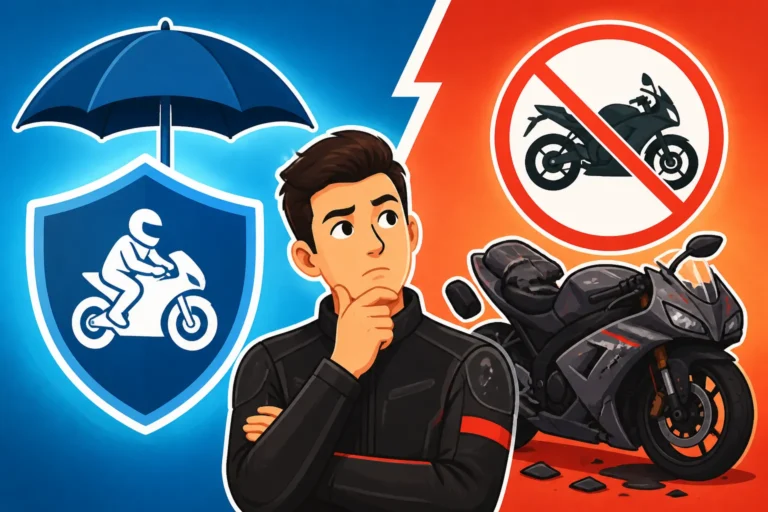
You've poured your heart, soul, and hard-earned cash into making your motorcycle truly yours. From that custom paint job that turns heads to the performance exhaust that sings a sweet tune, every modification reflects your personal style and passion for riding. But when it comes to insurance, a nagging question often creeps in: will your standard policy actually cover all those precious customizations if something goes wrong? This guide is here to tackle that very common frustration, helping you understand whether custom parts coverage is a necessary safeguard for your unique ride.
The Allure of Customization and the Insurance Headache
Riders customize their bikes for a myriad of reasons, turning a factory model into a rolling work of art or a performance beast. But while the open road beckons, the reality of potential accidents, theft, or damage always looms. That's when you discover that your standard insurance policy might not see your personalized machine the same way you do.
Why Riders Customize Their Bikes
Let's be real, riding isn't just about getting from point A to point B; it's an experience, a lifestyle, and for many, a deeply personal expression. Customizing a motorcycle is an extension of that. You might be dreaming of a unique aesthetic, like a shimmering candy paint job, meticulously chromed components, or a bespoke leather seat that fits you just right. For others, it’s all about performance – a high-flow air intake, an upgraded suspension system, or a power commander to squeeze every last horsepower out of the engine.
Think about it: that stock Harley-Davidson Softail might be a great bike, but when you add a custom fairing, a loud Vance & Hines exhaust, and some tricked-out LED lighting, it becomes your Harley, unlike any other. The same goes for sportbike enthusiasts who swap out stock levers for adjustable ones, add frame sliders, or upgrade their braking systems for track days. Every modification is an investment, both financially and emotionally, transforming a mass-produced machine into a reflection of its owner. This personal connection is precisely why the thought of these custom pieces not being covered by insurance can be so unsettling.
The Standard Policy Gap: What's Usually NOT Covered
Here's where the rubber meets the road, or rather, where your custom parts meet the fine print. Most basic motorcycle insurance policies, particularly those focused solely on liability, are designed to cover the bike in its "stock" or "factory condition." They're built around the manufacturer's suggested retail price (MSRP) and the standard parts that come with it. If you've only got minimum liability insurance, for instance, it's covering damages you might cause to other people or their property, not your bike itself, let alone your custom additions.
Even if you have comprehensive and collision coverage – which are crucial components of what many consider "full coverage motorcycle insurance" – these often come with limitations on custom parts. A standard comprehensive policy might cover your bike if it's stolen, but it might only pay out the Actual Cash Value (ACV) of the stock parts, leaving you out of pocket for all the modifications. Imagine your pride and joy, a custom-built chopper with a meticulously fabricated frame and hand-tooled leather, gets stolen. Your standard policy might reimburse you for a stock model of that year, but all the unique elements that made it special? Those could be entirely excluded, or at best, covered only up to a very low default limit, sometimes as low as $1,000 to $3,000, which barely covers a decent set of aftermarket exhaust pipes, let alone a whole custom build. This gap in coverage is a huge frustration for riders who've invested significantly in personalization.
Understanding Custom Parts and Accessories Coverage
Given the limitations of standard policies, dedicated custom parts and accessories coverage becomes a vital consideration for many riders. This isn't just a fancy add-on; it's a specific type of protection designed to bridge the gap and safeguard the unique value you've added to your motorcycle.
What Qualifies as a "Custom Part" for Insurance?
This is where definitions get important. Generally, insurance companies consider "custom parts and accessories" to be anything added to your motorcycle that wasn't included as a standard factory-installed component. This can be a surprisingly broad category, encompassing both aesthetic and performance enhancements.
Let's break down some common examples:
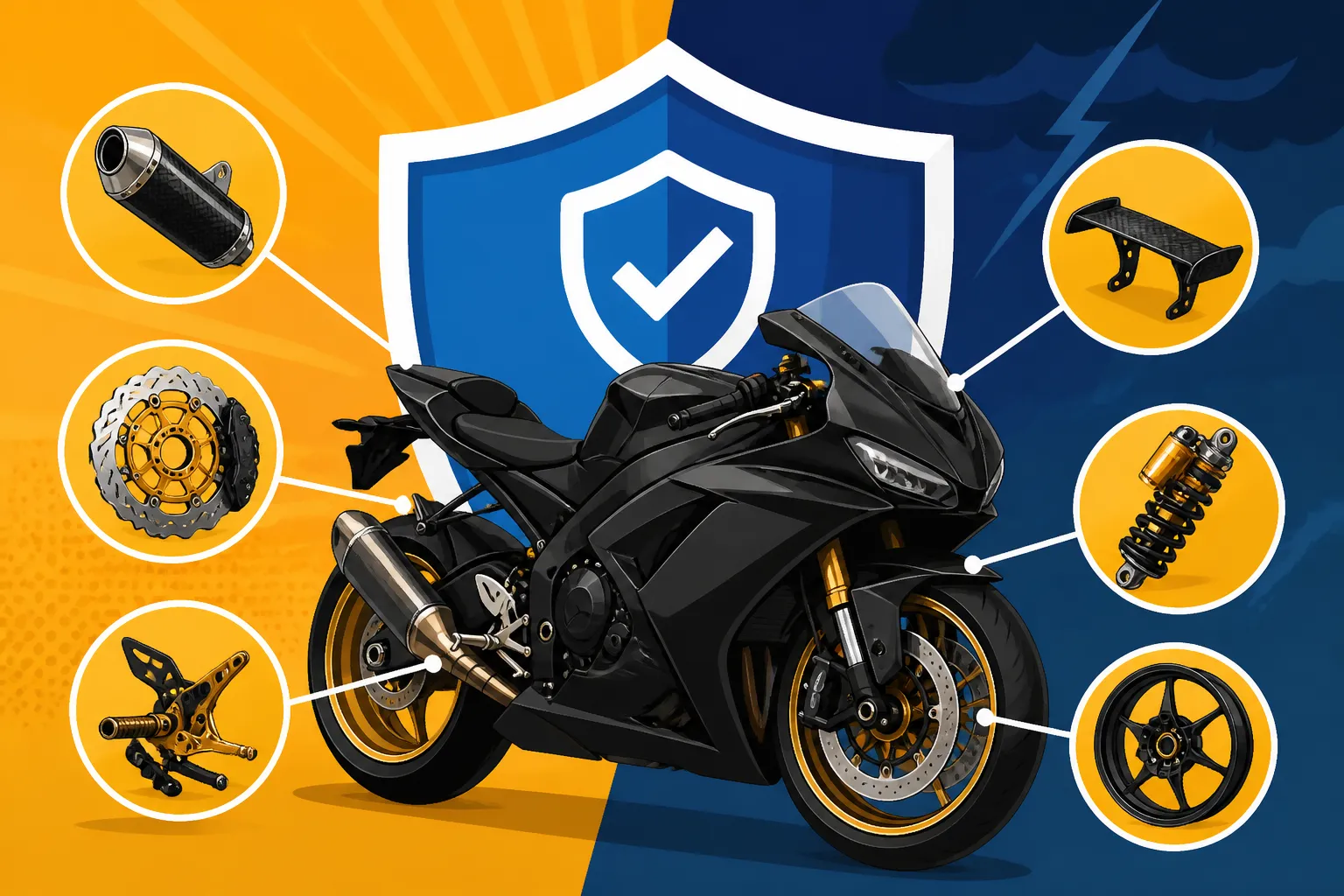
- Cosmetic Enhancements: This includes custom paint jobs, pinstriping, chroming on engines, wheels, or frames, aftermarket fairings, custom seats (like a Mustang or Saddlemen seat), personalized handlebars, mirrors, and even upgraded LED lighting kits. If it makes your bike look cooler or more unique, it likely falls here.
- Performance Upgrades: This covers items like performance exhaust systems (e.g., Akrapovič, Two Brothers Racing), air intakes, fuel management systems (Power Commander), upgraded suspension components (Öhlins, Progressive Suspension), aftermarket brakes, and even engine modifications that boost horsepower or torque.
- Functional Accessories: These are additions that improve utility or comfort, such as saddlebags (leather, hard cases), windshields, crash bars, sissy bars, backrests, passenger floorboards, heated grips, GPS mounts, and even advanced audio systems.
- Safety & Security: While some might argue these are standard, aftermarket alarms, upgraded security systems, and robust anti-theft devices (like a heavy-duty chain and lock) can also be considered custom accessories depending on your policy.
The key is that these items are not what came from the manufacturer. It's important to differentiate these from standard factory options that might have been chosen when the bike was new, as those are usually factored into the bike's original value.
How This Coverage Works and Its Limitations
Custom parts and accessories coverage works as an endorsement or add-on to your existing comprehensive and collision policy. When you purchase this coverage, you'll specify the total dollar amount you want to insure for your custom parts. This amount is above and beyond the standard value of your motorcycle. For example, if your bike is valued at $15,000 and you've added $8,000 worth of custom parts, you'd ensure your custom parts coverage reflects that $8,000. Many insurance providers, like The Zebra, offer options for this type of specialized coverage, making it easier to compare what's available.
Here's how it generally operates:
- Claim Payout: If your custom parts are damaged in an accident, stolen, or destroyed due to a covered peril (like fire or vandalism), this coverage will help reimburse you for the repair or replacement cost of those specific parts, up to your chosen coverage limit. This is a huge relief compared to having to pay out of pocket for a new custom exhaust or a fresh paint job.
- Deductibles: Just like your regular comprehensive and collision coverage, custom parts coverage typically has a deductible. This is the amount you pay out-of-pocket before your insurance kicks in. If you have a $500 deductible and your custom parts claim is $2,000, you'd pay $500 and the insurer would cover the remaining $1,500.
- Agreed Value vs. Actual Cash Value: This distinction is critically important. Many standard policies use Actual Cash Value (ACV), meaning they pay out the depreciated value of the item. For custom parts, this can be devastating, as aftermarket items often depreciate quickly. Some specialized policies or endorsements might offer "agreed value" coverage, where you and the insurer agree on a specific value for your custom parts before a loss occurs. This is usually more expensive but offers greater peace of mind for highly customized bikes, as explained in our guide on Agreed Value vs Stated Value vs Actual Cash Value.
- Coverage Limits: You usually select a specific limit for this coverage (e.g., $5,000, $10,000, $30,000, or more). This limit is the maximum amount the insurer will pay for all custom parts combined in a single claim. It's crucial to choose a limit that accurately reflects the total value of your customizations. Don't underestimate it!
- Exclusions: Always read the fine print. Some policies might exclude certain types of modifications (e.g., engine internals for racing, or certain DIY modifications that don't meet safety standards). Make sure your specific modifications are covered. For example, some policies won't cover performance upgrades if you're using the bike for track days, so it's essential to clarify.
Understanding these details can make a world of difference when you're trying to figure out "what motorcycle coverage do you actually need?" beyond the basics.
Deciding If Custom Parts Coverage Is Right for You
The decision to add custom parts coverage isn't always clear-cut. It boils down to a careful assessment of your investment, your risk tolerance, and the potential financial hit you'd take if those modifications weren't insured. It’s not just about the monetary value, but also the sentimental worth of your unique ride.
Factors to Consider: Value, Type, and Frequency of Mods
When pondering custom parts coverage, ask yourself these questions about your bike:
- The Total Value of Your Modifications: This is the most straightforward factor. Sit down and calculate how much you've actually spent on all your aftermarket parts and custom work. Don't forget installation costs if you didn't do it yourself. If that total is more than a few thousand dollars, and certainly if it exceeds the typical default custom parts coverage offered by a standard policy (which, as mentioned, can be quite low), then dedicated coverage is probably a wise move. For instance, a full custom paint job could easily run $3,000-$5,000, and a high-end exhaust system another $1,500-$2,500. Add in an upgraded seat, handlebars, and chrome, and you're quickly looking at a significant investment.
- The Type of Modifications: Are your modifications primarily cosmetic (paint, chrome, lighting) or do they include high-value performance parts (engine upgrades, sophisticated suspension, specialized braking systems)? While all customizations hold value to you, some are inherently more expensive to replace. For example, replacing a custom fabricated swingarm will cost significantly more than a new set of custom mirrors. Also consider if these parts are easily replaceable or one-of-a-kind. If you have truly unique, hand-built components, "agreed value" coverage might be even more critical.
- Your Personal Financial Situation: Could you comfortably afford to replace all your custom parts out-of-pocket if they were damaged or stolen? If the answer is a resounding "no," then insuring them becomes less of a luxury and more of a necessity. For many riders, the thought of losing their custom investment without any recourse is enough to justify the added premium.
- Risk of Theft or Damage: Where do you park your bike? Do you live in an area with high motorcycle theft rates? Do you often ride in groups where parking lot tip-overs or minor accidents are a possibility? While insurance can't prevent these incidents, it can provide financial protection. Our guide on Does Motorcycle Insurance Cover Theft? delves deeper into this specific risk. If you frequently take your bike on long trips, consider the increased exposure to road debris and potential incidents.
A rider with a mostly stock bike with only a new set of grips might not need dedicated custom parts coverage, but someone with a fully customized café racer with thousands invested definitely should.
The Cost vs. Benefit Analysis
Every additional coverage comes with an additional premium. So, how do you weigh the cost of custom parts coverage against the peace of mind and financial protection it offers?
- Calculate the Premium Increase: Get quotes for your standard comprehensive and collision policy, and then get quotes that include the specific amount of custom parts coverage you need. The difference will be your annual cost for this added protection. Use comparison tools, like those offered by The Zebra, to see how different insurers price this add-on. Sometimes the increase is surprisingly small compared to the value it protects.
- Consider Your Deductible: Remember, you'll still pay your deductible if you file a claim. Factor that into your calculation of potential out-of-pocket costs.
- The "What If" Scenario: Imagine your bike is involved in an accident, or worse, stolen. Without custom parts coverage, you might only get the depreciated value of the stock motorcycle. This means you'd be looking at a significant personal loss for all your unique additions. If your custom exhaust, custom wheels, and high-end fairing are valued at $7,000, and your standard policy only covers $2,000 for custom parts, you're on the hook for $5,000. Is saving a few hundred dollars on your annual premium worth that potential $5,000 loss? For most passionate riders, the answer is usually no.
- Peace of Mind: This is an intangible benefit, but it's incredibly valuable. Knowing that your unique investment is protected allows you to enjoy your ride without constant worry. This peace of mind is often the strongest argument for carrying this specific coverage.
Ultimately, if the total value of your custom parts is substantial, and the thought of having to replace them entirely out of pocket gives you a knot in your stomach, then the benefits of custom parts coverage almost certainly outweigh the added cost. It's about protecting your investment and your passion.
Getting the Right Coverage and Smart Tips
Once you've decided that custom parts coverage is a must for your beloved machine, the next step is ensuring you get the right amount and type of coverage. This involves proactive steps both before and after you purchase the policy, ensuring that when the time comes, your claim process is as smooth as possible.
Documenting Your Customizations
This is probably the single most critical step that many riders overlook, and it can make or break a claim for custom parts. Insurance companies need proof of what you've added and its value. Without it, they might default to a much lower payout, or even deny coverage for undocumented items.
Here’s what you need to do:
- Keep All Receipts: Every single receipt for parts purchased and labor performed for modifications should be meticulously saved. This includes anything from a custom seat to a new exhaust system or even a bespoke paint job. Digital copies are great, but physical copies in a dedicated folder are also invaluable. These receipts prove both ownership and the cost you incurred.
- Take Detailed Photos and Videos: Before and after photos of your customizations are essential. Take pictures of each individual custom part installed on your bike, and also wide shots showing the overall aesthetic. Consider taking a video walkthrough, pointing out each modification. Date-stamp these photos or videos if possible. This visual evidence clearly shows the insurer what was on your bike.
- Get Appraisals for High-Value Custom Work: For truly unique or expensive custom work, especially custom fabrication or highly specialized paint, consider getting a professional appraisal. An independent appraisal from a reputable shop can provide an objective valuation that strengthens your claim, especially if you're aiming for "agreed value" coverage, which values your bike and its mods at a pre-determined amount.
- Maintain an Itemized List: Create a spreadsheet or detailed document listing every custom part, its cost, and the date it was installed. Referencing your receipts and photos, this list serves as a comprehensive inventory of your investment.
- Update Your Policy Regularly: If you add more customizations after your policy is active, don't wait until renewal. Contact your insurance provider immediately to update your custom parts coverage limit. Otherwise, those new additions might not be covered if something happens.
Having this documentation ready to go will significantly streamline the claims process if you ever need to file one for your Does Motorcycle Insurance Cover Theft of Parts? or accident damage.
Shopping for Custom Parts Coverage
Finding the right custom parts coverage means shopping around, just like you would for any other type of insurance. Not all providers offer the same limits or terms.
- Start with Your Current Insurer: See what your current provider, whether it's Progressive, Geico, or another company, offers in terms of custom parts and accessories coverage. They might have a straightforward add-on. Ask about their default limits and how much it costs to increase them.
- Compare Multiple Quotes: Don't settle for the first offer. Utilize online comparison tools, like those offered by The Zebra, to get quotes from various motorcycle insurance companies. These platforms allow you to specify the amount of custom parts coverage you need and compare pricing from different insurers side-by-side. This helps you find the most competitive rates and the best coverage options. You can often find a comprehensive list of Best Motorcycle Insurance Companies (2027) through such services.
- Ask Specific Questions: When talking to an agent or reviewing quotes, be very clear about the types of customizations you have. Ask:
- What is the maximum limit for custom parts coverage?
- Is the coverage Actual Cash Value or Agreed Value?
- Are there any specific exclusions for certain types of modifications (e.g., performance upgrades, electronics)?
- What documentation will be required if I file a claim?
- Consider Specialized Insurers: Some insurance companies specialize in classic, vintage, or highly customized vehicles. Companies like Markel or Dairyland might offer more flexible or comprehensive custom parts coverage options, especially if your bike is truly one-of-a-kind. For highly valuable customs, this might be worth exploring.
- Review Your Policy Annually: As you add more modifications or as the value of existing ones changes, make it a habit to review your policy at renewal time. This ensures your coverage remains adequate.
Remember, the goal is to fully cover your investment, so don't be afraid to ask detailed questions and ensure every component you value is accounted for. This diligence is part of understanding How to Compare Motorcycle Insurance Quotes effectively.
What to Do If Your Custom Parts Are Damaged or Stolen
Even with the best coverage, the reality of filing a claim can be stressful. Knowing the steps beforehand can make a difficult situation a little easier.
- Prioritize Safety and Report to Authorities:
- Accident: If you're involved in an accident, ensure your safety and that of others first. Seek medical attention if necessary. Then, if safe to do so, document the scene with photos and videos, gather contact information from any other parties or witnesses, and contact the police to file a report. This police report is crucial for any insurance claim.
- Theft or Vandalism: If your custom parts are stolen or your bike is vandalized, report it to the police immediately. A police report with a case number is absolutely required for a comprehensive claim.
- Contact Your Insurance Company Promptly: As soon as possible, notify your insurer about the incident. Many companies, including The Zebra's partner insurers, have 24/7 claim hotlines or online portals. Explain what happened and mention that custom parts were affected. This starts the How to File a Motorcycle Insurance Claim process.
- Provide Documentation: This is where all your diligent record-keeping pays off. Share your receipts, photos, videos, and itemized lists of custom parts with the claims adjuster. The more evidence you provide, the smoother the process will be.
- Work with the Adjuster: The insurance adjuster will assess the damage or loss. Be prepared to discuss the details of your customizations and their value. If your bike is declared a total loss, the custom parts coverage ensures you're reimbursed for those additions on top of the bike's base value. This is especially important when considering What Happens When Your Motorcycle Is Totaled?.
- Understand Your Payout: Ensure you understand how the payout is calculated, especially regarding depreciation (ACV vs. agreed value). If you disagree with the assessment, present your documentation and try to negotiate.
By having custom parts coverage and being prepared with documentation, you significantly increase your chances of being fairly compensated for the unique investment you've made in your motorcycle, allowing you to get back on the road with a bike that truly reflects you.
Levels of Customization and Recommended Coverage
To help clarify the decision, here's a quick guide on different levels of customization and the kind of coverage you should be thinking about.
| Level of Customization | Examples of Modifications | Default Custom Parts Coverage (Typical) | Recommended Custom Parts Coverage |
|---|---|---|---|
| Minor / Bolt-On | Aftermarket grips, levers, mirrors, slip-on exhaust, small cosmetic accents, fender eliminator, basic saddlebags. | $1,000 – $3,000 | $3,000 – $5,000 |
| Moderate | Custom paint, full exhaust system, upgraded suspension (forks/shocks), crash bars, custom seat, light engine tuning, basic audio. | $1,000 – $3,000 | $5,000 – $10,000 |
| Extensive | Major engine upgrades, turbo/supercharger, custom fairings/bodywork, custom wheels, complex lighting, advanced audio, extended swingarms, performance brakes. | $1,000 – $3,000 | $10,000 – $25,000+ |
| Full Custom / Show | Fabricated frame, bespoke engine components, artisan paint/artwork, unique material choices, one-off parts, truly unique builds. | $1,000 – $3,000 (often insufficient) | $25,000+ (Agreed Value Highly Recommended) |
This table illustrates that while standard policies might offer a baseline for custom parts, it's often far too low for anything beyond minor modifications. Riders with truly unique bikes need to actively seek out and secure higher limits or specialized "agreed value" policies to protect their significant investment.
Disclaimer
Please remember that the information provided in this article is intended for general informational purposes only and does not constitute professional financial or legal advice. Motorcycle insurance policies and regulations can vary significantly by state and insurer. It is crucial to consult with a qualified insurance professional or agent to discuss your specific needs and ensure you have the appropriate coverage for your individual situation. Always review your policy documents carefully.