Do You Need Roadside Assistance Coverage on a Motorcycle?
There’s nothing quite like the freedom of the open road on two wheels, but that feeling can vanish in an instant when your motorcycle breaks down far from home. A flat tire on a deserted highway, an empty fuel tank in unfamiliar territory, or an unexpected mechanical issue can quickly turn an epic ride into a frustrating nightmare. This guide is dedicated to exploring whether roadside assistance coverage is truly a necessity for motorcyclists, detailing what it typically covers, and helping you decide if it’s a smart addition to your policy.
Understanding Motorcycle Roadside Assistance Coverage
Roadside assistance is one of those coverages you hope you never have to use, but when you do, it feels like a lifesaver. For motorcyclists, it’s not just a convenience; it can be a crucial safety net. Imagine being stranded on the shoulder of a busy interstate or a remote country road, alone with your bike. That's where this coverage steps in, providing immediate help when you need it most.
Beyond the Basic Tow: What It Really Means for Riders
When most people think of roadside assistance, they picture a tow truck. And while towing is certainly a big part of it, for riders, it encompasses a lot more. It's about getting you and your valuable machine to safety and a repair shop, without having to resort to desperate measures or rely on the kindness of strangers. Unlike a car, which might have a spare tire or more storage for tools, a motorcycle leaves you far more exposed and less equipped to handle an unexpected roadside emergency on your own. You can't just throw a can of fix-a-flat in your saddlebag for every scenario.
This coverage essentially acts as your personal emergency response team. It means not having to worry about who to call or how much it's going to cost out-of-pocket when disaster strikes. Whether you're riding a nimble sportbike through winding mountain passes or cruising on a heavy touring machine across state lines, the peace of mind that comes with knowing help is just a phone call away is truly invaluable. It mitigates the potential for additional stress, financial strain, and even personal danger if you're stuck in a vulnerable location, especially at night.
Distinguishing It from Your Car's Policy
Many riders already have roadside assistance for their cars, either through their auto insurance provider or a motor club like AAA. However, it’s a common misconception that this coverage automatically extends to your motorcycle. More often than not, it doesn't. Car insurance policies are specifically designed for cars, and while some insurers might offer bundled policies, the roadside assistance component is usually distinct.
Motorcycle roadside assistance is tailored to the unique needs of a bike. This means the tow trucks sent are often equipped to handle motorcycles safely, preventing further damage during transport. Additionally, the service providers are typically more familiar with common motorcycle issues, which can speed up the resolution process. Always double-check your existing auto policy's fine print. Don't assume your car's coverage will cover your two-wheeled pride and joy. You'll likely need to add it specifically to your motorcycle insurance policy or seek a separate membership designed for bikes.
Why Riders Really Need Roadside Assistance
Let's be honest, breaking down in a car is a hassle, but breaking down on a motorcycle can feel downright dangerous and leave you incredibly vulnerable. There are inherent differences in how a motorcycle operates and the typical riding environments that make roadside assistance far more than a luxury – it’s often a necessity.
Vulnerability on Two Wheels: Unique Challenges
Riding a motorcycle comes with an undeniable sense of freedom, but also a heightened sense of vulnerability. If your bike breaks down, you don't have a metal cage around you for protection, and you can't just pull to the side of the road and wait comfortably inside. You're exposed to the elements, passing traffic, and whatever environment you happen to be in. Pushing a heavy cruiser or a fully-loaded touring bike even a short distance can be an exhausting and potentially dangerous endeavor, especially if you're on a highway shoulder with cars whizzing by.
Consider a scenario where you're deep into a national park, miles from the nearest town, and you get a flat. Or perhaps you're riding through a heavy rainstorm when your electrical system decides to quit. Without roadside assistance, you'd be looking at a long walk, a risky hitchhike, or an astronomical out-of-pocket towing fee. These aren't just inconveniences; they can be real safety concerns. The small size of a motorcycle compared to other vehicles on the road means that being stranded makes you less visible and more susceptible to accidents, particularly at night.
Peace of Mind on Long Hauls and Daily Commutes
Whether you're planning a cross-country adventure or just commuting to work, the "what if" factor is always there. Knowing that you have reliable support available can significantly reduce anxiety and enhance your overall riding experience. For those epic trips where you're covering hundreds of miles, a mechanical issue could otherwise derail your entire journey, costing you time, money, and precious vacation days. Having roadside assistance allows you to focus on the ride itself, enjoying the scenery and the open road, rather than constantly worrying about potential breakdowns.
Even for shorter, daily commutes, it's incredibly reassuring. Picture this: you're heading home after a long day, hit a pothole you didn't see, and suddenly your tire is flat. Or maybe you forgot to check your fuel gauge and sputter to a halt just a few blocks from your destination. Instead of scrambling for solutions, contacting friends, or trying to flag down help, a quick call to your roadside assistance provider means someone is on their way to assess the situation and get you moving again, whether that's with a tire change, fuel delivery, or a tow to the nearest service station. It truly is about adding a layer of peace to your journey.
The Cost of Being Stranded
Let's talk brass tacks: getting stranded can be incredibly expensive if you don't have coverage. Professional towing services for motorcycles, especially over long distances or from remote locations, can easily run into hundreds of dollars. Many independent tow truck operators might not even be equipped to handle motorcycles safely, which could mean waiting longer for a specialized tow or risking damage to your bike. A quick search online for "What Happens If You Ride Without Insurance?" will show you the severe legal and financial penalties, but the unexpected costs of not having basic support like roadside assistance can also hit hard.
Beyond the towing fee, consider the additional expenses: renting a car or finding alternative transportation, potential overnight stays in a hotel if you're far from home, and the lost time. If you're on a tight schedule, these unplanned disruptions can be hugely impactful. A small annual premium for roadside assistance is often a fraction of what you'd pay for a single, unplanned towing event. When you consider these potential costs, the minimal investment in coverage begins to look like a very wise financial decision, protecting your wallet as much as it protects your ride.
What Does Motorcycle Roadside Assistance Typically Cover?
It’s important to understand the specifics of what your roadside assistance plan will provide. While exact coverages can vary slightly between providers, there are several core services that you can generally expect. Knowing these details upfront helps set proper expectations and ensures you’re getting the most value from your policy.
Towing Services: The Big One
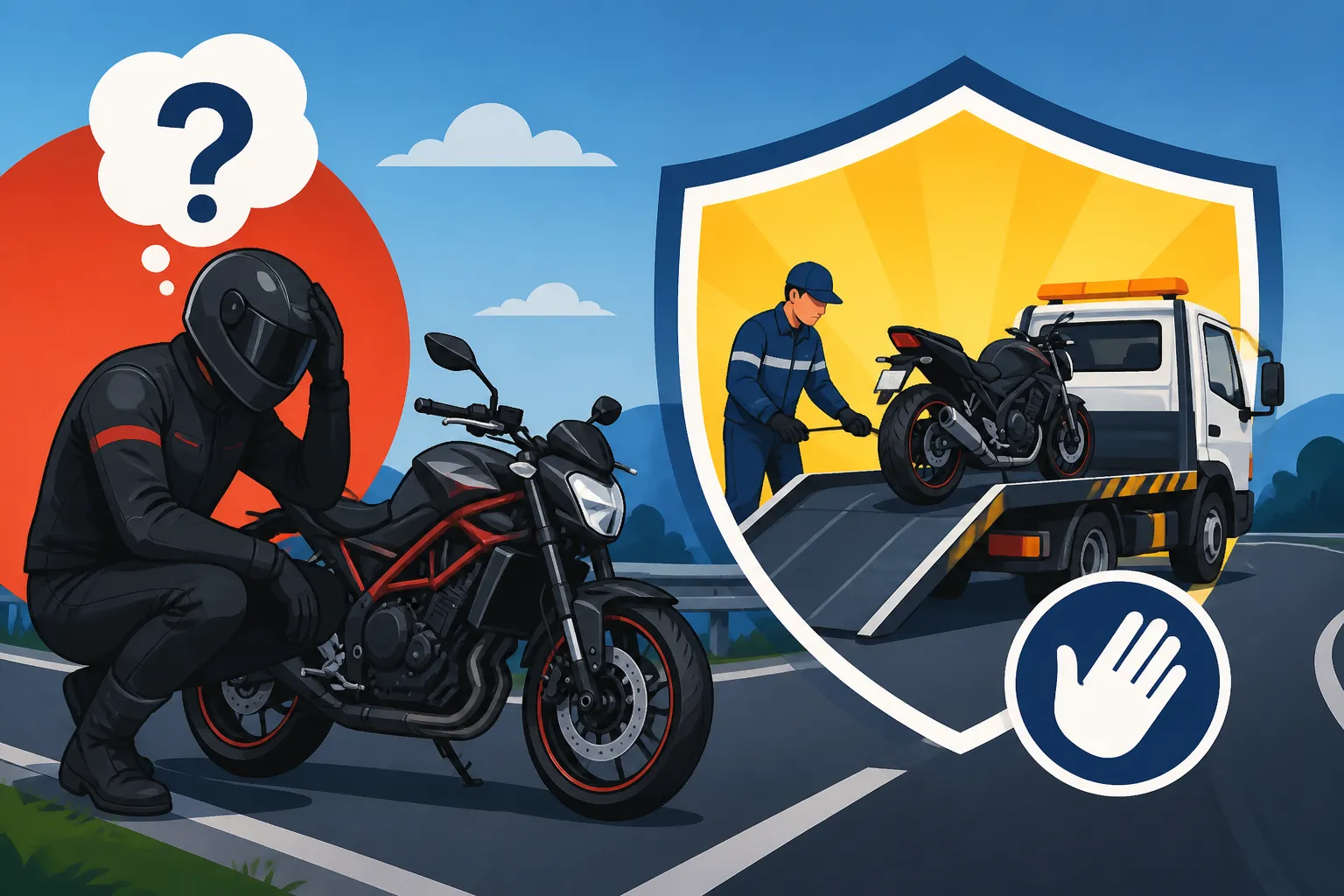
Without a doubt, towing is the most critical component of any roadside assistance plan for motorcyclists. If your bike becomes inoperable due to a mechanical breakdown, an accident, or any other covered event, your policy will arrange for a tow truck to transport your motorcycle. This isn't just any tow truck; reputable providers will send services specifically equipped with motorcycle dollies, flatbeds, or specialized cradles to ensure your bike is transported safely and securely, preventing any additional damage during transit.
The specifics of towing often include a mileage limit. For instance, your policy might cover towing up to 100 miles to the nearest qualified repair shop or a destination of your choice within that radius. Some premium plans might even offer unlimited mileage towing or extended distances, which is particularly beneficial for those who frequently embark on long-distance rides. It’s always crucial to review these mileage limits when comparing policies, as exceeding them can result in out-of-pocket charges. When you’re looking at comprehensive options, consider how far you typically ride and what level of protection you need for your journeys. Knowing what your policy entails is just as important as understanding other coverages like your general Types of Motorcycle Insurance Coverage Explained or even What Does Full Coverage Motorcycle Insurance Mean?.
Battery Boosts, Flat Tires, and Fuel Delivery
Not every roadside emergency requires a full tow. Sometimes, a quick fix is all that’s needed to get you back on the road. Most roadside assistance plans include services for common, less severe issues.
- Battery Boost: Dead batteries are a common culprit for stranded riders, especially after a period of storage or if an accessory was left on. Your roadside assistance will dispatch a service to give your bike a jump start. This is a simple yet incredibly helpful service that can save you a lot of time and effort.
- Flat Tire Service: While carrying a full-size spare is impossible on a motorcycle, roadside assistance can still help with a flat. They might offer to change a tire if you carry a spare, or more commonly, they’ll tow you to a repair facility where your tire can be fixed or replaced. Some plans might even offer a temporary sealant or inflation if it's a minor puncture, though this is less common for motorcycles than cars.
- Fuel Delivery: Running out of gas is a humbling experience, but it happens to the best of us. Roadside assistance can deliver a small amount of fuel to get you to the nearest gas station. This service is typically just for enough fuel to reach a pump, not a full tank, and the cost of the fuel itself is usually an out-of-pocket expense.
These services are designed to address the most frequent reasons riders find themselves stuck. They are quick, efficient ways to resolve minor issues without the expense and inconvenience of a full tow, making them invaluable for both daily rides and longer excursions.
Lockout and Minor Mechanical Help
Beyond the big three, some comprehensive roadside assistance plans offer additional perks that can come in handy. While motorcycle lockouts are less common than car lockouts (keys are usually in your pocket or the ignition), if your ignition or helmet lock jams, or if you somehow lose your keys and need access, some providers can assist in arranging a locksmith. It’s a less frequent occurrence, but when it happens, it’s a big deal.
Moreover, minor mechanical adjustments might be attempted by the dispatched technician if they are simple enough to perform on the spot. This could include tightening a loose chain, checking basic fluid levels, or making a quick diagnosis that gets you to the next service station. It's important to note that these are usually very minor repairs, and anything requiring tools beyond a basic kit or significant time will typically result in a tow. The goal is always to get you safely moving, not to perform extensive repairs on the side of the road.
How to Acquire Motorcycle Roadside Assistance
There are primarily two main avenues to secure roadside assistance for your motorcycle: adding it to your existing insurance policy or purchasing a standalone membership from a motor club. Both have their merits, and the best choice often depends on your specific needs, budget, and riding habits. When you’re evaluating your options, think about what kind of coverage makes the most sense for you and your machine. Sites like The Zebra can be extremely useful for comparing different policies and seeing which providers offer the best bundles or add-ons.
Adding It to Your Existing Motorcycle Insurance Policy
For many riders, the easiest and often most cost-effective way to get roadside assistance is by adding it as an endorsement or rider to their current motorcycle insurance policy. Most major insurance carriers, including well-known names like Progressive, Geico, and Dairyland, offer this option. It’s usually a minimal annual fee, often ranging from $10 to $30, which is then seamlessly integrated into your overall premium. This keeps all your motorcycle-related coverage under one roof, simplifying billing and claims.
When you add it to your insurance, the coverage typically kicks in automatically whenever you need it, and you simply call your insurance provider's dedicated roadside assistance number. The benefits often mirror those listed above: towing, battery jump-starts, fuel delivery, and flat tire service. One key advantage here is the convenience of having one contact point for all your motorcycle insurance needs. When you are looking to How to Get Cheap Motorcycle Insurance, sometimes bundling these smaller coverages can even help qualify for overall discounts. It’s worth checking with your current insurer about their specific offerings and limitations, such as towing mileage limits or how many service calls are allowed per policy period.
Independent Roadside Assistance Programs
Alternatively, you can opt for a separate, independent roadside assistance program, such as those offered by AAA, AARP, or specialized motorcycle-focused clubs like AMA (American Motorcyclist Association) or H.O.G. (Harley Owners Group) for Harley-Davidson riders. These programs are often membership-based, requiring an annual fee that can sometimes be higher than an insurance add-on, but they may offer more extensive benefits or cater specifically to motorcycle touring.
For example, AAA often has different membership tiers, with premium levels offering longer towing distances or more comprehensive services that cover multiple vehicles, including motorcycles. Some motorcycle clubs include roadside assistance as a benefit of membership, often featuring specialized services for specific bike types or rider communities. The advantage of these independent programs is that they are typically portable – meaning the coverage follows you, the rider, not just one specific motorcycle. This can be beneficial if you own multiple bikes or frequently ride borrowed motorcycles. Always compare the coverage details carefully, especially towing limits and the specific types of services offered, as some may have restrictions on motorcycle type or age. Using a comparison tool like The Zebra can help you see which insurers offer the best comprehensive plans that include robust roadside assistance, or help you decide if a separate membership is better.
Is Motorcycle Roadside Assistance Worth the Cost?
Deciding whether to invest in roadside assistance coverage for your motorcycle ultimately comes down to a cost-benefit analysis. While the annual premium is usually quite modest, understanding when it truly provides value can help you make an informed decision. For many, the peace of mind alone makes it a worthwhile expense, especially given the unique vulnerabilities of riding a motorcycle.
Weighing the Annual Premium Against Potential Expenses
The annual cost for motorcycle roadside assistance is typically very low, often under $30-$50 when added to an existing insurance policy. Compare this minimal expense to the potential costs of an unplanned breakdown. A single tow can easily cost $100-$300 or more, depending on the distance and location. If you’re caught without gas in a remote area, calling a local service can also incur significant fees. For example, if you're on a multi-day trip and your bike breaks down, not only do you face the tow bill, but also potential hotel costs, rental car fees, and the hassle of rearranging your travel.
Consider the hypothetical scenario: you're riding your Suzuki V-Strom on a long weekend trip through the Appalachian Mountains. Suddenly, a rock in the road causes a flat tire. You're 70 miles from the nearest town and mobile service is spotty. Without roadside assistance, you're looking at a huge headache and a hefty bill to get your bike to a shop. With coverage, a quick call handles the logistics and the bill, often with just the cost of your annual premium. This single event could easily recoup the cost of years of roadside assistance premiums. Platforms like The Zebra can also show you how adding such a small coverage can affect your overall premium, making it easier to see its relative cost.
When It's an Absolute Must-Have
While beneficial for all riders, roadside assistance becomes an absolute must-have under specific circumstances:
- Long-Distance Riders: If you frequently embark on cross-country trips, adventure rides, or simply cover significant mileage, the chances of encountering an issue increase. Being far from home makes self-rescue nearly impossible and professional help critically important. Riders undertaking journeys where they might cross state lines will also want to ensure their Riding Across State Lines Insurance & Helmet Rules are up to date and that their roadside assistance covers them wherever they roam.
- Riders with Older or Less Reliable Bikes: Vintage motorcycles or older models, while charming, can be more prone to unexpected mechanical issues. The same goes for bikes that haven’t been meticulously maintained. Roadside assistance provides an essential safety net when mechanical reliability isn't a given.
- Those with Limited Mechanical Skills: If you're not comfortable diagnosing and performing minor repairs on the side of the road, or simply don't carry tools, roadside assistance is your lifeline. It eliminates the stress of having to figure things out when you're already in a tough spot.
- Solo Riders: Riding alone, especially in less populated areas, means you don't have a riding buddy to help you out. Roadside assistance ensures you're never truly alone when trouble strikes.
For riders falling into these categories, roadside assistance isn't just a good idea; it's a critical investment in safety and peace of mind. It’s part of ensuring you have comprehensive protection, similar to understanding other key coverages like Uninsured & Underinsured Motorist Coverage UM/UIM.
Personal Factors to Consider
Ultimately, the decision is personal. Think about your riding habits, your bike's reliability, and your comfort level with being stranded.
- Your Riding Environment: Do you mostly stick to urban areas where help is usually close by, or do you venture into rural or remote regions? The further you are from services, the more valuable roadside assistance becomes.
- Your Budget: While affordable, every dollar counts. However, weigh that small annual fee against the potentially much larger, unexpected costs of a single breakdown.
- Your Time and Convenience: How much is your time worth? Spending hours trying to arrange a tow or waiting for a friend can be incredibly frustrating. Roadside assistance streamlines this process, getting you back to your life (or your ride) faster.
- Your Vehicle: Newer bikes, especially from reliable manufacturers like Honda or Yamaha, might be less prone to breakdowns than a highly customized chopper or a vintage Triumph. This doesn’t mean they’re immune, but it might influence your perceived need.
By carefully considering these factors, you can make an informed decision about whether motorcycle roadside assistance coverage is the right choice for you. When you're ready to explore options, remember that comparing providers and policies is key, and resources like The Zebra can help you find the best fit for your specific needs. Understanding your complete insurance picture, including things like Motorcycle Insurance Cost by Age or What Affects Your Motorcycle Insurance Rate?, will help you make the most educated choice.
Comparing Roadside Assistance Features
When you're looking at various roadside assistance options, whether through an insurance provider or a separate motor club, the specifics can vary. Here's a table outlining common features and things to consider:
| Feature/Service | Typical Insurance Add-on Coverage | Typical Independent Motor Club Coverage | Key Considerations for Riders |
|---|---|---|---|
| Towing Distance | Usually limited (e.g., 20-100 miles) to nearest repair shop. | Often tiered; basic plans have limits, premium plans offer more/unlimited. | How far do you typically ride? Are you often in remote areas? |
| Battery Jump-Start | Included | Included | Essential for bikes stored seasonally or prone to battery drain. |
| Flat Tire Service | Tow to repair shop; may offer minor roadside repair if feasible. | Tow to repair shop; some might offer mobile tire service. | Motorcycles are more vulnerable to flats and lack spare tires. |
| Fuel Delivery | Included (cost of fuel often extra) | Included (cost of fuel often extra) | Easy to misjudge fuel range, especially on long rides. |
| Lockout Service | Limited/Specific to ignition or helmet lock issues. | More robust, may include locksmith services for lost keys. | Less common for motorcycles, but crucial if it happens. |
| Minor Mechanical Help | Very basic, limited to simple adjustments or diagnostics. | Basic diagnostics, but primarily focused on transport to repair. | Don't expect complex repairs; main goal is to get you mobile or towed. |
| Trip Interruption | Rarely included; often a separate, higher-tier coverage. | Often included in premium plans; covers lodging, food if stranded. | Highly valuable for long-distance touring riders. |
| Cost | Typically $10-$50 annually (add-on to policy). | $50-$150+ annually (membership fee). | Insurance add-ons are usually cheaper but may have more limits. |
| Portability | Covers the insured motorcycle. | Covers the member, regardless of which motorcycle they are riding. | Important if you ride multiple bikes or frequently borrow. |
| Claims Process | Contact your insurance provider. | Contact the motor club directly. | Streamlined if all services are with one provider. |
This table can help you evaluate what features are most important for your riding style and budget when you are comparing policies. Knowing these details is a fundamental part of getting the Best Motorcycle Insurance Companies (2027) for your individual needs.
Final Thoughts on Roadside Assistance
For many seasoned riders, roadside assistance isn't just an optional extra; it's a non-negotiable part of their motorcycle insurance package. The peace of mind it offers, coupled with the real financial and safety implications of being stranded on two wheels, makes the small annual investment incredibly worthwhile.
Before you make a decision, take a moment to assess your personal riding habits. Do you stick to well-traveled roads, or do you seek out the remote and untamed? Is your bike a brand-new, impeccably maintained machine, or an older, character-rich ride that might be more prone to a hiccup? Are you comfortable with minor repairs on the roadside, or would you prefer professional help every time? These questions will guide you to the right answer for your unique situation.
Ultimately, having roadside assistance means that when the unexpected happens, you’re not alone. Help is just a phone call away, ready to get you and your motorcycle safely to a solution. It's a small price to pay for that invaluable reassurance, allowing you to truly embrace the freedom of the ride without constant worry.
Disclaimer
Please remember that this article provides general information about motorcycle roadside assistance coverage. Insurance policies and coverage details can vary significantly by provider and state. It is essential to consult with a licensed insurance professional, review your specific policy documents, and understand the terms and conditions of any coverage you purchase. This information should not be considered legal or financial advice.