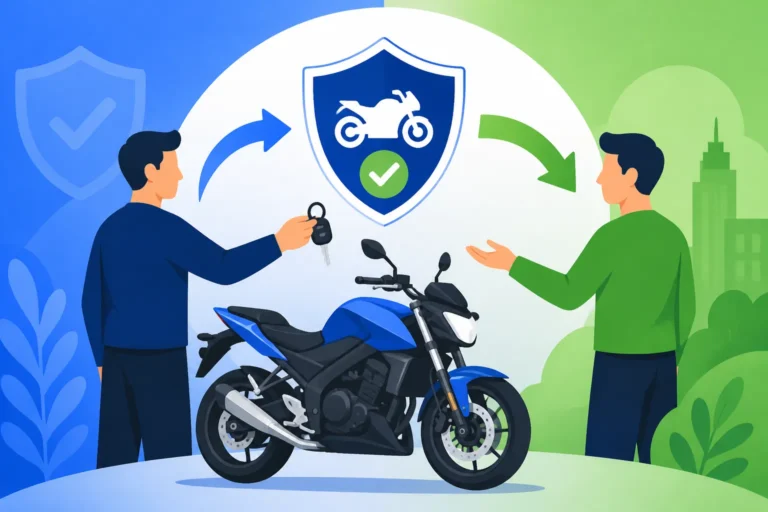
Moving to Another State: Motorcycle Insurance
Moving to a new state with your motorcycle can be an exciting adventure, full of open roads and fresh scenery. But let's be real, the administrative side of things – especially dealing with motorcycle insurance – can feel like navigating a legal labyrinth with a blindfold on. It's frustrating trying to figure out if your current policy is still valid, what new laws apply, or if your rates are about to skyrocket. This comprehensive guide is here to untangle that knot, walking you through everything you need to know about motorcycle insurance when you move states, ensuring you stay legal, covered, and stress-free.
Why Motorcycle Insurance Changes When You Move States
It might seem unfair that your perfectly good insurance policy from Arizona won't just seamlessly follow you to, say, Georgia. But the truth is, motorcycle insurance is deeply rooted in local laws, risk assessments, and even the local riding culture. Each state is essentially its own little kingdom when it comes to vehicle regulations, and your insurance policy has to reflect that.
State-Specific Laws and Minimums
Every single state in the U.S. has its own set of rules when it comes to motorcycle insurance. What's mandatory in California might be optional in Florida, and the minimum liability limits can vary wildly. This isn't just an arbitrary difference; it's based on each state's legal framework, its approach to fault in accidents, and its public policy goals.
For instance, some states might be "at-fault" states, meaning the person who caused the accident is responsible for damages, which impacts liability coverage. Other states might have some form of "no-fault" system, which can influence personal injury protection requirements. Beyond that, the specific monetary thresholds for liability coverage – often expressed as three numbers like 25/50/25 – are legislated at the state level. You might have Minimum Liability Insurance Explained (The Three Numbers) in your current state, only to find those numbers are completely different in your new home. This means your existing policy, even if it feels robust, might not meet the bare legal minimums where you're headed. An insurer simply cannot offer a policy that doesn't comply with the legal mandates of the state where the vehicle is principally garaged and operated. They'd be breaking the law, and so would you if you continued riding under an invalid policy.
Risk Factors and Geographic Location
Beyond the legal minimums, your geographic location plays a huge role in determining your insurance rates because it directly influences the perceived risk. Insurance companies are all about assessing risk, and a new zip code can dramatically change that equation.
Consider a rider moving from a quiet, rural town in Montana to a bustling urban center like Miami, Florida. The rural town likely has lower traffic density, fewer accidents, and perhaps less motorcycle theft. Miami, on the other hand, might have higher traffic volumes, a greater incidence of accidents, increased theft rates, and even different weather-related risks like hurricanes. All of these factors are meticulously crunched by insurance companies. They look at the accident statistics for your new neighborhood, the local crime rates (especially for motorcycle theft), the cost of repairs in that area, and even the average legal costs associated with claims. If you're moving to an area known for higher claims, higher repair costs, or more frequent natural disasters, your rates will almost certainly reflect that increased risk. Conversely, if you're moving from a high-risk area to a lower-risk one, you might be pleasantly surprised to see your premiums drop.
The Crucial Steps Before You Move
Moving is chaotic, but when you're a motorcyclist, there are a few extra boxes you need to check before you even start packing your riding gear. Neglecting these early steps can lead to a world of headaches, from coverage gaps to unexpected fines.
Research Your New State's Requirements
This is your first and most critical mission. Before you even think about changing your address on file, you need to understand the lay of the land in your new state. Every state has unique requirements not just for insurance, but also for vehicle registration and driver's licenses.
You'll need to look up the specific minimum liability coverage amounts. For instance, if you're moving to Texas, you'll need to know about Texas Motorcycle Insurance Requirements and the state's 30/60/25 liability minimums. Some states might also require additional coverages that weren't mandatory where you lived before, such as Personal Injury Protection (PIP) or Uninsured/Underinsured Motorist (UM/UIM) coverage. Beyond insurance, check the requirements for motorcycle registration. How long do you have to register your bike after becoming a resident? What documents do you need? Do you need a safety inspection? These details are usually available on your new state's Department of Motor Vehicles (DMV) website. Knowing these details upfront allows you to plan accordingly, gather necessary documents, and avoid any nasty surprises or, worse, riding illegally even for a short period. Ignoring these steps could lead to serious Penalties for Riding Without Insurance.
Contact Your Current Insurer
Once you have a handle on your new state's rules, your next call should be to your current motorcycle insurance provider. Don't wait until the last minute or assume everything will transfer smoothly. Insurance companies have specific procedures for handling interstate moves, and it's best to understand them well in advance.
Explain your situation: you're moving to a new state, and you need to know your options. Ask them directly if they even operate in your destination state. Not all insurance companies are licensed to sell policies in every state. For example, a small regional insurer might be great in the Northeast but have no presence in the Southwest. If they do operate in your new state, inquire whether they can transfer your existing policy or if they'll need to issue a new one. Understand that even if they can "transfer," it usually means issuing a brand-new policy that complies with the new state's laws, which will likely come with new terms, coverages, and, yes, different rates. Ask about any potential coverage gaps during the transition. You absolutely do not want to be caught without coverage, even for a day, especially if you're planning to ride your bike to your new home. Gather all the necessary information, including any changes to your policy number or effective dates, to ensure you have continuous coverage. This conversation is also a great opportunity to start comparing their new quote against what other companies might offer.
Navigating the Change: Your Insurance Options
So you've done your research, talked to your current insurer, and now you know if they can even cover you in your new digs. What's next? You essentially have two main paths: trying to stick with your current company or diving into the market for a new one. Both have their pros and cons.
Transferring Your Existing Policy
When we talk about "transferring" a motorcycle insurance policy to a new state, it's rarely a simple copy-paste operation. What typically happens is that your current insurer, if they operate in your new state, will close your old policy and open a new one that adheres to the regulations and rate structures of your new location.
This approach offers convenience, especially if you've been happy with your current provider like Progressive or Dairyland and have a good relationship with them. They already have your riding history, your bike's information, and your payment details, which can streamline the process. However, it's crucial to understand that even if the company remains the same, your policy itself will change. The coverage types, limits, endorsements, and crucially, your premiums, will be recalculated based on your new address and state laws. You'll likely receive a new policy document with updated terms and conditions. It’s also possible that some of the specific add-ons or discounts you enjoyed in your old state might not be available in the new one, or vice-versa. Always get a detailed quote for the new state from your existing insurer and review it meticulously. Don't assume anything will remain the same. This is where you might find that while convenient, it might not be the most cost-effective option.
Shopping for a New Policy
For many riders, moving to a new state is the perfect opportunity to shop around for new motorcycle insurance. There's no loyalty penalty for seeking better rates or more comprehensive coverage elsewhere. In fact, it’s often encouraged, as rates and offerings can vary significantly between companies from state to state.
This is where comparison sites like The Zebra can be incredibly helpful. Instead of going to each insurer individually, you can input your information once and get multiple quotes back, allowing you to easily compare. Look at major national carriers like Progressive, Geico, or State Farm, but also consider regional specialists that might offer competitive rates or tailored coverages in your new area. When you're shopping, make sure you're comparing apples to apples. Get quotes for the exact same coverage limits and types as what you intend to carry, including any collision, comprehensive, or medical payments coverage. Don't just compare minimum liability. This is also a good time to re-evaluate your actual needs. Maybe your new state has stricter financial responsibility laws, or you're moving to an area with higher theft rates, making full coverage more appealing. Don't be afraid to How to Compare Motorcycle Insurance Quotes thoroughly. Shopping around might reveal that a different insurer can offer you better rates or more tailored coverage for your new environment, potentially even offsetting any rate increases due to your new location.
Registration, Licensing, and Insurance: The Interconnected Web
Think of your motorcycle's legal status as a three-legged stool: registration, licensing, and insurance. If one leg is wobbly or missing, the whole thing comes crashing down. When you move states, you'll need to make sure all three legs are firmly planted in your new state's regulations. Skipping any of these steps can lead to severe legal repercussions and financial penalties.
Updating Your Motorcycle Registration
This is one of the first things you need to do after establishing residency in your new state. Most states require you to register your motorcycle within a specific timeframe – often 30 or 60 days – of moving there. Failing to do so can result in fines, and potentially even impoundment of your bike.
The exact process for updating your motorcycle registration varies, but generally, you'll need to visit your new state's Department of Motor Vehicles (DMV) or equivalent agency. You'll typically need to bring:
- Proof of ownership: Your motorcycle's title. If you have a Motorcycle Insurance Requirements for Financed Bikes, you might need a lienholder release or other documentation.
- Proof of residency: Utility bills, a lease agreement, or a new driver's license.
- Proof of insurance: Your new policy, valid in the state you're registering in. This is why getting your insurance sorted out before registration is crucial.
- Identification: Your driver's license.
- Payment for fees: Registration fees, plate fees, and sometimes sales tax on your vehicle if you haven't paid it in the new state.
- Safety or emissions inspection: Some states require your motorcycle to pass a safety inspection before it can be registered. For example, Texas has an annual safety inspection. Make sure your bike meets all the requirements before you head to the DMV.
It's a bureaucratic dance, but it's non-negotiable. Without proper registration, you won't legally be able to operate your motorcycle on public roads in your new state.
Getting a New State Motorcycle License or Endorsement
Just like your registration, your driver's license and motorcycle endorsement are tied to your state of residency. You can't just keep riding on your old state's license indefinitely. Most states give you a grace period, typically 30 to 90 days, to transfer your license after becoming a resident.
The process for obtaining a new state motorcycle license or endorsement usually involves:
- Visiting the DMV: You'll need to go in person.
- Providing proof of identity and residency: This could include your birth certificate, social security card, utility bills, or a rental agreement.
- Surrendering your old license: They'll usually take your old state's license.
- Passing required tests: In most cases, if you have a valid motorcycle endorsement from another state, you won't need to retake the written knowledge test or the riding skills test. However, this isn't universally true, especially if your old license was expired or suspended. Some states, like Washington, may require a vision test. Be sure to check your new state's specific rules for Motorcycle License, Endorsement & Insurance.
- Paying fees: There will be fees associated with issuing your new license.
Ensuring your license is up-to-date is not only a legal requirement but also a practical one. Law enforcement will expect to see a license from the state you reside in, and it's a critical piece of identification if you ever need to file an insurance claim or are involved in an incident.
Proof of Insurance Requirements
Once you have your new insurance policy, it's essential to understand how your new state expects you to carry and present proof of that coverage. While many states now accept digital proof on your smartphone, some might still prefer or require a physical insurance card.
States like Florida have explicit requirements for proof of insurance, and you need to be prepared. Always have a copy of your current insurance card, whether digital or physical, readily accessible when you're riding. If you get pulled over, or God forbid, are involved in an accident, law enforcement will ask for it. Failure to provide proof of valid insurance can lead to immediate citations, fines, and potentially even the impoundment of your motorcycle, regardless of whether you actually have insurance. This is why staying organized and keeping your documentation updated is paramount. Remember, Proof of Insurance & Registration for Motorcycles isn't just a suggestion; it's a legal obligation that protects you and others on the road.
Potential Impact on Your Motorcycle Insurance Rates
Let's address the elephant in the room: your wallet. Moving to a new state almost certainly means a change in your motorcycle insurance premiums. It can feel like a roll of the dice, but understanding the factors at play can help you anticipate and manage these changes.
Factors That Can Increase Your Premium
Nobody likes to see their insurance bill go up, but there are several legitimate reasons why your premiums might climb after an interstate move. These factors are all about risk assessment from the insurer's perspective.
- Higher State Minimums: If your new state requires higher liability limits than your previous one, your baseline cost will naturally increase. For example, moving from a state with 10/20/10 minimums to one with 25/50/25 means you're buying more coverage, and more coverage costs more money.
- Increased Population Density and Traffic: Moving to a more populated urban area almost always correlates with higher rates. More cars and bikes on the road mean a greater chance of accidents. Insurers look at the claims frequency in specific zip codes. A move from a rural town outside Boise, Idaho, to downtown Los Angeles, California, would almost certainly lead to a significant jump due to increased traffic and accident rates.
- Higher Theft Rates: Motorcycle theft is a major concern for insurers, especially for popular models like Harley-Davidsons or high-performance sport bikes. If your new area has a higher incidence of motorcycle theft, your comprehensive coverage will become more expensive. Insurers track these statistics diligently, and a hot spot for bike theft will be reflected in your rates.
- Cost of Living and Repair Costs: The cost of labor, parts, and medical care varies significantly across states and even within different regions of the same state. If repairs or medical treatments are generally more expensive in your new area, your insurance premiums will rise to cover those potential higher claim payouts.
- Different State Regulations or No-Fault Laws: Some states operate under a "no-fault" system, which can sometimes lead to higher Personal Injury Protection (PIP) costs. Other states might have different regulations regarding tort liability or uninsured motorist coverage, all of which influence the overall cost of doing business for an insurer and, by extension, your premiums.
- Lack of Discounts: You might lose certain discounts you previously qualified for. Maybe your old state offered a specific discount for a riding club that doesn't exist in your new state, or perhaps a "multi-policy" discount if your car and motorcycle policies were with the same insurer, and now you have to split them.
Factors That Might Decrease Your Premium
On the flip side, sometimes a move can actually lead to lower motorcycle insurance costs. It’s not always doom and gloom!
- Lower State Minimums: If your new state has lower minimum liability requirements, and you opt for just the bare minimum coverage, your premium could decrease. However, carefully consider if lower minimums provide adequate protection. It's rarely a good idea to skimp on coverage just to save a few bucks, especially when you're facing new roads and potentially unfamiliar traffic patterns.
- Rural or Lower-Risk Areas: Moving from a bustling city to a quieter, rural community often results in lower rates. Less traffic, fewer accidents, and lower crime rates all contribute to a reduced risk profile for insurers. If your new garage is in a sleepy suburb rather than a high-density urban core, your rates might reflect that safer environment.
- Lower Overall Claims History in the State: Some states, as a whole, simply have lower average motorcycle accident rates or fewer large claims, which can lead to a more favorable insurance market across the board. The collective driving and riding habits of a state's residents can influence pricing.
- New Discount Opportunities: Your new state or a new insurance provider might offer discounts you didn't have before. This could include discounts for completing a motorcycle safety course in that state, being a member of a local riding association, or even new bundling opportunities if you move your auto insurance to the same provider. This is another excellent reason to shop around with companies like Progressive, as they often have a variety of discounts.
- Age and Riding Experience Milestones: While not directly related to the move, the timing might coincide with you hitting a particular age milestone (like turning 25) or accumulating more years of riding experience, which can independently lead to lower rates. If you've just moved and also hit one of these milestones, you might see a double benefit.
Navigating the Cost Changes
Regardless of whether your rates go up or down, proactively navigating these changes is key. Don't just accept the first quote you get.
- Shop Aggressively: Use online comparison tools like The Zebra and get quotes from multiple providers. Even if your current insurer offers a new policy, compare it against at least three to five other companies.
- Adjust Deductibles: If your rates are higher than you'd like, consider raising your deductibles for collision and comprehensive coverage. This will lower your premium, but remember you'll pay more out-of-pocket if you need to file a claim.
- Explore Discounts: Ask every insurer about available discounts. Common ones include multi-policy discounts (bundling auto and motorcycle insurance), multi-bike discounts, safety course completion discounts, mature rider discounts, anti-theft device discounts, and even loyalty discounts. Check out How to Lower Your Motorcycle Insurance Premium for more ideas.
- Re-evaluate Coverage: While you should never underinsure, consider if you truly need every single optional coverage. For an older, paid-off bike, you might decide to drop comprehensive or collision coverage if the bike's value doesn't justify the premium. For a new, financed bike, however, full coverage is usually a must.
- Clean Driving Record: Maintain a clean riding record. Accidents and tickets will significantly impact your rates, regardless of which state you're in.
By being diligent and informed, you can effectively manage the financial impact of moving your motorcycle insurance to a new state.
Common Pitfalls and How to Avoid Them
Moving is stressful, and it's easy to let important details slip through the cracks. But when it comes to motorcycle insurance, even a small oversight can lead to significant problems. Knowing the common pitfalls can help you steer clear of them.
Coverage Gaps
Perhaps the most dangerous mistake a rider can make during a move is creating a gap in their insurance coverage. A coverage gap means there's a period, however brief, where your motorcycle is uninsured. This could happen if you cancel your old policy before your new one takes effect, or if there's a delay in getting the new policy issued after you've already started riding in your new state.
Imagine moving from California to Arizona, excited to hit the desert roads. You cancel your old policy on Tuesday, assuming your new Arizona policy will start Wednesday. But due to a paperwork snag, it doesn't activate until Friday. If you ride on Wednesday or Thursday and get into an accident, you are completely uninsured. This means you'd be personally responsible for all damages and injuries, which could be financially devastating. Furthermore, many states have laws that penalize drivers and riders for even short periods of uninsured driving, which can include fines, license suspension, and difficulty getting insurance in the future. To avoid this, always coordinate the start date of your new policy with the end date of your old one. Aim for continuous coverage, perhaps even having a day or two of overlap if possible, just to be safe. Don't ride a single mile in your new state without an active policy valid for that state. Remember, What Happens If You Ride Without Insurance? and the consequences can be severe.
Penalties for Non-Compliance
Each state has financial responsibility laws for a reason: to ensure that if you cause an accident, you can pay for the damages. When you move, you are expected to comply with your new state's laws promptly. Failing to do so can lead to a host of penalties that are far more costly than getting proper insurance.
These penalties vary by state but commonly include:
- Fines: Significant monetary penalties that can range from a few hundred to several thousand dollars for uninsured operation.
- License and Registration Suspension: Your motorcycle license or endorsement, and your bike's registration, can be suspended or revoked.
- Vehicle Impoundment: Law enforcement has the authority to impound your motorcycle on the spot if you're caught riding without valid insurance or registration.
- SR-22 or FR-44 Requirements: In some states, being caught without insurance can trigger a requirement to file an SR-22 (or FR-44 in Florida and Virginia), which is a certificate of financial responsibility. This proves to the state that you have the minimum required insurance, and it typically stays on your record for several years, dramatically increasing your insurance premiums.
- Difficulty Obtaining Future Insurance: Insurers view a history of lapsed or non-compliant insurance as a major red flag, potentially classifying you as a "high-risk" driver. This can make it difficult and significantly more expensive to obtain coverage in the future.
The bottom line is, ignorance of the law is not an excuse. Familiarize yourself with your new state's requirements, and make sure your insurance, registration, and license are all in order as quickly as possible after your move.
Overlooking Discounts and Bundling Opportunities
Many riders focus solely on the base premium when getting new quotes, and while that's important, overlooking potential discounts can mean leaving significant savings on the table. When you're shopping for new insurance in a new state, it's a prime opportunity to re-evaluate every possible way to save.
- Ask About Every Discount: Don't assume an insurer will automatically apply every discount you qualify for. Ask explicitly about discounts for:
- Motorcycle safety courses: Many states and insurers offer discounts if you've completed an approved safety course, especially if you're a new rider or under a certain age.
- Multi-policy discounts: If you have auto, home, or renters insurance, check if you can bundle your motorcycle policy with the same provider. Companies like Progressive and State Farm are known for offering substantial multi-policy discounts.
- Multi-bike discounts: If you have more than one motorcycle, insuring them all under one policy often leads to savings.
- Anti-theft devices: Alarms, GPS trackers, or even a heavy-duty chain lock might qualify you for a discount.
- Mature rider or experienced rider discounts: If you've been riding for many years or are over a certain age, inquire about these.
- Loyalty discounts: While you're new to the state, some insurers might offer a "new customer" discount, which could transition to a loyalty discount over time.
- Riding club or association discounts: Check if your new state has local riding clubs that partner with insurers for group rates.
- Good driver/rider discounts: A clean driving record is almost always rewarded.
- Homeownership discount: If you own a home in your new state, many insurers will give you a break.
- Consider Bundling: If you're also moving your car or home insurance, strongly consider getting quotes for all your insurance needs from a single provider. The savings from bundling can often outweigh the convenience of keeping policies separate. For example, if you're getting a quote for your motorcycle from Progressive, also get a quote for your car insurance at the same time. The total combined premium could be significantly lower than two separate policies.
Be thorough, ask questions, and don't be shy about leveraging every discount you might be eligible for. A little extra legwork here can translate into real money saved over the long term.
Special Considerations for Certain Situations
While the general guidelines cover most riders, a few specific scenarios might require extra attention when moving your motorcycle insurance to a new state. These often involve financial obligations or unique riding habits.
Financed Motorcycles
If your motorcycle isn't fully paid off, you have a lienholder – typically a bank or financial institution – that has a vested interest in your bike. This means they will have specific insurance requirements that you must meet, regardless of state minimums.
When you move, your lender will need proof that your new insurance policy meets their criteria, which almost always includes collision and comprehensive coverage with specific deductible limits. They want to ensure their investment is protected in case of an accident, theft, or other damage. Failure to maintain the required coverage could result in the lender force-placing insurance on your bike, which is usually much more expensive and offers minimal protection to you. They could even repossess the motorcycle in extreme cases. Before you finalize any new policy, check your loan agreement for the precise insurance requirements. Then, ensure your new policy meets or exceeds those stipulations, and promptly provide proof of insurance to your lienholder. This ensures you comply with your loan terms and avoid any unpleasant surprises. Keep in mind that for a Motorcycle Insurance Requirements for Financed Bikes, your lender will be listed as an additional insured on your policy.
Multiple Motorcycles
For riders with a passion for two wheels (or three, for that matter), moving with multiple motorcycles adds another layer of complexity. Each bike needs to be legally insured and registered in your new state.
The good news is that most insurance companies offer multi-bike discounts. It's usually more cost-effective to insure all your motorcycles under a single policy with one provider rather than having separate policies for each bike. When you're getting quotes for your new state, be sure to list every motorcycle you own. Provide detailed information for each one, including make, model, year, VIN, and any custom modifications. Some bikes, like sport bikes, might have higher premiums than cruisers, and the total cost will be an aggregate of all their individual risk factors. If you have a classic or vintage bike, you might also want to look into specialized policies like "agreed value" coverage, which guarantees a payout for a pre-determined amount if your unique bike is totaled or stolen. This is crucial for bikes that appreciate in value or have extensive custom work, as standard "actual cash value" policies might not adequately compensate you.
Seasonal Riders and Storage
If you're a rider who puts their bike away for the winter, or only rides seasonally, you might be wondering about insurance options during the off-season in your new state. The temptation might be to cancel all coverage to save money, but this can be a risky move.
Instead of outright canceling your policy, consider a "lay-up" or "storage" option. Many insurers, including major players like Progressive, offer discounted policies during periods when your bike is not being ridden on public roads. This type of coverage typically drops collision liability but maintains comprehensive coverage. Why keep comprehensive? Because even when stored, your motorcycle is still vulnerable to theft, vandalism, fire, natural disasters (like a severe winter storm or flood), or accidental damage. Imagine storing your prized Harley-Davidson in a garage in New York for the winter, and a pipe bursts, flooding the area, or it gets stolen. Without comprehensive coverage, you'd be out of luck.
Before you make any decisions, discuss your riding habits and storage plans with your insurance agent in your new state. They can help you determine the most cost-effective way to protect your bike year-round, ensuring you don't face a gap in coverage for non-riding perils. It might be cheaper than you think, and the peace of mind is invaluable. Don't forget to ask about Do You Need Insurance to Store a Motorcycle? and how to transition your coverage back to full operational status when riding season returns.
Disclaimer
Please remember that this article provides general information and guidance regarding motorcycle insurance when moving states. Insurance laws and regulations are complex and vary significantly by state. It is always recommended to consult with a qualified insurance professional and your state's Department of Motor Vehicles (DMV) or equivalent agency for the most accurate and up-to-date information pertaining to your specific situation. This content is for informational purposes only and does not constitute legal or financial advice.