Can I Keep My Motorcycle After It’s Totaled?
The moment your motorcycle goes down, especially if it’s bad enough for the insurance company to start talking about it being "totaled," your heart sinks. It’s not just about the metal and chrome; it’s about the freedom, the memories, and the sheer joy that machine brought you. One of the first, gut-wrenching questions that pops into many riders' minds isn't just about the payout, but whether you can actually hold onto your beloved bike after such a devastating incident. This guide will walk you through the complex reality of keeping your motorcycle after it's been declared a total loss.
Understanding What "Totaled" Really Means
When an insurance company declares a motorcycle "totaled," it's not always because it's been smashed into a million pieces beyond recognition. Often, it's a purely financial decision based on a calculation. This can be incredibly frustrating for riders who see potential for repair where an algorithm just sees numbers.
The Total Loss Threshold Calculation
In essence, a motorcycle is "totaled" when the cost to repair the damage, plus the salvage value of the wrecked bike, exceeds a certain percentage of its actual cash value (ACV) before the accident. This percentage, known as the total loss threshold, varies by state and even sometimes by insurer. Some states have a hard threshold, like 75% or 80%, while others use a "total loss formula" that is a bit more flexible. For instance, in states like Texas or Florida, the threshold might hover around 70-80% of the ACV. It's a cold, hard number game that can feel incredibly impersonal when you're looking at your bike.
Imagine your motorcycle, a vintage Harley-Davidson Sportster, has an ACV of $8,000. It's involved in an accident, and the repair estimates come in at $6,000. If your state's total loss threshold is 75%, the repair cost alone ($6,000) is 75% of the ACV. Add in potential salvage value and administrative costs, and it quickly pushes it over the threshold. Even if it looks fixable to you, if the numbers don't add up for the insurance company, they'll declare it a total loss. This is where the initial heartbreak sets in – feeling like your ride is being reduced to a spreadsheet entry. You might want to dig deeper into What Is Total Loss on a Motorcycle? to understand the nuances of how this declaration impacts your bike.
The Insurance Company's Role
Once your insurance company determines your motorcycle is a total loss, they usually want to take possession of the damaged vehicle. Why? Because they've paid you out for its value, and now the bike (or what's left of it) becomes their property. They'll then typically sell it at a salvage auction to recoup some of their costs. This is their standard operating procedure, designed to minimize their financial outlay.
However, many riders have a deep emotional connection to their bikes, especially if it's a unique build or has sentimental value from years of riding. You might look at your "totaled" bike and see the perfect winter project, a chance to rebuild it exactly how you want it, or perhaps the damage isn't as catastrophic as the estimate suggests due to labor costs or specific part prices. The insurance company doesn't factor in your emotional attachment or your personal mechanical skills into their total loss calculation. They're looking at replacement costs through authorized repair shops and current market values, not your garage full of tools and your determination to bring your beloved machine back to life. This is where the real negotiation and decision-making begins for you as a rider.
The Salvage Title Process and Its Implications
So, you've made the brave decision: you want to keep your motorcycle even after it’s been declared a total loss by the insurance company. This is absolutely possible, but it comes with a significant bureaucratic hurdle and a new identity for your bike: a salvage title. This isn't just a minor administrative detail; it changes everything about your motorcycle’s legal status and future.
Obtaining a Salvage Title
When you decide to keep your totaled motorcycle, the insurance company will subtract the "salvage value" of the damaged bike from your total loss payout. For example, if your bike was valued at $10,000 and they've determined its salvage value is $2,000, they'll pay you $8,000, and you get to keep the physical motorcycle. At this point, the insurance company will then report the total loss to your state's Department of Motor Vehicles (DMV) or equivalent agency. The DMV will then issue a salvage title for your motorcycle.
A salvage title explicitly labels your bike as having been declared a total loss by an insurer. This isn't something you can just ignore or try to hide. It's permanently recorded with the vehicle identification number (VIN). The process usually involves filling out specific forms, often including a notarized release from the insurance company stating they've paid out the claim and you've retained the salvage. Each state has its own specific procedures, and it’s crucial to understand these requirements fully. For instance, in California, you'd deal with the California DMV and their specific forms for retained salvage. You'll definitely want to understand What Is a Salvage Title After a Total Loss? to ensure you navigate this correctly.
The Hidden Costs and Challenges of a Rebuilt Bike
While keeping your bike might seem like a win, it opens a Pandora's box of challenges and hidden costs. The most significant issue arises once you've repaired the bike. Before it can be legally ridden on the road again, it must pass a rigorous inspection by the state. This inspection is to ensure the motorcycle is safe and roadworthy, and that all necessary repairs have been made to an acceptable standard. Think of it as proving to the state that your once-totaled bike is now truly safe to ride.
After passing inspection, the salvage title will typically be converted into a "rebuilt" or "restored" title. This new title still carries the history of the salvage declaration, meaning it will always be known that your motorcycle was once totaled. This significantly impacts its resale value. Even if your repairs are top-notch and the bike looks brand new, a rebuilt title often scares off potential buyers and severely devalues the motorcycle compared to one with a clean title.
Furthermore, insuring a rebuilt title motorcycle can be a real headache. Many insurance companies, including major players like Progressive, might be hesitant to offer comprehensive or collision coverage on a bike with a rebuilt title, or they may charge significantly higher premiums. They see it as a higher risk. You might find yourself limited to liability-only coverage, which, while legal in most states, won't protect your investment if something else happens to your newly rebuilt machine. It's a frustrating reality that the path to getting your bike back on the road is paved with more than just elbow grease – it's also bureaucratic red tape and financial hurdles.
Making the Decision: Keep or Let Go?
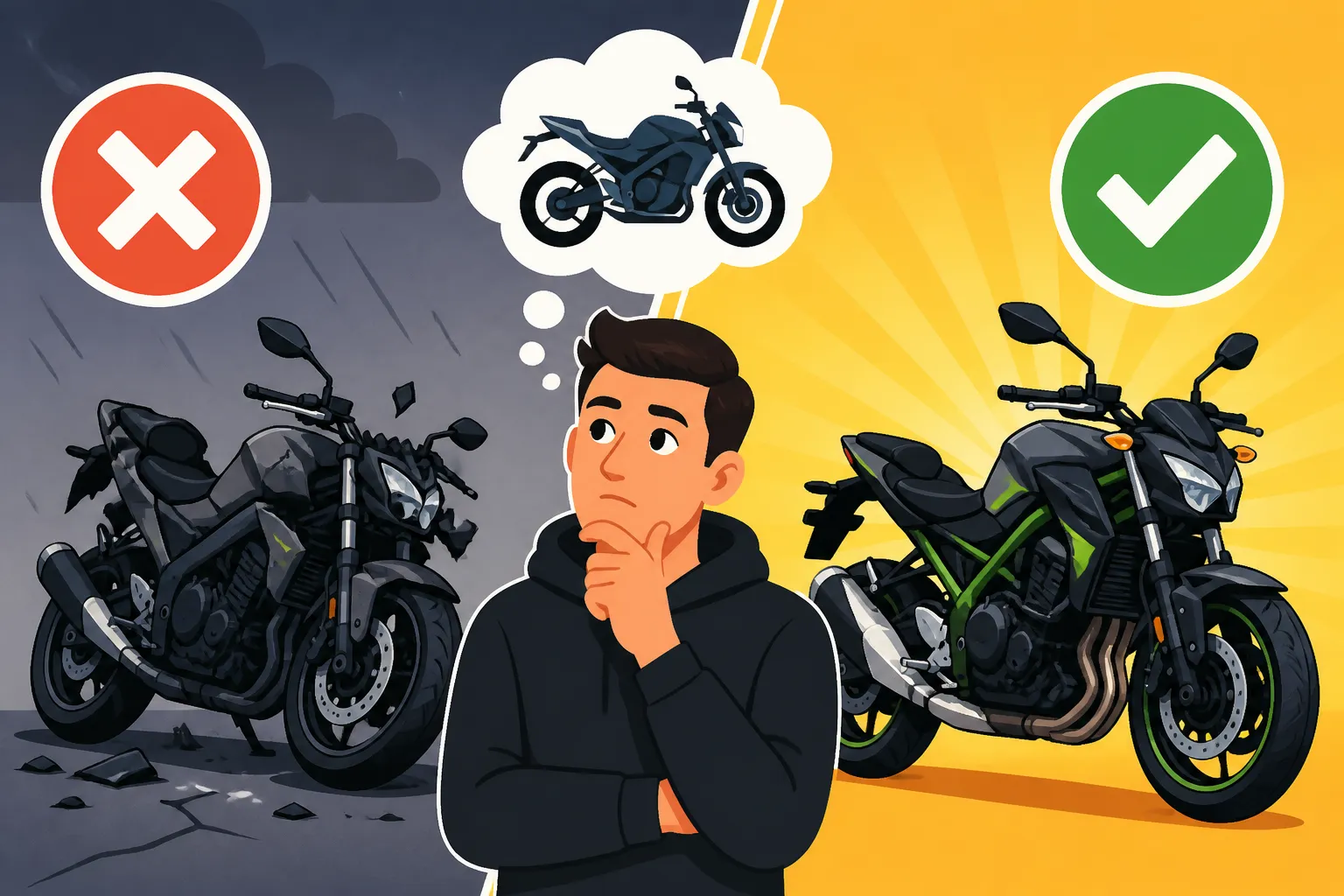
This is where the rubber meets the road, emotionally and financially. Deciding whether to keep your motorcycle after it's totaled isn't a simple calculation; it's a deeply personal choice that weighs your connection to the bike against a stack of practical considerations.
Assessing the Financial and Emotional Value
First, let's talk about the cold hard cash. Objectively, keeping a totaled motorcycle usually means accepting a lower payout from your insurer and then sinking your own money, time, and effort into repairs. You need to be brutally honest about the true cost of repairs, including parts, specialized tools, paint, and your own labor. If you’re not a skilled mechanic, factor in professional shop rates, which can quickly make the repair costs skyrocket past the initial estimate. Remember that initial total loss threshold? The insurance company already determined it wasn't financially prudent for them to repair it. For you, it might be even less so, unless you have access to cheap parts or can do most of the work yourself.
However, for many riders, a motorcycle is more than just transportation; it's a passion, a project, a piece of their identity. Maybe it was your grandfather's bike, or you spent years customizing it to perfection. These are the intangible values that numbers can't quantify. If the emotional attachment is strong enough, the financial logic might take a back seat. But even then, you need to go in with eyes wide open, understanding that you might be investing more than you'll ever get back if you choose to sell it down the line. It's a classic heart vs. head dilemma.
Here's a quick comparison to help you weigh the options:
| Aspect | Keeping the Totaled Bike (with salvage title) | Letting the Insurer Take It (and take the payout) |
|---|---|---|
| Initial Payout | Lower payout (ACV minus salvage value). | Full ACV payout. |
| Ownership | You retain ownership of the damaged bike. | Insurer takes ownership of the damaged bike. |
| Repair Costs | You are responsible for all repair costs. | No repair costs for you. |
| Title Status | Becomes a salvage title, then potentially a rebuilt/restored title. | Title remains with the insurer and is eventually retired or marked salvage. |
| Future Insurability | Potentially difficult to get full coverage; higher premiums for limited options. | No impact on future bike's insurability. |
| Resale Value | Significantly reduced, often difficult to sell. | No impact, as you'd use the payout to buy a different bike with a clean title. |
| Sentimental Value | Opportunity to save a cherished bike. | Loss of the specific bike, but ability to get a new one. |
| Time/Effort | Requires significant personal time and effort for repairs and inspections. | Minimal effort after the claim is settled. |
Insurance and Registration After Rebuilding
This is a critical area often overlooked by riders eager to save their bikes. Even after you've successfully rebuilt your motorcycle and obtained a rebuilt title, getting it insured for legal road use can be a complicated mess. Most states require proof of insurance to register a vehicle, and a bike with a rebuilt title can be a red flag for many insurers. Some companies, like The Zebra, might help you compare quotes from multiple providers, but even then, your options might be limited.
You'll almost certainly be able to get liability coverage, as this is the bare minimum required by law in most states (and remember, Is Motorcycle Insurance Required? State-by-State often covers this). But securing comprehensive and collision coverage, which protects your investment against theft, fire, or another accident, becomes a monumental task. Insurers view these bikes as higher risk because their repair history might not be fully known, or the quality of the rebuild could be questioned. This means higher premiums, stricter underwriting requirements, or outright refusal for certain coverages.
Before you commit to keeping and rebuilding, reach out to several insurance providers and explain your situation. Get quotes before you start the repairs. Understanding the full scope of future insurance costs and limitations will help you make a truly informed decision, preventing future headaches and financial surprises. You don't want to pour thousands into a rebuild only to find you can't get adequate coverage to ride it legally and safely.
Steps to Take if You Decide to Keep Your Totaled Motorcycle
Once you've weighed the emotional attachment against the practical realities and decided your motorcycle is worth saving, there are a series of concrete steps you need to follow. This isn't a quick fix; it's a process that requires patience, paperwork, and often, a lot of elbow grease.
Negotiating with Your Insurer
The first crucial step is to formally notify your insurance company that you intend to retain the salvage. Don't just assume they'll figure it out; communicate clearly and get everything in writing. Your insurer will then calculate the actual cash value (ACV) of your motorcycle before the accident and determine its salvage value. The final settlement amount they pay you will be the ACV minus this salvage value. It's important to understand this isn't a bonus; it's a direct reduction of your claim payout.
For example, if your bike's ACV was determined to be $12,000 and the salvage value is $3,000, you would receive a check for $9,000, and the physical motorcycle remains with you. This negotiation process can sometimes be tricky. If you feel the ACV or the salvage value is unfairly low, you have the right to dispute it. Gather comparable listings for motorcycles similar to yours (year, make, model, mileage, condition before the accident) to support your argument. Companies like Progressive deal with these total loss scenarios regularly, but it's always in your best interest to be informed and prepared to advocate for yourself. Learning How to Negotiate a Motorcycle Total Loss Settlement can be incredibly helpful here.
Navigating the Rebuild and Inspection Process
Once the financial settlement is complete and you have retained the salvage, the real work begins. You'll need to repair the motorcycle to a roadworthy condition. This means meticulously fixing all damage, replacing necessary parts, and ensuring everything meets safety standards. Keep detailed records of all your repairs, including receipts for every single part purchased. These records will be absolutely essential for the state inspection process.
After the repairs are complete, you must contact your state's DMV or equivalent agency to schedule a salvage vehicle inspection. This isn't a casual look-over. State inspectors will thoroughly examine your motorcycle to verify that it has been rebuilt properly, that all safety components are functioning correctly, and that the repairs meet state and federal standards. They will also verify the VIN and may check if any major components were replaced with stolen parts. Passing this inspection is the only way to get your salvage title converted into a "rebuilt" or "restored" title, which is necessary for legal registration and riding. Be prepared for potential delays and the possibility of having to make further adjustments based on the inspector's findings. It's a bureaucratic hurdle, but a necessary one to ensure your bike is safe for you and others on the road.
Crucial Considerations Before Riding Your Rebuilt Bike
You've successfully rebuilt your motorcycle, navigated the inspections, and finally have that "rebuilt" title in hand. The temptation to just hop on and ride is immense. However, there are a few more critical steps and ongoing realities you need to acknowledge before you truly hit the open road.
Registering and Insuring Your Rebuilt Motorcycle
With your shiny new rebuilt title, your next step is vehicle registration. This process will typically happen through your state's DMV and will require proof of insurance. As discussed earlier, securing comprehensive and collision coverage for a rebuilt title can be challenging. Expect to contact multiple insurance providers to find one willing to offer the coverage you desire, and be prepared for higher premiums. Some riders find that smaller, specialized insurers might be more accommodating than larger national carriers for bikes with rebuilt titles. Don't be afraid to shop around and get several quotes. It might even be useful to compare services through platforms like The Zebra to see what options might exist for your specific situation.
Remember that minimum liability insurance requirements vary significantly by state. For example, Motorcycle Insurance Requirements by State (2026 Guide) shows that some states, like Florida, have a different set of financial responsibility laws compared to states like New York. Even if your state only requires liability, carefully consider the risks of not having full coverage on a bike you've just poured so much effort and money into rebuilding. If it's involved in another accident or stolen, without comprehensive or collision, you'd be entirely on the hook for repairs or replacement.
Long-Term Value and Ownership Experience
While you may have saved your beloved machine, it's crucial to acknowledge the long-term impact of a rebuilt title. The value of your motorcycle will be permanently diminished compared to a similar model with a clean title, regardless of how perfectly you've restored it. If you ever plan to sell the bike, expect significantly less interest and a lower asking price. Potential buyers are often wary of rebuilt titles due to concerns about hidden damage, frame integrity, and future insurability. This is a reality you must come to terms with from the outset.
Beyond financial value, consider your own ownership experience. Will you always be looking over your shoulder, worrying about the bike's past? Or will the satisfaction of having resurrected it outweigh any lingering doubts? Many riders find immense pride in riding a bike they brought back from the brink, transforming a devastating loss into a triumph of mechanical skill and determination. Just be realistic about what it means for the bike’s market perception and potential future transactions. You might find that for your personal use, the rebuilt title means little, but if you're a rider who frequently upgrades or sells, it's a major factor.
Disclaimer
This article is for general informational purposes only and does not constitute professional advice. Laws, prices and regulations vary by location and change over time. Consult a qualified professional for guidance on your specific situation.