How to Transfer Motorcycle Insurance to a New Owner
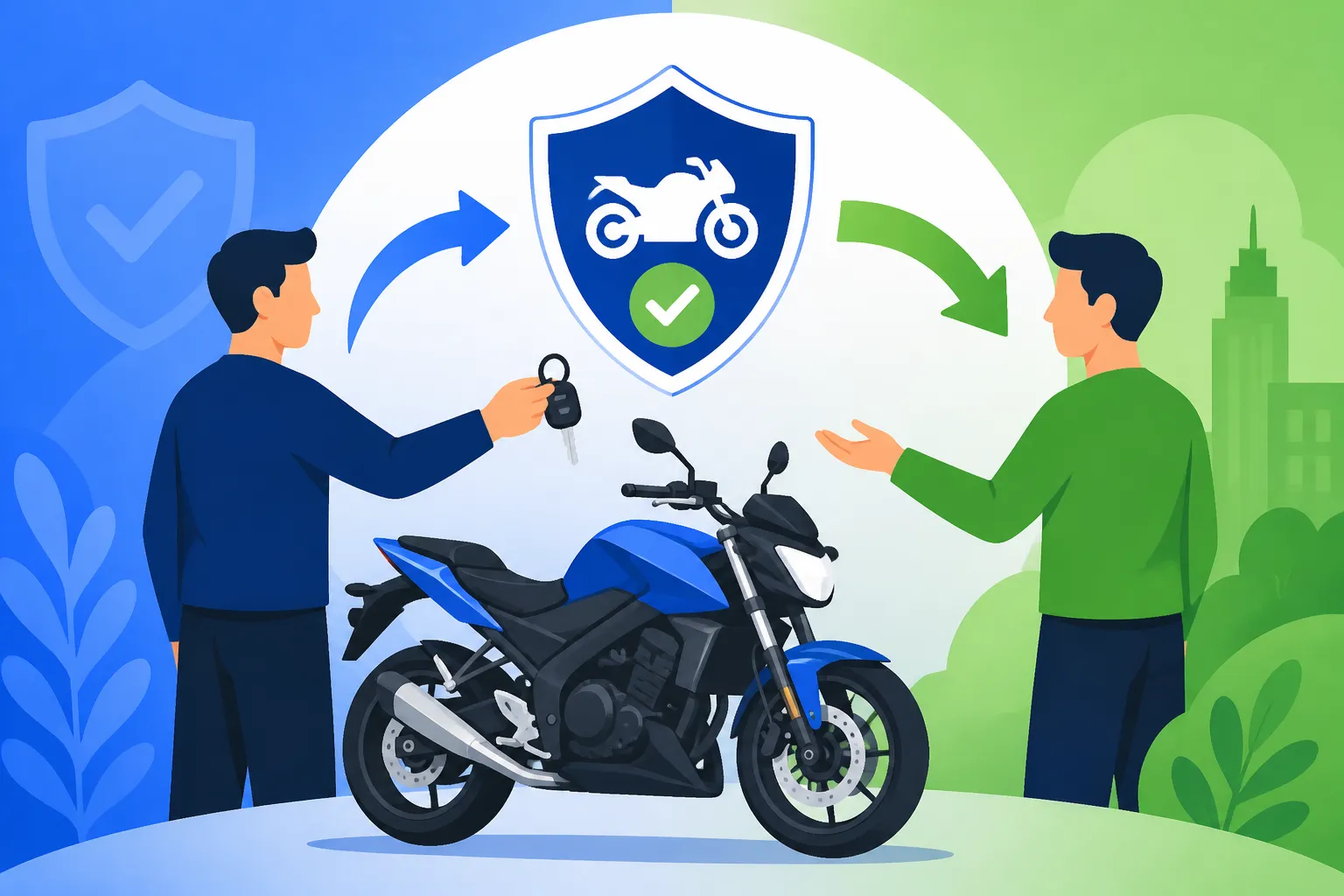
Selling your motorcycle is an exciting milestone, whether you're upgrading, downsizing, or stepping away from riding for a while. But amidst the excitement of finding a new owner and closing the deal, the nitty-gritty of transferring insurance can feel like a tangled mess, leaving you wondering if you're still liable or if the new rider is properly covered. This comprehensive guide is here to untangle that process, walking you through the precise steps to smoothly transfer motorcycle insurance to a new owner, detailing what you need to do and when, to avoid any costly gaps or lingering liabilities for both parties.
Understanding Your Role as the Seller in the Insurance Transfer Process
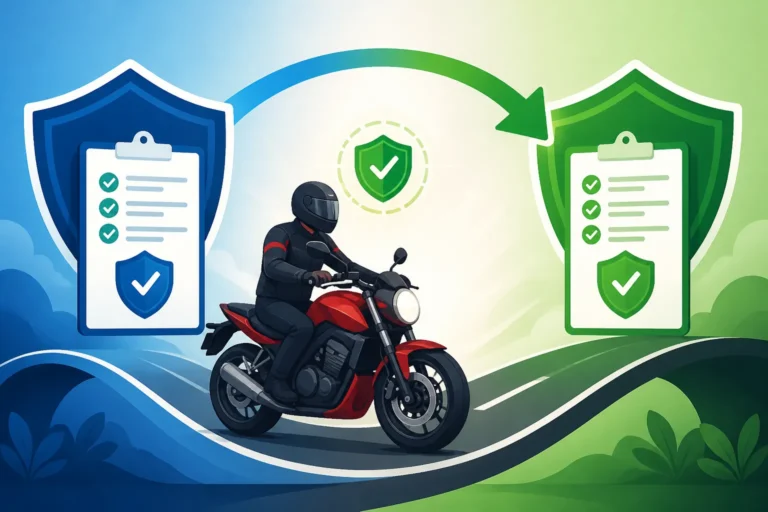
When you sell your motorcycle, it's not just about signing over the title and handing over the keys. There’s a crucial aspect of ownership transition that often gets overlooked: insurance. Many sellers mistakenly believe that their existing policy will somehow transfer or extend to the new owner, but that's simply not how motorcycle insurance works. Your policy is a contract between you and your insurance provider, tailored specifically to your circumstances, your riding history, and your motorcycle.
Why Your Policy Doesn't Just "Transfer"
Think of your motorcycle insurance policy less like a property deed and more like a driver's license – it's personal. Your policy is meticulously crafted based on a myriad of factors unique to you, the policyholder. This includes your age, riding experience, claims history, credit score, where you live, and even where you typically store your bike. It also takes into account the specific make, model, and year of your motorcycle, as well as any customizations or modifications you’ve made. Because insurance is so intrinsically tied to the individual rider and their specific risk profile, it cannot simply be "transferred" to a new owner, regardless of how responsible or experienced they might be.
For example, if you're a seasoned rider with decades of experience and a spotless record, your policy premiums will reflect that lower risk. A brand-new rider, even on the same bike, would pose a much higher risk to an insurer. The new owner brings their own unique set of risk factors to the equation. Their age, riding history, location, and even their credit score will all influence the cost and terms of their own, new policy. Attempting to "transfer" your policy would completely bypass this essential risk assessment, which is why insurers don't allow it. It's a fundamental principle: motorcycle insurance follows the rider, not merely the bike itself.
The Importance of Timely Cancellation and Avoiding Lapses
Once you've sold your motorcycle, maintaining insurance on it becomes an unnecessary expense and a potential liability. It's paramount to notify your insurance company promptly to either cancel the policy specifically for that motorcycle or remove it from a multi-bike policy. Failing to do so means you're still paying premiums for a vehicle you no longer own, which is a waste of your hard-earned money. Beyond the financial drain, there's a more critical reason for timely action: avoiding lingering liability.
Imagine a scenario where you sell your bike, but forget to cancel the insurance. A week later, the new owner, through no fault of your own, gets into an accident. While your policy shouldn't cover them, the initial confusion and potential for legal entanglements could be a massive headache. The insurance company might initially question why you still had a policy on a bike you no longer own. While a valid bill of sale should clear things up, it's far better to prevent the situation entirely. Moreover, if you simply stop paying premiums without officially canceling, you risk a lapse in your overall insurance history, which can lead to higher rates when you try to insure a different vehicle in the future. Always make sure to get confirmation of cancellation from your insurer, just for your records. You can learn more about this in our guide on How to Cancel Motorcycle Insurance.
Step-by-Step Guide for Sellers: What to Do When Selling Your Motorcycle
Selling a motorcycle involves more than just a handshake and a payment. To ensure a smooth transition and protect yourself from future complications, especially concerning insurance, follow these crucial steps as the seller.
Before the Sale: Gathering Necessary Documents
Preparation is key to a hassle-free sale. Before you even list your motorcycle or meet with potential buyers, make sure you have all your ducks in a row. The most critical document is the motorcycle's title, which proves you are the legal owner and have the right to transfer ownership. This document will need to be signed over to the new owner at the time of sale. It's also highly advisable to prepare a detailed bill of sale. This isn't just a formality; it's your legal protection. A robust bill of sale should clearly state the date and time of the transaction, the full names and addresses of both the buyer and seller, the motorcycle's Vehicle Identification Number (VIN), its make, model, and year, the odometer reading at the time of sale, and the final sale price.
Beyond these essentials, having maintenance records can be a big plus for buyers, demonstrating the bike's history and care. While not directly tied to insurance transfer, a transparent sale process builds trust and helps ensure there are no disputes down the line. Keep your current insurance policy details handy; you'll need this information when you contact your insurer after the sale. Taking photos of the bike, especially the odometer, just before the transaction can also provide valuable proof of condition at the point of sale.
During the Transaction: Ensuring a Clean Break
The actual exchange of the motorcycle and payment is a pivotal moment, and it's where you make the legal transfer official. First and foremost, once you receive payment and are satisfied with the terms, you'll need to sign the title over to the new owner. Make sure the new owner also signs where required. Many states have specific sections on the title for both parties to sign, affirming the transfer of ownership. It’s a good practice to complete this transaction at a bank or public notary if possible, especially for high-value bikes, to ensure signatures are verified.
Another important consideration is the license plates. State regulations vary widely here. In some states, like California, plates stay with the vehicle, meaning the new owner takes them. However, in many other states, such as Texas or Florida, the license plates belong to the seller and must be removed from the motorcycle. You'll then typically either transfer them to a new vehicle, surrender them to the DMV, or destroy them, depending on your local regulations. Always verify your state's specific rules regarding license plate transfer or retention. Taking clear photos of the signed title and bill of sale at the moment of exchange serves as irrefutable proof of the transaction's date and time, which is invaluable if any discrepancies or issues arise later.
After the Sale: Notifying Your Insurer
This is perhaps the most critical step for you, the seller, from an insurance perspective. As soon as the sale is complete and the motorcycle is no longer in your possession, you need to contact your insurance provider immediately. Don't procrastinate on this. You'll want to inform them that you've sold the motorcycle and request that it be removed from your policy. If it was your only motorcycle, you’ll request to cancel the entire policy. If you have other vehicles or motorcycles insured with the same company, you’ll simply have the specific motorcycle removed.
When you call, have your policy number, the motorcycle's VIN, and the date and time of sale ready. Your insurer will process the change, and you should receive a prorated refund for any unused premiums you've already paid. More importantly, this action officially severs your insurance ties to that particular motorcycle, eliminating your financial responsibility for it. Always ask for a confirmation email or letter stating the date the motorcycle was removed from your policy or the policy was canceled. This documentation is your proof that you are no longer insuring the bike. This crucial step is part of the larger process of Selling or Buying a Motorcycle: Insurance Steps and ensures your personal liability ends with the sale.
The New Owner's Responsibilities: Getting New Coverage
While you, as the seller, are busy untangling yourself from the motorcycle's insurance, the new owner has their own set of responsibilities to ensure they're legally and financially protected. Their journey begins the moment they take possession of the bike.
Why New Owners Need Their Own Policy Quickly
The absolute truth of the matter is that your insurance policy, as the seller, does not magically extend its protective umbrella to the new owner. Period. The new owner must obtain their own motorcycle insurance policy before they legally ride the bike. In virtually every state across the U.S., riding a motorcycle without at least minimum liability insurance is illegal. This isn't just a suggestion; it's a legal requirement designed to protect all parties on the road.
If a new owner rides off your property without having secured their own insurance, they are taking an enormous risk. Should they be involved in an accident, even a minor fender bender, they could face severe financial repercussions, including paying for damages to other vehicles, medical bills for injured parties, and repairs to their newly acquired motorcycle, all out of pocket. Furthermore, they could face significant legal penalties for riding uninsured, such as hefty fines, license suspension, and even vehicle impoundment. These penalties can quickly outweigh the cost of an insurance policy. It’s vital for the buyer to understand that any "grace period" for insurance typically applies to adding a new vehicle to an existing policy, not to a brand-new policy for a new rider. Our article on What Happens If You Ride Without Insurance? delves deeper into these consequences.
Shopping for the Right Motorcycle Insurance Policy
For the new owner, the process of finding insurance should ideally begin before they even pick up the motorcycle. Smart buyers will start comparing quotes from various providers as soon as they know which bike they're purchasing. Many factors influence the cost of motorcycle insurance, including the type of motorcycle (sport bikes often cost more to insure than cruisers), the rider's age and experience, their driving record, where they live, and even the types of coverage they choose.
New owners should look beyond just the cheapest liability-only option, especially if they've financed the bike or it's a significant investment. While liability coverage is legally mandated and pays for damages or injuries they cause to others, it won't cover their own bike. They might consider adding comprehensive coverage for non-collision incidents like theft or vandalism, and collision coverage for damage resulting from an accident. Uninsured/Underinsured Motorist (UM/UIM) coverage is also crucial, protecting them if they're hit by a rider with insufficient or no insurance. Platforms like The Zebra can be incredibly helpful for new owners, allowing them to easily compare quotes from multiple reputable insurers simultaneously, providing a clear picture of their options. Many major providers, such as Progressive, offer robust motorcycle insurance options tailored to various bikes and rider profiles. Our guide on the Types of Motorcycle Insurance Coverage Explained offers a deeper dive into coverage options.
Understanding "Proof of Insurance" for Registration
Once the new owner has purchased a policy, they will receive proof of insurance from their chosen provider. This usually comes in the form of an insurance ID card, which can be a physical card or a digital version accessible on a smartphone. This proof is not just for carrying while riding; it’s almost always required for registering the motorcycle with the Department of Motor Vehicles (DMV) or equivalent state agency. Without valid proof of insurance, most states will not allow a new owner to register their vehicle, which means they can't get license plates and legally operate the motorcycle on public roads.
It’s a chicken-and-egg scenario: you need insurance to register, and you need registration to legally ride. Therefore, ensuring they have this documentation in hand, or at least a temporary ID card from their insurer, is a non-negotiable step before heading to the DMV. Some states are very particular about the format of this proof, so it’s always best to check the specific requirements of the state where the motorcycle will be registered. Our post on Proof of Insurance: Digital vs Paper for Riders details the different acceptable formats. The new owner should have this proof readily available from the moment they take possession, just in case they are pulled over for any reason, even on their way home from the sale.
Common Pitfalls and How to Avoid Them
The process of transferring ownership, especially for motorcycles, is rife with potential missteps that can lead to significant headaches for both the seller and the buyer. Being aware of these common pitfalls is the first step in avoiding them.
The "Loaner" Trap: Letting the Buyer Ride Without Their Own Insurance
This is perhaps the most dangerous trap for a seller. It's common for a buyer to want to take a test ride to ensure the bike meets their expectations. However, if they don't have their own insurance, and you allow them to ride, you are opening yourself up to immense liability. Your personal insurance policy, which is designed to cover you and your approved riders, is highly unlikely to extend coverage to a prospective buyer who is not listed on your policy and is not considered a permissive user in the context of a sale.
Imagine this scenario: you let a potential buyer take your motorcycle for a spin, and they accidentally lay it down or collide with another vehicle. If they don't have their own insurance, you could be held responsible for the damages and any resulting injuries, simply because you owned the bike at the time of the incident. This could lead to a claim against your policy, an increase in your rates, or even a lawsuit. The golden rule here is simple: never allow anyone to test ride your motorcycle without verifiable proof of their own valid motorcycle insurance policy. If they can't provide it, the test ride is off the table, or you insist on riding it yourself while they follow in a car. This might seem strict, but it’s a non-negotiable step to protect your financial well-being and peace of mind.
Gaps in Coverage: Understanding the Risks
A "gap in coverage" occurs when a motorcycle is ridden or owned without an active insurance policy. For the seller, a gap can occur if they fail to remove the motorcycle from their policy quickly enough after the sale, leaving them potentially liable for events occurring after ownership transfer but before policy cancellation. This might also lead to paying premiums unnecessarily. For the buyer, a gap is far more perilous. If they take possession of the motorcycle and ride it without immediate coverage, they are completely exposed.
As mentioned, riding uninsured carries severe legal penalties in nearly every state. Beyond fines and suspensions, imagine the catastrophic financial burden if they cause a serious accident. They would be personally responsible for all property damage, medical bills, and lost wages for anyone injured, which could easily amount to hundreds of thousands of dollars. Even a minor incident can result in thousands of dollars in repairs or medical expenses. A smooth transition means the seller cancels their coverage after the sale, and the buyer has their new policy active before they take possession and ride. This synchronicity is crucial to ensuring no period exists where the motorcycle is on the road without proper protection. Our guide on Motorcycle Insurance Grace Period When Buying can offer more insights, though it primarily applies to adding a vehicle to an existing policy.
State-Specific Nuances and Regulations
It would be wonderfully simple if motorcycle insurance and ownership transfer rules were uniform across all 50 states, but alas, they are not. Each state has its own specific set of laws regarding minimum insurance requirements, vehicle registration, and title transfers. For example, some states may require specific forms or inspections, while others have different regulations regarding license plates (whether they stay with the vehicle or the owner).
Consider states with specific financial responsibility laws, which might influence how a transaction needs to be documented. While the core principle of getting a new insurance policy remains the same, the administrative steps can differ. For instance, in some states, you might be able to register a motorcycle without showing proof of insurance initially, but then you'll face penalties if caught riding without it. Other states are much stricter, demanding proof of insurance at the time of registration itself. It's always prudent for both buyer and seller to be aware of the specific Motorcycle Insurance Requirements by State (2026 Guide) in their respective locations. A quick check of your state's DMV website can save a lot of grief and ensure compliance with all local laws.
What Happens If You're Both Unprepared?
When the excitement of a new ride (or a successful sale) overshadows the critical steps of insurance and ownership transfer, the consequences can be far-reaching and costly for both parties involved. Ignoring these details isn't just a minor oversight; it can lead to significant legal and financial burdens.
Legal and Financial Consequences for the Seller
Even if you've physically handed over the keys and accepted payment, if you haven't properly documented the sale and removed the motorcycle from your insurance policy, you could still be held liable for it. Imagine the new owner gets into an accident, and because you hadn't formally canceled your policy, their legal team or the police find your name still associated with the bike's insurance. This could lead to:
- Lingering Liability Claims: You might find yourself entangled in a liability claim or even a lawsuit related to an accident the new owner was involved in. Proving that you no longer owned the bike at the time will fall on you, requiring detailed documentation like a signed bill of sale and title transfer forms. Without this, you could be facing substantial financial responsibility for damages or injuries caused by the new owner.
- Continued Premium Payments: Your insurer might continue to bill you for a motorcycle you no longer own. While you should eventually get a refund once you notify them, it's a hassle to chase down money you shouldn't have paid in the first place.
- DMV Headaches: If the new owner fails to register the bike in their name, or if there's any ambiguity about the transfer of ownership, the motorcycle might remain in your name in the state's vehicle records. This could lead to you receiving tickets or notices for violations committed by the new owner, or even being held responsible for outstanding fees or taxes. The process of extricating yourself from these records can be time-consuming and frustrating.
Repercussions for the New Owner
For the new owner, the consequences of riding uninsured are even more immediate and severe, as they are the ones operating the vehicle. An oversight in obtaining insurance can quickly turn a joyous purchase into a financial nightmare:
- Fines and Penalties: Riding without insurance is illegal in nearly every state. If pulled over, the new owner faces immediate fines, which can range from hundreds to thousands of dollars depending on the state and whether it's a first offense.
- License and Registration Suspension: Many states will suspend the driver's license and/or vehicle registration of uninsured motorists. This means they won't be able to legally ride any vehicle until they've reinstated their license and paid all associated fees.
- Vehicle Impoundment: In some jurisdictions, the motorcycle could be immediately impounded, leading to towing fees, storage fees, and the additional cost of retrieving the bike once insurance and registration are sorted.
- Personal Financial Ruin: This is perhaps the most devastating consequence. If the uninsured new owner is involved in an at-fault accident, they are personally responsible for all damages and injuries to others. This includes property damage to other vehicles or infrastructure, medical bills, lost wages, and pain and suffering for the injured parties. Without insurance to cover these costs, they could face significant debt, lawsuits, and even bankruptcy. This can easily run into hundreds of thousands or even millions of dollars.
- Difficulty Registering the Bike: As previously mentioned, without proof of insurance, the new owner often cannot register the motorcycle, leaving them unable to legally put plates on it or ride it on public roads. This effectively renders their new purchase unusable until they rectify the situation.
Many established insurers, such as Progressive, understand the urgent need for new owners to secure coverage quickly and offer streamlined online quoting processes to help riders get insured on the spot.
Here’s a quick overview of the key responsibilities for both parties:
| Action Item | Seller's Responsibility | New Owner's Responsibility |
|---|---|---|
| Before Sale | Prepare title, bill of sale, maintenance records. | Research and compare motorcycle insurance quotes. |
| During Sale | Sign over title, provide signed bill of sale, remove plates. | Complete purchase, sign title, take possession. |
| Insurance Coverage | Cancel/remove motorcycle from your policy immediately post-sale. | Secure new, active insurance policy before riding. |
| Proof of Insurance | Keep cancellation confirmation for your records. | Obtain insurance ID card (digital/physical) from insurer. |
| Registration | Ensure title is properly signed over to new owner. | Register motorcycle with DMV, typically requiring proof of insurance. |
| Test Rides | Do NOT allow test rides without proof of buyer's insurance. | Provide proof of insurance or have seller ride. |
Disclaimer
Please remember that the information provided in this guide is for general informational purposes only and does not constitute legal, financial, or insurance advice. Always consult with a qualified professional or your state's Department of Motor Vehicles for advice tailored to your specific situation and local regulations. Insurance policies and laws can change, so always verify the most current requirements.