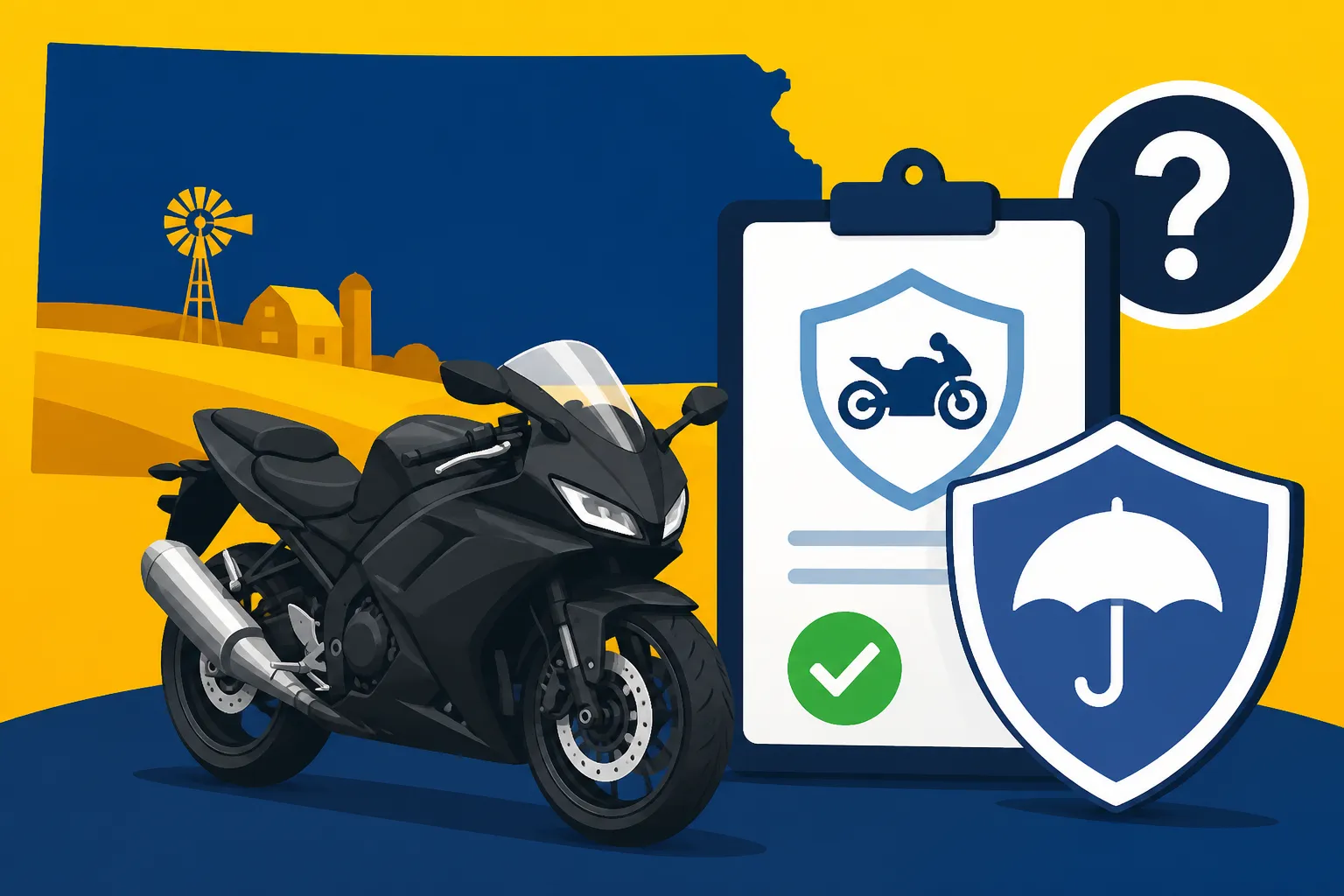
Is Motorcycle Insurance Required in Kansas?
Navigating the ins and outs of motorcycle insurance can feel like trying to read a map printed upside down, especially when you're just trying to figure out what your state legally requires. It's frustrating to just want a clear answer, and instead, you find yourself lost in a sea of jargon and vague directives. If you're riding in or through the Sunflower State, you've probably wondered, "Is motorcycle insurance required in Kansas?" This guide is here to cut through the confusion and give you the straightforward answers you need to ride legally and confidently.
The Short Answer: Is Motorcycle Insurance Required in Kansas?
Let's get straight to it: Yes, absolutely, motorcycle insurance is required in Kansas. You can't just hop on your bike and hit the open road without some form of financial protection in place. Kansas operates under a "fault" system, which means if you're involved in an accident, the at-fault driver is responsible for the damages and injuries caused. Because of this, the state mandates that all registered motor vehicles, including motorcycles, carry a minimum amount of liability insurance. This isn't just a suggestion; it's a legal necessity to protect yourself and others on the road.
Understanding Kansas's Financial Responsibility Law
Kansas doesn't just call it "motorcycle insurance requirements"; it's often referred to as meeting your "financial responsibility." What does that really mean for a rider? Essentially, the state wants assurance that if you cause an accident, you have the means to pay for the resulting bodily injuries and property damage to others. Insurance is the most common and practical way to demonstrate this financial responsibility. Without it, you're on the hook for potentially devastating costs out of your own pocket. Think about it: a simple fender bender, let alone a serious accident, can quickly rack up tens of thousands of dollars in medical bills and vehicle repairs. Having insurance isn't just about following the law; it's about safeguarding your financial future.
There are technically other ways to prove financial responsibility, such as depositing a large sum of cash or securities with the State Treasurer, but let's be realistic – for 99.9% of us, that's not a viable option. For most riders, getting a proper motorcycle insurance policy is the only sensible and accessible path to meeting this critical legal obligation. This is a point where understanding Kansas's Financial Responsibility Laws for Riders is key, as it explains the overarching principle behind the requirement.
Minimum Liability Coverage in the Sunflower State
When we talk about "minimum liability coverage," we're talking about specific numbers that dictate how much your insurance policy must cover. These numbers are often written in a format like 25/50/25, and they represent thousands of dollars. In Kansas, the minimum liability insurance requirements are:
- $25,000 for bodily injury liability per person: This is the maximum amount your insurance will pay for injuries to a single person you injure in an accident where you are at fault.
- $50,000 for total bodily injury liability per accident: This is the maximum amount your insurance will pay for all injuries to all people you injure in a single accident where you are at fault, regardless of how many people were hurt.
- $25,000 for property damage liability per accident: This is the maximum amount your insurance will pay for damage to other people's property (like their car, motorcycle, fence, or even a building) that you cause in an accident where you are at fault.
Beyond these core liability coverages, Kansas is also a "no-fault" state for personal injury protection (PIP) coverage, though this primarily applies to cars and not always directly to motorcycles. However, motorcyclists are still required to carry uninsured/underinsured motorist (UM/UIM) coverage, which is a huge benefit you definitely want. For bodily injury, the minimum is $25,000 per person and $50,000 per accident. For property damage, it's $10,000 per accident. This coverage protects you if you're hit by a driver who doesn't have enough (or any) insurance. Given how many drivers are out there without proper coverage, this is a critical layer of protection. Understanding these figures is crucial, as they form the foundation of what is needed to ride legally in Kansas. You can learn more about the specifics of Minimum Liability Insurance Explained The Three Numbers to grasp these figures better.
What Happens If You Ride Without Insurance in Kansas?
Okay, so we know it's required. But what if you decide to take a chance and ride without it? I get it, sometimes you're just looking to save a buck, or maybe you forgot to renew. But trust me, the risks far outweigh any perceived savings or convenience. The state of Kansas takes uninsured driving very seriously, and the consequences can be quite severe, both legally and financially. It’s not just a slap on the wrist; it can lead to a cascade of problems that impact your riding privileges, your wallet, and even your peace of mind for years to come.
Penalties You Could Face
Getting caught riding without valid motorcycle insurance in Kansas can lead to a host of penalties that will make you wish you'd just paid for that policy. Let's break down what you could be looking at:
- Fines: For a first offense, you could face fines ranging from $300 to $1,000. Subsequent offenses can see those fines increase significantly.
- Suspension of Driver's License and Vehicle Registration: This is a big one. The state can suspend your driver's license and your motorcycle's registration until you provide proof of insurance and pay reinstatement fees. This means you legally cannot ride any motor vehicle. Imagine being unable to commute to work or enjoy a weekend ride because of a lapse in coverage.
- Impoundment of Your Motorcycle: Your bike could be impounded by law enforcement, and you'll be responsible for towing and storage fees, which can add up quickly. Getting your bike back can be a real headache and an unexpected drain on your finances.
- SR-22 Filing Requirement: If you're caught, you might be required to file an SR-22 form with the state. An SR-22 is essentially a certificate of financial responsibility that your insurance company files, proving you have the minimum required coverage. It's often required for several years, and having an SR-22 on your record can significantly increase your insurance premiums, making it much harder to find affordable coverage. This is something no rider wants to deal with, and it's covered in more detail in articles like SR-22 for Motorcycles When It's Required.
These penalties aren't just theoretical; they are enforced. A simple traffic stop for a minor infraction could quickly escalate if you don't have your Proof of Insurance & Registration for Motorcycles readily available. The hassle, expense, and loss of riding privileges simply aren't worth the risk.
The Financial Fallout of an Uninsured Accident
Beyond the legal penalties, the true nightmare of riding without insurance emerges if you're involved in an accident. If you cause an accident and you don't have insurance, you become personally responsible for all the damages and injuries. This is where things can get truly catastrophic.
- Medical Bills: You could be liable for the medical expenses of anyone you injure, which can quickly run into hundreds of thousands of dollars, even for seemingly minor injuries.
- Property Damage: The cost to repair or replace the other vehicles or property involved in the accident will fall squarely on your shoulders.
- Lawsuits: The injured parties or their insurance companies can sue you directly to recover their losses. A judgment against you could lead to wage garnishment, liens on your property, and severe damage to your credit for years, possibly even decades.
- Your Own Damages: Remember, liability insurance only covers others. Without collision or comprehensive coverage, any damage to your own motorcycle, or your own medical bills, will be 100% your responsibility. You could lose your bike and face your own medical costs with no financial safety net.
Imagine facing a $150,000 lawsuit for someone's medical bills and vehicle damage because you skipped out on a few hundred dollars a year for insurance. It's a terrifying prospect that has ruined many lives. Understanding What Happens If You Ride Without Insurance? really drives home the gravity of this situation.
Essential Motorcycle Insurance Coverage Options for Kansas Riders
While the state mandates certain minimums, those minimums often aren't enough to truly protect you in the event of a serious accident. As a seasoned rider, I can tell you that cutting corners on coverage is almost never a good idea. Thinking beyond the bare legal requirements is essential for true peace of mind on the road.
Beyond the Bare Minimum: Why More Coverage is Smart
Most riders who care about their bikes and their financial well-being opt for more than just the state minimum liability. Here's why you should seriously consider these additional coverages:
- Collision Coverage: This pays for damages to your own motorcycle if you hit another vehicle, an object (like a guardrail), or if your bike is overturned. If your motorcycle is financed, your lender will almost certainly require you to carry collision coverage. Even if it's paid off, repairing significant damage to your bike can be incredibly expensive. This coverage ensures your ride can be fixed or replaced.
- Comprehensive Coverage: This is your "non-collision" damage protection. It covers things like theft, vandalism, fire, natural disasters (hail, floods), and even hitting an animal. If your bike is stolen, or if a tree branch falls on it in a storm, comprehensive coverage is what will kick in. Considering the unfortunate reality of Motorcycle Theft Claim How It Works, this is a must-have for many.
- Uninsured/Underinsured Motorist (UM/UIM) Coverage: As mentioned, this is actually required in Kansas, and for good reason. It protects you if you're involved in an accident with a driver who either doesn't have insurance or doesn't have enough insurance to cover your damages and medical bills. Given the prevalence of uninsured drivers, this is arguably one of the most critical coverages you can have.
- Medical Payments (MedPay) or Personal Injury Protection (PIP): While PIP often has nuances for motorcycles in Kansas, MedPay specifically covers medical expenses for you and your passengers, regardless of who was at fault in an accident. Motorcycle accidents can lead to significant injuries, and having this coverage can help with immediate medical costs, co-pays, and deductibles before your health insurance even kicks in. It's truly a lifesaver. You can delve deeper into What Is Medical Payments MedPay for Riders? to see its value.
Optional Coverages to Protect Your Ride and Wallet
Beyond the core collision and comprehensive, there are other add-ons that can significantly enhance your protection and offer invaluable peace of mind:
- Accessories and Custom Parts Coverage: If you've invested in aftermarket exhaust, custom paint, saddlebags, or any other modifications, your standard policy might not cover their full value. This add-on specifically protects those investments. For many Harley-Davidson or custom bike owners, this is non-negotiable. This is often an overlooked aspect, and understanding Accessories & Custom Parts Coverage Explained can save you a lot of heartache.
- Roadside Assistance and Towing: Flat tire in the middle of nowhere? Run out of gas? Battery died? This coverage means you won't be stranded. Your policy will arrange and pay for towing services or roadside help. For riders who often venture far from home, this is incredibly convenient.
- Trip Interruption Coverage: If your motorcycle breaks down or is damaged far from home, this coverage can help with expenses for lodging, alternate transportation, and food while your bike is being repaired. Perfect for those cross-state or cross-country adventures.
- New Bike Replacement Coverage: If your brand-new motorcycle is totaled within a certain timeframe (e.g., the first year or two) and mileage limit, this coverage will replace it with a brand new bike of the same make and model, rather than just paying out its depreciated actual cash value.
- Gap Insurance: If you've financed your motorcycle, especially if it's new, you might owe more on the loan than the bike is worth (due to depreciation) if it's totaled. Gap insurance covers that "gap" between what your comprehensive/collision pays out and what you still owe to the lender. This can prevent you from being stuck paying for a bike you no longer have. It’s particularly useful for new purchases and something to consider when exploring Do You Need Gap Insurance on a Motorcycle?.
Getting Your Kansas Motorcycle Insurance Policy
So, you understand the requirements and the benefits of additional coverage. Now, how do you actually go about getting a policy that fits your needs? It's easier than you might think, but a little preparation can go a long way in ensuring you get the right coverage at a fair price.
What You'll Need to Get a Quote
When you're ready to start shopping for motorcycle insurance in Kansas, having the right information handy will make the process much smoother. Insurance companies need details to accurately assess your risk and provide an appropriate quote. Here's a quick checklist:
- Your Personal Information: This includes your full name, date of birth, address, and driver's license number (specifically your motorcycle endorsement). Your riding history is a major factor in your rates, including how long you've had your motorcycle endorsement. You might be interested in Do You Need a Motorcycle Endorsement to Get Insurance?.
- Your Motorcycle's Information: You'll need the make, model, year, VIN (Vehicle Identification Number), engine size (CCs), and any significant modifications or custom parts you've added. The type of bike, like a sport bike versus a cruiser, can significantly impact your rates. For instance, Motorcycle Insurance Cost by Bike Type explains these differences.
- Riding History: Be prepared to discuss your riding experience, including how many years you've been riding, any accidents (even minor ones), or traffic violations you've had. A clean driving record is your best friend when it comes to insurance rates.
- Safety Course Completion: If you've completed a Motorcycle Safety Foundation (MSF) course or a similar approved rider safety course, make sure to mention it! Many insurers offer discounts for this, as it demonstrates you've invested in improving your riding skills.
- Storage Information: Where will your motorcycle be stored? In a locked garage, a shared parking lot, or on the street? This can influence theft risk and, consequently, your premiums.
- Desired Coverage Levels: Have a rough idea of the liability limits you want (at least the Kansas minimums, but ideally higher), and whether you want collision, comprehensive, and any other optional coverages we discussed.
Providing accurate and complete information is crucial. Don't try to fudge the numbers; it could lead to claim denials later on if discrepancies are discovered.
Finding the Right Policy for Your Kansas Adventures
Finding the perfect motorcycle insurance policy isn't just about getting the cheapest rate; it's about finding the right balance of coverage, cost, and a reputable insurer. Here are some tips for Kansas riders:
- Shop Around: Don't settle for the first quote you get. Different insurance companies have different underwriting models, and rates can vary wildly. Get quotes from several providers like Progressive, Geico, Dairyland, and Markel. Each might offer different benefits or specialize in certain types of riders or bikes. Websites and agents can help you How to Compare Motorcycle Insurance Quotes.
- Ask About Discounts: Seriously, ask for every discount available! Many insurers offer discounts for multi-policy (bundling with your car or home insurance), multi-bike, rider safety courses, mature riders, homeowners, anti-theft devices, and even paying your premium in full. You might be surprised how much you can save. Learning about Motorcycle Insurance Discounts You're Missing could literally save you hundreds.
- Consider Your Deductible: Your deductible is the amount you pay out of pocket before your insurance kicks in for collision and comprehensive claims. A higher deductible usually means a lower premium, but make sure you can comfortably afford to pay that deductible if you have to file a claim.
- Review Policy Details Carefully: Before signing on the dotted line, read through the policy documents. Understand what's covered, what's excluded, and your policy limits. If anything is unclear, ask your agent to explain it in plain language.
- Check Insurer Reputation: Go beyond price. Look for an insurer with a good reputation for customer service and claims handling. The cheapest policy isn't worth much if they're impossible to deal with when you need them most. Sites like J.D. Power and A.M. Best can provide insights into customer satisfaction and financial strength.
- Bundle Policies: If you already have car insurance or home insurance, ask your current provider about adding your motorcycle to your existing policies. Bundling can often lead to significant savings across all your coverages. This is a great way to explore if Should You Bundle Motorcycle Insurance? is right for you.
By taking the time to gather your information, shop around, and understand your options, you can secure a comprehensive motorcycle insurance policy that keeps you legal and protected on all your Kansas riding adventures.
Kansas Motorcycle Insurance at a Glance
Here's a quick summary of the key requirements and potential consequences for riding without insurance in Kansas:
| Requirement/Consequence | Details |
|---|---|
| Mandatory Insurance | Yes, all registered motorcycles must carry liability insurance. |
| Minimum Liability Limits (Kansas) | 25/50/25: $25,000 Bodily Injury per person / $50,000 Bodily Injury per accident / $25,000 Property Damage per accident. |
| Minimum UM/UIM Limits (Kansas) | $25,000 Bodily Injury per person / $50,000 Bodily Injury per accident / $10,000 Property Damage per accident. |
| First Offense Fine (No Insurance) | $300 – $1,000 |
| License/Registration Suspension | Yes, until proof of insurance and reinstatement fees are paid. |
| Vehicle Impoundment | Possible, with associated towing and storage fees. |
| SR-22 Requirement | Possible requirement for several years, leading to higher premiums. |
| Financial Responsibility | Driver is personally liable for all damages/injuries in an at-fault accident without insurance. |
Disclaimer
This article is for general informational purposes only and does not constitute professional advice. Laws, prices and regulations vary by location and change over time. Consult a qualified professional for guidance on your specific situation.