Is Motorcycle Insurance Required in Washington?
It's easy to feel a little lost when trying to figure out the nitty-gritty of motorcycle laws, especially when it comes to insurance. Many riders hit the road in Washington thinking it might be similar to other states they've lived in, only to find the rules can be quite specific. This guide is here to clear up all that confusion, walking you through Washington State's motorcycle insurance requirements so you can ride legally and with peace of mind.
Washington State Motorcycle Insurance Laws at a Glance
Let's cut right to the chase because nobody wants to guess when it comes to legal requirements. The open road calls, but the law demands you're prepared.
Is Motorcycle Insurance Legally Required in Washington?
Yes, absolutely. In Washington State, if you're planning to ride your motorcycle on public roads, you are legally required to carry motorcycle insurance or provide proof of financial responsibility. This isn't one of those optional things or a "good idea" – it's a must-do. Just like with cars, operating a motorcycle without proper coverage can lead to some significant headaches, both legally and financially, should an accident occur. The state is pretty clear on this point: you need to be able to cover potential damages and injuries if you're involved in a collision that's deemed your fault. This requirement applies whether you're cruising through the city streets of Seattle, carving up the mountain passes in the Cascades, or taking a scenic tour along the coast.
Minimum Coverage Requirements for Riders
Okay, so we know insurance is required. But what kind of insurance, and how much? Washington State specifies minimum liability coverage amounts that all riders must carry. These minimums are often expressed in a series of three numbers, and they're crucial to understand. In Washington, the minimum liability coverage is 25/50/10.
Let's break down what those numbers actually mean, because it's not just insurance jargon:
- $25,000 for bodily injury liability per person: This is the maximum amount your insurance will pay for injuries to a single person in an accident where you are at fault. So, if you hit another rider or a pedestrian, your policy will cover up to $25,000 for their medical bills, lost wages, and other injury-related expenses.
- $50,000 for total bodily injury liability per accident: This is the maximum amount your insurance will pay for all injuries combined in a single accident where you are at fault, regardless of how many people were hurt. If multiple people are injured, the $25,000 per-person limit still applies, but the total payout for the incident won't exceed $50,000.
- $10,000 for property damage liability per accident: This is the maximum amount your insurance will pay for damage to other people's property in an accident where you are at fault. This typically covers damage to other vehicles, but it could also include things like fences, mailboxes, or buildings.
It's super important to remember that these are just the bare minimums. While they keep you legal, they often don't provide enough protection in a serious accident. Imagine a scenario where you're involved in a collision with a brand-new car and the other driver sustains significant injuries. The combined costs could easily skyrocket past these minimums, leaving you personally responsible for the difference. That's why many experienced riders choose to carry higher liability limits or explore additional coverages beyond just the basic requirements, especially considering how quickly medical costs can accumulate. For a deeper dive, check out our guide on what is the minimum motorcycle insurance in Washington.
Understanding Washington's Financial Responsibility Law
The concept of "financial responsibility" is at the heart of why insurance is mandatory. It's not just about buying a piece of paper; it's about proving you can pay for damages if you cause an accident.
What is "Financial Responsibility"?
In Washington, "financial responsibility" means you have the ability to pay for damages and injuries you might cause in a motor vehicle accident. Motorcycle insurance is the most common and practical way for riders to meet this requirement. Essentially, the state wants to ensure that if you make a mistake on the road and someone else gets hurt or their property is damaged, there’s a mechanism in place to compensate them. This protects not only other drivers but also you, the rider, from crippling out-of-pocket expenses or lawsuits. Without a way to demonstrate financial responsibility, the potential for significant personal financial hardship after an accident is immense. It's a system designed to maintain a level of accountability on our shared roadways. You can learn more about Financial Responsibility Laws for Riders.
Alternatives to Traditional Insurance
While insurance is by far the most popular and recommended route, Washington State does offer a couple of less common alternatives to meet the financial responsibility requirement:
- Posting a cash deposit: You could deposit $60,000 in cash or negotiable securities with the Washington State Treasurer. Yes, you read that right – sixty thousand dollars! This amount ensures you have sufficient funds readily available to cover potential liability claims. For most riders, this is an incredibly impractical option, as tying up that much capital just to ride a motorcycle is simply not feasible.
- Filing a certificate of self-insurance: This is typically reserved for organizations or individuals who own a large fleet of vehicles and can demonstrate they have sufficient financial resources to cover any potential claims themselves. For the average motorcycle enthusiast, this is not a viable path.
The takeaway here is pretty clear: for almost every single rider in Washington, purchasing a standard motorcycle insurance policy is the only realistic and sensible way to comply with the state's financial responsibility laws. Trying to navigate these alternatives is complicated, expensive, and generally unnecessary when affordable insurance options are available. For more details on this, you might find our article on Motorcycle Insurance Requirements by State (2026 Guide) helpful, as it outlines how different states approach financial responsibility.
Consequences of Riding Without Insurance in Washington
Riding uninsured isn't just a gamble; it's a direct violation of Washington law and can lead to a host of unpleasant and costly repercussions. Many riders think they can get away with it, especially if they only ride occasionally, but the risks far outweigh any perceived savings.
Penalties and Fines
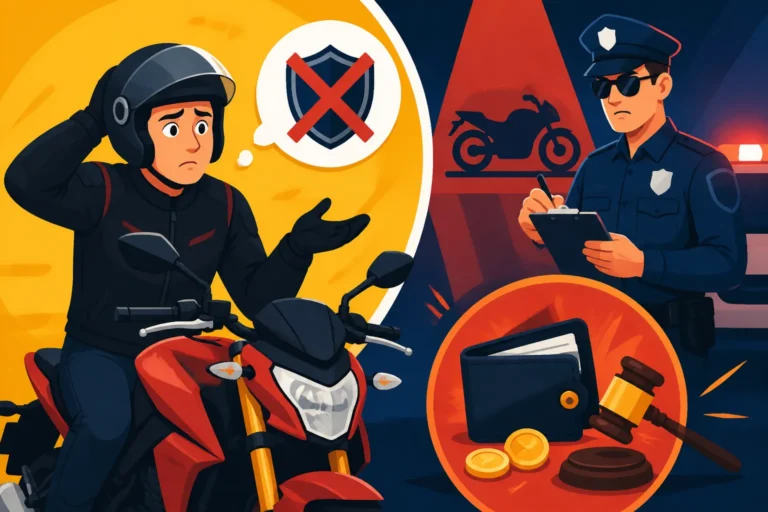
If you're caught riding your motorcycle in Washington without valid insurance or proof of financial responsibility, you could face a significant traffic infraction. This isn't just a slap on the wrist; it comes with real financial penalties. The base fine for a first offense of driving without insurance in Washington can be several hundred dollars, plus court fees and surcharges, which can quickly add up.
But it doesn't stop there. Here's a breakdown of what you might face:
- Fines and Court Costs: As mentioned, the immediate financial hit can be substantial. These tickets go on your driving record.
- Impoundment: In some situations, especially if you're a repeat offender or involved in an accident, your motorcycle could be impounded, leading to towing fees and storage costs that accumulate daily. Getting your bike back would then require proof of insurance and payment of all outstanding fees.
- License Suspension: The Department of Licensing (DOL) can suspend your driver's license until you provide proof of insurance and pay any associated fees. This means you won't be able to legally drive any vehicle, not just your motorcycle, until the suspension is lifted.
- SR-22 Requirement: After being cited for riding without insurance, you might be required to obtain an SR-22 certificate. An SR-22 is a form that your insurance company files with the state to prove you have the minimum liability coverage. This designation often lasts for several years and usually results in much higher insurance premiums, making your previous attempt to save money by going uninsured completely backfire. You can learn more about SR-22 for Motorcycles: When It's Required.
It’s a cascading series of negative events, each more painful than the last. The initial cost savings of skipping insurance suddenly look trivial compared to the fines, fees, and increased future insurance rates.
Financial Risk After an Accident
Beyond the immediate legal penalties, the financial risk you expose yourself to by riding uninsured in Washington is truly staggering. If you're involved in an accident and found to be at fault without insurance, you are personally liable for all damages and injuries sustained by others.
Consider these grim realities:
- Property Damage: If you total another vehicle, damage a building, or destroy property, you will be on the hook for the entire repair or replacement cost. A minor fender-bender in a parking lot could still result in thousands of dollars in damages.
- Medical Bills: This is often the most devastating consequence. If anyone is injured in an accident you cause, you are responsible for their medical expenses, which can quickly climb into the tens or even hundreds of thousands of dollars. This includes ambulance rides, emergency room visits, surgeries, physical therapy, and long-term care.
- Lost Wages and Pain and Suffering: Beyond direct medical costs, injured parties can sue you for lost income if their injuries prevent them from working, as well as for pain and suffering. These amounts can be astronomical and can take years to resolve in court.
- Lawsuits and Asset Seizure: Without insurance, you'd be directly targeted in a lawsuit. A judgment against you could lead to wage garnishment, liens on your property (like your home or future earnings), or even the forced sale of your assets to satisfy the debt. Your personal finances could be ruined for decades.
This is why the minimum liability coverage, even if it feels like a lot, is considered so important. It acts as a buffer between you and these potentially life-altering financial burdens. The small cost of a motorcycle insurance premium is a paltry sum compared to the catastrophic financial fallout of an uninsured accident. For instance, imagine being hit by an uninsured driver; your Uninsured & Underinsured Motorist Coverage (UM/UIM) would be vital then.
How to Ensure You're Legally Covered
Navigating the world of insurance might seem daunting, but it doesn't have to be. Taking a few proactive steps can ensure you're always riding legally and with adequate protection.
Choosing the Right Policy
Finding the right motorcycle insurance policy in Washington isn't just about meeting the minimums; it's about finding coverage that truly protects you and your ride. While the state requires basic liability, you'll likely want to consider additional coverages, especially given the vulnerability of motorcyclists on the road.
Here’s what to look for:
- Higher Liability Limits: As discussed, the state minimums are just that – minimums. Opting for higher limits (e.g., 50/100/25 or even 100/300/50) provides a much stronger financial shield against large claims. This is especially true if you have significant assets to protect.
- Collision Coverage: This pays for damages to your motorcycle if you hit another vehicle or object, or if your bike overturns, regardless of who is at fault. If you have a financed bike, your lender will almost certainly require this. Even if it's paid off, protecting your investment with collision coverage is often a wise choice. Check out Do You Need Full Coverage to Register a Motorcycle? to understand what financed bikes often require.
- Comprehensive Coverage: This protects your motorcycle from non-collision-related incidents. Think theft, vandalism, fire, natural disasters, or hitting an animal. If you park your bike outside or live in an area with high theft rates, this is invaluable. Many riders consider this a must-have, as you can learn more about in What Is Comprehensive Motorcycle Insurance?.
- Uninsured/Underinsured Motorist (UM/UIM) Coverage: This is incredibly important in Washington. If you're hit by a driver who has no insurance or not enough insurance to cover your damages and injuries, UM/UIM steps in to cover your costs. Given the number of uninsured drivers on the road, this coverage can be a lifesaver.
- Medical Payments (MedPay) or Personal Injury Protection (PIP): These cover medical expenses for you and your passengers, regardless of who is at fault. Given that motorcyclists are more exposed in an accident, having this coverage can help cover immediate medical costs without waiting for fault to be determined.
- Accessories and Custom Parts Coverage: If you've invested in aftermarket parts, custom paint, or fancy chrome, standard policies might not cover their full value. This add-on ensures your unique modifications are protected.
- Roadside Assistance and Trip Interruption: These are often affordable add-ons that can save you a lot of hassle if your bike breaks down far from home.
When you're shopping for a policy, it’s a great idea to compare quotes from several different providers. Companies like Progressive, Geico, and Dairyland are well-known for offering motorcycle insurance and can provide competitive rates depending on your rider profile and bike type. Don't just go with the first quote you get; take the time to compare terms, limits, and customer service reviews. You can also explore options for How to Get Cheap Motorcycle Insurance by leveraging various discounts.
Proof of Insurance
Once you have your policy, proving you have it is the next step. Washington State law requires you to carry proof of insurance while riding your motorcycle.
Here's how that works:
- Physical Insurance Card: Your insurance company will typically mail you an insurance card. Keep this in your wallet or a secure spot on your bike (like a saddlebag or tool pouch) where it's easily accessible but protected from the elements.
- Digital Proof of Insurance: Washington State accepts electronic proof of insurance displayed on a mobile electronic device. This means you can show your insurance card on your smartphone or tablet. However, always ensure your device is charged and working. It's often a good idea to have a physical copy as a backup, just in case your phone battery dies or you lose signal.
- Other Accepted Forms: Beyond the standard insurance card, other documents like a binder, a copy of the insurance policy, or a letter from your insurer confirming coverage can also serve as valid proof.
When you're pulled over or involved in an accident, law enforcement will ask for your proof of insurance, along with your driver's license (or motorcycle endorsement) and vehicle registration. Being unable to provide this documentation on demand can lead to a citation for riding without insurance, even if you actually have a policy in place. Make it a habit to always double-check that you have your current proof of insurance with you before every ride. To avoid any confusion, familiarize yourself with what is considered Proof of Insurance & Registration for Motorcycles.
| Coverage Type | Washington Minimum Required | What It Covers |
|---|---|---|
| Bodily Injury Liability (per person) | $25,000 | Injuries to one person in an at-fault accident (medical bills, lost wages). |
| Bodily Injury Liability (per accident) | $50,000 | Total injuries to all people in an at-fault accident. |
| Property Damage Liability (per accident) | $10,000 | Damage to another's property in an at-fault accident (vehicles, fences, etc.). |
| Other Common Coverages (Not Required) | Varies | |
| Collision | Optional | Damage to your motorcycle from hitting another vehicle or object, or overturning. |
| Comprehensive | Optional | Damage to your motorcycle from non-collision events (theft, vandalism, fire, weather, animal strikes). |
| Uninsured/Underinsured Motorist | Optional (Highly Recommended) | Covers your injuries/damages if hit by a driver with no or insufficient insurance. |
| Medical Payments/PIP | Optional | Covers medical expenses for you and your passengers, regardless of fault. |
| Accessories & Custom Parts | Optional | Covers aftermarket parts, custom paint, and modifications on your bike. |
Disclaimer
This article is for general informational purposes only and does not constitute professional advice. Laws, prices and regulations vary by location and change over time. Consult a qualified professional for guidance on your specific situation.