Motorcycle Theft Claim: How It Works
There’s little that compares to the sinking feeling in your stomach when you walk out to your parking spot or garage, and your beloved motorcycle just isn't there. It's not just a vehicle; it's a passion, a lifestyle, and a significant investment, making theft a truly devastating experience. This comprehensive guide will walk you through exactly how a motorcycle theft insurance claim works, from the moment you discover your bike is missing to the final settlement, ensuring you know what to expect and how to protect yourself.
The Gut-Wrenching Reality of Motorcycle Theft
For many riders, a motorcycle is more than just transportation; it's an extension of their personality, a source of freedom, and countless cherished memories. That's why the shock of discovering your bike has been stolen cuts so deep. It’s a violation that can leave you feeling helpless and heartbroken. Unfortunately, motorcycles remain a prime target for thieves for a variety of reasons, making understanding the claims process an absolute necessity.
Why Motorcycles Are Such a Target
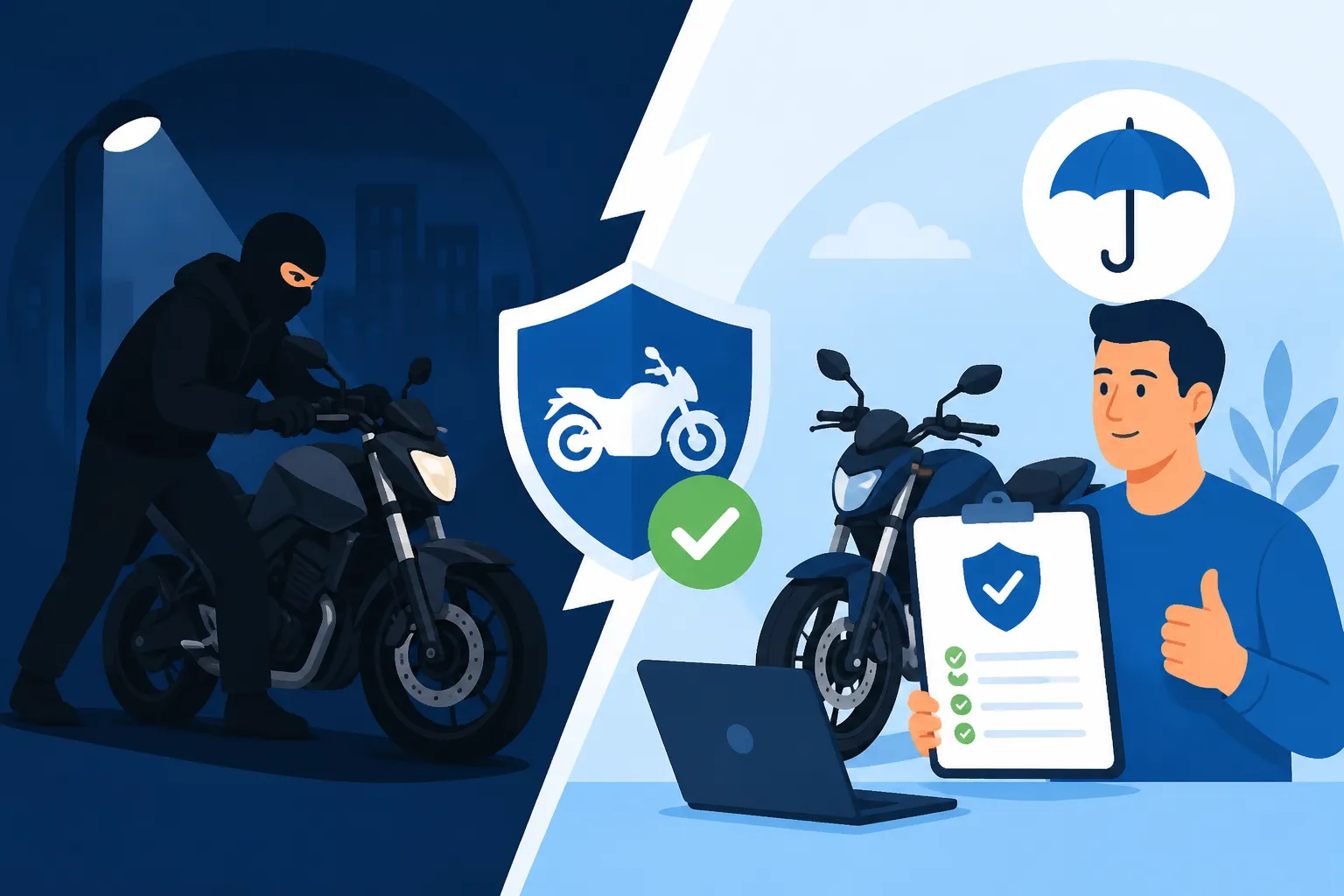
It's a sad truth, but motorcycles are often easier to steal than cars. They're lighter, making them simpler to roll away, lift into a van, or even carry off if a group of thieves is determined. Unlike cars, which have intricate alarm systems and often immobilizers as standard, many motorcycles, especially older models or those without specific security upgrades, can be hot-wired or simply forced into submission with basic tools. The ease of theft, combined with the high demand for parts, fuels a lucrative black market. A stolen Harley-Davidson or a high-performance sport bike can be quickly stripped down, with its components sold individually for far more than the sum of the bike itself. This makes them attractive targets for organized crime rings that operate across state lines, breaking down bikes and shipping parts to different markets, making them incredibly difficult to trace.
The Immediate Emotional and Financial Blow
Beyond the sheer logistical headache of no longer having your primary mode of transport, the emotional toll of motorcycle theft is immense. Riders often spend countless hours customizing their bikes, from aftermarket exhausts and performance upgrades to unique paint jobs and comfortable seating. Each modification tells a story, making the loss profoundly personal. There’s the feeling of invasion, the frustration of knowing someone took something you worked hard for, and the instant financial hit. Suddenly, you're without a bike, facing potential loan payments on a vehicle you no longer possess, and the daunting task of navigating an insurance claim. Even if you have comprehensive coverage, the process itself can be a significant source of stress and uncertainty, adding to the already heavy burden.
Understanding Your Coverage: The Foundation of a Theft Claim
Before you even think about filing a claim, it’s absolutely critical to understand the type of insurance you have in place. Many riders assume all insurance covers theft, but that’s a dangerous misconception. Your policy is the foundation upon which any theft claim will be built, and knowing its ins and outs can save you a world of heartache and financial strain down the road.
Comprehensive Coverage: Your Best Friend
When it comes to motorcycle theft, What Is Comprehensive Motorcycle Insurance? is truly your best friend. This coverage is designed to protect your motorcycle from non-collision-related damage or loss. Think of anything that could happen to your bike when you're not actively riding it, or even while you are, as long as it doesn't involve hitting another vehicle or object. This includes theft, vandalism, fire, natural disasters like floods, hail, or falling objects, and even damage from striking an animal. If you only carry basic liability insurance – which only covers damage or injury you might cause to others – you'll be left completely on your own if your motorcycle is stolen. There will be no payout, no help replacing your bike, and you'll still be responsible for any outstanding loan. This is why most riders who value their bikes choose to include comprehensive coverage. It provides a vital safety net against the unpredictable, often devastating, events that are outside your control.
Actual Cash Value vs. Stated Value vs. Agreed Value
One of the most critical aspects of comprehensive coverage is how your insurance company will determine the payout amount if your bike is totaled or stolen. This often comes down to three main valuation methods: Actual Cash Value (ACV), Stated Value, and Agreed Value. Understanding these can significantly impact your settlement.
- Actual Cash Value (ACV): This is the most common valuation method. ACV pays out the fair market value of your motorcycle at the time of the theft, minus your deductible. This means the insurance company will consider the bike's age, mileage, condition, and depreciation. What you paid for it originally, or even what you think it’s worth, often has little bearing. If your cherished five-year-old cruiser gets stolen, the payout will reflect what a similar five-year-old cruiser would sell for on the open market, not what a brand-new one would cost. This can be a hard pill to swallow, especially for well-maintained bikes.
- Stated Value: Less common, this method allows you to "state" a value for your motorcycle when you purchase the policy. However, there's a catch. In the event of a theft, the insurer will typically pay the lower of the stated value or the actual cash value. It's more of a maximum limit than a guaranteed payout. This can lead to frustration if you stated a high value, only to find the ACV is much lower when a claim occurs.
- Agreed Value: This is generally the gold standard, especially for custom bikes, rare models, or high-value motorcycles. With Agreed Value vs Stated Value vs Actual Cash Value, you and the insurance company agree on a specific value for your bike when the policy is written. If it's stolen, that's the amount you'll receive, minus your deductible, regardless of depreciation. This provides immense peace of mind but typically comes with a higher premium. For unique or highly modified bikes, the peace of mind is often well worth the extra cost.
Custom Parts and Accessories Coverage
Many riders pour thousands into customizing their motorcycles, from performance upgrades to aesthetic enhancements. However, a standard comprehensive policy often has very limited coverage for these modifications. For instance, a basic policy might only offer $1,000 or $3,000 for Accessories & Custom Parts Coverage Explained, which barely covers a decent aftermarket exhaust system, let alone a full custom paint job, upgraded wheels, or specialized saddlebags. If your stolen bike was heavily customized, and you hadn't added specific endorsements, you could face a massive financial loss even after your bike's base value is paid out. It’s absolutely essential to talk to your insurer about adding extra coverage specifically for your custom parts and accessories. You’ll typically need to provide receipts, photos, and a detailed list of all modifications to ensure they're properly valued and covered. This ensures that if your custom Harley-Davidson is stolen, the unique components you invested in are also part of the recovery process.
Immediate Steps After Discovering Your Motorcycle Is Stolen
The moments after realizing your motorcycle is gone are chaotic and emotionally charged. It’s easy to panic, but taking swift, decisive action is crucial to initiating a successful theft claim and potentially even recovering your bike. The faster you act, the better your chances.
Confirm the Theft and Secure the Scene
First and foremost, take a deep breath and confirm the theft. It sounds obvious, but sometimes a friend borrowed it, a family member moved it, or it was towed for an infraction you weren't aware of. Double-check your usual parking spots, ask neighbors, and check for any tow notices. Once you’re certain it’s stolen, try to secure the area if it’s safe to do so. Look for any signs of forced entry, broken locks, or dropped tools. Take photos of the scene – not just where the bike was, but any evidence of how it was taken. This initial documentation, even if just a quick phone pic, can be incredibly helpful for both the police and your insurance company. Remember, your safety is paramount; don’t put yourself in harm’s way if you suspect criminals are still nearby.
Contact Law Enforcement IMMEDIATELY
This step cannot be stressed enough: Motorcycle Stolen: What to Do Step by Step. As soon as you confirm the theft, call your local law enforcement agency. Dial 911 for emergencies or their non-emergency line, depending on the situation and your local protocols. Explain clearly that your motorcycle has been stolen. You'll need to provide as much detail as possible, including:
- The exact make, model, and year of your motorcycle.
- The Vehicle Identification Number (VIN) – this is critical.
- Your license plate number.
- Any distinguishing features: custom paint, unique stickers, aftermarket parts, dents, scratches, etc.
- The last known location and time your bike was seen.
- Information about any anti-theft devices it had (e.g., GPS tracker, alarm, disc lock).
The police will file a formal theft report, which will generate a police report number. This number is absolutely essential for your insurance claim, as your insurer will require it to process your claim. Don't leave the scene until you have this report number or confirmation it will be provided to you shortly. For example, if you're in a major city like Los Angeles, you'd contact the LAPD; in a smaller town, it would be your local police department. Their immediate action is key to potentially intercepting the bike before it's hidden or stripped.
Notify Your Insurance Company Promptly
After contacting the police, your next call should be to your insurance provider. Don't delay. Most policies require you to report a theft within a specific timeframe, typically 24 to 72 hours, although sooner is always better. The sooner you report it, the sooner their team can begin their investigation. When you call, have your policy number, the police report number, and all relevant details about your motorcycle handy. The insurer will likely open a claim file immediately and assign you a claim number and an adjuster. They'll ask a series of questions about the theft, your bike, and its security measures. This is the official start of How to File a Motorcycle Insurance Claim, and being prepared with accurate information will help streamline the process. Companies like Progressive have dedicated claims lines that operate 24/7 for these kinds of emergencies, recognizing the urgency of the situation.
The Motorcycle Theft Claim Process: A Step-by-Step Breakdown
Once the initial shock wears off and you've made the necessary calls, the formal motorcycle theft claim process begins. This isn't usually a quick resolution; it involves investigations by both law enforcement and your insurance company. Understanding each stage helps manage expectations and ensures you're providing all necessary support.
Filing the Claim and Initial Investigation
After your initial phone call to the insurance company, you'll typically be asked to complete more detailed claim forms. These forms will require information similar to what you gave the police, but often in more depth. You'll need to provide:
- Proof of Ownership: This usually means your title, registration, and bill of sale.
- Detailed Description of the Motorcycle: VIN, make, model, year, and specific features.
- Photos: Any pictures you have of your bike, especially clear shots that show its condition and any modifications.
- Maintenance Records: Proof of regular upkeep can sometimes help demonstrate the bike’s value.
- Receipts for Custom Parts: If you have special Accessories & Custom Parts Coverage Explained, you’ll need to back up those claims with receipts.
Your insurance adjuster will then begin their internal investigation. This involves verifying the police report, checking for any inconsistencies in your story, and confirming your coverage. They might also contact the police department directly to get more details. This isn't to imply distrust, but rather to ensure due diligence and prevent fraud, which unfortunately does occur.
Cooperation with Law Enforcement and Insurers
Throughout the process, it's paramount to cooperate fully with both the police and your insurance company. If the police call you with questions or new leads, respond promptly and honestly. The same goes for your insurance adjuster. They might ask for interviews, additional documentation, or access to your property if they need to investigate the scene where the bike was stolen. This cooperation is vital because any perceived lack of it could delay your claim or even lead to denial.
If your motorcycle was equipped with a GPS tracker or other anti-theft devices, make sure this information is relayed to both the police and your insurer immediately. Tracking devices, while not foolproof, can significantly increase the chances of recovery and may even expedite the claims process. Many insurers, including those found through comparison tools like The Zebra, offer discounts for bikes with approved anti-theft systems, acknowledging their value in preventing theft. These devices could lead police directly to your bike's location, sometimes even before it's been moved far from the theft site.
The Waiting Period and Recovery Efforts
Here’s where patience becomes key, and often, the most frustrating part of a theft claim. Insurance companies typically impose a waiting period, often 15 to 30 days, before they will process a final settlement for a stolen motorcycle. This waiting period is designed to give law enforcement a reasonable amount of time to try and recover the vehicle. Many stolen motorcycles are recovered, sometimes in days, sometimes weeks, although often with some degree of damage. During this time, the police will continue their investigation, looking for your bike. They might check pawn shops, impound lots, and local criminal intelligence. Meanwhile, you'll be in limbo, hoping for good news but also preparing for the possibility that your bike is gone for good. How Long Does a Motorcycle Insurance Claim Take? can vary wildly depending on whether the bike is recovered, the complexity of the investigation, and the efficiency of both the police and the insurance company.
Valuation, Settlement, and What to Expect
The moment of truth in any motorcycle theft claim comes when your insurer determines the value of your lost bike and offers a settlement. This can be a complex and sometimes contentious stage, especially if you feel the offer doesn't reflect your motorcycle's true worth. Being prepared and understanding the process can make a significant difference.
How Your Motorcycle's Value Is Determined
When your motorcycle isn't recovered within the waiting period, your insurance company will move towards settling your claim. The core of this settlement is determining your bike's actual value. As discussed, this usually defaults to Actual Cash Value (ACV) unless you have a Stated Value or, ideally, an Agreed Value policy.
An insurance adjuster will assess the value based on several factors:
- Year, Make, Model: These are fundamental identifiers.
- Mileage: Higher mileage typically means lower value due to wear and tear.
- Condition: Before the theft, was your bike pristine, or did it have dings and scratches? This is where photos you took prior to the theft can be invaluable.
- Market Data: The adjuster will use databases and market analysis tools to find recent sales of comparable motorcycles in your area. They look at what similar bikes are selling for from private sellers and dealerships.
- Modifications and Accessories: If you had specific coverage for custom parts, the adjuster will also factor in the value of those covered items, backed by your receipts.
It’s crucial to remember that depreciation is a significant factor. A motorcycle, like any vehicle, loses value over time. An adjuster’s job is to assess that value objectively, which may not align with your personal attachment or the amount you still owe on a loan.
The Settlement Offer and Negotiation
Once the adjuster has completed their valuation, they will present you with a settlement offer. This is the amount the insurance company proposes to pay out, minus your deductible. For example, if your bike was valued at $10,000 and your comprehensive deductible is $500, the offer would be $9,500.
Do not feel pressured to accept the first offer if you believe it's too low. This is where negotiation can come into play. If you feel the offer is unfair, you need to be prepared to present your own evidence. This can include:
- Recent Comparable Sales: Scour online marketplaces, dealership listings, and rider forums for bikes identical or very similar to yours that have recently sold. Print these out.
- Detailed Records: Provide all maintenance records, service history, and any receipts for parts, especially custom work, that demonstrate the bike was well-maintained and its condition was excellent.
- Photos: High-quality photos of your bike before the theft, showcasing its condition and any unique features.
- Independent Appraisal: For particularly valuable or highly customized motorcycles, you might consider getting an independent appraisal from a certified motorcycle appraiser. The cost might be worthwhile if it helps you secure a significantly higher settlement.
The goal is to provide concrete data that challenges the insurance company's valuation. Be firm but polite, and be ready to articulate why your motorcycle was worth more. If you're struggling to reach an agreement, you can always ask to speak with a supervisor or even consider consulting with a public adjuster or attorney if the stakes are high enough. This process is similar to what you'd go through if you were asking What if the Insurance Total Loss Offer Is Too Low? for a totaled bike after a crash.
| Valuation Method | Description | Payout Basis (minus deductible) | Best For |
|---|---|---|---|
| Actual Cash Value | Market value at the time of loss, accounting for depreciation. | Current market value of a similar bike (used). | Most standard, depreciating motorcycles. |
| Stated Value | Max value stated by owner, but insurer pays lower of stated or ACV. | Lower of stated value or ACV. | Some older/less common bikes, but with risk. |
| Agreed Value | Specific value agreed upon by owner and insurer when policy is purchased. | Pre-determined agreed-upon amount. | Custom, classic, or high-value motorcycles. |
Dealing with a Recovered Motorcycle
What happens if your motorcycle is found after you've already filed a claim? There are a couple of scenarios, and the timing matters:
- Recovered Before Settlement: If your bike is recovered within the waiting period, or even right before a settlement check is issued, your insurer will likely want to inspect it. If the damage is minor, they will arrange for repairs, and you'll typically be responsible for your comprehensive deductible. If the damage is severe and exceeds a certain percentage of its value (the total loss threshold), the bike might be declared a total loss.
- Recovered After Settlement: If you've already received a payout for the stolen motorcycle, the bike legally becomes the property of the insurance company. They will typically take possession of it. However, sometimes you might have the option to buy it back from them, especially if it's a sentimental bike or if the damage is repairable and you want to handle it yourself. If you do buy it back, it will likely be issued a salvage title, which can affect its future value and insurability. Knowing What Happens After Motorcycle Theft Recovery for Insurance can save you from surprises in this complicated situation.
Preventing Theft and Protecting Your Investment
While having robust comprehensive insurance is essential for dealing with the aftermath of theft, the best defense is always prevention. Taking proactive steps to secure your motorcycle can significantly reduce its appeal to thieves and give you greater peace of mind.
Best Practices for Securing Your Ride
No single security measure is 100% foolproof, but a layered approach makes your motorcycle much harder to steal, deterring casual thieves and slowing down even the most determined ones.
- Physical Deterrents:
- Locks and Chains: Always use at least one, preferably two, heavy-duty disc locks or chains. Anchor your bike to an immovable object (lamp post, ground anchor, another motorcycle) if possible. A chain that goes through the frame, not just a wheel, is harder to defeat. Look for brands like Kryptonite or Oxford.
- Ground Anchors: If you park in a dedicated spot, installing a ground anchor bolted into concrete offers superior security.
- Wheel Locks: Disc locks immobilize a wheel, making it impossible to roll the bike away.
- Alarms and GPS Trackers: Modern alarms with motion sensors, tilt sensors, and loud sirens can scare off thieves. Even better, a hidden GPS tracker (like those offered by LoJack or other aftermarket companies) can pinpoint your bike's location if it is stolen, dramatically increasing the chances of recovery. Make sure the tracker has its own power source and is difficult to disable.
- Parking Strategies:
- Well-Lit Areas: Park in visible, well-lit areas with plenty of foot traffic.
- Secure Garages: A locked garage is always better than on the street or in a carport. If you have a garage, consider an alarm or a ground anchor inside.
- Motorcycle Cover: A cover hides your bike from view, making it less attractive and preventing thieves from easily identifying the make and model. It also adds another layer for them to deal with.
Documentation and Anti-Theft Discounts
Thieves often target bikes that appear easy pickings or those whose ownership is difficult to trace. Making yours harder to sell and easier to identify can be a strong deterrent and a big help in a claim.
- Comprehensive Documentation: Take clear, well-lit photos of your motorcycle from all angles, including close-ups of any unique features, modifications, and the VIN plate. Keep all receipts for purchase, maintenance, and especially any aftermarket parts. Store these documents and photos digitally (cloud storage) and in a secure physical location.
- VIN Etching: Having your VIN etched onto various parts of your motorcycle makes it much harder for thieves to sell the individual components, reducing the profitability of stripping the bike. This can be done at many dealerships or even DIY kits.
- Anti-Theft Discounts: Many insurance providers, including Motorcycle Insurance Discounts You're Missing and major players like Progressive, offer discounts on your comprehensive coverage if your bike is equipped with approved anti-theft devices. Be sure to inform your insurer about any alarms, immobilizers, or tracking systems you have installed, as these savings can add up! Using comparison tools like The Zebra can also help you find providers that offer the best rates with these types of discounts.
The Role of a Good Insurance Provider
Ultimately, even with the best prevention, theft can still happen. That's why choosing the right insurance provider is a critical part of protecting your investment. You need an insurer that offers robust comprehensive coverage, fair valuation methods (like agreed value if applicable), and a smooth, efficient claims process.
When shopping for insurance, don't just go for the cheapest option. Look for companies with a strong reputation for customer service and claims handling. Read reviews, ask other riders for recommendations, and consider using online comparison tools like The Zebra. The Zebra allows you to compare quotes from multiple providers side-by-side, helping you find not only competitive rates but also policies that offer the specific coverage you need, including good custom parts coverage and favorable valuation methods. While you might be tempted by a low premium, a company that provides clear communication and a hassle-free experience when you’re most vulnerable is invaluable. Researching Best Motorcycle Insurance Companies will show you options known for their reliability.
Common Pitfalls and Misconceptions in Theft Claims
Navigating an insurance claim can be tricky, and theft claims come with their own unique set of potential traps. Being aware of these common pitfalls and misconceptions can help you avoid costly mistakes and ensure a smoother resolution.
Not Having Adequate Coverage
The biggest mistake a rider can make regarding theft is believing their basic liability insurance will cover it. It won't. What Does Full Coverage Motorcycle Insurance Mean? typically includes comprehensive coverage, which is the only type of insurance that protects against theft. If you're riding with only liability, you are essentially self-insuring against theft, which means if your bike is stolen, you bear 100% of the financial loss. This is a tough lesson to learn, especially for those who might have financed their motorcycle. You could be left paying off a loan for a bike you no longer own, with no insurance payout to help.
Another common pitfall is underestimating the value of custom parts and accessories. Many riders assume their "full coverage" automatically covers every modification they've made. As we discussed, standard policies often have very low limits for custom parts. If you've invested significantly in upgrades – new exhaust, custom wheels, performance tunes – and haven't added specific accessory coverage, you could find yourself greatly undercompensated for those items. Always review your policy details and discuss your modifications with your agent to ensure they are adequately covered.
Delays in Reporting and Lack of Documentation
Time is of the essence when it comes to a theft claim. Any significant delay in reporting the theft to both the police and your insurance company can severely hamper your claim. Insurers may become suspicious if there's a long gap between the theft and the report, and law enforcement's chances of recovery diminish rapidly with each passing hour. The trails go cold, and the bike can be dismantled or moved far away.
Equally problematic is a lack of proper documentation. Imagine trying to prove to your insurance company that your bike had a specific high-end exhaust or a unique paint job if you have no photos or receipts. Without solid proof of ownership (title, registration) and detailed records of your bike’s condition and modifications, the claims process becomes an uphill battle. Adjusters rely on tangible evidence, and if you can't provide it, they'll default to standard valuations that might not reflect your motorcycle’s true worth. This can lead to a much lower settlement than you deserve.
The "Joyride" vs. "Organized Theft" Scenario
There's a common misconception that all motorcycle thefts are the same, but insurers and law enforcement often differentiate between a "joyride" and an "organized theft," and this distinction can affect the investigation and recovery efforts. A joyride typically involves a less experienced thief who takes the bike for a short thrill, often abandoning it relatively quickly. These bikes are more likely to be recovered, though they may have sustained damage.
Organized theft, on the other hand, involves professional criminals who steal bikes with the intent to strip them for parts, re-VIN them, or ship them overseas. These operations are far more sophisticated, and bikes stolen by these groups are much less likely to be recovered intact. While your insurance will still cover the loss under comprehensive coverage regardless of the thief's motivation, understanding the context can help manage your expectations regarding recovery. It also highlights the importance of multi-layered security measures to deter both types of thieves, making your bike too much of a hassle for a joyrider and too risky for an organized ring.
Disclaimer
Please remember that this article provides general information about motorcycle insurance theft claims. Insurance policies and regulations can vary significantly by state, insurer, and specific policy terms. For personalized advice and accurate information regarding your coverage, always consult directly with your insurance provider or a qualified insurance professional. This content is not intended as legal or financial advice.