Is Motorcycle Insurance Required in Oregon?
The open road calls to every rider, but before you hit those scenic byways in Oregon, there's often a nagging question that pops up: "Do I really need motorcycle insurance?" It's a common point of confusion, especially since insurance laws can feel like a labyrinth, changing from state to state and leaving many of us scratching our helmets. This guide is here to cut through that confusion, giving you the definitive answer for Oregon and outlining exactly what you need to know to ride legally and confidently.
The Short Answer: Is Motorcycle Insurance Required in Oregon?
Let's get straight to it: Yes, motorcycle insurance is absolutely required in Oregon. Unlike a few other states that might offer loopholes or alternative proofs of financial responsibility, Oregon doesn't mess around when it comes to keeping its roads safe and its drivers accountable. If you plan on riding your motorcycle on public roads in the Beaver State, you need to be insured. It's a non-negotiable part of responsible riding.
Oregon's Mandatory Financial Responsibility Law
Oregon operates under a mandatory financial responsibility law, which means every driver, including motorcyclists, must be able to cover the costs if they cause an accident. For most of us, and certainly for all motorcyclists, this means carrying an active insurance policy. This isn't just about protecting yourself; it's about protecting others on the road from the potential financial devastation that can come with an accident. The state's system is designed to ensure that victims of accidents can receive compensation for their injuries and property damage, and that responsibility falls directly on the at-fault driver. Trying to skirt these laws isn't just risky; it can lead to severe financial and legal repercussions that far outweigh the cost of an insurance premium. You can learn more about general financial responsibility laws for riders to understand this concept better.
Minimum Coverage Requirements in Oregon
Now that we know insurance is mandatory, the next logical question is, "How much do I need?" Oregon has specific minimum liability coverage amounts that all motorcyclists must carry. These minimums are often referred to in a "split limit" format: bodily injury liability per person, bodily injury liability per accident, and property damage liability.
As of early 2026, the minimum liability coverage requirements for motorcycles in Oregon are:
- $25,000 for bodily injury liability per person: This is the maximum amount your insurance will pay for injuries to a single person you injure in an accident where you are at fault.
- $50,000 for total bodily injury liability per accident: This is the maximum amount your insurance will pay for all injuries in an accident you cause, regardless of how many people are hurt. So, if three people are injured, your policy would pay up to $25,000 for any one person, but no more than $50,000 in total for all three.
- $20,000 for property damage liability per accident: This covers damage to another person's property, such as their vehicle, motorcycle, fence, or other possessions, if you are found at fault in an accident.
These numbers are often written as 25/50/20. While these are the legal minimums, many seasoned riders and insurance experts will tell you that they are often insufficient to cover the true costs of a serious accident, especially given today's medical expenses and vehicle repair costs. Imagine causing an accident with multiple vehicles or severe injuries; those minimums could be exhausted very quickly, leaving you personally responsible for the remaining balance. That's a financial nightmare no one wants to face. This is why many riders opt for more than just the Minimum Liability Insurance Explained (The Three Numbers).
What Happens If You Ride Without Insurance in Oregon?
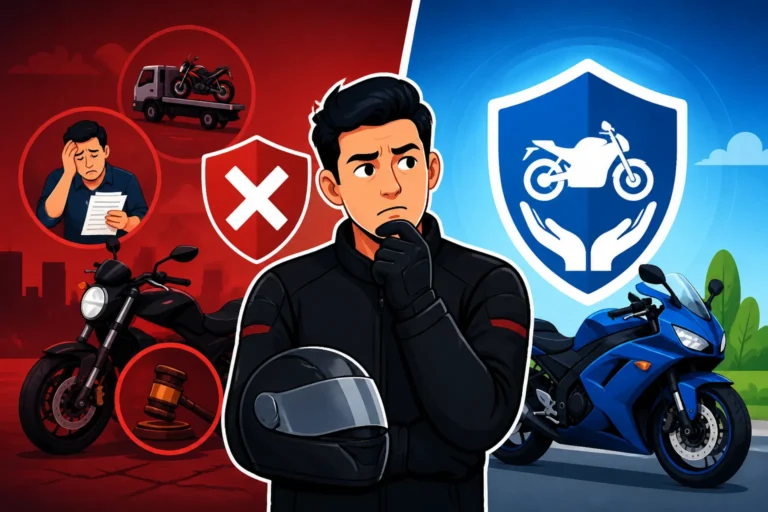
Riding uninsured might seem like a way to save a few bucks upfront, but let me tell you, the potential consequences in Oregon are far, far greater than any perceived savings. The state takes its financial responsibility laws seriously, and the penalties for riding without proper motorcycle insurance can be steep, impacting your wallet, your license, and your ability to ride for years to come.
Penalties and Consequences You Could Face
Getting caught riding without insurance in Oregon can lead to immediate and significant repercussions. It's not just a slap on the wrist; it's a serious offense with lasting consequences.
Here's a breakdown of what you could face:
- Fines: Expect substantial fines, which can easily be hundreds of dollars for a first offense. These fines are often non-negotiable and are meant to deter uninsured driving.
- License Suspension: Your driving privileges, including your motorcycle endorsement, can be suspended. This isn't just a temporary inconvenience; it means you cannot legally operate any motor vehicle. The duration of the suspension can vary but often starts at a year or more. Trying to ride during a suspension can lead to even more severe charges.
- Vehicle Impoundment: Law enforcement has the authority to impound your motorcycle on the spot if you're caught without insurance. This means towing fees, storage fees, and the hassle of retrieving your bike, all on top of the fines and other penalties. Imagine getting pulled over on a beautiful ride through the Columbia River Gorge and having your bike towed away – it's a sobering thought.
- SR-22 Requirement: After an offense, you'll likely be required to obtain an SR-22 filing for your insurance. An SR-22 is a certificate of financial responsibility that your insurance company files with the state, proving you have the required coverage. It essentially flags you as a "high-risk" driver, and it's almost guaranteed to significantly increase your insurance premiums for several years. You can read more about SR-22 for Motorcycles: When It's Required to understand this in depth.
- Financial Liability: This is perhaps the most devastating consequence. If you cause an accident while uninsured, you are personally responsible for all damages and injuries. This could mean paying out-of-pocket for medical bills, vehicle repairs, lost wages, and pain and suffering for the other parties involved. These costs can quickly run into tens or even hundreds of thousands of dollars, potentially leading to bankruptcy and a lifetime of debt. Your personal assets, like your home or savings, could be at risk. This is a far cry from the relatively low cost of a liability policy. For a broader overview, consider reading What Happens If You Ride Without Insurance?.
The Importance of Proof of Insurance
Having insurance is one thing, but being able to prove you have it is just as crucial. In Oregon, you need to carry proof of insurance with you whenever you're riding your motorcycle. This isn't just for traffic stops; it's essential after an accident or even during routine registration processes.
Here's what you need to know about proof of insurance:
- Physical or Digital Proof: Most insurance companies provide both a physical insurance card and offer digital proof of insurance through their mobile apps. Oregon law generally accepts digital proof displayed on your smartphone. While convenient, make sure your phone is charged and accessible. Losing access to your phone or having a dead battery at an inopportune moment means you can't provide proof.
- Traffic Stops: If a police officer pulls you over for any reason, one of the first things they'll ask for is your driver's license, registration, and proof of insurance. Failing to provide proof on demand can result in a citation, even if you actually have valid insurance. It's a hassle you want to avoid.
- After an Accident: In the unfortunate event of an accident, exchanging insurance information with the other party is critical. Having your proof of insurance readily available ensures a smoother process and prevents further legal complications.
- Registration and Renewal: When you register your motorcycle or renew its registration with the Oregon Department of Motor Vehicles (DMV), you'll often need to certify that you have valid insurance. The DMV can cross-reference this information with insurance companies, so don't try to fudge the details. For more information on what to carry, check out Proof of Insurance & Registration for Motorcycles.
Having your proof of insurance ready at all times is not just a legal requirement; it’s a smart habit for any responsible rider.
Getting the Right Motorcycle Insurance in Oregon
Navigating the world of motorcycle insurance can feel a bit overwhelming, but understanding your options beyond the basic minimums is key to truly protecting yourself, your bike, and your financial future. Oregon's riding landscape, from the coastal highways to the winding mountain roads, presents unique risks and rewards, making comprehensive coverage a smart choice for many riders.
Understanding Your Coverage Options Beyond the Minimum
While Oregon mandates liability coverage, smart riders often choose to add additional types of coverage to their policy. These extra layers of protection can make a huge difference if something unexpected happens.
Here are some common additional coverages to consider:
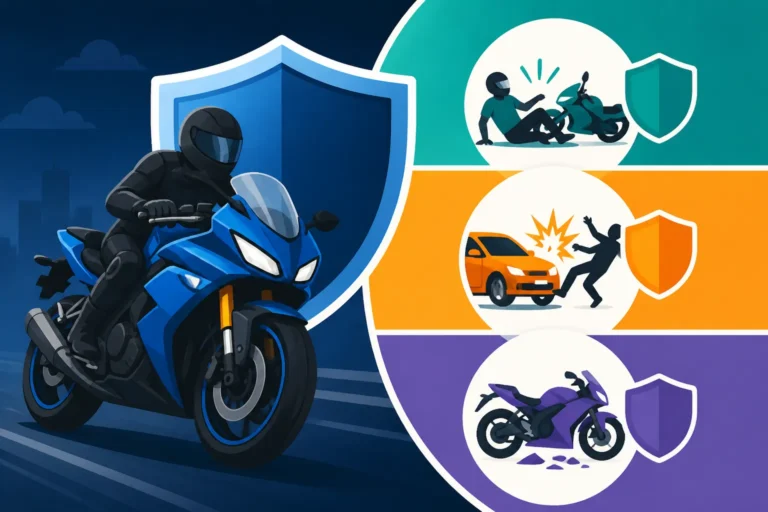
- Collision Coverage: This coverage pays for damages to your motorcycle if you're involved in an accident with another vehicle or object, regardless of who is at fault. If you hit a deer on a backroad near Bend or lay your bike down trying to avoid a poth in Portland, collision coverage would help repair or replace your motorcycle, minus your deductible. This is crucial if your bike is newer, financed, or simply something you can't afford to replace out-of-pocket.
- Comprehensive Coverage: This is your protection against non-collision incidents. Think theft, vandalism, fire, natural disasters (like hail or falling trees), or hitting an animal (like one of Oregon's many deer). If your bike is stolen from your garage in Eugene or damaged in a storm while parked overnight, comprehensive coverage steps in. For many riders, especially those with custom bikes or who live in areas with higher theft rates, comprehensive coverage is a no-brainer. Curious about what this entails? See What Is Comprehensive Motorcycle Insurance?.
- Uninsured/Underinsured Motorist (UM/UIM) Coverage: This is incredibly important. Despite mandatory insurance laws, far too many drivers on the road are uninsured or carry only the minimum coverage, which is often insufficient. UM/UIM protects you if you're hit by a driver who either has no insurance or not enough insurance to cover your injuries and damages. Given the number of uninsured motorists out there, this coverage is a lifesaver and a smart investment for any rider. Oregon's minimum UM/UIM limits are typically $25,000 per person and $50,000 per accident for bodily injury, and $10,000 for property damage.
- Medical Payments (MedPay): MedPay helps cover medical expenses for you and any passengers on your motorcycle, regardless of who caused the accident. This can be critical for immediate medical attention after a crash, even before fault is determined or other insurance kicks in. Given the nature of motorcycle accidents, medical bills can stack up incredibly fast, so MedPay provides an important safety net.
- Accessories and Custom Parts Coverage: If you've invested in aftermarket exhaust, custom paint, saddlebags, or any other modifications, standard policies might not cover their full value. This add-on coverage specifically protects those valuable extras, ensuring your unique ride is fully insured. Companies like Progressive Motorcycle Insurance Review and Dairyland Motorcycle Insurance Review often offer robust options for custom parts.
- Roadside Assistance and Towing: Breaking down far from home or needing a tow after an accident can be a huge headache and expensive. This coverage can reimburse you for towing services, battery jump-starts, flat tire assistance, and fuel delivery.
Choosing the right mix of coverage comes down to your individual needs, your budget, the value of your motorcycle, and your comfort with risk. Don't just settle for the minimum; think about what truly protects your passion for riding.
Factors Affecting Your Oregon Motorcycle Insurance Rates
The cost of motorcycle insurance isn't one-size-fits-all, and many variables come into play when an insurer calculates your premium in Oregon. Understanding these factors can help you find ways to save money without compromising essential coverage.
Here are some of the primary influences on your rates:
- Your Riding History: A clean driving record with no accidents or traffic violations is your best friend when it comes to insurance rates. Speeding tickets or at-fault accidents will almost certainly drive up your premiums.
- Your Age and Experience: Younger, less experienced riders, especially those under 25, typically face higher rates due to perceived higher risk. As you gain more experience and age gracefully, your rates tend to decrease.
- Type of Motorcycle: The bike you ride plays a huge role. High-performance sport bikes, with their higher theft rates and greater potential for serious accidents, are generally more expensive to insure than cruisers or touring bikes. A Harley-Davidson, for example, might have different rates than a Yamaha R6.
- Location: Where you live and store your motorcycle in Oregon matters. Rates might be higher in densely populated urban areas like Portland or Salem due to increased traffic, theft rates, and accident potential compared to rural parts of the state.
- Annual Mileage: If you only ride your motorcycle seasonally or put very few miles on it each year, some insurers might offer lower rates.
- Discounts: Always ask about available discounts! Many insurers offer discounts for completing a motorcycle safety course (highly recommended for all riders, regardless of experience), being a member of a motorcycle club, bundling your motorcycle policy with your car or home insurance, having anti-theft devices, or maintaining a good student record (for younger riders). Taking a motorcycle safety course is not just about discounts; it genuinely makes you a safer rider.
- Credit Score: In many states, including Oregon, your credit score can influence your insurance rates. A higher credit score often signals greater financial responsibility, which can translate to lower premiums.
Shopping around and comparing quotes from different insurance providers is perhaps the best way to ensure you're getting the most competitive rate for the coverage you need. Don't be afraid to reach out to several companies like Progressive, Geico, or State Farm to see what they can offer.
Key Takeaways for Oregon Riders
Riding in Oregon offers some of the most spectacular scenery and diverse terrain in the country, from the coastal highways to the high desert. But to truly enjoy it without unnecessary stress, understanding and adhering to the state's motorcycle insurance laws is paramount. It’s not just a legal formality; it’s a critical component of responsible motorcycling and financial peace of mind.
Remember, Oregon demands that all motorcyclists carry minimum liability insurance. This isn't an option; it's a requirement to legally operate your bike on public roads. Failing to comply can lead to hefty fines, license suspension, and even the impoundment of your beloved motorcycle. More importantly, riding uninsured leaves you vulnerable to potentially bankrupting financial liability if you're involved in an at-fault accident.
While the state minimums provide a baseline, they rarely offer sufficient protection for the realities of modern medical costs and vehicle repairs. Take the time to consider additional coverages like collision, comprehensive, and uninsured/underinsured motorist protection. These options safeguard your investment, your health, and your future against unforeseen circumstances. Be proactive, compare quotes from different providers, and always look for discounts to ensure you’re getting the best value for your coverage. Safe riding means being smart about your insurance, too.
Oregon Motorcycle Insurance Requirements & Penalties at a Glance
| Requirement Type | Details | Penalties for Non-Compliance |
|---|---|---|
| Insurance Required? | Yes, mandatory financial responsibility law. | Fines, license suspension, vehicle impoundment. |
| Minimum Bodily Injury (per person) | $25,000 | |
| Minimum Bodily Injury (per accident) | $50,000 | |
| Minimum Property Damage | $20,000 | |
| Proof of Insurance | Required at all times (physical card or digital). | Citation for failure to provide, even if insured. |
| SR-22 Requirement | Likely required after an offense for several years. | Increased premiums, continued suspension if not filed. |
| Uninsured Motorist Bodily Injury (per person) | $25,000 (unless waived in writing) | |
| Uninsured Motorist Bodily Injury (per accident) | $50,000 (unless waived in writing) | |
| Uninsured Motorist Property Damage | $10,000 (unless waived in writing) |
Disclaimer
Please note that insurance laws and regulations, including minimum coverage requirements and penalties, can change. While this guide provides information based on current knowledge, it is always best to consult the official Oregon Department of Motor Vehicles (DMV) website or a licensed insurance professional for the most up-to-date and personalized advice regarding your specific motorcycle insurance needs. This content is for informational purposes only and does not constitute legal or financial advice.