Does Motorcycle Insurance Cover a Borrowed Rider?
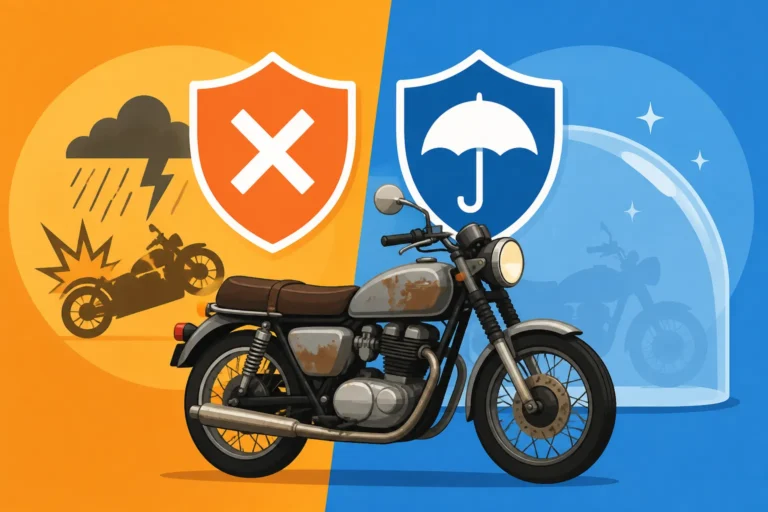
Lending your motorcycle to a friend can feel like a generous gesture of trust, but it often brings a nagging worry: "What happens if they get into an accident? Does my motorcycle insurance even cover them?" This uncertainty is a common source of anxiety for many riders, and for good reason. Understanding whether your policy extends to a "borrowed rider" isn't always straightforward, and getting it wrong could lead to significant financial headaches. This comprehensive guide will break down the intricacies of permissive use in motorcycle insurance, helping you navigate the rules and protect yourself, your bike, and your friends.
Understanding Permissive Use in Motorcycle Insurance
The concept of "permissive use" is one of those insurance terms that sounds simple but hides a lot of complexity, especially when it comes to motorcycles. Essentially, it refers to whether your insurance policy will cover someone else riding your bike with your permission. While car insurance often has broader permissive use clauses, motorcycle insurance can sometimes operate under different rules.
What "Permissive Use" Actually Means for Riders
In the world of insurance, "permissive use" generally means that if you, the policyholder, give someone permission to use your insured vehicle, your insurance policy will likely extend its liability coverage to that person if they cause an accident. For cars, this is a pretty standard expectation. Your buddy borrows your sedan to run an errand, gets into a fender bender, and your liability coverage kicks in to pay for the damages and injuries they caused to others, up to your policy limits.
However, motorcycles are often viewed differently by insurers due to the inherently higher risks involved. The person riding the motorcycle has a much more direct impact on its safety and the likelihood of an accident than a passenger in a car. Because of this, some motorcycle policies might have more specific language or even exclusions regarding who is covered when they're not the named insured. It's not always a given that your policy automatically follows your bike, no matter who's on it. Many factors come into play, from the rider's experience to their licensing status.
Express Versus Implied Permission
When we talk about giving someone permission, there are generally two types: express and implied. Understanding the difference is crucial because insurance companies might interpret them differently.
- Express Permission: This is the clearest form. You explicitly tell your friend, "Yes, you can take my Honda Rebel for a ride this afternoon." There's no ambiguity; you directly granted them permission. If an accident occurs while they're using your bike with this explicit permission, your insurance company is much more likely to consider them a "permissive user" and extend coverage, assuming no other exclusions apply. This direct, verbal (or even written) agreement leaves little room for doubt about your intent. It's the gold standard when lending your bike, though still doesn't guarantee coverage.
- Implied Permission: This is where things get a bit murkier and can lead to trouble. Implied permission means someone reasonably assumes they have your permission based on your past behavior, relationship, or circumstances, even if you didn't explicitly say "yes." For example, if your roommate frequently uses your scooter to get to work without asking, and you've never objected, an insurer might argue there was implied permission. However, proving implied permission after an accident can be a legal battleground. It's much harder to defend than express permission, and some insurers might be more hesitant to cover incidents under implied permission for motorcycles, given the higher risk. Always err on the side of caution and give express permission, and ensure they meet all other policy requirements.
When Your Policy Might Cover a Borrowed Rider
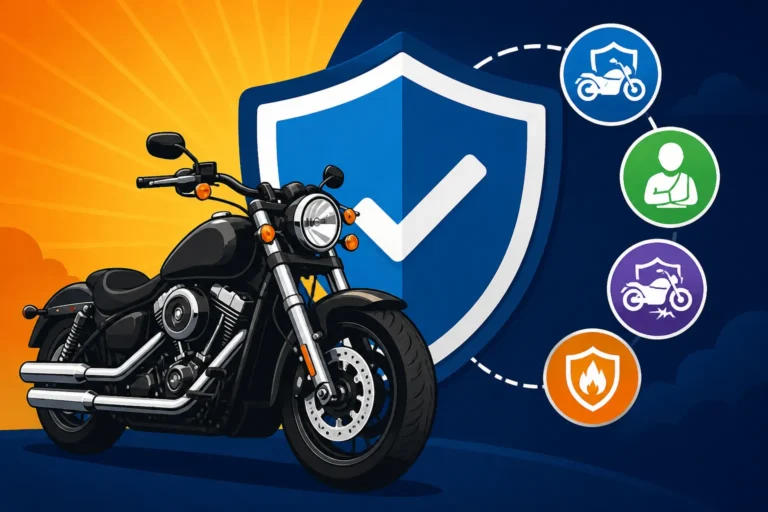
It's not all doom and gloom! Many motorcycle insurance policies do offer some level of protection for authorized riders. The key is knowing what kind of protection and under what circumstances. It mostly comes down to the type of coverage you have and the specific wording of your policy.
Standard Liability Coverage and Borrowed Bikes
If you have a friend borrow your motorcycle and they cause an accident that injures another person or damages another vehicle or property, your liability insurance is typically the first line of defense. This is because liability coverage usually follows the vehicle, not just the policyholder, provided the driver had permission.
Let's say your buddy, who has a valid Motorcycle License, Endorsement & Insurance from their home state, takes your Kawasaki Vulcan for a spin through the city. They misjudge a turn and clip a parked car, scraping the bumper and cracking a taillight. In this scenario, your bodily injury and property damage liability coverage would generally step in to cover the damages to the parked car and any injuries the owner might have sustained (if they were nearby), up to your policy limits. This is the cornerstone of permissive use coverage – protecting you from financial responsibility for the actions of someone you’ve allowed to use your bike. It’s critical to have robust Liability Coverage for Motorcycles Explained because these costs can skyrocket.
However, this is where the nuances of motorcycle insurance vs. car insurance sometimes diverge. Some motorcycle policies might require specific named drivers beyond the policyholder, or they might have stricter clauses about the borrower's driving record or age. Always check your policy or speak with an agent, perhaps through a platform like The Zebra, to understand these specific limitations.
Comprehensive and Collision for the Bike Itself
So, your friend caused an accident. Your liability covers the other guy, but what about your beloved bike? This is where comprehensive and collision coverages come into play.
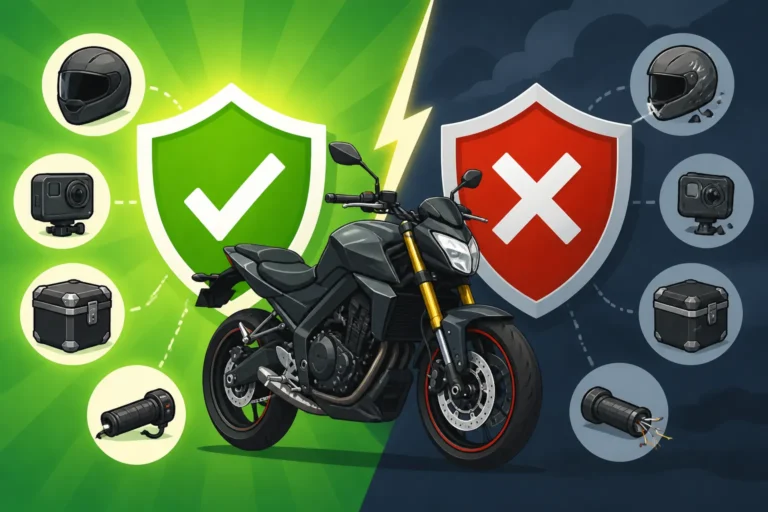
- Collision Coverage: If your friend crashes your motorcycle into another vehicle or object (like a fence or a tree), collision coverage is what pays for the repairs to your motorcycle, minus your deductible. Generally, collision coverage also follows the bike, regardless of who was riding it at the time of the accident, as long as they had your permission. So, if your friend accidentally lays down your Harley-Davidson after hitting a patch of gravel, your collision policy would likely cover the repairs to your bike.
- Comprehensive Coverage: This coverage handles non-collision incidents like theft, vandalism, fire, or hitting an animal. If your friend parks your motorcycle somewhere with your permission, and it gets stolen or vandalized, comprehensive coverage would typically respond. It's less about the "borrowed rider" directly causing the damage and more about external factors. This is a crucial component of What Does Full Coverage Motorcycle Insurance Mean?.
The important thing to remember here is that your policy will be the one paying for these damages, and consequently, your premiums could be affected, even if you weren't the one riding. You'll also be responsible for the deductible. It’s a bit of a tough pill to swallow, but that's how insurance works when you lend out your assets.
Situations Where Coverage Might Be Denied and Why
While permissive use is often a standard feature, there are definite scenarios where your insurer might flat-out deny coverage for a borrowed rider. These situations usually revolve around increased risk, misrepresentation, or specific policy exclusions.
Exclusions and High-Risk Scenarios
Insurance policies are contracts, and they come with a laundry list of what they won't cover. When it comes to borrowed riders, several common exclusions can leave you high and dry:
- Unlicensed Riders: This is a big one. If you lend your motorcycle to someone who does not possess a valid motorcycle license or endorsement in their state, your insurance company will almost certainly deny any claim. Riding without a proper license is illegal, and insurers won't cover illegal activity. Period. It's why confirming your friend has a valid motorcycle license is paramount. This can be a significant penalty, similar to the consequences outlined in Penalties for Riding Without Insurance or What Happens If You Ride Without Insurance?.
- Excluded Household Members: Some policies explicitly exclude certain individuals, especially household members who are not listed on the policy. If you have a family member who lives with you and they have a bad driving record or a history of claims, your insurer might require them to be added or specifically exclude them. If you lend your bike to such an excluded person, there will be no coverage.
- Commercial Use: If your friend uses your motorcycle for commercial purposes (like making deliveries for a side gig) and you only have a personal-use policy, coverage will likely be denied. Personal policies do not extend to business use.
- Intentional Acts or Racing: Insurance policies never cover intentional damage or injuries, nor do they typically cover accidents that occur during racing or other highly risky activities not disclosed to the insurer.
- High-Risk Riders Not Disclosed: If you regularly lend your motorcycle to someone with a history of DUIs, multiple accidents, or other serious infractions, and you haven't disclosed this to your insurer (and potentially paid a higher premium or added them as a named insured), they could deny a claim. The insurer expects you to be upfront about who regularly uses your vehicle and their risk profile, as these factors significantly impact What Affects Your Motorcycle Insurance Rate?.
The Importance of Rider Experience and Licensing
This can't be stressed enough: the person borrowing your motorcycle must be properly licensed and, ideally, experienced. Insurers are acutely aware that motorcycle riding requires specific skills and experience that differ significantly from driving a car.
Imagine you lend your Suzuki GSX-R to a friend who only has a learner's permit but no actual experience on a high-performance bike. If they crash, even if they technically had a permit, an insurer could argue that the risk was unreasonably high and deny coverage, especially if the permit came with restrictions (like no passengers, no night riding, or required supervision) that were violated.
Furthermore, state laws regarding motorcycle licensing vary. Some states require a separate motorcycle endorsement on a driver's license, while others might have a dedicated motorcycle license. Riders need to know the specific Motorcycle Insurance Requirements by State (2026 Guide) and hold the correct credentials. If your friend is riding without the proper license or endorsement for a motorcycle in your state or their own, you're looking at a major problem. Not only could they face fines and legal trouble, but your insurance company could also refuse to pay for damages or injuries. You are entrusting a powerful machine to someone, and with that trust comes the responsibility to ensure they are legally and competently able to operate it.
Best Practices for Lending Your Motorcycle and Borrowing One
Given the complexities, it's always best to be proactive and informed, whether you're lending your bike or asking to borrow a friend's. A little preparation can save a lot of heartache and financial strain later.
Communication Is Key: Before You Hand Over the Keys
Before you even think about handing over your motorcycle keys, have a serious conversation with your friend and, ideally, with your insurance provider.
- Talk to Your Friend:
- Confirm Licensing and Experience: Absolutely verify that they have a current, valid motorcycle license or endorsement. Ask about their riding experience, especially with bikes similar to yours. Don't be shy about it.
- Discuss Your Bike's Quirks: Every bike is different. Does yours have a sensitive throttle, heavy clutch, or unique braking feel? Walk them through any particular handling characteristics.
- Agree on Usage: Where are they going? For how long? Are there any areas you'd prefer they avoid (e.g., highly congested traffic, off-road)?
- What to Do in an Accident: Clearly outline the steps you expect them to take if an accident occurs, including calling you immediately, exchanging information, and contacting emergency services if needed. This knowledge can be critical when they need to How to File a Motorcycle Insurance Claim.
- Talk to Your Insurance Provider: This is the most critical step. Call your insurance agent or company directly and ask them, "If I lend my motorcycle to a friend with a valid motorcycle license, are they covered under my policy?" Be specific about the type of friend (e.g., occasional borrower, not a household member). They can explain your policy's permissive use clause, any limitations, or if specific endorsements are needed. Companies like The Zebra or Progressive offer online tools or agents who can clarify these details. Getting this information upfront is much better than finding out after an accident that you're not covered.
Checking Your Policy and Considering "Named Rider" Endorsements
Don't just assume. Take the time to review your actual policy documents. Look for sections related to "authorized drivers," "permissive use," or "exclusions." The language can be dense, but understanding these sections is vital.
If you frequently lend your motorcycle to the same person (e.g., a sibling, a regular riding buddy), you might consider adding them as a "named rider" to your policy. While this will likely increase your premiums, it provides explicit coverage and peace of mind. Some insurers, such as Dairyland or Markel, are known for their flexibility with custom coverages and might have options for adding specific riders.
It's also a good idea to periodically re-evaluate your coverage needs. Perhaps you initially only opted for minimum liability, but now you're lending your bike more often. Reviewing your Types of Motorcycle Insurance Coverage Explained and ensuring you have sufficient protection, including higher liability limits, comprehensive, and collision, is crucial. Remember, if your policy limits are low, and an accident causes significant damage or injury, you could be personally on the hook for the remainder. This is particularly true in states with Minimum Liability Insurance Explained (The Three Numbers).
Before making any decisions about lending your motorcycle, it’s always wise to shop around and compare options. Resources like The Zebra can help you get quotes from various providers to see how different companies handle permissive use and what adding a named rider might cost.
Navigating the Aftermath: What Happens if a Borrowed Rider Crashes?
Nobody wants to think about it, but knowing the steps to take if a borrowed rider crashes your motorcycle is essential. Being prepared can significantly impact the outcome of an insurance claim.
Immediate Steps After an Accident
If your friend gets into an accident while riding your motorcycle, the immediate steps are largely similar to any other motorcycle accident, but with a critical addition: communication.
- Ensure Safety First: The rider (your friend) should immediately check for injuries, move to a safe location if possible, and call 911 if there are injuries or significant damage.
- Contact Authorities: A police report is vital. Your friend should call the local police to report the accident, even if it seems minor. This report provides an official, third-party account of the incident.
- Exchange Information: Your friend should exchange insurance and contact information with any other parties involved. They should not admit fault.
- Notify You Immediately: Your friend needs to call you as soon as they are safe to do so. You, as the policyholder, are the primary point of contact for the insurance company.
- Gather Evidence: If able, your friend should take photos of the accident scene, vehicle damage, and any relevant road conditions.
- Contact Your Insurance Company: As the policyholder, you will be the one filing the claim. Call your insurer as soon as possible after being notified of the accident. Be honest and provide all the details your friend relayed, including the fact that a borrowed rider was operating the motorcycle. This is when you put your knowledge of How to File a Motorcycle Insurance Claim to use.
The Claim Process and Potential Impacts
Once you file the claim, your insurance company will begin its investigation. They will look into:
- Permission: Did your friend have explicit permission to ride your motorcycle?
- Licensing: Was your friend properly licensed at the time of the accident?
- Policy Exclusions: Were there any exclusions in your policy that would apply to this situation?
- The Accident Details: Who was at fault? What was the extent of the damage and injuries?
If coverage is confirmed, your policy's liability, comprehensive, and/or collision coverages will process the claim as if you were riding. However, this isn't without consequences for you.
- Deductibles: You will be responsible for paying your deductible for any collision or comprehensive claim on your motorcycle.
- Premium Increases: Even if you weren't the one riding, a claim paid out under your policy, especially if it's an at-fault accident, can lead to increased premiums at your next renewal. This is a common factor in Why Is My Motorcycle Insurance So Expensive?.
- Driving Record: While the accident itself won't go on your driving record (unless you were also involved), it will appear on your insurance claims history, which insurers use to assess risk.
In some rare cases, if the borrowed rider has their own motorcycle or even auto insurance, their policy might offer secondary coverage, meaning it could kick in after your policy limits are exhausted. However, this is highly dependent on their specific policy language and is not something to rely on. Your policy is almost always primary.
Alternative Solutions and Considerations
Given the potential risks, it's worth exploring alternatives or specific policy features that can provide more robust protection for borrowed riders.
Adding a Named Rider or Occasional Driver
As mentioned earlier, if you have a specific person who frequently borrows your motorcycle, the most straightforward and secure solution is to add them as a named driver to your policy. This ensures that they are explicitly covered, removing any ambiguity about permissive use. Your insurer will underwrite them, checking their driving record and experience, and adjust your premium accordingly. While this will increase your costs, it's a small price to pay for genuine peace of mind and full coverage. It guarantees your friend is covered without relying on the often vague "permissive use" clauses.
Exploring Ride-Sharing or Short-Term Rental Insurance
If you're thinking about lending your motorcycle through a formal peer-to-peer sharing platform, or if you're borrowing a bike from such a service, traditional personal motorcycle insurance policies rarely cover this. These platforms usually have their own insurance arrangements with the host (you) and the renter (your friend), which might include additional liability and physical damage coverage for the duration of the rental. Always understand the specific insurance policies provided by these platforms, as they can differ significantly. Companies specializing in niche insurance products, sometimes found by comparing options through services like The Zebra, may offer specific solutions for these scenarios.
Motorcycle Insurance & Borrowed Rider Scenarios
Here’s a quick overview of how common scenarios might play out with a borrowed rider and your motorcycle insurance:
| Scenario | Rider's Status | Permission? | Liability Coverage for Others | Comprehensive/Collision for Your Bike | Potential Impact on Your Policy |
|---|---|---|---|---|---|
| Friend with Valid License | Validly licensed, experienced | Yes | Likely Covered | Likely Covered | Possible premium increase, deductible paid |
| Friend with Learner's Permit | Valid learner's permit | Yes | Maybe Covered (check policy, permit restrictions) | Maybe Covered (check policy, permit restrictions) | High risk of denial if restrictions violated |
| Friend without Any License | Unlicensed | Yes | Definitely Denied | Definitely Denied | Severe penalties, personal liability |
| Excluded Household Member | Licensed | Yes | Definitely Denied | Definitely Denied | Severe penalties, personal liability |
| Friend Using for Commercial Work | Licensed | Yes | Likely Denied (personal policy) | Likely Denied (personal policy) | Severe penalties, personal liability |
| Friend Borrows Without Asking | Licensed | No | Likely Denied (no permission) | Likely Denied (no permission) | Criminal charges possible, personal liability |
| You Add Friend as Named Rider | Licensed | Yes | Covered | Covered | Premium increase factored in |
Note: This table provides general guidance. Always consult your specific insurance policy and agent for definitive answers.
The world of motorcycle insurance, especially concerning borrowed riders, is full of potential traps for the unwary. While the spirit of sharing your passion for riding is commendable, the reality of insurance claims can be harsh. Prioritizing clear communication, understanding your policy, and proactively addressing potential coverage gaps are the best ways to protect yourself and your friends. Before that ride, make the call to your insurer, review your documents, and ride safe, whether it's you or a trusted friend on the saddle.
Disclaimer
This article is for general informational purposes only and does not constitute professional advice. Laws, prices and regulations vary by location and change over time. Consult a qualified professional for guidance on your specific situation.