Do You Need Full Coverage on a Paid-Off Motorcycle?
That feeling when you make that final payment on your motorcycle, isn't it just glorious? You’ve got the title in your hand, no more monthly bank statements, just you and the open road. But then a new question inevitably pops up: do you still need full coverage insurance? It’s a common dilemma, and one that often leaves riders scratching their heads, wondering if they can finally cut some costs without exposing themselves to catastrophic financial risk. This guide is going to walk you through all the nuances so you can make an informed decision about your motorcycle insurance now that your bike is truly yours.
Understanding Full Coverage Motorcycle Insurance The Basics
When you first bought your motorcycle, especially if you financed it, the term "full coverage" likely became a familiar phrase. It was probably a non-negotiable part of the deal. But what exactly does that term encompass, and why was it so important in the first place? Let’s peel back the layers and understand the foundations of what this comprehensive package really means for riders.
What "Full Coverage" Truly Means for Riders
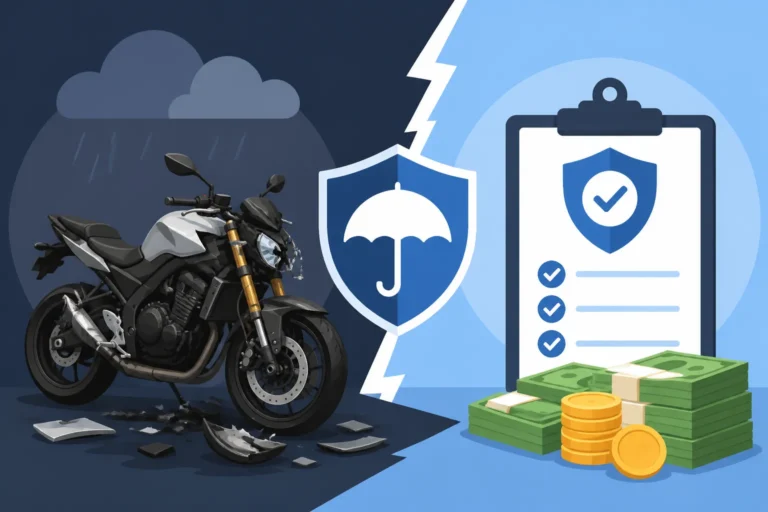
Alright, let's get one thing straight from the start: "full coverage" isn't actually a specific type of policy you can just pick off a menu. It's really a catch-all term that most people use to describe a combination of different coverages. Think of it more as a robust package designed to protect you, your bike, and others on the road from a wide array of potential financial headaches. The core components of what riders typically mean when they say "full coverage" are:
First and foremost, you have Liability Coverage for Motorcycles Explained. This is the bedrock of any policy, and frankly, it's almost always a legal requirement to ride your motorcycle in nearly every state. Liability coverage steps in to cover damages you might cause to other people or their property in an accident where you are at fault. This means if you accidentally clip another car's bumper or cause injuries to another driver, your liability coverage helps pay for their repairs and medical bills, up to your policy limits. Without it, you’d be on the hook for those costs yourself, which can quickly spiral into hundreds of thousands of dollars.
Next up is Collision coverage. This is the part of your policy that helps pay to repair or even replace your own motorcycle if it's damaged in an accident, regardless of who was at fault. So, whether you hit a pothole and lose control, get rear-ended by another driver, or even accidentally lay your bike down in a parking lot, collision coverage is there to pick up the tab (minus your deductible, of course). This is a huge comfort for many riders, especially those with newer or more expensive bikes, knowing that their investment is protected if things go south on the road.
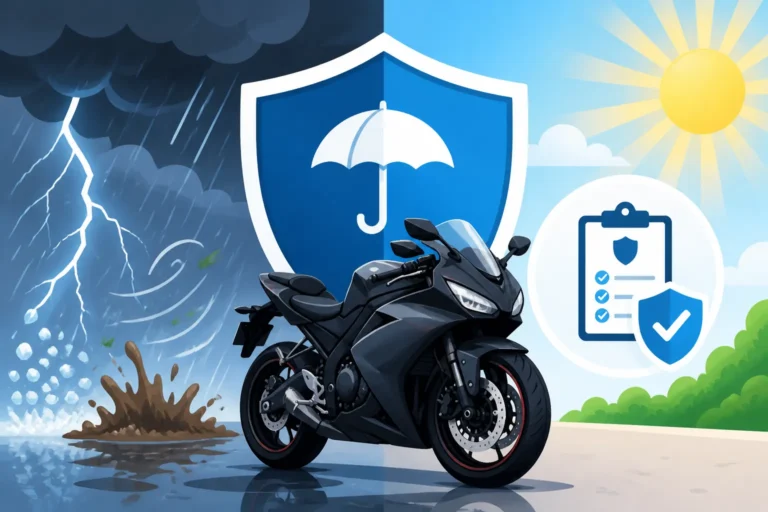
Finally, we have Comprehensive coverage. This one is often the unsung hero, covering a whole host of incidents that aren't collision-related. Think about all those "what if" scenarios that keep you up at night: what if your bike gets stolen? What if a tree falls on it during a storm? What if a deer jumps out in front of you? Comprehensive coverage is designed for just these situations. It covers damage from things like theft, vandalism, fire, natural disasters, and even hitting an animal. Many riders feel a significant sense of relief having comprehensive, especially if they live in an area prone to harsh weather or higher theft rates. When these three — Liability, Collision, and Comprehensive — are bundled together, that's what most of us refer to as "full coverage motorcycle insurance."
Why You Needed Full Coverage When Your Bike Was Financed
Cast your mind back to the days when you were signing all that paperwork at the dealership. Remember how insistent the finance manager was about you getting "full coverage"? Well, it wasn't just because they loved seeing you pay higher premiums. The simple truth is that when you finance a motorcycle, you don't actually own it outright. The lender, whether it's a bank, credit union, or the manufacturer's financing arm, still holds the title and has a significant financial stake in your bike.
From their perspective, your motorcycle is an asset that secures the loan they gave you. If that asset gets stolen, totaled in an accident, or destroyed by some unforeseen event, they want to ensure their investment is protected. That's why virtually every lender will mandate that you carry full coverage. This requirement ensures that if something happens to the bike before you've paid off the loan, the insurance payout will cover the remaining balance. Without this safeguard, the lender would be left with a significant loss, and you'd still owe money on a bike you no longer have or one that's a pile of scrap.
It's similar to how mortgage lenders require homeowners insurance; they need to protect their interest in the property. In the motorcycle world, the specific requirements often involve minimum liability limits, plus both collision and comprehensive coverage. Sometimes, they might even suggest or require Do You Need Gap Insurance on a Motorcycle? to cover the "gap" between what your bike is worth (and what insurance will pay out) and what you still owe on the loan if it's totaled early in the financing period. So, while it felt like a burden at the time, those full coverage mandates were all about protecting the lender's investment and, by extension, ensuring you wouldn't be stuck with a loan for a non-existent or unrideable bike. But now that your motorcycle is paid off, the game changes entirely, and those requirements vanish.
The Big Question: Financial Freedom vs. Risk Exposure
Now that you're free from the shackles of lender requirements, you stand at a crossroads. Do you embrace the financial freedom that comes with potentially lower insurance premiums, or do you continue to protect your beloved machine against every conceivable peril? It's a deeply personal decision, influenced by your wallet, your riding habits, and your comfort with risk.
The Perks of Dropping Full Coverage on a Paid-Off Bike
The most immediate and obvious benefit of shedding full coverage once your bike is paid off is the sweet sound of savings. Let’s be honest, insurance premiums can be a hefty expense, especially if you have a newer, higher-value bike, are a younger rider, or live in a high-risk area. By opting for just the legally required liability coverage, or perhaps a more tailored selection of additional protections, you can significantly reduce your annual or monthly payments. Imagine that extra cash staying in your pocket!
For many riders, those savings aren't trivial. It could mean an extra few hundred dollars a year, which could be put towards new gear, regular maintenance, or even just fueling up for more epic road trips. Perhaps you've been eyeing that new jacket, a better helmet, or some aftermarket accessories for your bike – now that money might be freed up. The psychological relief of seeing a lower premium bill can be immense, reinforcing the feeling of true ownership and financial independence that comes with a paid-off vehicle. It's a clear financial upside, and for some, it's the primary motivation behind considering a change in their coverage. This flexibility is a huge part of the financial freedom you gain.
The Risks You Take By Going Liability-Only
While the thought of saving money is incredibly appealing, it's absolutely critical to understand the substantial risks you take on when you decide to go with just Liability Coverage for Motorcycles Explained on your paid-off motorcycle. This isn't just about minor inconveniences; it's about potentially devastating financial blows that could leave you without a bike and a significant hole in your bank account.
The biggest risk is that if you're involved in an accident that's deemed your fault, your liability coverage will help pay for the other person's damages and injuries, but it will do absolutely nothing for your own motorcycle. That's right – if your beautiful Harley-Davidson Fat Boy or your nimble Honda CBR is mangled in a collision you caused, you will be 100% responsible for the repair costs or the full replacement value of the bike out of your own pocket. There will be no insurance company writing you a check for repairs.
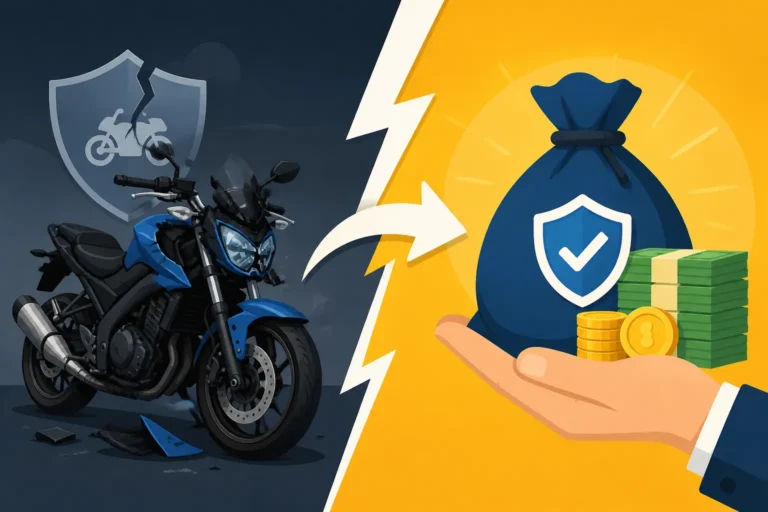
Beyond at-fault accidents, going liability-only means forsaking the protections of comprehensive coverage. This is where things can get truly painful. Imagine waking up one morning to find your garage door pried open and your beloved bike gone. Or perhaps a severe hailstorm rips through your town, leaving dents and shattered fairings. Or, even more common, you hit a deer on a backroad at dusk. In any of these scenarios – theft, vandalism, fire, natural disaster, or animal collisions – without comprehensive coverage, you are completely on your own. The emotional sting of losing your bike is bad enough, but the added financial burden of having to pay for a replacement yourself can be truly crushing. For many riders, the peace of mind that full coverage provides, knowing that these costly possibilities are mitigated, is simply invaluable. It’s a trade-off between immediate savings and protection against unforeseen, potentially catastrophic, financial losses.
Factors to Consider When Deciding Your Coverage
Making the right choice about your motorcycle insurance after it's paid off involves more than just looking at the monthly premium. You need to take a hard look at your motorcycle itself, your personal finances, and even how and where you ride. These interconnected factors will paint a clearer picture of your actual risk and what level of protection truly makes sense for you.
Your Motorcycle's Value and Age
One of the most significant factors in deciding whether to keep full coverage is the current value of your motorcycle. Bikes, like cars, depreciate over time. A brand new sportbike, cruiser, or touring machine will obviously have a much higher replacement value than a 10-year-old model with a few dings. Think about what your bike is actually worth today. If it's an older model that you could comfortably replace with cash if it were totaled or stolen, then perhaps the cost of collision and comprehensive coverage might outweigh the potential payout.
For example, if you're paying $500 a year for comprehensive and collision on a bike that's only worth $3,000, and your deductible is $500, you'd effectively be paying $2,500 over five years just to get $2,500 back in a total loss situation. That math might not make sense for everyone. On the other hand, if you're riding a custom build, a limited edition model, or a relatively new, high-value machine, the investment required to replace it out-of-pocket could be substantial. This is where options like Agreed Value vs Stated Value vs Actual Cash Value come into play, especially for unique or classic bikes, ensuring you get a fair payout that reflects its true worth, not just depreciated market value. Even if your bike is older, if it holds significant sentimental or custom value, that might tip the scales towards keeping comprehensive.
Your Financial Situation and Risk Tolerance
This is perhaps the most personal aspect of the decision. How secure are you financially? Could you comfortably afford to replace your motorcycle if it were stolen tomorrow, or totaled in an accident where you were at fault? If you have a robust emergency fund or significant savings that you wouldn't mind dipping into for a new bike, then your risk tolerance for going liability-only might be higher. You're effectively self-insuring against damage to your own bike.
However, if replacing your motorcycle would put a serious strain on your finances, forcing you to take out a new loan or deplete essential savings, then maintaining collision and comprehensive coverage likely offers invaluable protection. It's not just about having the money; it's about the stress and disruption a sudden, unexpected major expense can cause. For many, the peace of mind that comes with knowing an insurance company will handle the bulk of the financial hit, even if it means paying a higher premium, is worth every penny. Think honestly about your personal comfort level with financial uncertainty; are you someone who sleeps better knowing potential problems are covered, or do you prefer to take a calculated risk to save money? There's no right or wrong answer, but understanding yourself here is key.
Riding Habits and Environment
The way you ride and where you ride play a significant role in your exposure to risk, and therefore, in your insurance needs. If your motorcycle is primarily a weekend pleasure cruiser, meticulously stored in a secure garage, and only taken out for scenic country rides, your risk profile might be lower than someone who commutes daily through heavy city traffic.
Consider the environment you ride in: are you navigating congested urban streets where fender benders are common, or are you primarily on open highways? Do you live in an area known for higher rates of vehicle theft? Cities like Los Angeles, Miami, or even bustling suburban areas can have higher instances of motorcycle theft or vandalism compared to rural communities. If you frequently park your bike on the street or in public lots, its exposure to damage or theft increases. Conversely, if your bike spends most of its time tucked away in a locked garage, perhaps only comprehensive coverage (to protect against theft, fire, or weather damage) might be a smarter, cheaper option than full collision coverage if you rarely take it out. Reflect on your daily routine, your typical routes, and the security measures you have in place for your bike. These practical considerations can heavily influence whether those extra comprehensive and collision coverages are truly worth the ongoing expense.
The Cost of Full Coverage vs. Potential Payout
This is where the rubber meets the road, financially speaking. It's crucial to do a little math to determine if the annual cost of comprehensive and collision coverage is providing you with a worthwhile return on investment, or if you're essentially throwing money away. Start by looking at your current policy's declarations page to see exactly what you're paying for collision and comprehensive separately. Let's say these two coverages cost you an extra $400 per year, and your deductible for each is $500.
Now, consider the current market value of your motorcycle. Websites like Kelley Blue Book or NADAguides can give you a good estimate. If your bike is worth $5,000, and you pay an extra $400 a year for coverage, you'd effectively need to ride for over 12 years ($5,000 / $400) before your premiums alone would equal the bike's value. And even then, if you made a claim, you'd still have to pay your $500 deductible. This doesn't mean it's never worth it; it means you need to weigh the likelihood of needing that coverage against the cost of maintaining it.
Here's a simplified table to help you visualize the trade-off:
| Scenario Type | Bike Value | Annual Full Coverage Premium (Est.) | Annual Liability Only Premium (Est.) | Potential Annual Savings | Out-of-Pocket Loss (Total Loss, Your Fault/Comprehensive Event) |
|---|---|---|---|---|---|
| Newer, High-Value Bike | $15,000 | $1,200 | $300 | $900 | $15,000 (minus deductible if any existing liability payout) |
| Mid-Range Bike (5-7 yrs old) | $7,000 | $800 | $250 | $550 | $7,000 |
| Older, Lower-Value Bike | $3,000 | $500 | $200 | $300 | $3,000 |
| Vintage/Custom Bike (Stated Value) | $20,000 | $1,500 | $350 | $1,150 | $20,000 |
Note: Premiums are estimates and can vary widely based on location, rider history, bike type, and insurer. Out-of-pocket loss assumes no recovery from a third party.
As you can see, for a newer, high-value bike, the potential loss is much greater, making full coverage often a wise choice. But for an older, lower-value bike, the annual savings start to look more appealing relative to the potential loss. Remember, the goal isn't just to save money, but to avoid an even larger financial hit down the road. It’s about finding that balance point where your premium costs feel proportionate to the risk you're transferring to the insurance company.
Exploring Your Coverage Options Beyond "Full"
Just because your bike is paid off doesn't mean your only choices are "full coverage" or "bare-bones liability." There’s a whole spectrum of options in between that can be customized to fit your specific needs and budget. It's about being strategic and picking the pieces that give you the most bang for your buck, ensuring crucial protection without unnecessary expense.
Essential Coverages Even After Paying Off Your Bike
Even after the bank's name is off your title, there are certain motorcycle insurance coverages that are just plain smart to keep, and some are legally required regardless. Don't fall into the trap of thinking no coverage is the best coverage to save money. That can backfire in a major way.
First, Minimum Liability Insurance Explained (The Three Numbers) is non-negotiable in almost every state in the U.S. This coverage protects you from the financial fallout if you cause an accident and injure someone or damage their property. If you cause a crash that totals another car and sends the driver to the hospital, your liability insurance pays for their vehicle repairs and medical bills, up to your policy limits. Without it, you’d be facing potentially ruinous lawsuits and financial responsibility for everything yourself, which could lead to wage garnishments, liens on assets, and massive debt. Riding without liability insurance isn't just illegal; it's an incredibly risky gamble with your entire financial future. For specific state requirements, you might want to look at our guide on Motorcycle Insurance Requirements by State (2026 Guide).
Next, I always recommend riders seriously consider Uninsured & Underinsured Motorist Coverage (UM/UIM). This is a coverage that truly protects you and your passengers. It’s a sad reality, but a significant number of drivers on the road don't carry any insurance at all, or they only carry the absolute minimum state requirements, which are often woefully inadequate. If you're hit by one of these drivers, your UM/UIM coverage will step in to pay for your medical bills, lost wages, and even damage to your motorcycle if they can't. Without it, you might be left to battle a phantom driver in court or foot enormous medical bills yourself, even if the accident wasn't your fault.
Finally, don't overlook Medical Payments (MedPay) coverage. This coverage is incredibly valuable for motorcyclists because, let's face it, we're more exposed than car drivers. MedPay covers your medical expenses, and those of your passengers, regardless of who caused the accident. This can be a real lifesaver for immediate medical needs, ambulance rides, and hospital stays, especially if you have a high-deductible health insurance plan or no health insurance at all. It typically kicks in quickly, helping to cover costs until fault is determined or other insurance pays out. While these coverages might not protect your bike from every ding and dent, they provide crucial protection for your financial well-being and personal health, which are arguably even more important.
Smart Add-Ons for Peace of Mind Without the Full Price Tag
So, you've decided against full collision, but you're still a little uneasy about certain risks? Good news: you don't have to go all or nothing. There are several smart add-on coverages that can provide targeted protection without the higher cost of a full comprehensive and collision package.
One popular option for riders who store their bikes for extended periods, or those with older bikes not worth full collision, is to maintain just comprehensive coverage. If you decide to Do You Need Insurance to Store a Motorcycle? over the winter, or if you simply don't ride much, comprehensive coverage can be a lifesaver. It protects your bike from theft, vandalism, fire, and weather-related damage, even if it's just sitting in your garage. This way, you're not paying for collision coverage that you might rarely use, but you're still protected against common non-accident losses that could be very costly.
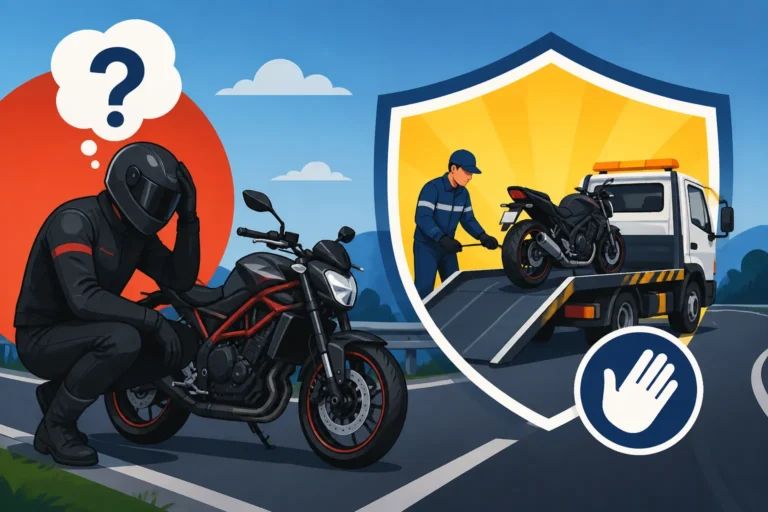
Another invaluable add-on, especially for those who travel a lot, is Roadside Assistance & Towing for Motorcycles. A breakdown far from home can be a nightmare for a motorcyclist. This coverage ensures that if you get a flat tire, run out of gas, or have a mechanical failure, help is just a phone call away, and your bike will be towed to the nearest qualified repair shop. The cost of a tow alone can sometimes justify this small annual premium.
If you've spent a lot of time and money personalizing your ride, then Accessories & Custom Parts Coverage Explained is an absolute must. Standard motorcycle insurance policies typically only cover the factory components of your bike. If you've added custom paint, upgraded exhaust, premium saddlebags, or a fancy infotainment system, you need this specialized coverage to protect those investments. Without it, if your bike is stolen or totaled, you'd only get paid for its stock value, leaving you out of pocket for all those expensive modifications. Providers like Progressive or Dairyland often offer robust options for this.
Finally, for touring riders, Trip Interruption coverage can be a small but mighty addition. If your bike breaks down or is damaged hundreds of miles from home, this coverage can help reimburse you for things like lodging, alternative transportation, and food while your bike is being repaired. It takes the sting out of an unexpected roadside event, turning a potential disaster into a manageable inconvenience. By selectively adding these types of coverages, you can tailor a policy that genuinely meets your risk profile and provides peace of mind without overspending on coverages you may no longer need.
Making the Smart Choice for Your Situation
Navigating the world of motorcycle insurance, especially once your bike is paid off, can feel a bit like a choose-your-own-adventure novel. There are so many paths you could take, and the "best" one is different for every rider. The key is to be proactive, do your homework, and truly understand what you're buying – or choosing not to buy.
How to Evaluate Your Current Policy and Future Needs
The first step in making an informed decision is to thoroughly understand what you currently have. Pull out your existing motorcycle insurance policy’s Declarations Page. This document outlines all your current coverages, limits, deductibles, and premiums. Take the time to really read through it. Identify exactly how much you're paying for liability, collision, and comprehensive coverage individually. Sometimes, these costs are lumped together, but your agent or insurer can break them down for you.
Once you know your current costs, start thinking about your future needs. Has your financial situation changed since you first bought the bike? Are you riding more or less frequently? Have you moved to a new neighborhood with different risk factors? The answers to these questions are critical. Don't be afraid to shop around. Just because you've been with one insurer for years doesn't mean they're still offering you the best deal or the most suitable options. Use online comparison tools – a platform like The Zebra can be incredibly helpful here, allowing you to get multiple quotes from different providers like Geico, Progressive, or Markel with just one input of information. This helps you compare not just prices, but also the specific coverage options each company offers for your unique situation. Talking to an insurance agent, either independently or directly with your current provider, can also provide valuable insights and help you understand the nuances of various policies and discounts, like those for taking a Does a Motorcycle Safety Course Lower Insurance?.
The "What If" Scenarios: Real-World Examples
Let's walk through a few hypothetical situations to solidify how different decisions might play out in real life. These scenarios often help riders visualize the impact of their choices.
Scenario 1: The Experienced Rider with an Older, Lower-Value Bike and Strong Savings.
Meet Sarah, an experienced rider in her 50s. Her Honda Shadow, a reliable cruiser she's owned for 15 years, is paid off and probably worth about $3,500 on the open market. Sarah keeps the bike meticulously maintained and uses it for weekend pleasure rides. She also has a healthy emergency fund. Her full coverage costs her around $600 a year, with a $500 deductible.
Sarah's Decision: After careful consideration, Sarah decides to drop collision coverage but keeps comprehensive and robust liability. She figures that if her bike is totaled in an accident where she's at fault, she could comfortably replace it out-of-pocket for $3,500, a cost she'd likely cover largely herself even with collision after the deductible and potential rate hike. However, she keeps comprehensive because theft is a concern in her area, and it's inexpensive ($100/year). She also maintains high liability and Uninsured & Underinsured Motorist Coverage (UM/UIM) to protect her assets and herself from irresponsible drivers. Her new annual premium is $300, saving her $300 a year.
Scenario 2: The Enthusiast with a Newer, High-Value Cruiser and a Tighter Budget.
Then there's Mark, a 30-year-old rider who recently paid off his 2-year-old Indian Scout, valued at $14,000. He rides almost daily for commuting and recreation. While he's diligent with his payments, his savings aren't extensive. His current full coverage costs him $1,100 a year, with a $1,000 deductible.
Mark's Decision: Mark knows that replacing his Indian Scout out of pocket would be a major financial setback. Even with a $1,000 deductible, his full coverage provides critical protection against a $14,000 loss. While he'd love to save the premium, he realizes the risk is too high given his financial situation and the bike's value. He decides to keep his full coverage but raises his deductibles slightly to $1,500 for a small premium reduction, understanding that he’ll have to cover a bit more himself if he ever files a claim. He also looks into bundling his motorcycle insurance with his car insurance through an insurer like State Farm to see if he can get a multi-policy discount, potentially saving him some money overall without sacrificing critical coverage.
Scenario 3: The Custom Builder Who Values Unique Mods.
Finally, we have Chloe, whose fully customized Triumph Bonneville, while not brand new, has over $8,000 in custom parts and a total stated value of $12,000. She only rides it on weekends but is deeply attached to her unique creation. Her full coverage (including custom parts endorsement) is $950 a year, with a $750 deductible.
Chloe's Decision: Chloe recognizes that the standard "actual cash value" payout on a basic policy would never cover her modifications. She maintains her full coverage, specifically the Accessories & Custom Parts Coverage Explained, because the thought of losing her custom work is devastating. The annual premium, while not insignificant, is a small price to pay for the assurance that if anything happens – theft, an at-fault accident, or even a fire in her garage – her unique investment will be protected. She might explore What Is Agreed Value Motorcycle Insurance? to ensure the payout truly reflects her bike’s one-of-a-kind status.
These examples illustrate that there's no single "right" answer. Your motorcycle's value, your financial security, how often you ride, and your personal comfort with risk are all pieces of the puzzle. Take the time to analyze your own situation, get quotes, and make a decision you'll be comfortable with, both financially and emotionally, down the road.
Disclaimer
Please remember that this article provides general information and guidance regarding motorcycle insurance. Insurance policies and requirements can vary significantly by state, insurer, and individual circumstances. It is always recommended to consult with a licensed insurance professional to discuss your specific needs and obtain personalized advice. The information provided herein is not a substitute for professional legal or financial advice.