Types of Motorcycle Insurance Coverage Explained
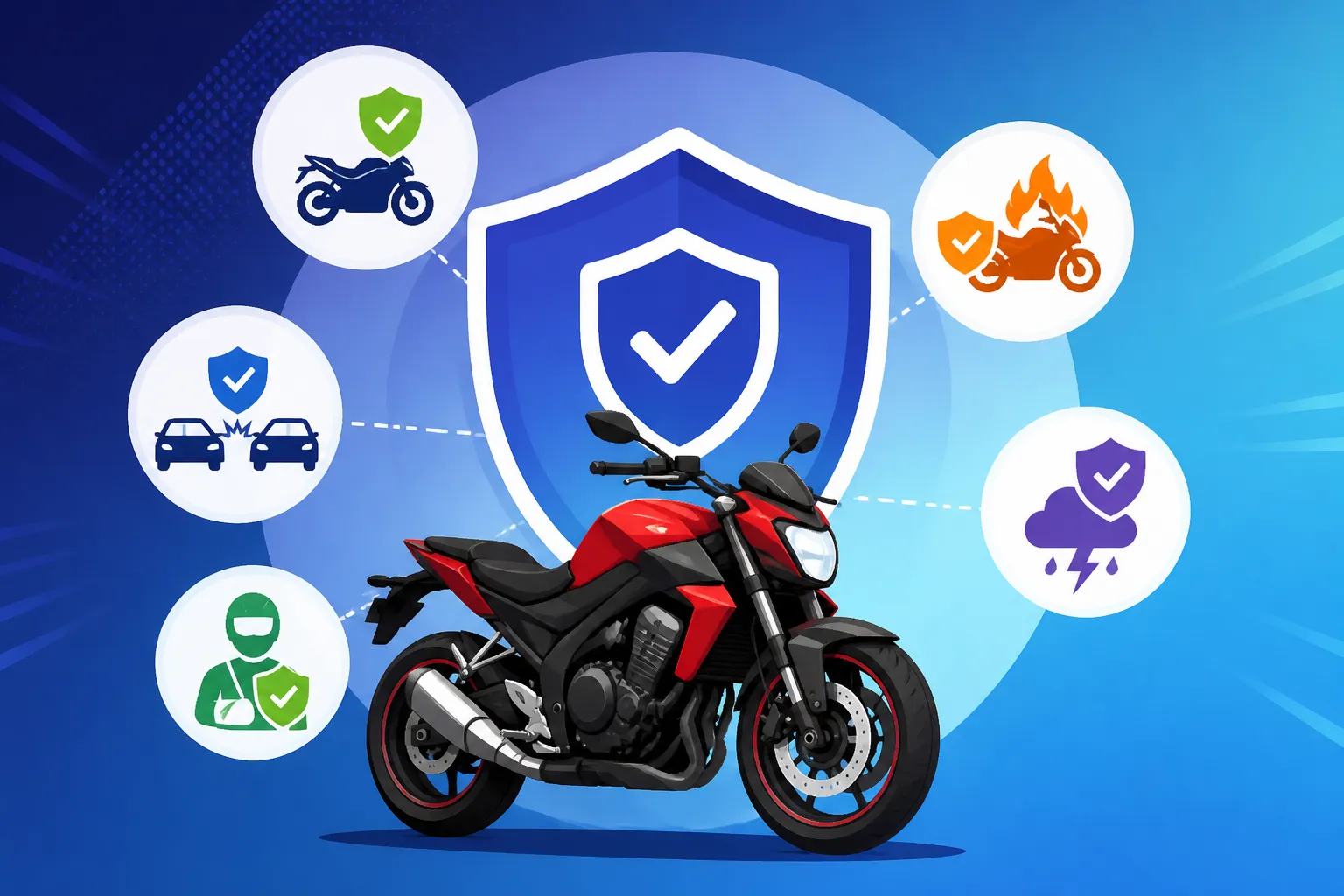
When you first dive into the world of motorcycle insurance, it can feel like a tangled web of jargon and confusing options. You're just trying to protect your ride and yourself, but suddenly you're faced with terms like "bodily injury liability," "uninsured motorist," and "stated value." It's enough to make any rider's head spin! The truth is, knowing what each type of coverage actually does is crucial for peace of mind on the road. This guide is dedicated to breaking down all the various types of motorcycle insurance coverage, explaining them in plain English, and helping you understand what protection truly matters for your specific riding life.
The Foundation: Understanding Liability Coverage
Let's start with the absolute basics: liability coverage. This isn't just a good idea; it's the bare minimum required by law in almost every state. Liability coverage is designed to protect other people and their property if you're found at fault for an accident. It doesn't cover any damage to your motorcycle or your own injuries, which is a common misconception. Think of it as your financial safety net for everyone else involved in a crash you cause.
Bodily Injury Liability
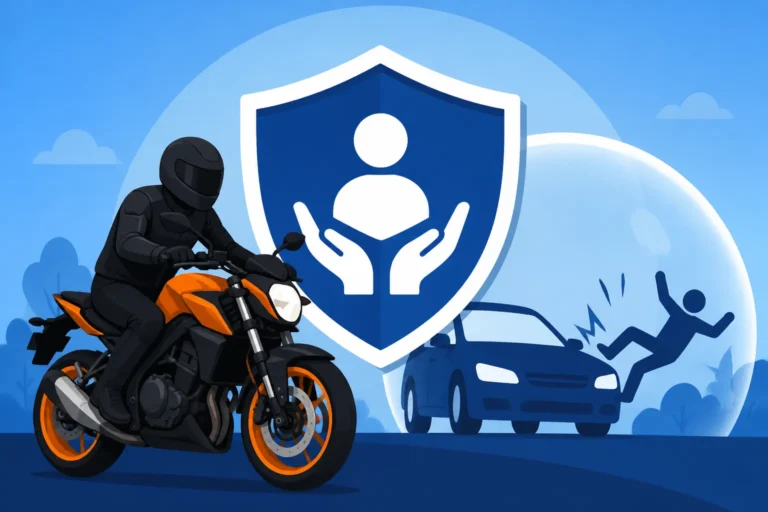
Bodily injury liability is arguably the most critical component of your insurance policy. If you're involved in an accident where you are deemed at fault, this coverage steps in to pay for the medical expenses, lost wages, and pain and suffering of anyone you injure. Without adequate bodily injury liability, you could be personally responsible for these costs, which can quickly climb into the hundreds of thousands, or even millions, of dollars depending on the severity of the injuries.
Imagine you're riding through a busy intersection in Los Angeles, and due to a momentary lapse in judgment, you don't see a car making a legal turn and collide with it. The driver and their passenger sustain significant injuries, requiring emergency medical attention, hospitalization, and a long period of recovery, including physical therapy. Your bodily injury liability coverage would be the one paying for their ambulance rides, hospital bills, ongoing treatments, and any legal fees if they decide to sue for damages. If your coverage limits are too low, say $25,000 per person and $50,000 per accident, and the total medical bills and lost wages for the injured parties come to $150,000, you'd be on the hook for the remaining $100,000 out of your own pocket. This is why understanding your Motorcycle Insurance Minimums: 25/50/25 Meaning is so important and why many riders choose to carry higher limits than the state minimums.
Property Damage Liability
Just like bodily injury liability covers people, property damage liability covers, you guessed it, property. This portion of your policy pays for damage to another person's vehicle or other property if you're responsible for an accident. This could be anything from another car to a fence, a mailbox, or even a building.
Consider a scenario where you're navigating a tight turn on a scenic backroad in Vermont, and your bike slides out from under you, skidding directly into a neighbor's parked classic car, scraping its side and breaking a headlight. Your property damage liability would cover the repairs to that classic car. Or, perhaps you misjudge a parking maneuver and accidentally clip a homeowner's decorative garden wall. Again, this is where property damage liability steps up. The costs of repairing vehicles, especially newer models or luxury cars, can be astronomical. Even seemingly minor fender benders can result in thousands of dollars in repairs. If your policy has a property damage limit of $10,000, but you cause $20,000 worth of damage to someone's new Ford F-150, that extra $10,000 is coming directly from your assets. It’s a vital layer of protection that many riders often overlook when focusing solely on their own bike.
Protecting Your Ride: Collision and Comprehensive Coverage
Now we get to the coverages that actually protect your motorcycle. If you've ever heard someone say they have "full coverage," they're usually referring to a policy that includes both collision and comprehensive, in addition to the required liability. These two types of coverage are crucial for protecting your investment in your bike, whether it's a shiny new Harley-Davidson or a trusty vintage Triumph.
Collision Coverage
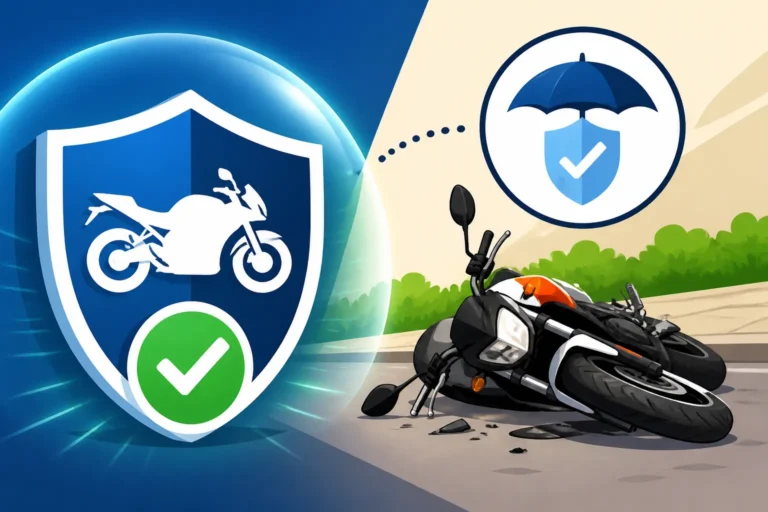
Collision coverage is designed to pay for damage to your motorcycle resulting from a collision with another vehicle or object, regardless of who is at fault. It also covers damage if your bike rolls over. This is the coverage that really kicks in when things go wrong on the road and your bike takes a hit.
Let's say you're riding your beloved Honda CBR down a highway in Florida. The traffic ahead suddenly stops short, and despite your best efforts to brake, you rear-end the car in front of you. While your liability coverage would handle the damage to the car you hit and any injuries to its occupants, your collision coverage is what pays for the repairs to your CBR. This holds true even if you're the one who caused the accident. What if you swerve to avoid a deer, lose control, and hit a guardrail? Collision coverage would be there for the damage to your bike. It also comes into play if you simply lay your bike down, even without another vehicle involved. The repair costs for motorcycles, especially if fairings are cracked, frames are bent, or engines are damaged, can easily reach five figures. Having this coverage means you won't have to bear the full burden of these expensive repairs out of pocket, beyond your deductible. This is why many riders with newer or more valuable bikes find Is Collision Coverage Worth It on a Motorcycle? an easy "yes" decision.
Comprehensive Coverage
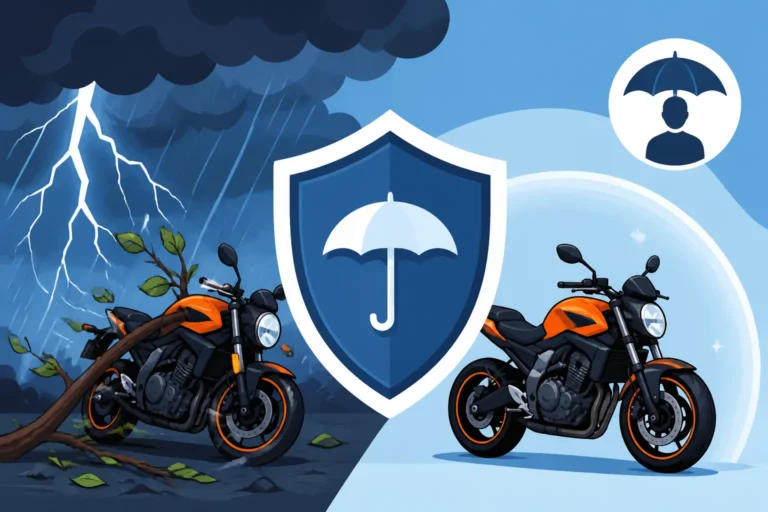
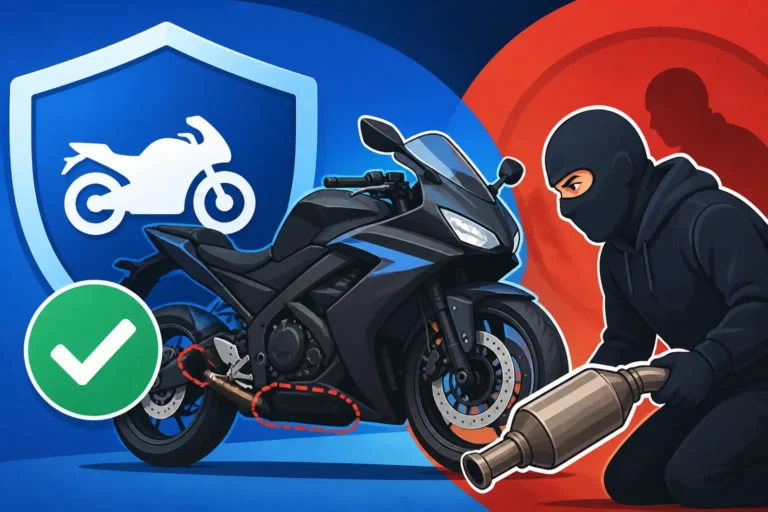
Comprehensive coverage acts as a broad safety net for nearly everything other than a collision with another vehicle or object. Think of it as protection against the unpredictable, non-riding hazards of life. This includes things like theft, vandalism, fire, natural disasters (like floods, hail, or wind), and even hitting an animal.
Imagine you've parked your custom Indian Scout outside a popular café in Austin, Texas. You come back to find someone has tried to hotwire it, damaging the ignition and controls. This isn't a collision; it's vandalism, and your comprehensive coverage would cover the repairs. Or perhaps a severe hailstorm rolls through while your bike is parked outside, leaving dents and dings all over its bodywork. Comprehensive coverage would handle those repairs. It’s also the coverage that comes to the rescue if your motorcycle is stolen from your garage or even if a tree branch falls on it during a storm. Because motorcycles are often targets for theft, this particular coverage can be incredibly important for riders who live in urban areas or have high-value bikes. Without comprehensive coverage, any damage from these events would come directly out of your wallet, potentially leaving you with a costly dilemma.
The Unseen Threats: Uninsured and Underinsured Motorist Coverage
This is where things get a little tricky, but these coverages are absolutely vital in today's world. While almost every state requires some form of motorcycle insurance, the reality is that many drivers and riders are either uninsured or carry only the absolute minimum liability limits. That's where Uninsured Motorist (UM) and Underinsured Motorist (UIM) coverage come in – they protect you when the other guy can't.
Uninsured Motorist (UM) Coverage
Uninsured motorist coverage is designed to protect you and your passengers if you're involved in an accident with an at-fault driver who doesn't have any liability insurance at all. It also often covers hit-and-run incidents where the at-fault driver cannot be identified. Given the alarming number of uninsured drivers on the road, this coverage is a must-have for any responsible rider.
Picture this: you're cruising down a rural highway in Pennsylvania, enjoying the open road. Suddenly, a beat-up pickup truck veers into your lane, clipping your front wheel and sending you sprawling. The truck doesn't stop, and you're left with injuries and a damaged motorcycle. After a police report is filed, it's determined that the driver fled the scene and cannot be identified. This is a classic scenario for UM coverage. It would step in to pay for your medical expenses and, in many states, damage to your motorcycle (Uninsured Motorist Property Damage, or UMPD). Without UM coverage, you'd be stuck paying for your own medical bills and bike repairs, even though the accident wasn't your fault. Some states, like California, have a significant percentage of uninsured drivers, making this coverage an essential safeguard for riders.
Underinsured Motorist (UIM) Coverage
Underinsured motorist coverage is very similar to UM, but it addresses a slightly different problem: when the at-fault driver does have insurance, but their policy limits aren't high enough to cover all your medical expenses and damages. This is a common issue, as many drivers only carry their state's minimum liability coverage, which can be woefully inadequate in a serious motorcycle accident.
Let's say you're involved in a collision with another driver in a state like Texas, and they are clearly at fault. Their basic liability policy only offers $25,000 in bodily injury coverage. However, your injuries from the accident, including a broken leg, extensive road rash, and a concussion, result in $75,000 worth of medical bills and lost income. After their insurance pays out their maximum $25,000, there's still a $50,000 gap. Your underinsured motorist coverage would then kick in to cover that remaining $50,000, up to your policy limits. It’s essentially an extension of your own protection against the financial irresponsibility or limited means of other drivers. While Do You Need Uninsured Motorist Coverage on a Motorcycle? is almost always a resounding yes, UIM is equally critical, especially considering how vulnerable riders are in collisions and the high cost of medical care.
Beyond the Basics: Medical Payments and Personal Injury Protection (PIP)
While liability covers others and UM/UIM covers you from negligent drivers, what about your immediate medical needs, regardless of fault? That's where medical payments (MedPay) and Personal Injury Protection (PIP) come into play. These coverages are designed to provide quick access to funds for medical expenses for you and your passengers, offering an important layer of direct personal protection.
Medical Payments (MedPay) Coverage
Medical Payments, often shortened to MedPay, is a no-fault coverage that pays for medical expenses for you and any passengers on your motorcycle, regardless of who caused the accident. This coverage typically kicks in immediately after an accident and can cover things like ambulance fees, hospital stays, doctor visits, and even funeral expenses. It's often seen as a supplementary coverage to your health insurance.
Imagine you're riding your Suzuki V-Strom in Colorado with a friend on the back. You hit an unexpected patch of gravel on a curve, causing the bike to slide out. Neither of you are seriously injured, but you both need to go to the urgent care clinic for evaluation and treatment for some nasty road rash and minor sprains. Because there's no other vehicle involved and no one else is at fault, your MedPay coverage would promptly pay for the immediate medical bills for both you and your passenger, up to your chosen limit. This can be incredibly helpful for covering deductibles or co-pays on your primary health insurance, or even as primary coverage if you don't have health insurance. It provides quick access to funds for medical care without waiting for fault to be determined, which can often be a lengthy process. Many riders value Is Medical Payments Coverage Worth It on a Motorcycle? for this rapid response in times of need.
Personal Injury Protection (PIP)
Personal Injury Protection (PIP) is a more comprehensive form of no-fault medical coverage, typically found in states with "no-fault" insurance laws like Florida or Michigan. Like MedPay, it covers your and your passengers' medical expenses regardless of who caused the accident. However, PIP often extends beyond just medical bills to include other financial losses such as lost wages due to injury, rehabilitation costs, and even essential services you can no longer perform (like childcare or household chores).
Consider a scenario in a no-fault state like Michigan. You're riding your Triumph Bonneville, and another driver runs a stop sign, causing a collision. Despite the other driver being at fault, your PIP coverage would be the primary source for your immediate medical treatment, including ambulance, emergency room care, and follow-up physical therapy. But crucially, if your injuries prevent you from working for several weeks, your PIP coverage could also reimburse you for a percentage of your lost income. This is a significant difference from MedPay, which typically only covers direct medical costs. PIP is designed to get you back on your feet financially as well as physically, minimizing the economic disruption that an accident can cause. While Motorcycle Insurance Requirements by State (2026 Guide) can vary wildly, if you're in a no-fault state, understanding the specifics of your PIP coverage is non-negotiable.
Adding Value: Custom Parts, Accessories, and OEM Coverage
For many riders, a motorcycle is more than just a means of transport; it's a canvas for personalization. From aftermarket exhaust systems and custom paint jobs to upgraded suspension and navigation units, riders invest heavily in making their bikes unique. Standard insurance policies often have very limited coverage for these modifications, which is why specialized endorsements for custom parts, accessories, and OEM parts are so important.
Custom Parts and Accessories Coverage
Standard motorcycle insurance policies usually include a small amount of coverage for factory-installed parts. However, if you've spent thousands of dollars upgrading your bike with custom seats, chrome, performance parts, saddlebags, or a fancy sound system, that standard coverage won't even scratch the surface of their value. Custom parts and accessories coverage is an add-on that protects your investments in these modifications.
Imagine your custom Harley-Davidson Road King, fitted with a high-performance exhaust, custom handlebars, upgraded saddlebags, and a meticulously detailed paint job, is involved in a collision. Without this specific coverage, your insurer might only pay for the stock value of the damaged parts, leaving you to cover the significant difference for your personalized components. With custom parts and accessories coverage, your policy would pay for the repair or replacement of those specific upgrades, up to your chosen limit. It’s crucial to document all your modifications, including receipts and photographs, to ensure a smooth claim process. Many riders pour their heart and soul into their bikes, and this coverage ensures that investment is protected. Brands like Dairyland and Markel are known for offering robust custom parts coverage, understanding the unique needs of personalized bikes.
Original Equipment Manufacturer (OEM) Parts Coverage
When your motorcycle needs repairs after an accident, many standard insurance policies might opt for aftermarket or used parts to keep costs down. While these parts might be functional, they might not always match the quality, fit, or finish of the original manufacturer parts. Original Equipment Manufacturer (OEM) parts coverage is an endorsement that ensures your bike is repaired using brand-new parts straight from the manufacturer, if available.
Think about a scenario where your Kawasaki Ninja suffers damage to its fairings, exhaust, and suspension in an accident. Without OEM parts coverage, the repair shop, under instruction from your insurer, might use cheaper, non-OEM parts for the repairs. While functional, these parts might not integrate as seamlessly, look exactly the same, or even perform to the same specifications as the original Kawasaki parts. With OEM coverage, you have the peace of mind that your bike will be restored using parts identical to those it had when it rolled off the assembly line. This is particularly valuable for newer bikes, high-performance models, or riders who simply want their motorcycle maintained to its original factory standards. This coverage preserves the integrity and often the resale value of your bike, especially if you're meticulous about its upkeep.
The "What Ifs": Roadside, Trip Interruption, and Rental Reimbursement
Sometimes, it's the little things that can make a big difference, especially when you're out on the open road. These optional coverages might not directly pay for crash damage or medical bills, but they offer invaluable assistance and peace of mind when unexpected situations arise, saving you from significant inconvenience and out-of-pocket expenses.
Roadside Assistance and Towing
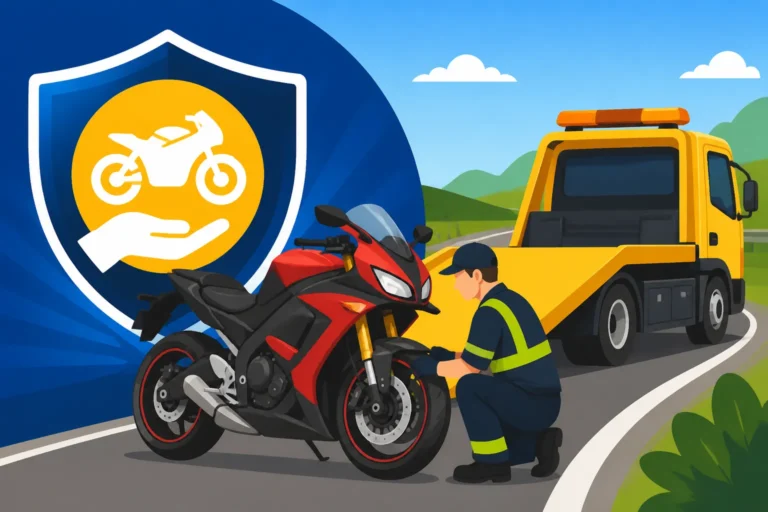
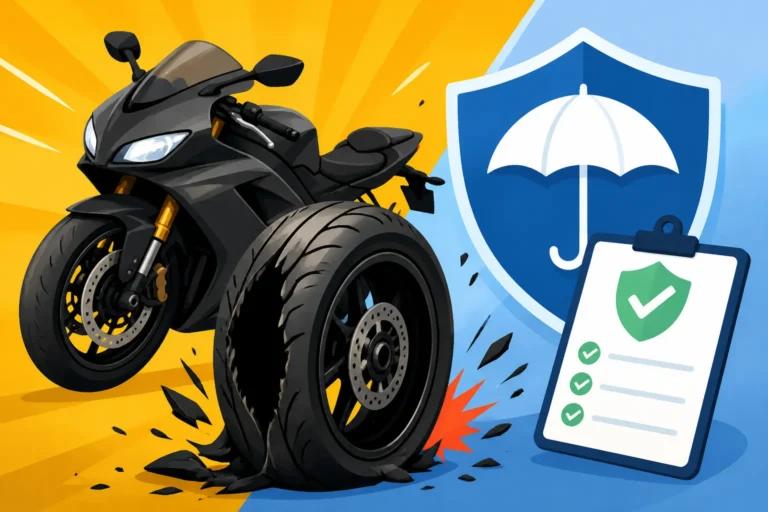
Breaking down on the side of the road is never fun, but on a motorcycle, it can be particularly inconvenient and even dangerous. Roadside assistance and towing coverage is an affordable add-on that provides services like towing, flat tire repair, battery jump-starts, and fuel delivery when you're stranded.
Imagine you're on a long-distance tour on your BMW GS across the country, somewhere in the vast plains of Nebraska, and your tire picks up a nail, leaving you with a flat. Trying to fix a flat on the side of a busy highway, especially with tools you might not carry, can be stressful and unsafe. With roadside assistance, a simple phone call can dispatch help to repair or tow your bike to the nearest qualified repair shop. This coverage is not just for breakdowns; it can also be invaluable if you run out of gas in a remote area or have a mechanical issue far from home. Many policies will tow your bike up to a certain distance, or even to a specific mechanic of your choosing, saving you potentially hundreds of dollars in towing fees that would otherwise come directly out of your pocket. For any rider who ventures beyond city limits, Roadside Assistance & Towing for Motorcycles is a practical and highly recommended add-on.
Trip Interruption Coverage
For riders who love to embark on long-distance tours or cross-country adventures, trip interruption coverage can be a literal lifesaver. This coverage provides reimbursement for lodging, food, and alternative transportation expenses if your motorcycle breaks down or is damaged in an accident while you're far from home.
Let's say you're on a dream ride from Seattle down to San Diego on your Yamaha Star Venture. You're deep in Northern California when a mechanical failure leaves your bike incapacitated and needing extensive repairs that will take several days. With trip interruption coverage, your policy would help cover the cost of a hotel room, meals, and even alternative transportation (like a rental car or bus ticket) while you wait for your bike to be fixed or arrange for it to be shipped home. This can prevent a potentially amazing trip from turning into a financial nightmare. It's designed to minimize the out-of-pocket expenses associated with being stranded and keep your travel plans from being completely derailed.
Rental Reimbursement
Sometimes, after an accident or a significant mechanical issue, your motorcycle might be in the shop for an extended period. If your bike is your primary mode of transportation, being without it can severely disrupt your daily life. Rental reimbursement coverage helps by paying for a rental vehicle while your motorcycle is being repaired or replaced.
Consider this: you drop your scooter in a parking lot, cracking the fairing and damaging the fork. The parts are back-ordered, and your bike will be in the shop for three weeks. If you rely on your scooter to get to work or run errands, those three weeks without transport would be incredibly inconvenient and expensive if you had to pay for taxis or ride-shares. With rental reimbursement coverage, your insurance would cover the cost of a rental car (or sometimes even a replacement motorcycle, if available and within your policy limits) for that period. This ensures you can maintain your daily routine with minimal disruption, even when your beloved bike is temporarily out of commission. It’s an incredibly practical coverage option that minimizes the hassle and cost of being without your motorcycle.
Special Situations: Gap, Agreed Value, and Lay-Up Coverage
Beyond the standard protections, there are specific types of motorcycle insurance coverage designed for unique situations, from protecting your investment in a financed bike to ensuring your custom build is valued correctly, or even covering your bike during its off-season hibernation. These options cater to specific rider needs and can offer significant financial safeguards.
Gap Insurance
Gap insurance is a crucial add-on for anyone who finances their motorcycle. It covers the "gap" between the actual cash value (ACV) of your motorcycle and the amount you still owe on your loan if your bike is totaled or stolen. Depreciation can be brutal, and a standard comprehensive or collision payout might not be enough to satisfy your loan.
Imagine you bought a brand new Kawasaki Ninja 400 for $7,500 and financed the full amount. Six months later, it's unfortunately totaled in an accident. Due to depreciation, your insurance company determines its actual cash value (ACV) is now only $6,000. However, you still owe $7,000 on your loan. Without gap insurance, you'd receive $6,000 from your insurer, but still owe the bank $1,000 for a bike you no longer have. Gap insurance would step in to pay that remaining $1,000, ensuring your loan is fully paid off. This prevents you from being upside down on your loan, a common and stressful situation for riders with new or financed bikes. Many major insurers, like Progressive and Geico, offer gap coverage as an endorsement, and it’s a smart choice when you're financing your ride. Knowing What Happens if You Total a Financed Motorcycle? can often involve this frustrating gap, highlights the value of this coverage.
Agreed Value vs. Stated Value
For owners of vintage, classic, or heavily customized motorcycles, determining the true value of their bike for insurance purposes can be complex. Standard policies typically use Actual Cash Value (ACV), which factors in depreciation. However, unique bikes often appreciate or have custom work that far exceeds ACV. This is where "Agreed Value" and "Stated Value" come in, though they function very differently.
-
Agreed Value Coverage: This is the gold standard for unique bikes. With agreed value coverage, you and the insurance company agree on a specific value for your motorcycle before the policy is issued. In the event of a total loss (theft or total damage), the insurer will pay out that exact agreed-upon amount, no questions asked about depreciation. This requires a professional appraisal of your bike, and it’s often used for rare classics, extensively customized builds, or high-end collector bikes where the market value might fluctuate or be hard to ascertain. This gives you complete peace of mind that your investment will be fully honored if the worst happens.
-
Stated Value Coverage: This can sound similar to agreed value, but there's a critical difference. With stated value, you declare a value for your motorcycle, and your premium is typically based on that amount. However, in the event of a total loss, the insurance company will pay either the stated value or the actual cash value (ACV) at the time of the loss, whichever is less. This means you could be paying premiums based on a high stated value, only to receive a much lower payout if your bike depreciates. It's less protective than agreed value and can lead to unpleasant surprises during a claim. For this reason, if you have a truly special motorcycle, it’s always better to opt for Agreed Value vs Stated Value vs Actual Cash Value and choose agreed value if it’s available and within your budget. Many specialized motorcycle insurers cater to these unique needs.
Seasonal Lay-Up and Storage Coverage
For many riders, especially those in colder climates, motorcycle riding is a seasonal activity. Storing your bike for several months out of the year means it's not on the road, but it's still vulnerable to other risks. Seasonal lay-up or storage coverage allows you to reduce your premiums during the off-season while still protecting your bike from non-collision risks.
Let's say you live in New England, and you put your Harley-Davidson Electra Glide into storage from November to April. During this period, your bike isn't being ridden, so you don't need collision or liability coverage. With seasonal lay-up coverage, you can temporarily suspend these portions of your policy, significantly reducing your premium. However, your comprehensive coverage (which protects against theft, fire, vandalism, and natural disasters) remains active. So, if a pipe bursts in your garage and floods your storage area, or if someone breaks in and steals your bike during winter, you'd still be covered. This is a smart way to save money on your premiums without leaving your valuable asset completely unprotected. Do You Need Insurance to Store a Motorcycle? is a question many seasonal riders ask, and the answer is usually yes, with a tailored storage policy.
Putting It All Together: How to Choose the Right Coverage
Navigating all these different types of motorcycle insurance can be daunting, but ultimately, it comes down to understanding your personal needs, your riding habits, and your financial comfort level. It’s not about buying every single coverage available, but rather creating a policy that provides robust protection where you need it most, without overpaying for things you don’t.
Assessing Your Needs and Risks
The first step in choosing the right coverage is to honestly assess your own situation. Consider how often you ride, where you ride, the value of your motorcycle, and your personal financial situation.
- Riding Frequency and Location: Do you ride daily for commuting, or just on weekends? Do you stick to local roads, or do you frequently embark on long-distance tours? A daily commuter in a densely populated urban area, for example, might prioritize higher liability limits and robust UM/UIM coverage due to increased exposure to traffic and potential accidents. Someone who only rides their dirt bike off-road might need specialized Off-Road & Dirt Bike Insurance Requirements instead of standard street coverage. If you take extended trips, trip interruption and roadside assistance become much more valuable.
- Motorcycle Value: How much is your bike worth? Is it a new model, heavily customized, or a vintage classic? For a brand-new, financed sport bike, full coverage including collision, comprehensive, and potentially gap insurance is almost certainly a necessity. For an older, paid-off motorcycle with lower market value, you might consider dropping collision coverage if the annual premium outweighs the potential payout after your deductible.
- Financial Situation: What are your assets? If you cause a serious accident and your liability limits are exhausted, your personal assets (savings, home, future earnings) could be at risk. Carrying higher liability limits, even if not legally required, is a smart move for anyone with significant assets to protect. Also, consider your health insurance situation. If you have a high-deductible health plan, MedPay or PIP can be incredibly helpful for covering immediate out-of-pocket medical costs.
- The Zebra makes it easy to compare various quotes and coverage options side-by-side, helping you tailor a policy that fits your specific risk profile. They can help you visualize how different coverage types impact your overall premium.
Balancing Cost and Protection
Finding the sweet spot between adequate protection and an affordable premium is an ongoing challenge for many riders. While it might be tempting to opt for the cheapest, minimum coverage possible, this often leaves you vulnerable to significant financial risk.
- Deductibles: One way to influence your premium is by adjusting your deductibles. A higher deductible (the amount you pay out of pocket before your insurance kicks in) typically results in a lower premium. However, you need to ensure you can comfortably afford your chosen deductible in the event of a claim. It's a balancing act: save on premiums now, but be prepared to pay more later if something happens.
- Discounts: Don't forget to inquire about all available discounts! Many insurers offer discounts for completing a motorcycle safety course, being a mature rider, having multiple policies (bundling your motorcycle and auto insurance, for example), having an anti-theft device, or being a member of certain riding organizations. Companies like Progressive and Allstate are known for offering a wide range of discounts. Even small discounts can add up, helping you achieve better coverage at a more manageable price.
- Shop Around Regularly: Insurance rates aren't static. They can change based on market conditions, your driving record, and even your credit score. It's a smart practice to compare motorcycle insurance quotes from multiple providers every year or two, or whenever you have a significant life change (like buying a new bike, moving, or getting married). Using a comparison tool like The Zebra allows you to quickly see quotes from various companies, ensuring you're getting the best possible value for your chosen level of protection. Don't be afraid to How to Switch Motorcycle Insurance Companies if another provider offers better coverage for your budget. The goal is to maximize your protection for the most reasonable cost, not just to pick the cheapest option.
| Coverage Type | What It Primarily Covers | Who It Protects | Typical Scenarios |
|---|---|---|---|
| Bodily Injury Liability | Medical costs, lost wages, pain/suffering of others | Other people | You cause an accident, injuring another driver or pedestrian. |
| Property Damage Liability | Damage to other people's property | Other people's property | You hit another vehicle, fence, or building. |
| Collision | Damage to your motorcycle from a collision or rollover | Your motorcycle | You crash into a car, tree, or lay your bike down. |
| Comprehensive | Damage to your motorcycle from non-collision events | Your motorcycle | Theft, vandalism, fire, flood, hail, hitting an animal. |
| Uninsured Motorist (UM) | Your medical costs and bike damage if uninsured driver at fault | You & your passengers | An uninsured driver hits you, or you're involved in a hit-and-run. |
| Underinsured Motorist (UIM) | Your medical costs and bike damage if at-fault driver's limits are too low | You & your passengers | At-fault driver's insurance pays some, but not all, of your damages. |
| Medical Payments (MedPay) | Your medical costs and passenger's, regardless of fault | You & your passengers | Minor injuries from a self-caused accident, or to cover health insurance deductibles. |
| Personal Injury Protection (PIP) | Your medical costs, lost wages, rehab, regardless of fault | You & your passengers | More extensive medical and financial support in no-fault states. |
| Custom Parts & Accessories | Damage/theft of aftermarket modifications | Your customized parts | Your upgraded exhaust, custom paint, or navigation system is damaged or stolen. |
| OEM Parts Coverage | Repairs using new original manufacturer parts | Your motorcycle's original integrity | Your bike is repaired with genuine factory parts after a claim. |
| Roadside Assistance | Towing, jump-starts, fuel delivery, flat tire service | You & your convenience | Your bike breaks down, gets a flat, or runs out of gas. |
| Trip Interruption | Lodging, food, transport if bike breaks down far from home | Your travel plans | Your bike needs major repairs while on a cross-country trip. |
| Rental Reimbursement | Cost of a rental vehicle while your bike is in the shop | Your daily transport | Your bike is being repaired after a covered incident, and you need alternative transport. |
| Gap Insurance | Covers loan balance if totaled bike's ACV is less than owed | Your loan | Your new, financed bike is totaled, and the payout doesn't cover the loan. |
| Agreed Value | Payout of a pre-determined value for total loss | Your unique investment | Your classic or custom bike is totaled; you get the agreed-upon amount. |
| Seasonal Lay-Up/Storage | Comprehensive-only coverage during non-riding months | Your stored motorcycle | Your bike is safe from theft, fire, or vandalism during winter storage. |
Disclaimer
Please remember that insurance policies, laws, and requirements can change. This information is intended for general guidance and informational purposes only, and does not constitute legal or financial advice. Always consult with a licensed insurance professional to discuss your specific needs and to obtain current, accurate information for your policy and state. Review your policy documents carefully to understand your coverage.