What Is Liability Coverage on a Motorcycle?
Riding a motorcycle offers unparalleled freedom, but it also comes with a significant responsibility: ensuring you're properly insured. One of the most misunderstood and crucial aspects of any motorcycle insurance policy is liability coverage. It’s easy to get lost in the jargon, wondering what those mysterious numbers actually mean or if you truly have enough protection. This comprehensive guide will strip away the confusion, breaking down exactly what motorcycle liability coverage is, what it protects, and why it’s absolutely essential for every rider.
What Exactly is Motorcycle Liability Coverage?
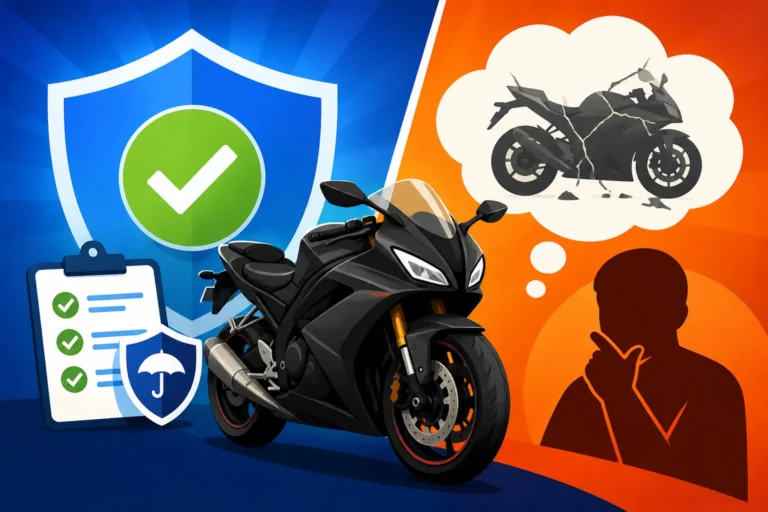
When you’re out on the open road, the last thing anyone wants to think about is an accident. But the reality is, they happen. And if you’re deemed at fault in a collision, the financial consequences can be staggering. That’s where motorcycle liability coverage steps in. It's the foundational piece of your insurance puzzle, designed specifically to protect you from those financial burdens when you cause an accident. Think of it as your safety net for the damage or injuries you inflict on others, not on yourself or your beloved bike.
The Core Concept: Protecting Others
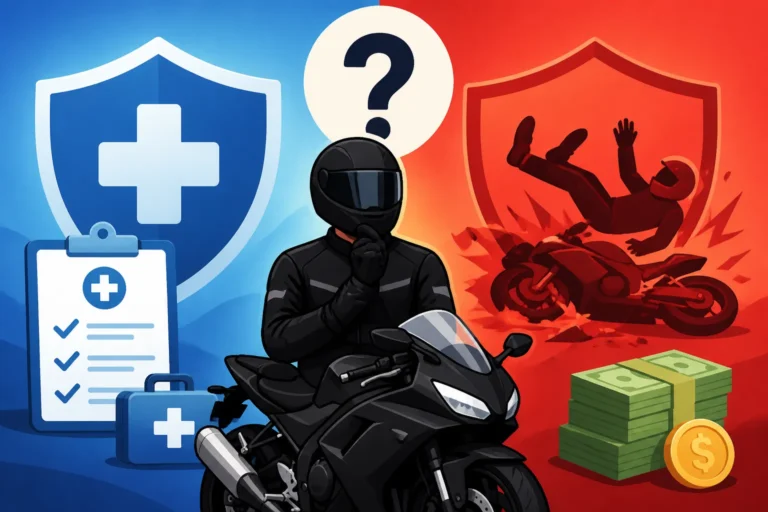
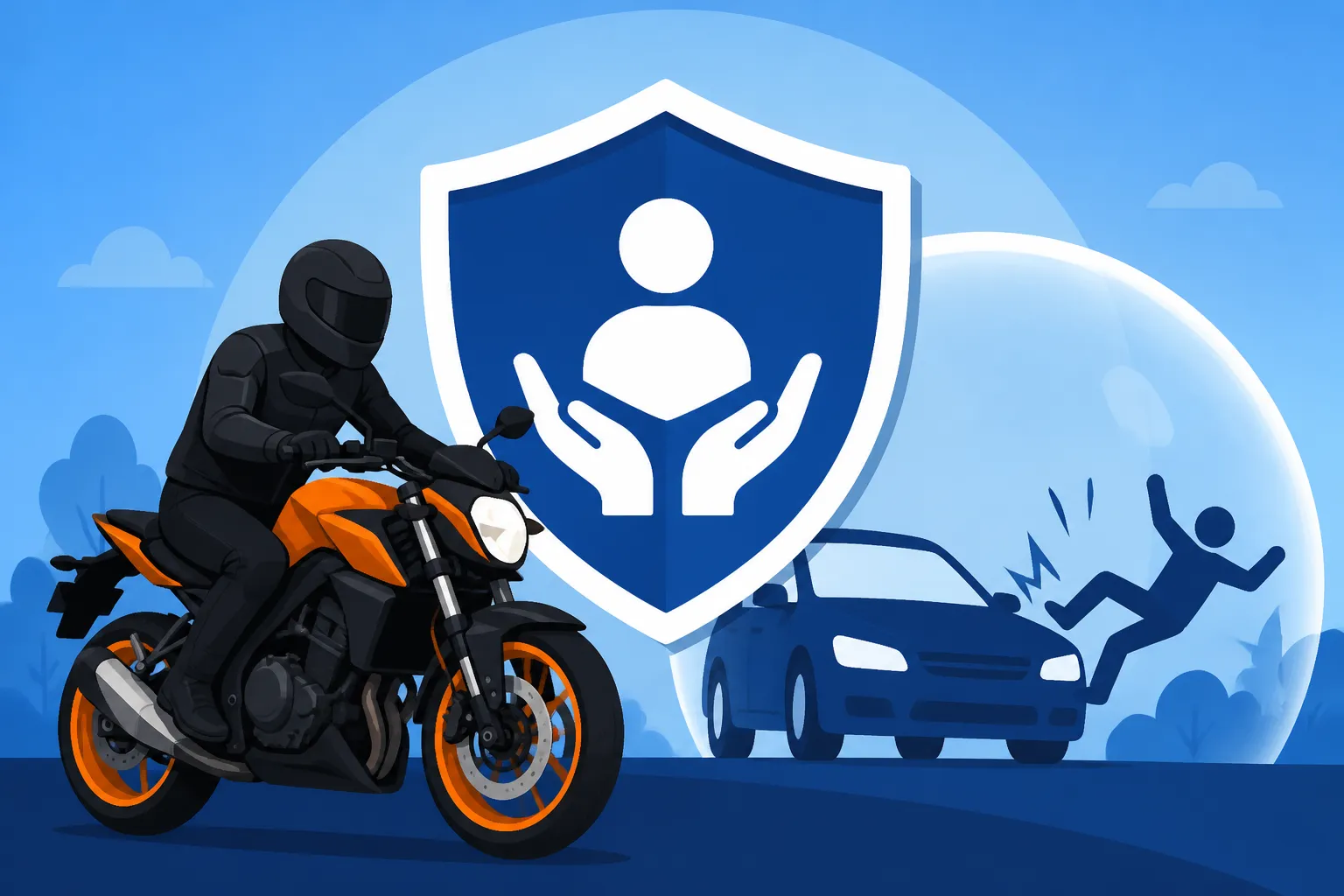
At its heart, liability coverage is all about other people and their property. It doesn't pay for the damage to your motorcycle, nor does it cover your own medical bills if you're injured in an accident you caused. Instead, it kicks in to cover the costs associated with injuries or property damage suffered by third parties – that is, anyone other than you.
For example, imagine you're cruising through the streets of Austin, Texas, and you misjudge a turn, clipping the side of a parked car. Your liability insurance would be responsible for paying for the repairs to that parked car, and if there happened to be someone inside who sustained injuries, it would cover their medical expenses. Without this coverage, you’d be on the hook for every penny, which could easily amount to tens of thousands of dollars, or even more, depending on the severity of the incident. This is why virtually every state mandates some form of liability insurance; it’s about ensuring financial responsibility on the road. Many states, like California or Florida, have strict regulations regarding this, and understanding your local requirements is key to staying legal and protected.
Decoding the Numbers: Bodily Injury and Property Damage Limits
If you've ever looked at an insurance policy or a quote, you've probably seen a series of three numbers, like 25/50/25. These aren't random; they represent your split liability limits for bodily injury and property damage coverage. Understanding what each number signifies is crucial to knowing your level of protection. You can dive deeper into this topic in our article on Motorcycle Insurance Minimums: 25/50/25 Meaning.
Let's break down the common format:
- First Number (e.g., 25): Bodily Injury Liability per Person
This is the maximum amount your insurance company will pay for medical expenses, lost wages, and pain and suffering for one person injured in an accident where you are at fault. So, if your policy is 25/50/25, it means your insurer will pay up to $25,000 for injuries sustained by a single individual. - Second Number (e.g., 50): Bodily Injury Liability per Accident
This is the total maximum amount your insurance company will pay for all bodily injuries in a single accident, regardless of how many people were injured. Even if five people are injured, the policy won't pay out more than $50,000 for all their combined injuries. Each individual payout, however, cannot exceed the "per person" limit. - Third Number (e.g., 25): Property Damage Liability per Accident
This last number represents the maximum amount your insurance company will pay for damage to other people's property in an accident you cause. This includes damage to other vehicles, fences, buildings, guardrails, or any other physical property. In our example, it would cover up to $25,000 in property damage.
For instance, if you have 25/50/25 coverage and cause an accident that injures one person for $30,000 in medical bills and damages a car for $15,000: your policy would pay $25,000 for the injured person (hitting the per-person limit) and $15,000 for the car. You'd still be personally responsible for the remaining $5,000 of the injured person's bills. This scenario highlights why just meeting state minimums, often around these figures, can leave you dangerously exposed.
The Nitty-Gritty: What Your Liability Policy Covers (and Doesn't)
It’s easy to assume "insurance covers everything," but that’s rarely the case, especially with basic liability. Understanding the specifics of what is and isn't included in your liability coverage is paramount to avoiding nasty surprises if an accident occurs. This knowledge empowers you to make informed decisions about whether you need additional coverage types.
Detailed Look at Bodily Injury Liability
When your motorcycle liability policy's bodily injury portion kicks in, it's designed to cover a range of expenses for those you've injured. This can include:
- Medical Expenses: Everything from emergency room visits, ambulance rides, hospital stays, surgeries, physical therapy, and follow-up doctor appointments. If someone breaks a bone or suffers a head injury, these costs can escalate rapidly.
- Lost Wages: If the injured party is unable to work due to their injuries, your liability coverage can compensate them for the income they lose during their recovery period. This could be a few days or, in severe cases, many months.
- Pain and Suffering: This is a more subjective but very real component. It covers the non-economic damages an injured person experiences, such as physical discomfort, emotional distress, and reduced quality of life. Juries and courts often award significant sums for pain and suffering in serious injury cases.
- Legal Fees: Should the injured party decide to sue you, your bodily injury liability also typically covers your legal defense costs, up to your policy limits.
What it does not cover, crucially, is any of your own medical bills or injuries. For that, you would need separate coverages like Medical Payments (MedPay) or Personal Injury Protection (PIP), depending on your state. Learn more about protecting yourself with What Is Medical Payments MedPay for Riders?. It’s a common misconception that if you’re covered for others' injuries, you’re also covered for your own, but with liability, that’s simply not true.
Understanding Property Damage Liability
The property damage portion of your liability coverage is just as vital, covering the physical damages you cause to objects other than your own motorcycle. This typically includes:
- Other Vehicles: The most common scenario is damage to other cars, trucks, or even other motorcycles involved in an accident where you are at fault. This covers repair costs or the actual cash value if the vehicle is totaled.
- Static Property: Imagine losing control and hitting a mailbox, a fence, a utility pole, a building, or even a landscaping feature. Your property damage liability would cover the cost to repair or replace these items. This isn’t limited to just vehicles on the road.
- Damage to Infrastructure: In more severe cases, it could cover damage to road signs, guardrails, or other public infrastructure, which can be surprisingly expensive to repair or replace.
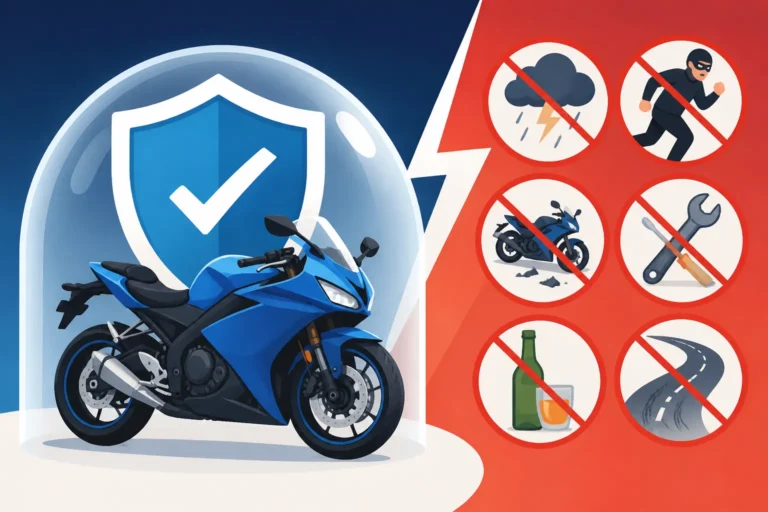
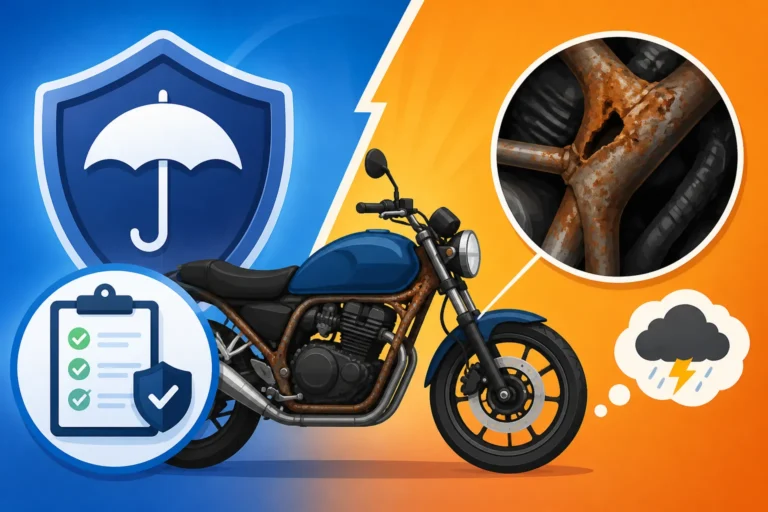
Just like with bodily injury liability, this coverage does not pay for any damage to your own motorcycle. If you want your bike covered, regardless of fault, you'd need collision coverage. If you want it covered for non-collision events like theft, vandalism, or hitting an animal, comprehensive coverage would be necessary. When you're looking for policies, pay close attention to what's included and consider tools like The Zebra to compare different providers like Progressive or Geico to ensure you're getting the right balance of property damage and other coverages.
Who Your Liability Policy Extends To
This is an area that can sometimes cause confusion. Generally, your motorcycle liability policy covers:
- The Policyholder: This is you, the primary insured, when you are operating your insured motorcycle.
- Permissive Users: If you lend your motorcycle to a friend or family member who has your permission to ride it, and they cause an accident, your liability policy typically extends to cover them. This is a huge reason to be incredibly selective about who you let ride your bike, as their actions could impact your insurance record and rates.
- The Insured Motorcycle: The coverage is primarily tied to the specific motorcycle(s) listed on your policy.
It's important to clarify that this doesn't mean your policy covers anyone who rides any motorcycle. The "Does Motorcycle Insurance Follow the Bike or Rider?" question is a common one, and the answer is usually a combination of both, but primarily tied to the policyholder and the insured vehicle. If you buy a new motorcycle, for example, your existing policy might offer a short grace period for it to be covered, but you'll need to officially add it to your policy quickly.
Why State Minimum Liability Limits Aren't Always Enough
It's tempting to opt for the cheapest insurance possible, especially when faced with the cost of motorcycle ownership. After all, if the state says 25/50/25 is enough, why pay for more? However, state minimums are often just that – the absolute bare minimum to legally be on the road. They are not designed to fully protect your financial future, and relying solely on them can leave you terribly exposed.
The Gap Between Minimums and Real-World Costs
Let’s be brutally honest: medical expenses and vehicle repair costs in the United States are astronomical. That $25,000 per person bodily injury limit that many states require can be exhausted by a single ambulance ride and a couple of nights in the hospital, let alone surgery or long-term care. A broken leg can easily cost more than that, and a severe injury involving a spinal cord or brain trauma could quickly run into hundreds of thousands, if not millions, of dollars.
Consider a scenario in a busy city like Phoenix, Arizona. You're riding your sport bike, and inadvertently cause an accident involving another vehicle. If the driver of that car suffers a severe whiplash injury requiring extensive physical therapy, and their vehicle is a late-model SUV that needs major bodywork, that $25,000 for bodily injury and $25,000 for property damage could be depleted almost instantly. The gap between what your policy pays and what the actual costs are falls squarely on your shoulders. This financial strain can be incredibly frustrating and crippling, turning a momentary lapse into a long-term financial nightmare. Our Minimum Liability Insurance Explained (The Three Numbers) article goes deeper into how quickly these minimums can be insufficient.
Safeguarding Your Personal Assets
Here’s the part that often catches people off guard: if the costs of an accident exceed your liability coverage limits, you are personally responsible for the difference. This isn't just about paying out of pocket for a minor remaining balance. We're talking about potential lawsuits that could target your personal assets.
Imagine owing an additional $100,000 beyond your coverage. The injured party or their insurance company can sue you to recover that money. This could lead to:
- Wage Garnishment: A percentage of your future earnings could be legally taken to satisfy the debt.
- Lien on Property: Your house, land, or other significant assets could have a lien placed against them, preventing you from selling them until the debt is paid.
- Seizure of Savings: Bank accounts, investment portfolios, and other liquid assets could be drained.
This isn't some scare tactic; it's a very real possibility. If you own a home, have significant savings, or a stable income, low liability limits are like leaving your front door wide open. It’s a direct threat to everything you’ve worked hard for. When you’re looking at quotes from companies like Markel or Dairyland, it's always wise to consider bumping up those liability limits to protect your personal financial standing.
The Legal Ramifications of Underinsurance
Beyond the immediate financial hit, being underinsured can lead to significant legal and credit ramifications. A judgment against you can severely impact your credit score, making it difficult to get loans, mortgages, or even certain jobs in the future. In some cases, states may even suspend your driver's license or motorcycle registration until these debts are settled.
Furthermore, failing to meet your state's minimum requirements altogether can result in severe Penalties for Riding Without Insurance, including hefty fines, vehicle impoundment, and license suspension, even if you don't cause an accident. Every state has specific Motorcycle Insurance Requirements by State (2026 Guide), and it's your responsibility to know and meet them. For instance, in states with strong Financial Responsibility Laws for Riders, merely having proof of insurance isn't enough; you must also demonstrate the ability to cover damages up to a certain amount, which is exactly what adequate liability coverage helps you do. You can check out Is Motorcycle Insurance Required? State-by-State to understand your state's specific mandates.
Making Smart Choices: How to Determine Your Ideal Liability Coverage
Okay, so minimum coverage is often inadequate. But how do you figure out how much liability insurance is actually enough for you? It's not a one-size-fits-all answer. It requires a thoughtful assessment of your personal circumstances, riding habits, and financial situation.
Assessing Your Risk Profile and Financial Standing
To pinpoint your ideal liability limits, start by honestly evaluating a few key areas:
- Your Assets: This is perhaps the most important factor. What do you have to lose? If you own a home, have substantial savings, or significant investments, you have more personal assets to protect from a lawsuit. Aim for liability limits that are at least equal to your total net worth. If you have $500,000 in assets, a 25/50/25 policy offers almost no real protection.
- Your Riding Habits: Do you ride daily in heavy city traffic or mostly on quiet rural roads? Do you commute long distances or just take weekend joyrides? More time on the road, especially in congested areas, generally translates to a higher risk of being involved in an accident, thus warranting higher coverage.
- Type of Motorcycle: While liability isn't about your bike, the type of motorcycle can indirectly influence your risk profile. High-performance sport bikes, for instance, are sometimes associated with a higher risk of accidents, which insurers might factor in when assessing overall risk for you.
- Your Driving Record: A clean driving record might give you a false sense of security. While it might help keep your premiums lower, it doesn't reduce the potential cost of an accident you cause.
- Local Traffic Conditions: Are you riding in an area known for aggressive drivers or frequent accidents? Higher exposure means higher potential risk. For example, navigating downtown Los Angeles versus cruising the less-traveled roads of Montana presents very different risk landscapes.
Many financial advisors actually recommend carrying liability limits of at least $100,000 per person and $300,000 per accident for bodily injury, and $100,000 for property damage (often seen as 100/300/100), especially if you have significant assets.
Navigating the Balance: Premiums vs. Protection
It's natural to worry that increasing your liability limits will send your insurance premiums skyrocketing. While it's true that higher limits will cost more, the increase is often not as dramatic as you might think, especially when compared to the potential costs of being underinsured.
For example, jumping from state minimums like 25/50/25 to 100/300/100 might only add a relatively small percentage to your overall premium. This small additional investment provides a massive boost in peace of mind and financial security. It's truly a case where spending a little more upfront can save you hundreds of thousands, if not millions, down the line.
When shopping for insurance, it’s always a good idea to get quotes for several different liability levels. Use online comparison tools like The Zebra, which can show you how different limits impact your premium across various carriers like Progressive, Geico, or Dairyland. You might be surprised at how affordable adequate protection can be. Remember, the goal isn’t necessarily to find the absolute cheapest motorcycle insurance, but the most cost-effective coverage that genuinely protects you.
Regular Review and Adjustment of Your Policy
Your life changes, and so should your insurance policy. What might have been adequate coverage five years ago might be woefully insufficient today. It's a smart practice to review your motorcycle insurance policy annually, or at least every couple of years.
Consider these life events that should trigger a policy review:
- Significant Increase in Net Worth: Bought a house? Received an inheritance? Your assets have grown, and your liability coverage should grow with them.
- Change in Riding Habits: Started commuting daily? Planning a cross-country trip? More time on the road means more exposure.
- Marriage or New Dependents: Your responsibilities change, and the financial impact of a lawsuit could affect your family more directly.
- Newer, More Expensive Motorcycle: While liability doesn't cover your bike, acquiring a higher-value bike might prompt you to re-evaluate your overall financial risk.
- Changes in State Laws: Insurance requirements can change, so always stay informed about the latest Motorcycle Insurance Requirements by State (2026 Guide).
Regularly checking in with your insurance provider or using comparison websites to get fresh quotes will ensure your liability coverage remains appropriate for your current situation. This proactive approach helps guarantee that if the unthinkable happens, you're not left financially vulnerable. Our guide on What Affects Your Motorcycle Insurance Rate? can offer more insights into factors that influence your premiums and how to manage them.
| Liability Coverage Type | Minimum Limit (Example) | Recommended Limit (Example) | What it Covers for Others | What it Does NOT Cover | Potential Risk if Underinsured |
|---|---|---|---|---|---|
| Bodily Injury per Person | $25,000 | $100,000+ | Medical bills, lost wages, pain/suffering for one injured party | Your own injuries | Personal assets targeted for excess medical costs |
| Bodily Injury per Accident | $50,000 | $300,000+ | Total medical bills, lost wages, pain/suffering for all injured parties | Your own injuries | Personal assets targeted for total medical costs |
| Property Damage per Accident | $25,000 | $100,000+ | Repairs or replacement of other vehicles, property (fences, etc.) | Damage to your own motorcycle | Personal assets targeted for excess property damage |
Disclaimer
The information provided in this article is for general informational purposes only and does not constitute financial, legal, or insurance advice. While we strive to keep the information up-to-date and correct, we make no representations or warranties of any kind, express or implied, about the completeness, accuracy, reliability, suitability, or availability with respect to the website or the information, products, services, or related graphics contained on the website for any purpose. Any reliance you place on such information is therefore strictly at your own risk. Always consult with a qualified insurance professional to discuss your specific needs and to obtain current and accurate information for your situation.