Does Comprehensive Cover a Motorcycle Knocked Over While Parked?
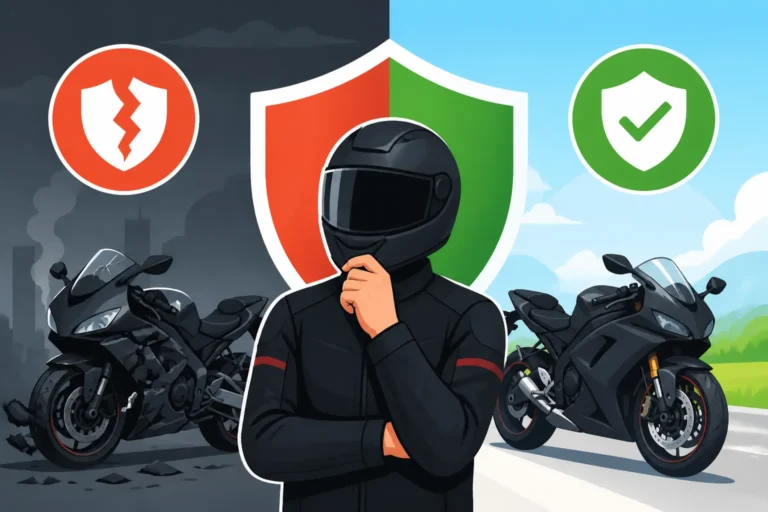
It's an awful feeling, isn't it? You walk out to where you’ve parked your beloved motorcycle, anticipating the open road, only to find it tipped over, resting sadly on its side, or worse, with visible damage. Your heart sinks. It wasn't a collision, you weren't even on it! The immediate question that probably pops into your head is, "Will my insurance even cover this?" This guide is here to shed light on that exact frustrating scenario, explaining how your comprehensive motorcycle insurance policy can be your saving grace when your bike takes an unexpected tumble while parked.
Demystifying Comprehensive Motorcycle Coverage
When we talk about motorcycle insurance, it's easy to get lost in the jargon. But one type of coverage often stands out as the unsung hero for those "what ifs" that aren't a direct collision: comprehensive coverage. Unlike liability, which protects others if you're at fault in an accident, or collision, which covers damage to your bike if you hit something (or something hits you while you're riding), comprehensive is designed for those unpredictable, often unavoidable events.
What Comprehensive Coverage Actually Protects
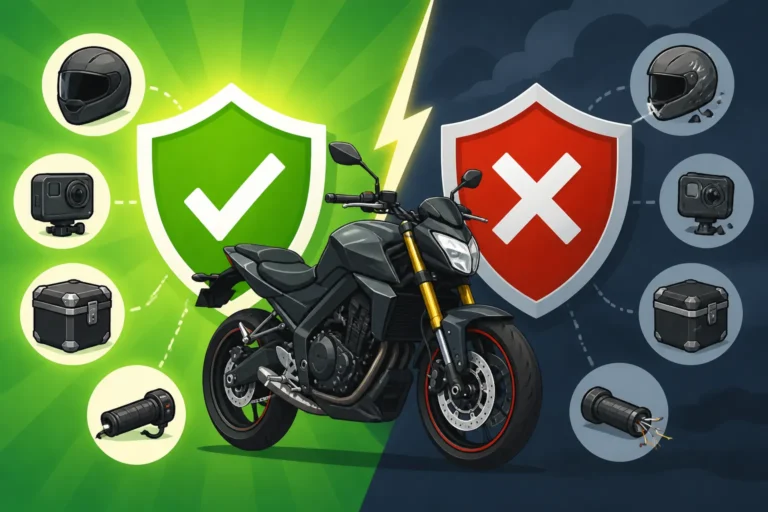
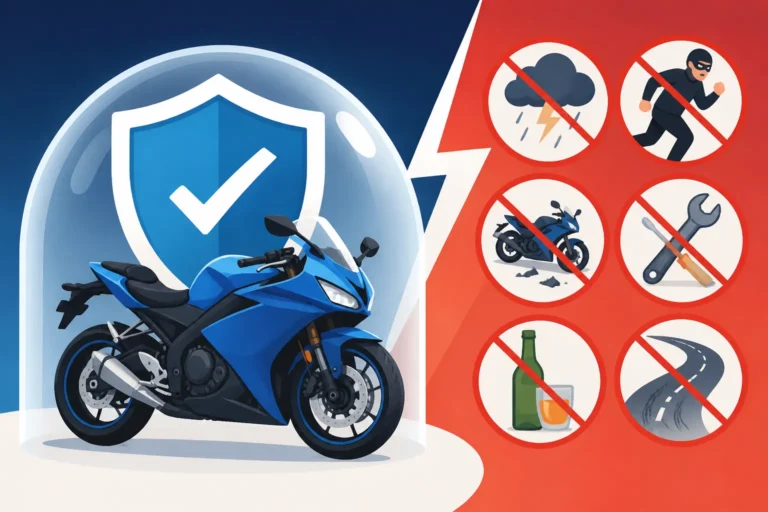
Comprehensive motorcycle insurance acts as a safety net for a wide array of non-collision incidents. Think of it as protection against almost anything that could happen to your bike when it's just sitting there, not involved in a traffic accident. This includes things like theft – a terrifying thought for any rider – or vandalism, where someone intentionally damages your prized possession. It also covers what insurers often call "acts of God," such as damage from a severe hailstorm that dents your tank, a flood that submerges your engine, or even a tree limb falling on your bike during a high wind event. Fire is another major peril typically covered under comprehensive, whether it's an electrical fire in your garage or a wildfire spreading nearby. Even striking an animal, like a deer darting out onto the road, is usually covered by comprehensive, not collision, because it's considered an unforeseen "other than collision" event.
For a deeper dive into all the protections available, you might want to read about the various Types of Motorcycle Insurance Coverage Explained.
The "Other Than Collision" Component
The key to understanding comprehensive coverage is its "other than collision" designation. This phrase is insurance-speak for damage that isn't the direct result of your motorcycle colliding with another vehicle or object while in motion. So, if your bike is parked and someone accidentally backs into it, that’s usually a collision claim against their insurance. But if a strong gust of wind blows it over, or a random passerby decides to kick it down, or even if it just tips over due to an unstable kickstand on soft ground – these are the scenarios where comprehensive truly shines. It’s about protecting your investment from the wild, unpredictable world, precisely when you're not riding it. It’s that peace of mind that even when your bike is secured in a parking garage or on your driveway in a quiet suburb of Phoenix, Arizona, it’s still got a layer of protection against the unexpected.
When Comprehensive Coverage Steps In for a Tipped-Over Bike
This is the big question, right? You found your motorcycle knocked over, and you weren't even around. Let's break down the specific situations where comprehensive coverage is most likely to come to your rescue.
Vandalism or Malicious Mischief
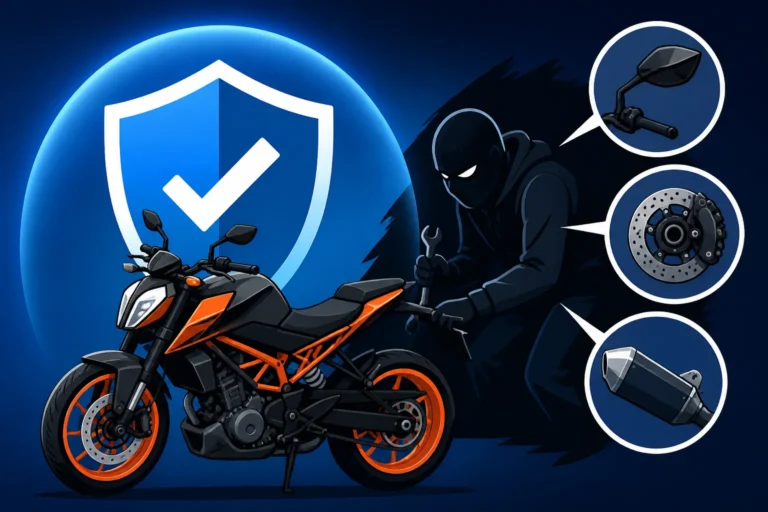
Imagine parking your beautiful Harley-Davidson in a public lot in downtown Austin, Texas, only to return and find it deliberately pushed over, maybe with some scratched paint or a bent lever. This is a classic case of vandalism. Since it's an intentional act of damage by a third party, and not a collision, your comprehensive coverage would typically kick in. The insurer would investigate, perhaps ask for a police report, and then cover the costs of repair, minus your deductible. This is distinct from, say, if you accidentally dropped your bike yourself while trying to maneuver it in a tight spot – that specific scenario might be covered by collision if you have it, or not at all depending on policy specifics.
"Acts of God" and Environmental Damage
Sometimes, Mother Nature herself can be the culprit. A sudden, unexpected microburst of wind can send a lightweight sport bike tumbling off its kickstand. A poorly secured fence could blow over and knock your cruiser down. Even heavy snowfall or ice buildup could cause an instability that leads to a tip-over. These "acts of God" are exactly what comprehensive coverage is designed for. For instance, if you live in an area prone to strong winds, like parts of Oklahoma, and your bike is parked outside and gets knocked over, your comprehensive policy should cover the ensuing damage. This also includes things like hail, flood, or fire that might lead to your bike being tipped over or damaged while stationary.
Damage by Unknown Third Parties
This is perhaps the most common scenario for a parked, tipped-over bike that isn't vandalism. You park your motorcycle in a bustling mall parking lot in Los Angeles, California. A distracted driver in a large SUV might misjudge a turn, clip your handlebars, knock your bike down, and then drive off without noticing or caring. Or perhaps someone on foot stumbles, falls into your bike, and then flees the scene. Since you don't know who caused the damage, and it wasn't a collision you were involved in, this often falls under comprehensive. The tricky part here can be proving it wasn't your fault if there are no witnesses or security cameras, but comprehensive is generally designed to cover damage from unknown causes. The Zebra, a reputable insurance comparison site, often emphasizes the value of comprehensive for these kinds of "mystery damage" situations, which are all too common for motorcyclists.
What to Do When Your Motorcycle is Knocked Over While Parked
Finding your motorcycle on its side is unsettling, but knowing the right steps to take can make the insurance claim process much smoother. Don't panic; act methodically.
Secure the Scene and Document Everything
First things first, ensure the area is safe. If your bike is leaking fluids, try to contain them if possible and avoid any fire hazards. Before you even think about righting the bike, start documenting. Take out your phone and snap a ton of pictures and videos from every conceivable angle. Capture the bike's position, the damage, and the surrounding environment. Are there tire marks? Scratches on the ground? A broken fence? Any identifying features on nearby cars or objects? If there were witnesses, get their contact information. This visual evidence will be crucial when you file your claim. It’s like building a case for your bike, showing exactly what happened before anything changes. This thorough documentation is often what separates a smooth claim from a frustrating one.
Report the Incident
Depending on the circumstances, you might need to report the incident to the police. If it's clear vandalism, or if another vehicle was involved and left the scene (a hit-and-run), a police report is essential. Even if it seems like a simple tip-over due to wind, getting a police report can sometimes add credibility to your claim, especially if the damage is significant. Once you've documented and potentially reported to the police, it's time to contact your insurance company. The sooner you do this, the better. Be ready to provide them with all the details, including your policy number, the date and time of the incident, and the evidence you collected. You'll want to review your policy documents to understand your Motorcycle Insurance Requirements by State (2026 Guide) and ensure you have all the necessary information handy.
Understanding the Claims Process
When you call your insurer, an adjuster will be assigned to your case. They'll review your evidence, potentially send someone out to inspect the damage, and determine if the claim falls under your comprehensive coverage. This is where your detailed photos and police report (if applicable) really pay off. Once the claim is approved, you’ll typically be responsible for paying your deductible – the amount you agreed to pay out-of-pocket before your insurance kicks in. After that, your insurer will cover the approved repair costs, up to your policy limits. Sometimes, the damage might be severe enough that your motorcycle is considered a total loss. In that case, the insurer will pay you the actual cash value of your bike, minus the deductible. Knowing What Happens When Your Motorcycle Is Totaled? can prepare you for that possibility.
Here's a quick look at how different types of damage to a parked bike might be handled:
| Type of Incident | Typical Coverage Type | Key Factors | Potential Deductible Impact |
|---|---|---|---|
| Wind/Storm/Flood Damage | Comprehensive | Weather report, evidence of natural event | Yes |
| Vandalism | Comprehensive | Police report, evidence of malicious intent | Yes |
| Hit-and-Run (unknown vehicle) | Comprehensive (often) | Lack of identified at-fault party | Yes |
| Accidental tip-over by you | Collision (if applicable) | Your own fault, physical contact with ground/object | Yes |
| Hit by known driver while parked | Their Liability | Driver's insurance, police report, witness info | No (their deductible) |
Important Considerations for Your Claim
While comprehensive coverage is a lifesaver in these scenarios, there are still a few things you should keep in mind that can affect your claim and future insurance standing.
Deductibles and Payouts
Every insurance policy has a deductible, and comprehensive coverage is no exception. This is the amount you agree to pay out of your own pocket before your insurance company starts paying for the repairs. So, if your deductible is $500 and the damage to your tipped-over motorcycle is $1,200, you'll pay the first $500, and your insurer will cover the remaining $700. It's crucial to weigh the repair cost against your deductible. If the damage is minor – say, just a scuffed mirror and a bent brake lever totaling $400 – and your deductible is $500, it might not be financially sensible to file a claim. You'd be paying more in deductible than the repair is worth. Before filing, consider getting an estimate for the damage.
Potential Impact on Future Rates
One question many riders have is, "Will filing a comprehensive claim raise my rates?" The answer isn't always a straightforward yes or no. Comprehensive claims are generally viewed differently than collision claims. Since they typically cover events outside of your control (like weather or vandalism), they are often considered "not-at-fault" claims. This means they are less likely to significantly increase your premiums compared to a collision claim where you were determined to be at fault. However, a history of multiple comprehensive claims, even if not your fault, could still flag you as a higher risk in the eyes of some insurers. It's worth discussing with your provider or checking comparison sites like The Zebra to see how different companies might treat such claims when you're looking for new coverage. Understanding What Affects Your Motorcycle Insurance Rate? can help you anticipate these potential changes.
Reviewing and Adjusting Your Policy
Finding your bike knocked over, even when parked, is a stark reminder to review your existing motorcycle insurance policy. Do you have enough comprehensive coverage? What's your deductible? Are your custom parts or accessories adequately covered? If you've invested heavily in aftermarket exhausts, custom paint, or specialized saddlebags, you'll want to ensure your policy includes specific Accessories & Custom Parts Coverage Explained. Many standard comprehensive policies only cover the factory value of your bike, not the extra bling you've added. It's always a good idea to periodically re-evaluate your coverage needs, especially after significant modifications or if you've moved to a new area with different risks. Checking in with your insurance provider or using tools to How to Compare Motorcycle Insurance Quotes can help ensure you’re adequately protected.
Beyond the Tip-Over: Broader Comprehensive Benefits
While we've focused heavily on the tipped-over-while-parked scenario, it's important to remember that comprehensive coverage offers a broader shield of protection that every rider should seriously consider.
Protection Against Theft
Unfortunately, motorcycle theft is a real and constant threat. Whether your bike is stolen from your garage in Portland, Oregon, or snatched from a street parking spot in New York City, comprehensive coverage is what will kick in to help you recoup your loss. Without it, if your bike vanishes, you're usually out of luck financially. This coverage typically covers the actual cash value of your motorcycle at the time of theft, minus your deductible. It also often covers recovery costs if your bike is found damaged. For more on this, check out our guide on Motorcycle Theft Claim: How It Works.
Natural Disasters and Unforeseen Events
Beyond just being knocked over by wind, comprehensive coverage is your safeguard against a host of natural calamities. If a wildfire scorches your garage and your bike is inside, or a tornado rips through your town and damages your motorcycle, comprehensive is designed to cover those losses. The same goes for flood damage, falling objects (like a branch from a neighbor's tree), and even animal collisions when you're actually riding. These are all scenarios that are largely out of your control, yet can lead to significant financial heartache. This type of robust coverage makes "full coverage" a truly comprehensive package, as detailed in What Does Full Coverage Motorcycle Insurance Mean?.
Peace of Mind
Ultimately, having comprehensive motorcycle insurance provides an invaluable sense of peace of mind. Knowing that you're protected against a wide array of unexpected, non-collision incidents – whether your bike is parked, in storage, or out on the road – allows you to enjoy riding without constant worry. It means that if you return to your bike to find it tipped over by a stranger, damaged by a storm, or simply gone, you have a clear path to recovery and repair, rather than facing a potentially devastating financial hit. It's a small investment for significant reassurance, allowing you to focus on the joy of two wheels.
Disclaimer
Please remember that insurance policies can vary significantly based on the provider, your specific policy terms, and your state's regulations. The information provided here is for general guidance only and does not constitute professional insurance advice. Always review your individual policy documents or speak directly with a licensed insurance agent to understand your coverage options and how they apply to your unique situation.