Does Motorcycle Insurance Cover Accessories on a Harley?
You’ve invested time, passion, and often a considerable sum of money into making your Harley-Davidson truly yours. From custom paint jobs and upgraded exhaust systems to chrome add-ons and comfortable touring seats, these accessories define your ride. But when it comes to insurance, a nagging question often surfaces: "Does my motorcycle insurance actually cover all these prized customizations if something goes wrong?" It's a valid concern, as standard policies frequently have limitations, and this guide is here to walk you through exactly how to protect your unique Harley.
Understanding Standard Motorcycle Insurance Coverage
Before we dive into the specifics of custom parts, it’s important to understand the foundation of your motorcycle insurance policy. Most standard policies provide a baseline of coverage that protects you in various scenarios, but these often have inherent limitations when it comes to aftermarket additions. Think of it like building a house – you need a solid foundation before you start adding the fancy fixtures.
The Basics: Liability, Collision, and Comprehensive
When you purchase motorcycle insurance, you're typically looking at three core types of coverage that form the bedrock of protection. These are often mandated by state law, at least in part, and are crucial for any rider. To truly understand your options, it's helpful to first grasp the fundamentals of Types of Motorcycle Insurance Coverage Explained.
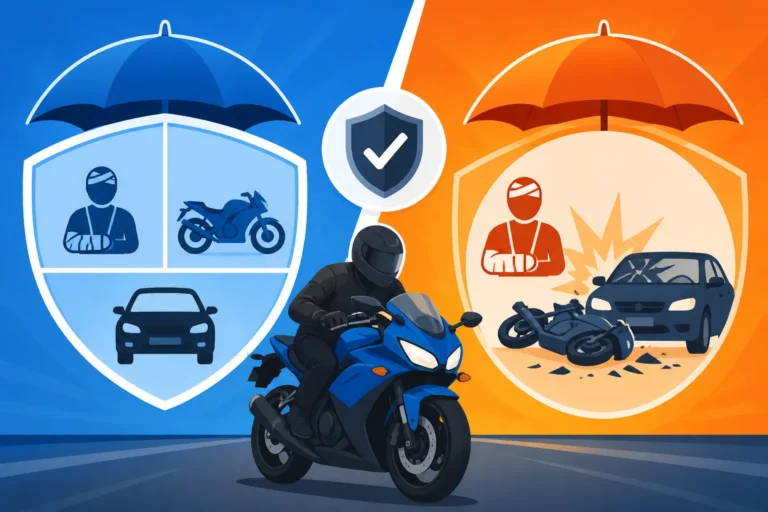
First, we have liability coverage. This is the absolute minimum required in most states, including places like California and Texas. If you're involved in an accident that's deemed your fault, liability insurance steps in to cover the damages you cause to other people's property or their bodily injuries. It's a critical safety net, protecting your personal assets from claims that could arise from an at-fault accident. However, and this is a big "however," liability coverage never pays for damages to your own motorcycle, let alone your custom parts. It's purely for the "other guy."
Next, there's collision coverage. This is where you start getting protection for your own bike. Collision coverage is designed to pay for the repair or replacement of your motorcycle if it's damaged in an accident with another vehicle or object, or even if you lay it down on your own. It doesn't matter who is at fault; if your bike is damaged from a collision, this coverage helps. For many riders, especially those with newer or financed Harleys, collision is a must-have. Without it, you’d be shouldering the entire cost of repairs out of pocket.
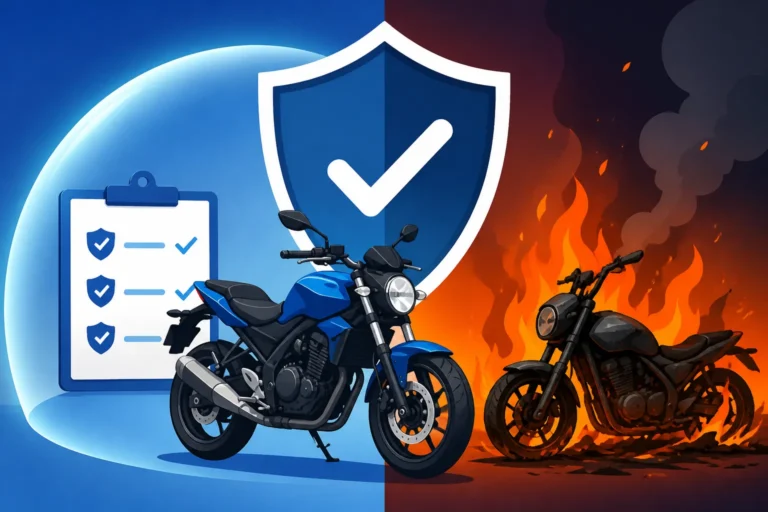
Finally, we have comprehensive coverage. This is often paired with collision to give you what many refer to as What Does Full Coverage Motorcycle Insurance Mean?. Comprehensive coverage is the unsung hero for a lot of non-collision related incidents. It protects your Harley from damages caused by things like theft, vandalism, fire, natural disasters (hail, floods, wind), and even hitting an animal on the road. For many Harley owners, especially those worried about their bike sitting exposed at a rally or parked overnight, comprehensive coverage is invaluable. It’s also the coverage that often comes into play if you’re concerned about theft of your custom parts, but with specific caveats we'll explore.
Where Standard Policies Fall Short for Custom Harleys
While these foundational coverages are absolutely essential, they often come with limitations that can be a real headache for owners of highly customized Harley-Davidson motorcycles. Most standard policies have a base coverage limit for accessories and custom parts built into the comprehensive and collision portions, but this limit is usually quite low.
Imagine you've put $10,000 worth of custom chrome, an aftermarket exhaust, and a specialized infotainment system on your Harley Street Glide. Your standard policy might only include a default of $3,000 for "accessories and custom parts." If your bike is totaled or severely damaged, and those custom parts are destroyed, you'd be looking at a significant out-of-pocket expense for the remaining $7,000. This is the critical gap that many riders discover too late. The insurer assesses the base value of the motorcycle and the minimal default accessory coverage, leaving the rider feeling shortchanged.
Furthermore, some insurers might differentiate between factory-installed options and true aftermarket customizations. While a factory upgrade like ABS brakes might be automatically included in the bike's valuation, a custom fairing or an engine performance kit you added yourself might not be. This distinction is vital because it determines what the insurer considers part of the "original bike" versus an "added accessory" that needs special attention. It's not about whether your bike looks good; it's about how the insurance company values it.
The Specifics of Accessories and Custom Parts Coverage
This is where the rubber meets the road for Harley owners. Protecting your investment in those unique upgrades requires looking beyond standard coverage and often adding specific endorsements to your policy. Don't assume your stock policy automatically covers that custom seat you splurged on.
What Qualifies as an "Accessory" or "Custom Part"?
Understanding what your insurance company considers an "accessory" or "custom part" is the first step. Generally, these terms refer to any additions or modifications made to your Harley-Davidson after it leaves the factory. This can range from the obvious to the subtle, and the total value can add up quickly.
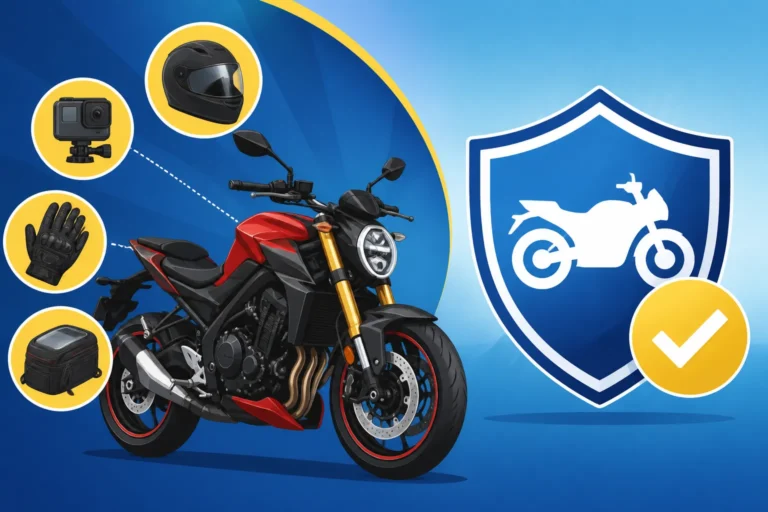
Think about the myriad ways Harley owners personalize their bikes. It could be an aftermarket exhaust system like Vance & Hines or Screamin' Eagle pipes, custom wheels, chrome forks, or a unique fender. Performance upgrades, such as an engine tuning kit or a high-flow air filter, also fall into this category. Beyond aesthetics and performance, practical accessories like specialized saddlebags, detachable touring luggage, upgraded navigation systems, heated grips, or a custom windshield are all part of the equation. Even a personalized paint job or custom LED lighting can be considered an accessory. The key is that these items were not part of the standard factory build for that specific model.
It's also important to note that certain personal items on the bike might not be covered under accessories coverage. For instance, your riding gear – helmet, jacket, gloves, and boots – would typically not be covered under your motorcycle's accessory coverage, but might be covered under a separate personal articles policy or homeowner's insurance, or through a specific endorsement that some motorcycle insurers offer. So, while your custom fairing is likely covered, the expensive custom helmet resting on your seat usually isn't by the same part of the policy.
Different Valuation Methods for Your Customizations
When it comes to insuring your Harley's custom parts, not all policies are created equal, and the method an insurer uses to value these additions can drastically impact your payout after a claim. This is where understanding terms like Actual Cash Value, Stated Value, and Agreed Value becomes absolutely crucial. For a deeper dive into these concepts, check out our guide on Agreed Value vs Stated Value vs Actual Cash Value.
Many standard policies, if they cover accessories at all, will default to Actual Cash Value (ACV). ACV means that in the event of a total loss or damage, the insurer will pay out the depreciated value of the accessory. So, those custom pipes you bought five years ago for $1,200 might only be valued at $400 by the insurer after factoring in wear and tear and age. This can be a huge disappointment, as it often means you can't afford to replace the parts with new ones. This valuation method is particularly frustrating for customizers who believe their parts appreciate in sentimental, if not market, value.
A step up from ACV is Stated Value. With stated value policies, you declare a maximum value for your motorcycle and its accessories when you purchase the policy. However, here's the catch, and it's a significant one: the insurance company reserves the right to pay up to that stated value, or the actual cash value, whichever is less. So, if you state your accessories are worth $10,000, but the insurer appraises them at $7,000 (ACV) after a loss, you'll only receive $7,000. This is an improvement over pure ACV as it sets a clear ceiling, but still leaves room for the insurer to pay less. Our article What Is Stated Value Motorcycle Insurance? (The Catch), goes into detail about these potential pitfalls.
The gold standard for custom Harleys is Agreed Value coverage. With this type of policy, you and the insurer agree on a specific value for your motorcycle and its accessories before the policy is issued. This agreed amount is what the insurer will pay out if your bike is totaled or the covered accessories are damaged beyond repair, regardless of depreciation. This provides immense peace of mind, knowing exactly what you'll receive. While it might come with a higher premium, for many riders with significant investments in their Harleys, the security of What Is Agreed Value Motorcycle Insurance?, is well worth the cost. This is especially true for rare, custom-built, or vintage Harleys where market values can be subjective and standard depreciation models don't apply.
Here's a quick comparison of these valuation methods:
| Valuation Method | How Payout is Determined | Pros | Cons | Best For |
|---|---|---|---|---|
| Actual Cash Value | Original cost minus depreciation and wear and tear. | Lower premiums, standard for basic policies. | Payout often insufficient to replace custom parts. | Minimal customizations, older parts, budget-conscious. |
| Stated Value | You declare a max value; insurer pays lesser of stated value or ACV. | Sets a ceiling, better than pure ACV. | Still subject to insurer's ACV assessment, not guaranteed. | Moderate customizations, allows for higher limits. |
| Agreed Value | Insurer and owner agree on a value upfront; guaranteed payout. | Guaranteed payout, no depreciation surprises. | Higher premiums, requires formal appraisal or detailed records. | Heavily customized, rare, or classic Harleys. |
How to Properly Insure Your Harley's Customizations
Now that you understand the different types of coverage and valuation methods, let’s talk about the practical steps you need to take to ensure your Harley’s unique features are adequately protected. This isn't a one-and-done process; it requires proactive communication with your insurance provider.
Declaring Your Accessories and Custom Parts
The most critical step in insuring your custom Harley accessories is to explicitly declare them to your insurance company. Do not assume anything is automatically covered. When you’re getting a new policy or renewing an existing one, make sure to discuss every single aftermarket addition. This is particularly important because the value of Accessories & Custom Parts Coverage Explained, can vary widely.
When you call for a quote or speak with your agent, be prepared to list every item you’ve added that wasn't factory standard. This includes everything from performance chips, custom seats, special exhaust systems, upgraded sound systems, chrome kits, bespoke paint, and even specialty lighting. Many insurers will have a specific "custom parts and accessories" rider or endorsement that you can add to your policy. This rider allows you to increase the coverage limit beyond the standard low amount. For example, instead of a default $3,000 limit, you might be able to get $10,000, $20,000, or even more, depending on the value of your modifications.
Some insurance companies, like Progressive or Harley-Davidson Insurance, are particularly experienced with custom motorcycles and often make it easier to declare these additions. They understand the rider's passion and investment. It’s not just about listing the item; it’s about providing a clear value for each, so your agent can properly adjust your coverage. If you’re not sure about the process, don't hesitate to ask your agent for a detailed walkthrough.
Providing Documentation and Proof of Value
Simply telling your insurer you have $15,000 worth of accessories might not be enough. To secure the best and most accurate coverage, you'll need to back up your claims with solid documentation. This is especially true if you opt for Agreed Value coverage, which often requires a formal appraisal.
Start by meticulously keeping all receipts for every custom part and accessory you purchase and for any labor costs associated with their installation. These receipts serve as concrete proof of the item's cost and can be invaluable in substantiating your declared value. Create a dedicated folder, either physical or digital, for all these documents. Include dates of purchase, vendor information, and the cost. It might seem like a chore now, but it will be a lifesaver if you ever need to How to File a Motorcycle Insurance Claim.
Beyond receipts, consider taking high-quality photographs of your custom Harley from all angles. Capture close-ups of each accessory, showing its condition and how it’s integrated into the bike. A video walkthrough can also be incredibly useful. These visuals provide undeniable proof of the existence and condition of your customizations before any incident occurs. Some riders even go as far as getting a professional appraisal, particularly for highly specialized or custom-fabricated parts that don't have standard retail receipts. An independent appraiser who specializes in motorcycles can provide an objective valuation that your insurer will likely accept, especially for Agreed Value policies. This documentation package—receipts, photos, and appraisals—is your strongest advocate when determining your coverage needs and, heaven forbid, filing a claim.
Factors Affecting Your Accessories Coverage and Premiums
While protecting your custom Harley is paramount, it's also true that adding extensive modifications can impact your insurance premiums. It's a balance between comprehensive protection and managing costs, and several factors play a role in this equation.
The Value and Type of Your Accessories
Unsurprisingly, the total monetary value of your accessories is the biggest driver of your coverage costs. The more expensive your modifications, the higher your premium will generally be, simply because the insurer faces a greater financial risk in the event of a claim.
However, it's not just about the raw dollar amount; the type of accessory can also influence pricing. For example, performance-enhancing modifications, like engine tuning or turbochargers, might be viewed differently than cosmetic upgrades like custom paint or chrome. Performance mods can sometimes be associated with a higher risk profile if the insurer believes they encourage more aggressive riding, potentially leading to higher premiums. Conversely, safety-enhancing accessories, like advanced braking systems or crash bars, might not significantly increase your premium and could even, in some cases, lead to small discounts. It really depends on the individual insurer's underwriting guidelines.
The rarity or uniqueness of your custom parts also plays a role. If you have one-of-a-kind, hand-fabricated components, these might be harder to value and replace, potentially requiring more specialized coverage or an Agreed Value policy, which typically comes at a higher price point than standard ACV coverage. Conversely, mass-produced aftermarket parts from popular brands like Kuryakyn or Arlen Ness might be easier for insurers to price and replace, thus having a more predictable impact on your premiums. This nuance is part of What Affects Your Motorcycle Insurance Rate?.
The Role of Your Bike's Base Value and Other Factors
Beyond the accessories themselves, the base value of your Harley-Davidson and other personal rating factors will significantly influence the cost of covering your custom parts. Your accessories coverage is typically an add-on to your overall policy, meaning it's still tied to the core elements of your motorcycle insurance.
A brand-new Harley-Davidson CVO Road Glide with a high MSRP will inherently cost more to insure than an older, lower-value Sportster, even before you consider accessories. When you add extensive customizations to an already expensive bike, the combined value can quickly become substantial, leading to a noticeable increase in your premium. Insurers look at the overall risk—the total potential payout if the entire bike, including all its custom parts, is totaled or stolen.
Other factors influencing your overall premium, and thus indirectly the cost of your accessories coverage, include your riding record, age, location, and even where you store your bike. A rider with a clean driving history in a low-theft area, storing their bike in a locked garage, will generally pay less for the same coverage than a younger rider with a less-than-perfect record in a high-theft urban environment. This is why when you're comparing policies, it's important to be transparent about all these details. Even your chosen deductible will influence the cost of coverage; a higher deductible generally means a lower premium, but a larger out-of-pocket expense if you file a claim for damaged accessories.
Making a Claim for Damaged or Stolen Accessories
The moment you hope never comes is when you need to file a claim for your customized Harley. Whether it's due to an accident, theft, or vandalism, knowing the process and what to expect can significantly ease the stress and help you get a fair settlement.
What to Do Immediately After an Incident
The steps you take immediately following an incident can have a major impact on the success of your insurance claim, especially when custom parts are involved. Your primary concern should always be safety, but once that's secured, documenting everything is key.
If you're in an accident, after ensuring everyone's safety and contacting emergency services if needed, gather as much information as possible. Take photos of the accident scene, including road conditions, vehicle positions, and any damage to your Harley and its accessories. Exchange information with other parties involved. For more detailed instructions on navigating post-accident insurance steps, consult our guide on How to File a Motorcycle Insurance Claim. If your custom parts were damaged, make sure to get clear, detailed photos of every affected component. Don't move the bike or allow repairs until the insurer instructs you to, unless it's necessary to prevent further damage or for safety.
In the case of theft or vandalism of your Harley or its accessories, immediately file a police report. This is a non-negotiable step, as your insurance company will require a police report number to process a claim. Provide the police with a detailed description of your motorcycle, including all identifiable custom features. If only accessories were stolen (e.g., someone removed your custom fairing while parked), specify those items in the report. Document any signs of forced entry or vandalism with photos. The quicker you report, the better the chances for recovery, and the smoother your insurance claim process will be.
Navigating the Claims Process for Custom Parts
Once the immediate aftermath is handled, it’s time to contact your insurance company to initiate the claim. This is where all that meticulous documentation you gathered earlier will pay off.
When you speak to your claims adjuster, clearly articulate that your Harley is customized and that you have specific coverage for accessories. Provide them with your policy number, the police report number (if applicable), and all the documentation you have: receipts for custom parts, installation invoices, pre-incident photographs, and any appraisals. The more organized and thorough you are, the more efficiently the adjuster can process your claim and understand the true value of your loss. Be prepared for the adjuster to ask detailed questions about the custom parts, their age, and their condition.
The adjuster will typically send an appraiser to assess the damage to your motorcycle and its custom components. If you have an Agreed Value policy, the process is usually more straightforward, as the payout for those specific parts is already agreed upon. If you have an ACV or Stated Value policy, be prepared to discuss their valuation. If their initial offer for your accessories seems too low, don't be afraid to politely negotiate, armed with your receipts and proof of value. Remind them of the unique nature of Harley customizations and the difficulty in replacing certain bespoke items. Remember, their job is to evaluate the claim based on your policy terms, and your job is to ensure they have all the information to make a fair assessment based on the coverage you purchased, specifically for Does Motorcycle Insurance Cover Custom Parts?.
Shopping for Insurers That Understand Custom Bikes
Finding the right insurance for a highly customized Harley-Davidson isn't always as simple as picking the cheapest quote. You need an insurer who truly understands the investment and passion that goes into personalizing a bike.
Key Questions to Ask Prospective Insurers
When you're shopping around for motorcycle insurance, especially for a customized Harley, don't be shy about asking specific, pointed questions. This isn't just about finding the best price; it's about finding the best coverage for your unique needs. Comparing policies thoroughly is crucial, as highlighted in How to Compare Motorcycle Insurance Quotes.
Here are some essential questions to ask every insurer:
- What is your default coverage limit for accessories and custom parts? This will immediately tell you if their standard offering is sufficient or if you'll need to purchase additional coverage.
- Do you offer specific riders or endorsements for custom parts? Many insurers do, allowing you to increase your coverage beyond the default. Ask what the maximum available limit is.
- What valuation method do you use for custom parts (ACV, Stated Value, or Agreed Value)? Push for Agreed Value if your customizations are extensive or unique. If they only offer ACV, understand the implications of depreciation.
- Do I need a professional appraisal for my custom parts? Some insurers, particularly for Agreed Value policies, might require one.
- How do you handle custom paint jobs or unique fabrication? Ensure these highly specific and often expensive modifications are explicitly covered.
- Are there any exclusions for certain types of modifications (e.g., performance-enhancing, structural)? Some policies might have caveats.
Don't settle for vague answers. If an agent seems unsure, ask them to clarify or speak with a supervisor. This diligence upfront can save you a world of trouble later. This is also where resources like The Zebra can be incredibly helpful; they can allow you to compare multiple quotes from different providers side-by-side, making it easier to see which companies offer the robust custom parts coverage you need for your Harley.
Comparing Specialized Providers and Getting Quotes
Not all insurance companies are equally equipped to handle highly customized motorcycles. Some general insurers might have limited options for custom coverage, while others specialize in it. To find the Best Motorcycle Insurance Companies (2026), for your modified Harley, it's wise to cast a wide net.
Companies like Progressive, Dairyland, and Markel are often highly regarded in the motorcycle community for their flexible and comprehensive custom parts coverage options. They understand that a Harley is more than just a bike; it's a statement, and they tend to offer generous limits and favorable valuation methods. Even Harley-Davidson Insurance itself can be a good option, as they are inherently familiar with the brand's customization culture. When you’re gathering quotes, be sure to provide the same detailed list of your accessories to each prospective insurer to ensure you're getting truly comparable quotes.
Utilizing online comparison tools, like those offered by The Zebra, can streamline this process significantly. Instead of calling multiple companies individually, you can enter your information once and receive quotes from several providers at the same time. This not only saves time but also presents a clear picture of what different insurers are offering in terms of custom parts coverage and premium. Look closely at the policy language provided by each quote, specifically searching for sections on "accessories," "custom equipment," or "modifications." Don't just focus on the bottom-line premium; scrutinize the details of what is covered, how it's valued, and what your deductibles are for each type of coverage like Collision vs Comprehensive Motorcycle Coverage. The cheapest policy upfront might end up being the most expensive in the long run if it doesn't adequately protect your custom Harley.
Disclaimer
Please remember that this article is intended for informational purposes only and does not constitute financial, legal, or insurance advice. Insurance policies vary widely, and it's crucial to consult with a licensed insurance professional to discuss your specific needs and obtain accurate quotes. Policy terms, conditions, and availability may change.