How Do I Reinstate a Lapsed Motorcycle Policy?
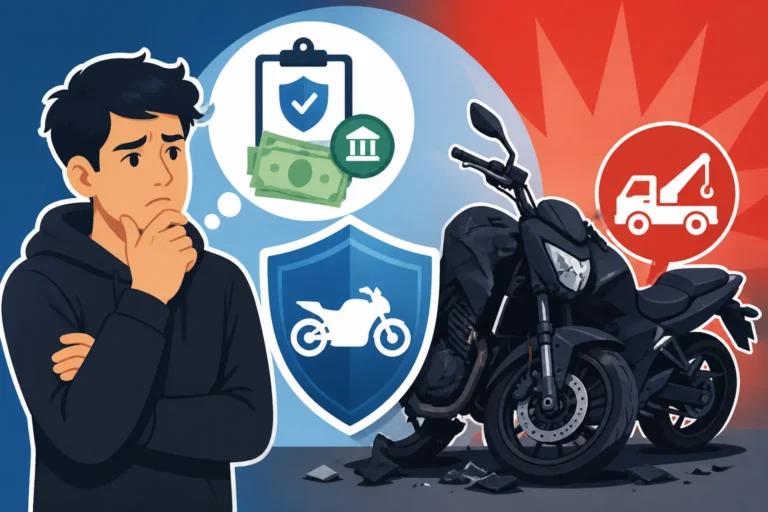
It’s a situation many of us riders have faced at one point or another: you go to pull out your insurance card, maybe for a quick check or an unexpected stop, and that sinking feeling hits you – the policy expired, or worse, it’s been months since you paid. Riding without active coverage is a seriously nerve-wracking thought, not to mention a risky one. This guide is here to walk you through the often confusing, but ultimately manageable, process of reinstating a lapsed motorcycle insurance policy, so you can get back on the road safely and legally.
Understanding Why a Motorcycle Policy Lapses
Life can get overwhelmingly busy, and sometimes, even the most crucial tasks can slip through the cracks. A lapsed motorcycle insurance policy is rarely intentional, but the reasons behind it are pretty common. It’s important to recognize these factors so we can better understand how to prevent it in the future.
Forgetting Payment Due Dates
This is probably the most frequent culprit. You’ve got bills coming from every direction, and if your insurance isn't set up for automatic payments or consistent reminders, it’s easy to miss a premium due date. Maybe you changed banks, got a new credit card, or simply forgot to update your payment information with your insurance provider. Before you know it, that payment goes unfulfilled, and your policy starts inching towards cancellation. Many insurers, like Progressive, will send multiple notices, but if those go to spam or get lost in a pile of mail, you might not see them until it's too late.
Administrative Oversight and Communication Gaps
Sometimes, it’s not even about forgetting. Perhaps you moved recently and forgot to update your address with your insurer, so all their crucial notices went to your old home. Or maybe there was a misunderstanding about a payment plan, or a bank transfer that didn't go through as expected. These administrative hiccups, though frustrating, can unfortunately lead to a lapse. It highlights why keeping your contact and payment details meticulously updated with your insurer is so important.
Financial Hardship and Intentional Lapse
Let’s be real, motorcycle insurance can be a significant expense, especially depending on your bike, your age, and your riding history. Sometimes, riders intentionally let their policy lapse due to temporary financial hardship, hoping to pick it back up when things improve. While understandable, this is incredibly risky. The cost of a ticket for riding uninsured, or worse, the financial devastation of an accident without coverage, far outweighs the temporary savings. If you’re struggling, it’s always better to call your insurer and discuss options, rather than just letting it expire. They might be able to adjust your payment plan, offer a temporary reduction in coverage (though this isn't recommended for long-term safety), or suggest ways to How to Lower Your Motorcycle Insurance Premium through discounts.
The Immediate Risks of Riding with a Lapsed Policy
If your motorcycle insurance policy has lapsed, the most critical thing to understand is that you are riding uninsured. This isn't just a minor inconvenience; it carries significant legal, financial, and personal risks that every rider needs to be fully aware of.
Legal Penalties and Fines
Every state, except for a select few, requires motorcyclists to carry at least minimum liability insurance. Even in states where it's not universally mandatory, if you finance your bike or have an SR-22 requirement, you will need coverage. Getting caught without it can lead to hefty fines, points on your license, and even license suspension. For example, in states like Texas or Florida, the penalties can escalate quickly from an initial fine to impoundment of your bike. Law enforcement officers can easily check your insurance status electronically during a traffic stop, so there’s no real way to "chance it." You can read more about the specific consequences in our guide on Penalties for Riding Without Insurance.
Financial Devastation from an Accident
This is perhaps the most terrifying risk. If you’re involved in an accident with a lapsed policy and you’re found at fault, you are personally responsible for all damages and injuries to other parties. This includes medical bills, property damage, lost wages, and pain and suffering. These costs can quickly skyrocket into the tens or even hundreds of thousands of dollars, potentially leading to bankruptcy and the loss of your assets. Even if the accident isn't your fault, if you don't have personal injury coverage, your own medical bills could be astronomical. This is why understanding Minimum Liability Insurance Explained The Three Numbers is so crucial, as it sets the baseline for your financial protection.
Difficulty Getting Future Coverage
Having a history of lapsed insurance can flag you as a high-risk driver to insurance companies. This can make it much harder to get coverage in the future and will almost certainly lead to higher premiums. Some insurers might even refuse to cover you at all, leaving you with fewer options and potentially needing to seek out non-standard or high-risk carriers, which are often far more expensive. This is a factor that will impact your rates for years to come, making the proactive management of your policy incredibly important.
Steps to Reinstate Your Lapsed Motorcycle Policy
Discovering your motorcycle insurance has lapsed can feel like a punch to the gut, but don't panic. There's usually a pathway to getting your coverage back in force. The key is to act quickly and systematically.
Contact Your Insurance Provider Immediately
The very first step you need to take, before anything else, is to pick up the phone and call your insurance provider. Do not try to ride your motorcycle. Do not wait until tomorrow. The sooner you reach out, the better your chances of a smooth reinstatement process. Have your policy number and any recent communication from them handy. Explain your situation honestly. They will be able to tell you:
- If your policy is still within a grace period: Many insurers offer a short grace period (often 10-30 days) after a missed payment before they officially cancel the policy. If you’re still within this window, reinstatement might be as simple as making the overdue payment. This is a common practice with companies like Progressive and Geico.
- The exact date of cancellation: This is crucial. If it’s past the grace period, the policy is officially canceled.
- What specific steps are required for reinstatement: They'll outline the exact process, which can vary depending on how long the policy has been lapsed and your state's regulations.
Understand the Grace Period and Its Implications
A grace period is a short window, usually 10 to 30 days, after your premium due date during which your insurance policy is technically still active, even if the payment hasn’t been received. This is designed to give policyholders a little wiggle room for forgotten payments without immediate cancellation. If you pay within this grace period, your coverage is generally considered continuous, meaning there's no official lapse on your record.
However, if you've gone past this grace period, your policy is officially considered "lapsed" or "canceled." At this point, you're uninsured, and any incident that occurs during this time will not be covered. You can learn more about this by checking out our article on Motorcycle Insurance Grace Period When Buying. Reinstatement beyond this point often involves more than just paying the missed premium; it typically triggers a new underwriting process.
Navigating the Reinstatement Process After a Hard Lapse
If you're past the grace period, reinstating your policy becomes more complex, but still usually possible. Here’s what you can expect:
- Paying Overdue Premiums and Fees: You will almost certainly need to pay all missed premiums, often including an additional reinstatement fee. This fee covers the administrative costs associated with processing your lapse and bringing your policy back to life.
- New Underwriting Review: Your insurer will likely conduct a new underwriting review. This means they’ll assess your risk again, just as if you were applying for a brand-new policy. They’ll look at factors like your driving record, any recent claims, and how long your policy was lapsed. This review might result in changes to your premium or even your coverage options.
- Proof of No Incidents During Lapse: Some insurers may require you to sign a "Statement of No Loss" affidavit, certifying that you haven't been involved in any accidents or incidents during the period your policy was lapsed. Submitting a false statement here is considered insurance fraud and carries severe penalties.
- Potential for Higher Premiums: Because a lapse signals a higher risk, be prepared for the possibility that your premiums might increase upon reinstatement. This is especially true if the lapse was for an extended period or if you have other risk factors on your record.
Exploring New Policy Options if Reinstatement Isn't Feasible
In some cases, especially if your policy has been lapsed for a very long time (e.g., several months or more), your current insurer might deny reinstatement. This can also happen if you've accumulated severe violations, like a DUI, during the lapse period, potentially triggering an SR-22 for Motorcycles When It's Required filing. If reinstatement isn't an option, don't despair. You'll need to shop for a new policy as if you were a new customer.
This is a good opportunity to compare quotes from several different providers. Use online comparison tools like The Zebra to quickly get quotes from multiple companies such as Progressive, Dairyland, and Markel. Be transparent about your lapse history, as honesty is always the best policy when dealing with insurance. Some companies are more forgiving of past lapses than others, and you might find a new insurer willing to offer you coverage, albeit potentially at a higher rate initially. Shopping around is key to finding the best Cheapest Motorcycle Insurance Companies for your new circumstances.
Here's a quick overview of what typically happens depending on the lapse duration:
| Lapse Duration | Typical Action Required | Potential Outcome |
|---|---|---|
| Within Grace Period | Pay overdue premium + any late fees | Policy reinstated with continuous coverage, no major impact |
| Short Lapse (1-60 days) | Pay all overdue premiums + reinstatement fee | Policy reinstated, potential premium increase, new underwriting |
| Long Lapse (60+ days) | May be denied reinstatement, new underwriting required | Must purchase a new policy, higher premiums likely, limited options |
| Severe Violations/SR-22 | Reinstatement denied, specific high-risk insurance needed | Significant premium increase, fewer insurer choices, SR-22 filing |
Proactive Strategies to Prevent Future Lapses
Once you've gone through the stress of reinstating a lapsed policy, you'll likely want to do everything in your power to avoid it happening again. The good news is, there are several simple yet effective strategies you can implement to ensure your motorcycle coverage remains continuously active.
Set Up Automatic Payments
This is by far the easiest and most reliable way to prevent missing a payment. Most insurance companies, including large carriers like Progressive and State Farm, offer automatic payment options. You can usually link a checking account, savings account, or credit card. Just make sure the linked account always has sufficient funds, or your card isn't expired, to avoid a different kind of payment failure. This takes the mental burden off you and ensures your premiums are always paid on time.
Choose Convenient Payment Plans
Insurance companies often offer various payment plans: monthly, quarterly, semi-annually, or annually. While paying annually or semi-annually might offer a small discount, monthly payments can be easier on your budget and less likely to be missed, especially if they align with your paychecks. Discuss these options with your insurer to find a plan that works best for your financial flow. If you find your current payment schedule difficult to manage, don't hesitate to reach out to your provider to see if you can adjust it.
Utilize Reminders and Digital Tools
Even with auto-pay, it’s a good idea to set up multiple reminders. Mark your payment due dates on a physical calendar, set digital alerts on your phone, or use financial management apps. Many insurance companies have their own mobile apps that send payment reminders, allow you to view your policy, and even provide digital proof of insurance. Take advantage of these tools. Checking your policy status through these apps periodically can catch potential issues before they become full-blown lapses.
Regularly Review and Update Your Policy Information
Life changes, and your insurance policy needs to reflect that. Get into the habit of reviewing your policy details annually or whenever a significant life event occurs.
- Update Contact Information: If you move or change your phone number or email address, update it with your insurance provider immediately. This ensures you receive all crucial notices, including payment reminders or policy changes.
- Update Payment Information: If you get a new credit card, or your bank account details change, update your payment method with your insurer right away.
- Policy Review: Take the time to understand your policy. Do you still have the right coverage for your bike and riding habits? Are you missing out on any discounts? Regular check-ups with your agent or a quick online review can not only prevent lapses but also help you ensure you have the appropriate What Motorcycle Coverage Do You Actually Need? and potentially save you money. You might even discover new ways to save by bundling your motorcycle insurance with other policies, like home or auto, as discussed in Should You Bundle Motorcycle Insurance?.
When Reinstatement Isn't an Option and What to Do
While most lapsed policies can be reinstated, there are certain situations where your existing insurer might decline to renew or reinstate your coverage. This can feel like a dead end, but it's really just a fork in the road requiring a different approach.
Reasons for Denial and Moving On
Your current insurer might deny reinstatement if:
- The Lapse Period is Too Long: If your policy has been canceled for many months, sometimes even over a year, insurers may consider it too risky to simply "restart" the old policy. They'll view it as needing a completely new application.
- Significant Risk Factors During Lapse: If you received multiple traffic violations, had an accident, or were involved in an incident requiring an SR-22 for Motorcycles When It's Required or FR-44 filing during the uninsured period, your previous insurer might deem you too high-risk to continue coverage.
- Company Policy Changes: Less common, but sometimes an insurer might change their underwriting guidelines, and your bike or riding profile no longer fits their criteria.
If your reinstatement is denied, it's not the end of your riding days. It simply means you'll need to apply for a brand-new policy with a different company.
Shopping for New Coverage After a Denial
This is where comparison shopping becomes your best friend. Don't just settle for the first quote you get.
- Gather Your Information: Have your personal details, bike information (make, model, VIN), driving history, and any information about the lapse ready. Be honest about your lapse history; withholding information will only lead to issues later.
- Contact Multiple Insurers: Reach out to several different motorcycle insurance companies. Some specialize in high-risk policies or are more lenient with lapse history than others. Well-known companies like Dairyland, Markel, and Progressive often have options for a variety of rider profiles. You can often get multiple quotes quickly using online platforms like The Zebra, which allows you to compare different carriers side-by-side. This helps you get a sense of the market.
- Explore High-Risk Options: If mainstream insurers are quoting exorbitant rates or denying coverage, you might need to look into companies that specialize in high-risk policies. Be prepared for higher premiums in these cases.
- Consider Minimal Coverage (Temporarily): To legally get back on the road, you might need to opt for your state's minimum liability coverage initially. While not ideal for comprehensive protection, it gets your foot back in the door. As you maintain continuous coverage and a clean riding record, you can gradually look to increase your coverage levels and shop for better rates. Remember, What Is the Cheapest Way to Insure a Motorcycle Legally? is often minimal liability, but it comes with significant personal risk.
- Focus on Building a Clean Record: Once you secure new insurance, make it your absolute priority to maintain continuous coverage and avoid any further lapses or traffic violations. A clean record over time is the most effective way to lower your insurance premiums and regain access to more competitive rates and broader coverage options.
Disclaimer
The information provided in this article is for general informational purposes only and does not constitute legal, financial, or insurance advice. Motorcycle insurance laws and regulations vary by state, and individual circumstances can significantly impact coverage options and requirements. Always consult with a qualified insurance professional or legal advisor to discuss your specific situation and ensure you have appropriate coverage.