What’s the Difference Between Stated and Agreed Value?
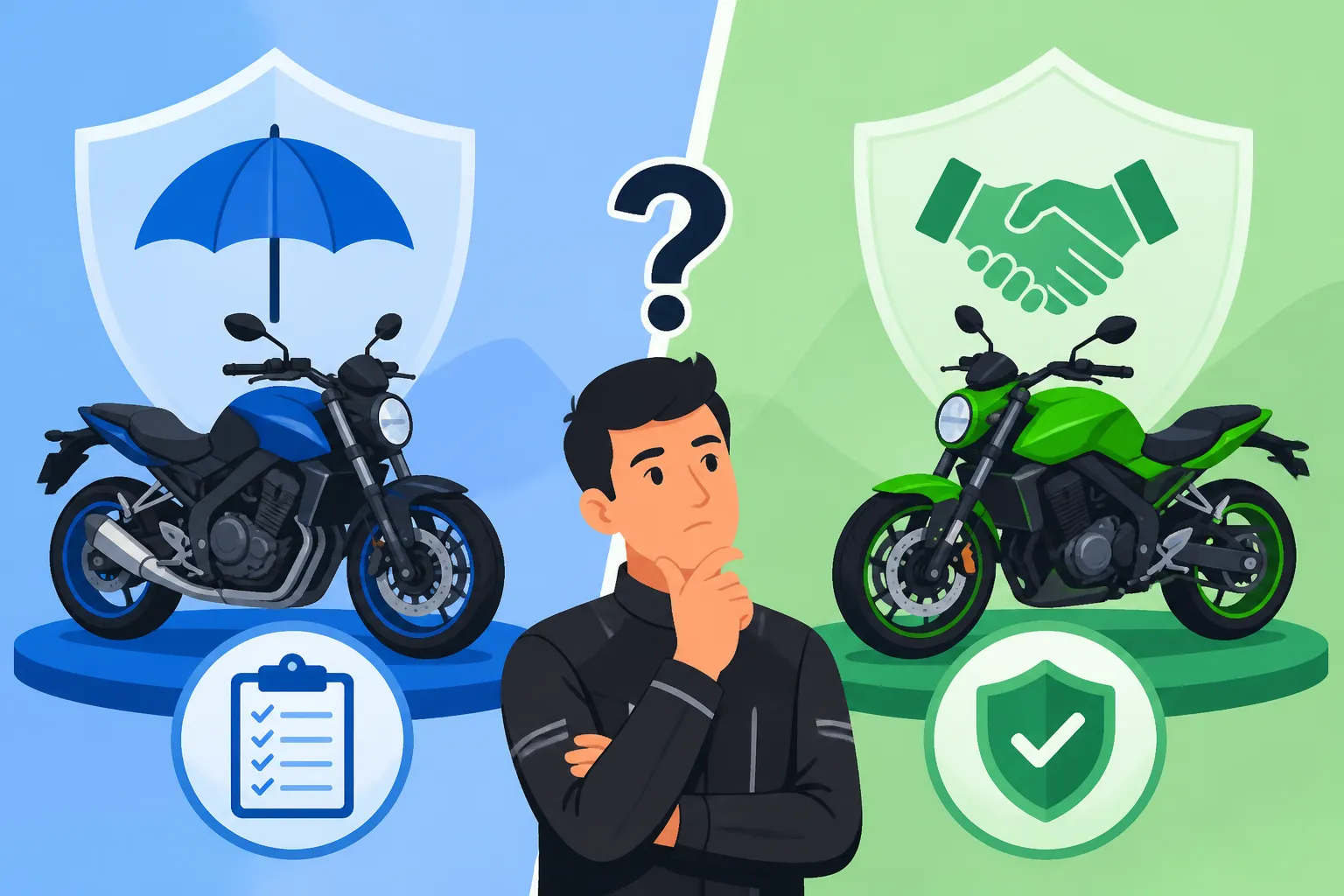
It's a common scenario: you're trying to make sense of your motorcycle insurance policy, looking at all the options, and then you stumble upon terms like "stated value" and "agreed value." For many riders, these phrases can be a real head-scratcher. What exactly do they mean for your beloved bike if the worst happens? This guide is here to untangle the confusion and help you understand how these coverage types protect your investment, especially for those unique or custom motorcycles that mean more than just transportation.
The Foundation: Understanding Actual Cash Value (ACV)
Before we dive into "stated" and "agreed" value, it's crucial to understand the standard method insurance companies use to value your motorcycle: Actual Cash Value, or ACV. This is often the default, and it's where a lot of riders find themselves frustrated after an accident.
The Standard: Actual Cash Value (ACV)
Actual Cash Value is essentially what your motorcycle was worth at the exact moment of loss, taking into account depreciation, wear and tear, and its overall condition. Think of it like this: if you were to sell your bike on the open market right before it was totaled, what would a reasonable buyer pay for it? That's roughly what ACV aims to determine. Insurance companies will look at factors like its age, mileage, physical condition, and sales data for similar models in your area.
For a brand-new, stock motorcycle, ACV might be fairly close to what you paid, especially if the loss occurs soon after purchase. But motorcycles, like cars, depreciate. They lose value over time, and every mile you put on them, every little ding or scratch, and every year that passes can reduce their ACV. It's a cold, hard fact of ownership that can sting when you're facing a total loss claim.
Why ACV Can Feel Like a Raw Deal
The biggest frustration with ACV comes when you have a classic bike you've poured time and money into, or a custom build with unique modifications. Imagine you've spent years restoring a vintage Harley-Davidson, carefully sourcing original parts, and investing thousands into its perfect finish. If it's totaled, an ACV policy might only pay out what a "standard" bike of that age and model would be worth, not factoring in your passion, the custom paint, or those rare components.
Many riders feel that ACV doesn't truly reflect the value of their specific motorcycle, especially if it's more than just a stock model. You might have a heavily customized sport bike with aftermarket suspension, an upgraded exhaust, and intricate fairings. An ACV policy might value it as a standard model of its year, leaving you significantly short of what it would cost to replace those special parts. This is where options beyond ACV become incredibly important, offering a way to secure a payout that better aligns with your bike's true worth in your eyes. This is particularly relevant when considering the complexities of What Happens When Your Motorcycle Is Totaled?.
Diving Deep into Stated Value Coverage
When you're dealing with a motorcycle that isn't just off the showroom floor, whether it's a vintage gem or a highly personalized machine, standard Actual Cash Value (ACV) coverage can leave you feeling underinsured. This is where "stated value" coverage often enters the conversation, but it comes with its own set of nuances that riders need to understand.
What Stated Value Actually Means
Stated value coverage is a type of policy where you and your insurance company declare a maximum value for your motorcycle at the beginning of the policy term. This "stated value" is the absolute maximum amount the insurance company will pay out if your bike is deemed a total loss. Sounds great, right? Like you're setting the price yourself. However, here's the critical catch that many riders misunderstand: the stated value is a cap, not a guarantee.
When a total loss occurs, the insurer will still appraise your motorcycle and determine its Actual Cash Value (ACV) at that time. They will then pay you whichever amount is less: the stated value you declared, or the calculated ACV. For example, if you stated your custom chopper was worth $25,000, but the insurer's appraiser determines its ACV is only $18,000 after depreciation and current market conditions, your payout will be $18,000. It doesn't matter that you stated $25,000; the lower of the two values prevails. This can be a harsh reality for riders who thought they had their bike fully covered for a specific amount.
When Stated Value Might Be Offered
Insurance providers typically offer stated value coverage for motorcycles that are difficult to value using standard methods. This often includes:
- Classic or Vintage Motorcycles: Older bikes, especially those that aren't pristine restorations, can have wildly fluctuating market values. A classic Kawasaki from the 70s might be worth vastly different amounts depending on its condition, originality, and modifications.
- Custom Builds and Highly Modified Bikes: If you've got a one-of-a-kind chopper, a café racer built from the ground up, or a touring bike with extensive aftermarket additions, it's tough to find comparable sales data. The value is highly subjective.
- Unique or Low-Production Models: Bikes that are rare or have a limited production run might not have a clear market value that an algorithm can easily calculate.
While it's offered as a solution for these unique bikes, it's crucial to remember the potential downside. This is where researching options and comparing quotes, perhaps even through services like The Zebra, becomes essential to understand the fine print.
The Rider's Risk with Stated Value
The primary risk with stated value coverage lies squarely with the rider. You might pay premiums based on the higher "stated" amount, only to receive a significantly lower payout if your bike is totaled. This can leave you in a tough spot, especially if you had specific expectations about replacing your custom parts or finding a similar vintage model.
It essentially means the insurance company limits their exposure while still reserving the right to pay less. For riders with truly special motorcycles, this can lead to considerable disappointment. It's a type of coverage that requires careful consideration and a clear understanding that the burden of proving and often losing value is still largely on you, the policyholder. When looking into Types of Motorcycle Insurance Coverage Explained, always pay close attention to how your specific bike will be valued.
The Security of Agreed Value Coverage
For many owners of unique, custom, or classic motorcycles, the thought of their prized possession being totaled and only receiving a depreciated Actual Cash Value payout is a nightmare. This is precisely why "agreed value" coverage exists – it's designed to offer a much higher degree of certainty and peace of mind.
What Agreed Value Truly Guarantees
Agreed value coverage is the gold standard for riders who own motorcycles with a value that goes beyond the typical depreciating asset. With agreed value, you and your insurance company mutually agree on a specific valuation for your motorcycle before the policy is issued and before any incident occurs. This agreed-upon amount is then explicitly written into your policy.
The key difference here is the word "guarantees." If your motorcycle is later declared a total loss, the insurance company will pay you that exact, predetermined agreed value (minus any applicable deductible). There's no further negotiation, no depreciation calculation, and no attempt by the insurer to find a lower "actual cash value" at the time of the loss. It locks in your bike's value, protecting your investment and emotional attachment from the unpredictable nature of market depreciation or subjective appraisals after an accident. This makes it a powerful option when considering What Does Full Coverage Motorcycle Insurance Mean? for your specific vehicle.
The Process of Getting Agreed Value
Obtaining agreed value coverage is a bit more involved than simply getting a standard ACV policy, but for the right motorcycle, it's well worth the effort. The process typically looks like this:
- Professional Appraisal: You'll likely need to provide a formal, professional appraisal of your motorcycle from a certified appraiser. This document details your bike's condition, modifications, restoration quality, and its unique market value.
- Detailed Documentation: High-quality photographs of your motorcycle from various angles, receipts for custom work, rare parts, and restoration efforts are crucial. The more evidence you can provide to support the stated value, the better.
- Mutual Agreement: The insurance company will review your documentation and appraisal. They might have their own appraisers or specialists review the information. Once both parties concur on a fair valuation, that amount becomes the "agreed value" in your policy. This is not a one-sided declaration; it's a mutual commitment.
- Regular Review: For many classic or custom bikes, values can change over time. It's often recommended to periodically review and update your agreed value with your insurer, especially if you've added new custom parts or the market for your specific vintage model has shifted.
Companies like Hagerty or American Collectors Insurance are well-known for specializing in agreed value policies for collector vehicles, including motorcycles, because they understand the unique market and emotional value these bikes hold.
Ideal Scenarios for Agreed Value
Agreed value coverage truly shines for specific types of motorcycles and owners:
- Pristine Classic and Vintage Motorcycles: If you have a perfectly restored Vincent Black Shadow or a meticulously maintained early Indian, agreed value ensures its true collector's value is recognized.
- High-Value Custom Builds: For bikes that are essentially rolling works of art, built from the ground up with significant investment in bespoke parts and labor, agreed value is indispensable. It protects the thousands you've poured into making it unique.
- Motorcycles with Appreciating Value: Some rare or historically significant models actually gain value over time. Agreed value can be adjusted to reflect this appreciation, unlike ACV which always factors in depreciation.
- Sentimental Value: While insurance can't replace the memories, it can at least cover the financial cost of losing a family heirloom motorcycle or a bike that holds immense personal significance.
While the premiums for agreed value coverage are typically higher than ACV or stated value policies, the assurance it provides in the event of a total loss is invaluable for the right rider and motorcycle. It’s important to understand the details when comparing policies, and resources like The Zebra can help illuminate these differences.
Key Differences: Stated Value vs. Agreed Value in Practice
Understanding the core distinctions between stated value and agreed value coverage is paramount for any rider with a specialty motorcycle. While both aim to address the limitations of Actual Cash Value (ACV), their practical application and the level of protection they offer diverge significantly.
Payout Structure in a Total Loss
This is the most critical difference and where riders often face the biggest surprises.
-
Stated Value Payout: With stated value, your policy names a maximum amount. However, if your motorcycle is totaled, the insurance company will still determine the bike's Actual Cash Value (ACV) at the time of the loss. Your payout will be the lesser of the stated value or the ACV. So, if your stated value is $20,000 but the ACV is appraised at $15,000, you will receive $15,000 (minus your deductible). This means the burden of depreciation or subjective valuation after the incident still largely rests on you. It's a ceiling, not a floor, for your potential recovery. For anyone asking How to Negotiate a Motorcycle Total Loss Settlement, if you have stated value, your negotiation room might be limited by the ACV determination.
-
Agreed Value Payout: With agreed value, the amount you and your insurer settled on at the beginning of the policy is the amount you are guaranteed to receive (minus your deductible) if your bike is a total loss. If your agreed value is $20,000, and your bike is totaled, you will receive $20,000. The concept of depreciation after the policy's inception is essentially removed from the equation for total loss scenarios. This provides clear, predictable financial protection. This kind of certainty is why many riders seek out this option when learning about What Is Total Loss on a Motorcycle?.
Premium Implications
The level of certainty and risk directly influences the cost of your insurance premiums.
-
Stated Value Premiums: Generally, stated value policies will have premiums that are higher than standard ACV policies, but often lower than agreed value policies. The insurer is taking on some increased risk by capping the potential payout higher than a standard ACV, but they retain the flexibility to pay less if the ACV at the time of loss is indeed lower. This offers a middle ground in terms of cost and coverage but still requires the rider to bear some risk.
-
Agreed Value Premiums: Agreed value coverage typically comes with the highest premiums. This is because the insurance company is taking on a greater, fixed financial commitment. They are guaranteeing a specific payout regardless of post-incident depreciation or market fluctuations. For insurers, this represents a higher level of risk and a more significant potential payout, which is reflected in the policy's cost. However, for a truly valuable or irreplaceable motorcycle, this higher cost is often seen as a worthwhile investment in true peace of mind. Your Motorcycle Insurance Cost by Bike Type can be significantly influenced by choosing agreed value, especially for rare or custom bikes.
Who Benefits Most from Each Option
Choosing between stated and agreed value depends heavily on your motorcycle, your financial situation, and your risk tolerance.
-
Stated Value: This option might be suitable for riders with motorcycles that have some custom work or are slightly older, where an ACV policy feels too low, but a full agreed value policy might be too expensive or hard to qualify for. It's for those who want a bit more protection than standard ACV but understand there's still a limit and a "lesser of" clause. It's a compromise that offers a higher potential payout ceiling without the full commitment of an agreed value. It could work for a well-maintained cruiser with a few added accessories, but nothing truly bespoke or appreciating.
-
Agreed Value: This is ideal for serious collectors, owners of high-value vintage or classic motorcycles, and those with extensively custom-built bikes where the investment in time, money, and personal attachment is significant. If your motorcycle has unique attributes, rare parts, or a proven appreciating market value, agreed value is almost always the superior choice. It provides the strongest financial safeguard, ensuring you can truly recover the value you and your insurer have already acknowledged. This is the coverage you want for that one-of-a-kind chopper, the meticulously restored café racer, or the rare European sport bike that's more art than machine.
Here's a quick comparison to help you visualize the distinctions:
| Feature | Actual Cash Value (ACV) | Stated Value | Agreed Value |
|---|---|---|---|
| Payout Basis | Market value minus depreciation | Lesser of stated value OR ACV | Predetermined fixed amount |
| Appraisal | Post-loss by insurer | Post-loss by insurer (to determine ACV) | Pre-policy by appraiser/insurer |
| Premium | Lowest | Moderate | Highest |
| Rider Risk | High (due to depreciation) | Moderate (ACV can be lower) | Low (guaranteed payout) |
| Ideal For | Standard, depreciating bikes | Modified or older bikes with some custom value | Classics, customs, appreciating assets |
| Value Guarantee | No | No (it's a cap) | Yes |
In summary, stated value provides a ceiling, but not necessarily a payout guarantee, while agreed value provides a true guarantee of payout based on a pre-agreed amount. Knowing this crucial difference empowers you to choose the right protection for your unique ride.
Disclaimer
Please remember that insurance policies and their terms can vary significantly by provider and state. This information is intended as a general guide and should not be considered legal or financial advice. Always consult with a qualified insurance professional to discuss your specific needs and thoroughly review any policy documents before making coverage decisions.